New Life of Anton Chekhov
- 358 stron
- 13 godzin czytania
Very RARE edition!! UNIQUE offer!! Don’t wait to be OWNER of this special piece of HISTORY!!!



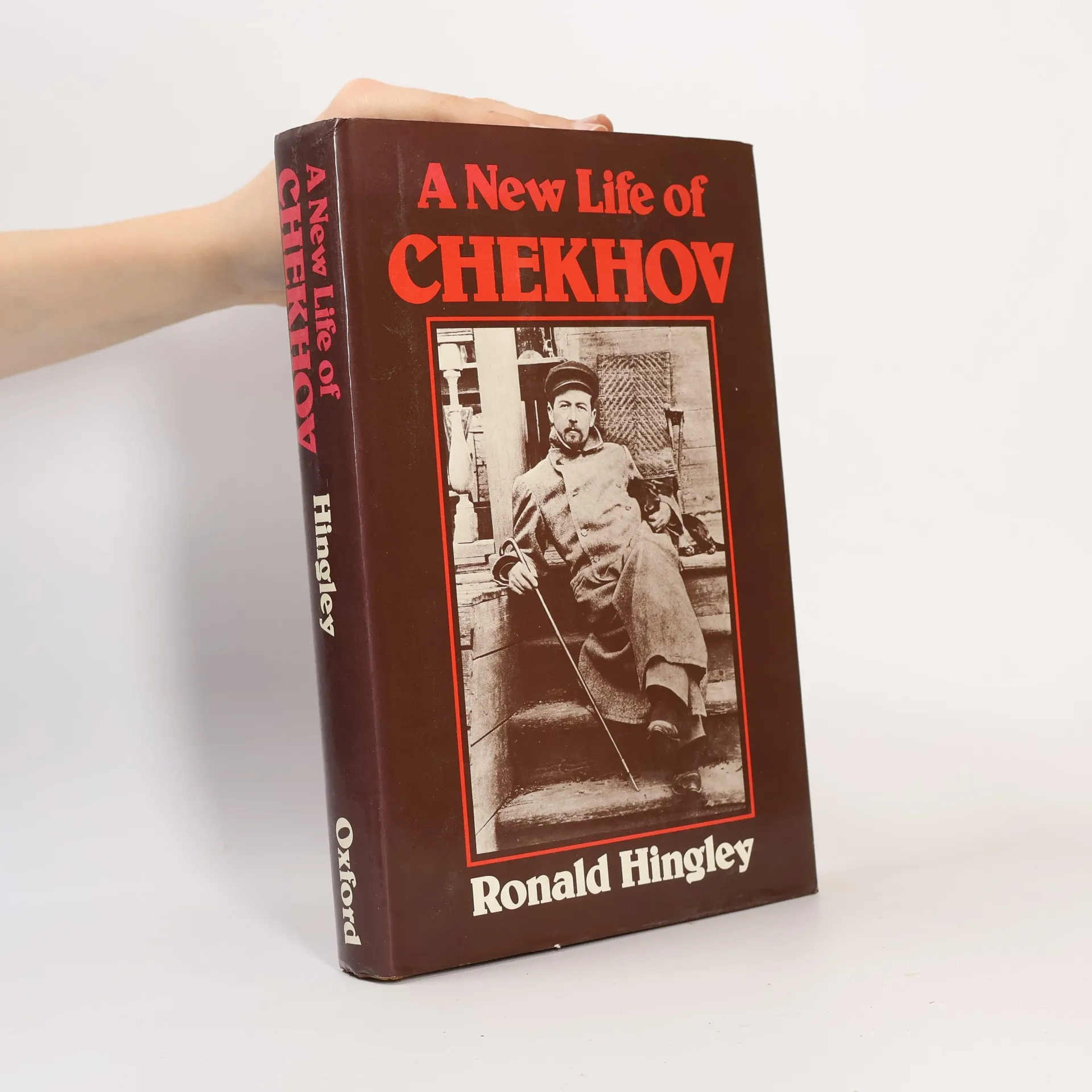
Very RARE edition!! UNIQUE offer!! Don’t wait to be OWNER of this special piece of HISTORY!!!
Wspomnienia z martwego domu to najbardziej osobiste dzieło Fiodora Dostojewskiego. W 1849 roku Dostojewski za przynależność do Koła Pietraszewskiego został skazany na karę śmierci przez rozstrzelanie. W ostatniej chwili car zamienił ją na więzienie połączone z ciężkimi robotami. Pisarz przebywał na katordze cztery lata, a doświadczenia zebrane w tym okresie pozwoliły mu przedstawić w powieści obraz życia w syberyjskim więzieniu. Swoje wspomnienia Dostojewski wkłada w usta szlachcica skazanego za zabójstwo żony na dziesięć lat ciężkich robót. Opisuje zwyczaje panujące na katordze, relacje między współwięźniami, ich historie, zachowania, postawy i charaktery, przedstawia różne fragmenty katorżniczego życia (pobyty w szpitalu, handel wódką, święta, kary cielesne, zachowanie przełożonych, roboty) i wiele sylwetek skazańców. Są pośród nich ludzie dobrzy, wartościowi, z którymi nawiązuje przyjaźnie. Jednak większość katorżników to ludzie ponurzy, dumni, ambitni, zawistni, źli i złośliwi. Awantury, kradzieże i bójki są na porządku dziennym, atmosfera moralna panująca w barakach jest trudna do zniesienia. Większość skazańców pochodzi ze stanu chłopskiego, do byłego „pana” odnoszą się niekiedy z nienawiścią, Aleksandrowi Pietrowiczowi jako byłemu szlachcicowi jest na katordze wyjątkowo ciężko, wrogość większości współwięźniów i samotność – to uczucia szczególnie doskwierające mu podczas pierwszych miesięcy pobytu w więzieniu.
Exploring the intricate connection between Dostoyevsky's personal struggles and his literary output, this book delves into the psychological and emotional influences that shaped his novels. Utilizing new source material, it examines the themes, artistic achievements, and critical responses to all of Dostoyevsky's works, providing a comprehensive analysis of his unique contributions to literature.
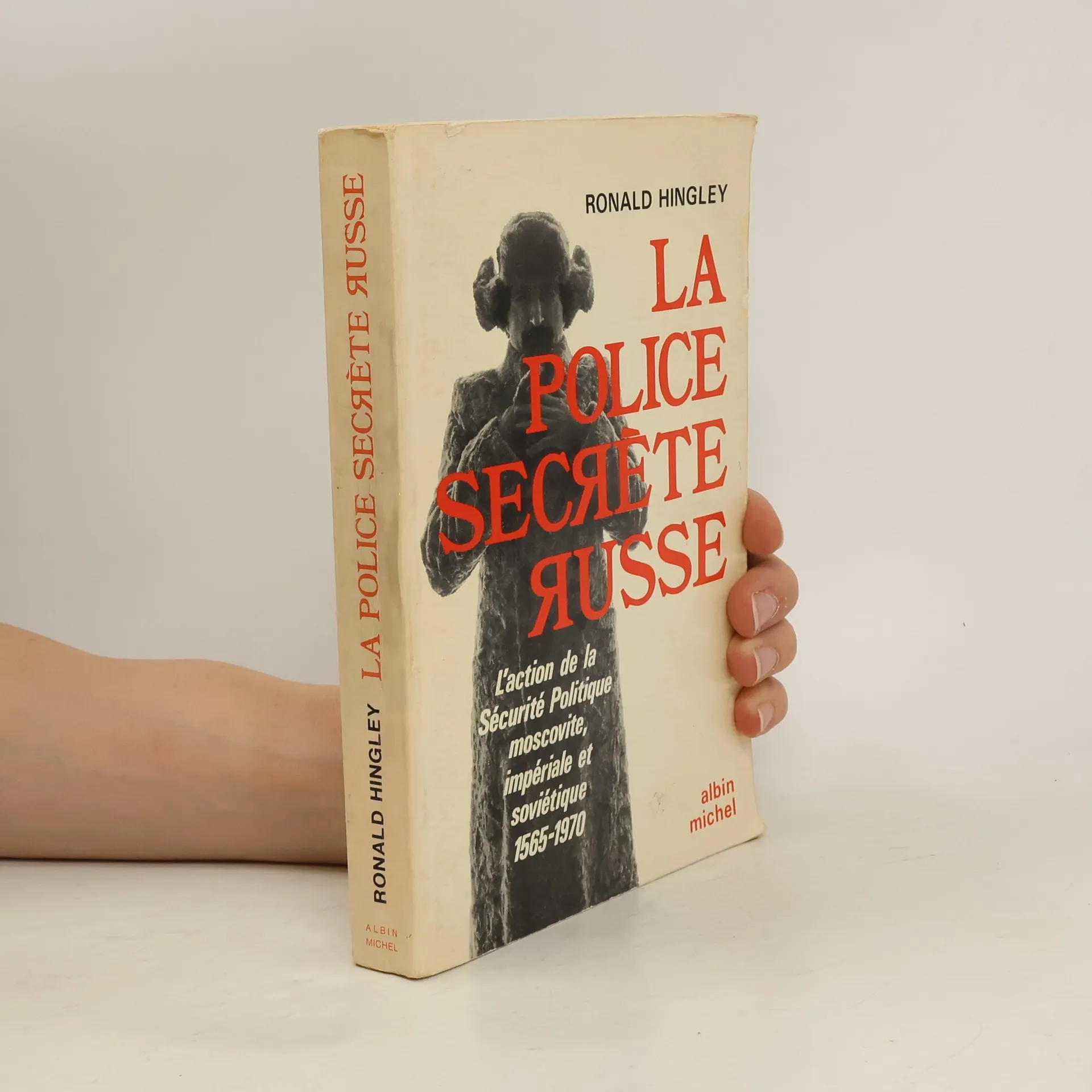
Muscovite, Imperial Russian and Soviet Political Security Operations 1565-1970
Exploring the evolution of Russia's security services from their inception to the mid-twentieth century, the book highlights the role of the secret police as a crucial tool for authoritarian control under both the Tsars and Soviet regime. Ronald Hingley delves into how these agencies influenced various aspects of Russian life, showcasing their impact on society and governance throughout this transformative period.
Taken from The Oxford Chekhov, the stories in this collection include "The Butterfly," "Ariadne," "A Dreary Story," "Neighbours," "An Anonymous Story," and "Doctor Startsev," as well as the title story. About the Series: For over 100 years Oxford World's Classics has made available the broadest spectrum of literature from around the globe. Each affordable volume reflects Oxford's commitment to scholarship, providing the most accurate text plus a wealth of other valuable features, including expert introductions by leading authorities, voluminous notes to clarify the text, up-to-date bibliographies for further study, and much more.
Eine Literatursoziologie
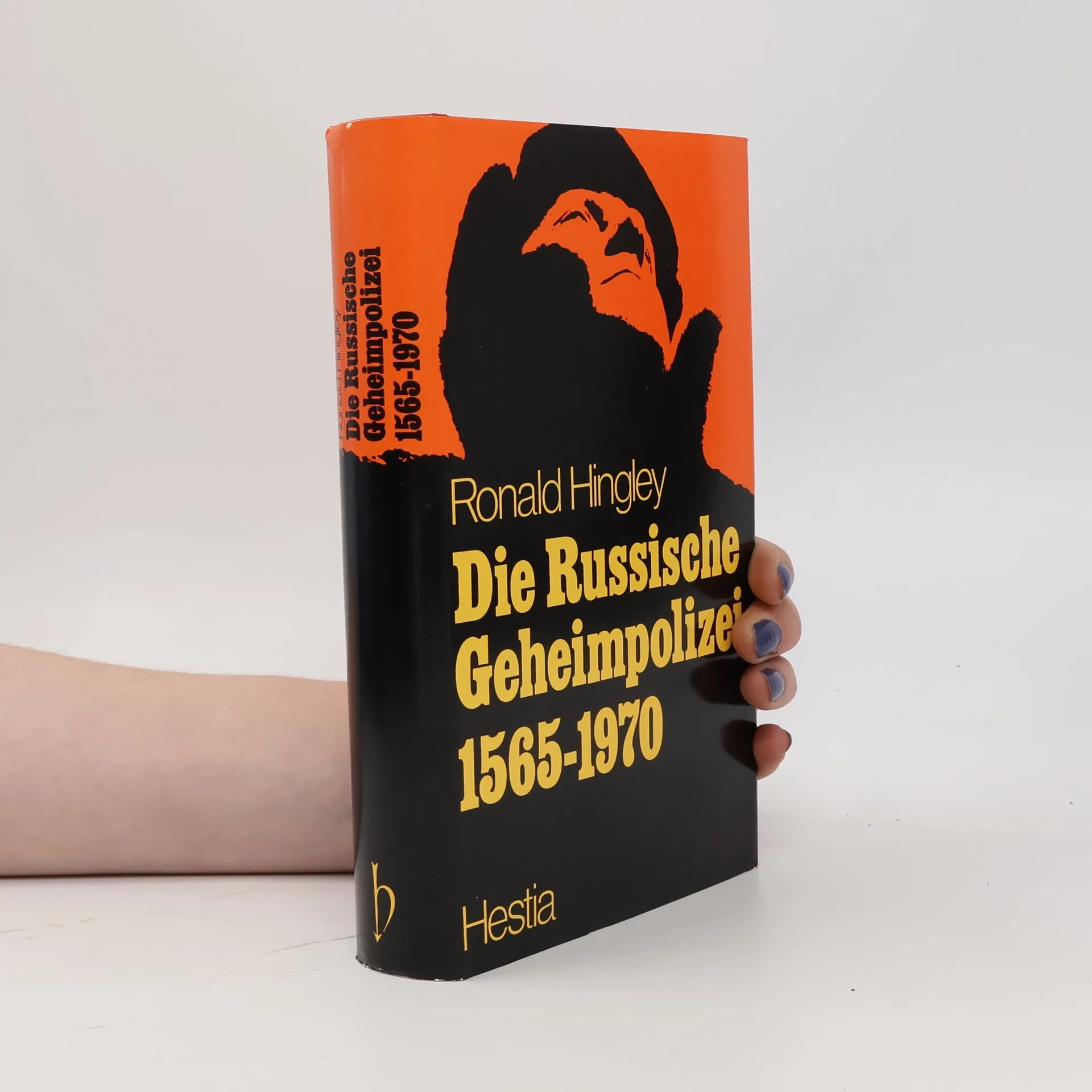
Dieses Buch ist eine wichtige Studie über die Sicherheitsdienste Russlands von ihren frühesten Jahren bis zur Mitte des zwanzigsten Jahrhunderts. Ronald Hingley zeigt, wie die Geheimpolizei sowohl unter den Zaren als auch unter der sowjetischen Herrschaft als ein zentrales Instrument der Kontrolle über alle Bereiche des russischen Lebens durch einen herausragend autoritären Staat fungierte. Er analysiert die zaristische Dritte Abteilung und die Okhrana sowie deren Rolle im Kampf gegen russische revolutionäre Gruppen und untersucht die sowjetischen Behörden, die die Rollen von Polizisten, Richtern und Vollstreckern übernahmen. Diese meisterhafte Bewertung der russischen und sowjetischen Geheimpolizei nutzt umfangreich schwer zu findende russische Dokumentationsquellen und ist die erste Forschung, die die russische politische Sicherheit (moskowitisch, imperial und sowjetisch) als Ganzes betrachtet.