


Bookbot

Alex Kotlowitz

    Im Spiegel der Zeit. Kinder gibt es hier nicht mehr. Im Himalaja verschollen. Der Schrei der Möwe. Elefanten - mein Leben.
    The Other Side of the River
    Defining a Nation
    There Are No Children Here
    Amerykańskie lato. Depesze z ulic Chicago
    • „Nic tak nie łączy ludzi jak rozpacz. Nic tak nie zbliża nas do siebie jak smutek”. Ten cytat z Rączych koni Cormaca McCarthy’ego doskonale oddaje chicagowską codzienność. Choć Chicago nie znajduje się w czołówce najniebezpieczniejszych miast w USA, stało się symbolem społecznej degradacji. Dziennikarz Alex Kotlowitz opisuje lato 2013 roku, które, mimo że było stosunkowo spokojne, nadal przyniosło przerażające statystyki: 172 osoby zginęły od kul, a niemal siedmiokrotnie więcej zostało rannych. Większość przemocy miała miejsce w biednych dzielnicach, gdzie agresja wydaje się jedyną strategią przetrwania. Kotlowitz przedstawia historię epidemii przemocy i strachu, rozmawiając z członkami gangów, byłymi więźniami, policjantami, aktywistami i matkami w żałobie. W tym świecie czas wyznaczają lata odsiadki i liczba ran, a bohaterowie łączy cicha nadzieja na lepsze jutro. Reportaż jest hołdem dla ofiar ulicznej przemocy i wyrazem miłości do miasta targanego bólem. Wyróżniony Nagrodą Literacką im. J. Anthony’ego Lukasa oraz Nagrodą im. Harolda D. Vursella, to jedna z najlepszych książek non-fiction 2019 roku według „Kirkus Reviews”. Kotlowitz ukazuje życie w brutalny, a zarazem poruszający sposób, podkreślając, że „o śmierci nie da się opowiadać, nie czcząc życia”. Lektura obowiązkowa.

      Amerykańskie lato. Depesze z ulic Chicago
      4,4
    • This is the moving and powerful account of two remarkable boys struggling to survive in Chicago's Henry Horner Homes, a public housing complex disfigured by crime and neglect.

      There Are No Children Here
      4,3
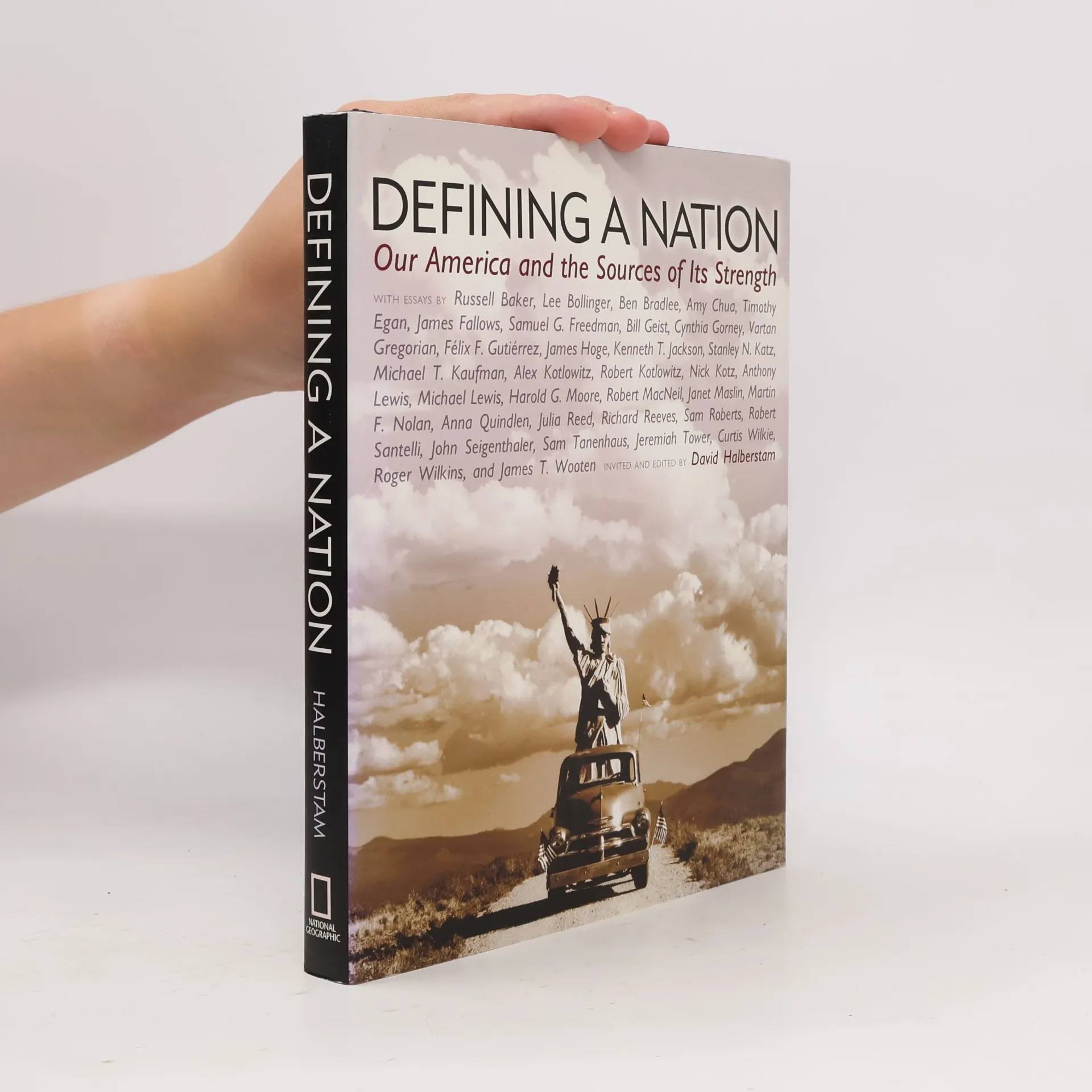
    • Defining a Nation

      Our America and the Sources of Its Strength

      • 304 strony
      • 11 godzin czytania

      "The freer we are … the stronger we are," writes David Halberstam in this probing compilation of original essays which distill the essence of America, an evergreen subject rendered even more timely by recent world events that highlight cultural clashes and prompt us not just to reconsider foreign attitudes and aspirations but to think anew about our own.Each chapter explores fundamental qualities, concepts and accomplishments that shape the American the sheer size of our country; the legendary events of our history; the heroes, villains, and icons of our national mythology; our enduring dream of a meritocratic society; and the unmistakable spirit that defines us both to ourselves and the rest of the world. Halberstam's keen observations introduce richly varied contributions by distinguished and eloquent commentators like Russell Baker, Ben Bradlee, James Fallows, Cynthia Gorney, Vartan Gregorian, and Janet Maslin, among others, who consider everything from Manifest Destiny to the McCarthy hearings and from Paul Revere's midnight gallop to John Wayne's classic cowboy riding tall through the American Century. Inspiring, enlightening, and enhanced by more than 300 photographs and illustrations, this wide-ranging collection provides thought-provoking, often surprising insights into how today's America took shape, who we are as a nation now, and where our country is headed.From the Trade Paperback edition.

      Defining a Nation
      3,5
    • The Other Side of the River

      • 336 stron
      • 12 godzin czytania

      Bestselling author Alex Kotlowitz is one of this country's foremost writers on the ever explosive issue of race. In this gripping and ultimately profound book, Kotlowitz takes us to two towns in southern Michigan, St. Joseph and Benton Harbor, separated by the St. Joseph River. Geographically close, but worlds apart, they are a living metaphor for America's racial divisions: St. Joseph is a prosperous lakeshore community and ninety-five percent white, while Benton Harbor is impoverished and ninety-two percent black. When the body of a black teenaged boy from Benton Harbor is found in the river, unhealed wounds and suspicions between the two towns' populations surface as well. The investigation into the young man's death becomes, inevitably, a screen on which each town projects their resentments and fears. The Other Side of the River sensitively portrays the lives and hopes of the towns' citizens as they wrestle with this mystery--and reveals the attitudes and misperceptions that undermine race relations throughout America.

      The Other Side of the River
      3,8