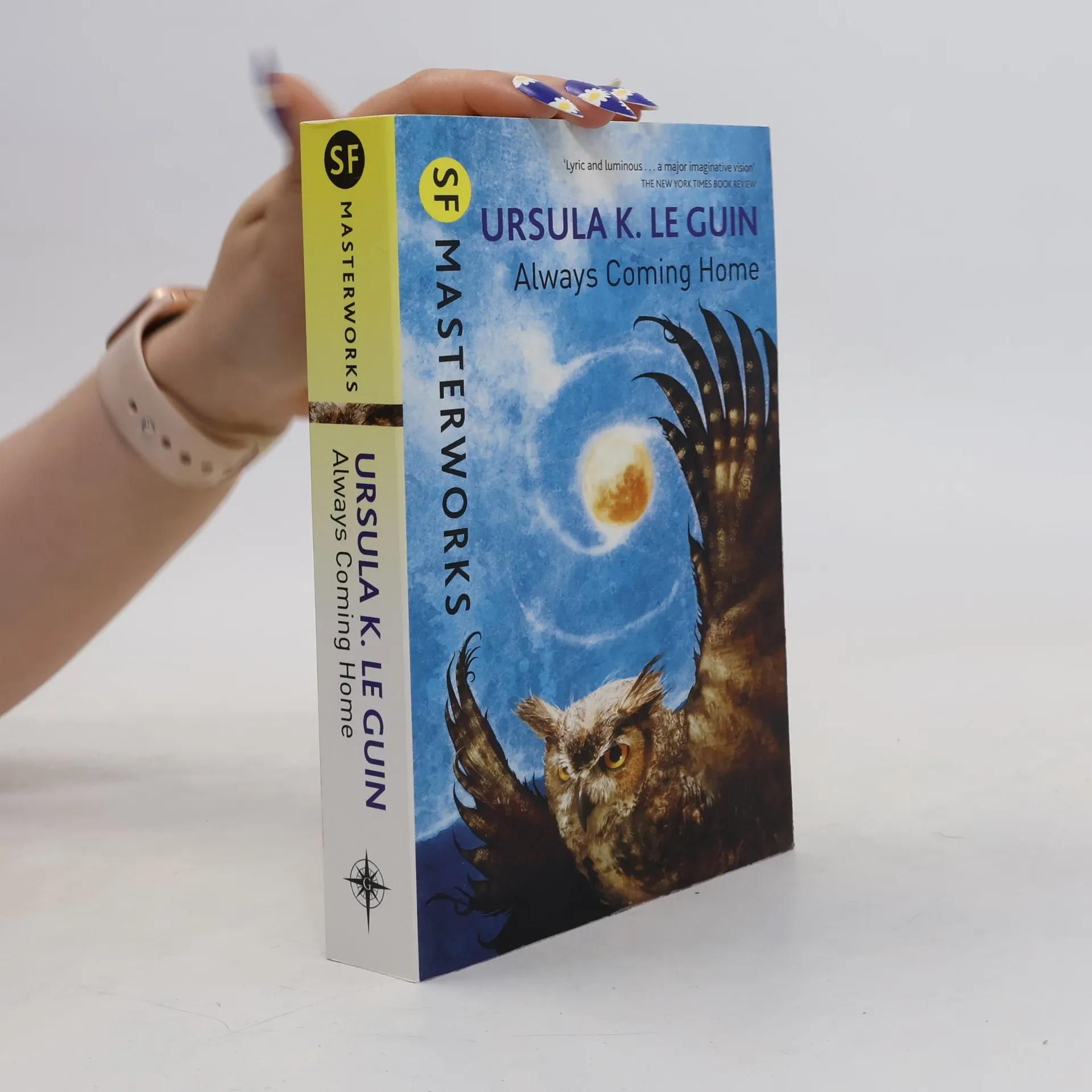
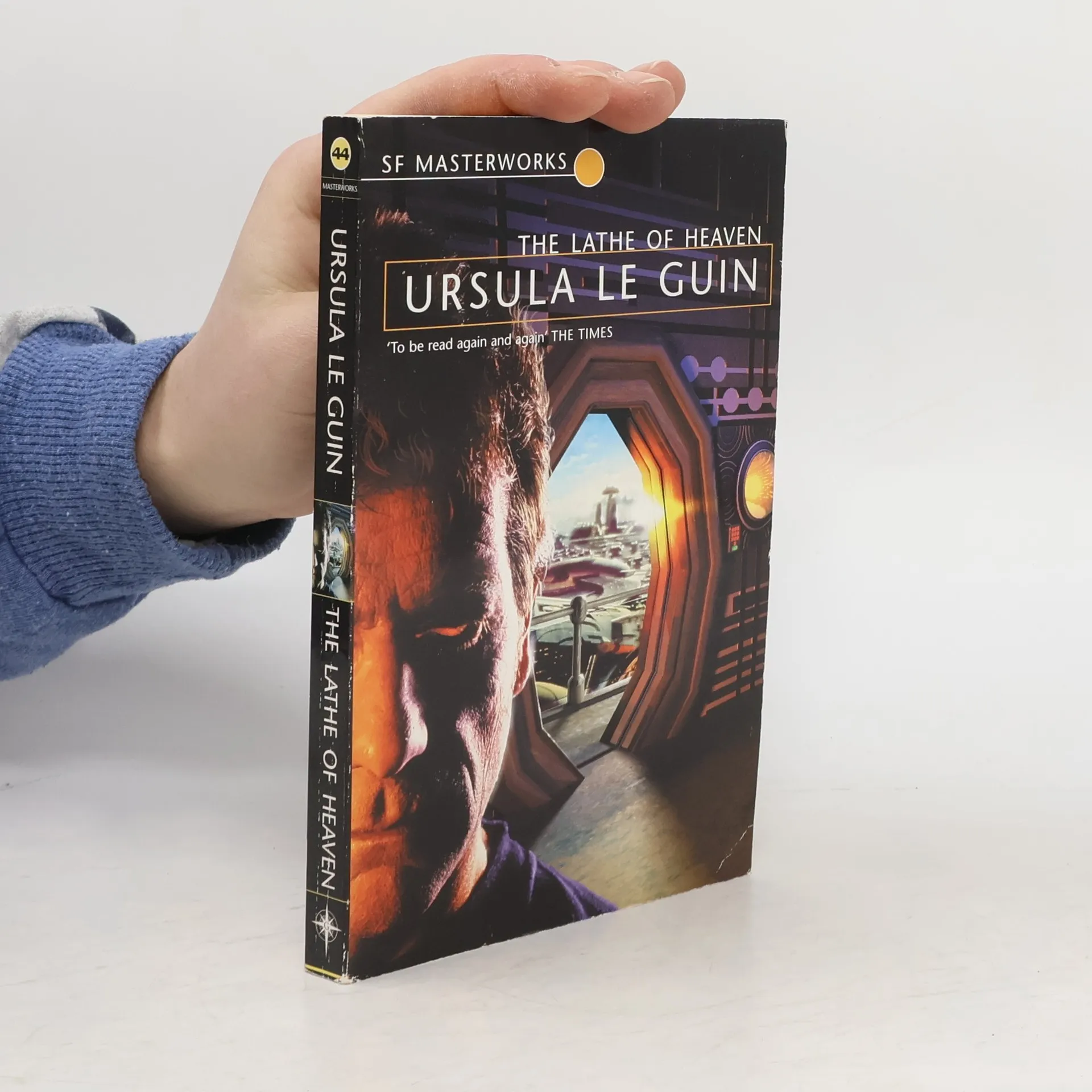
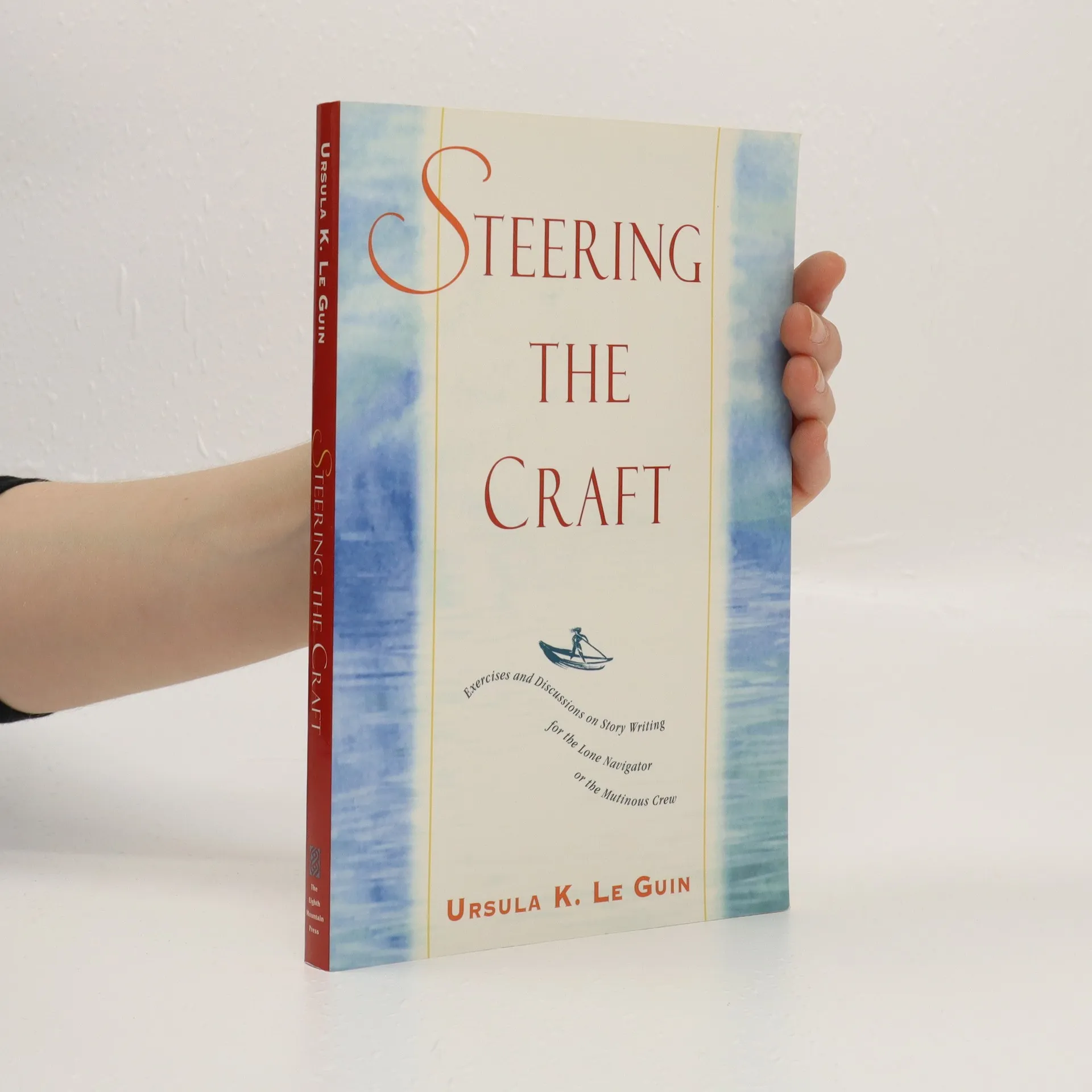
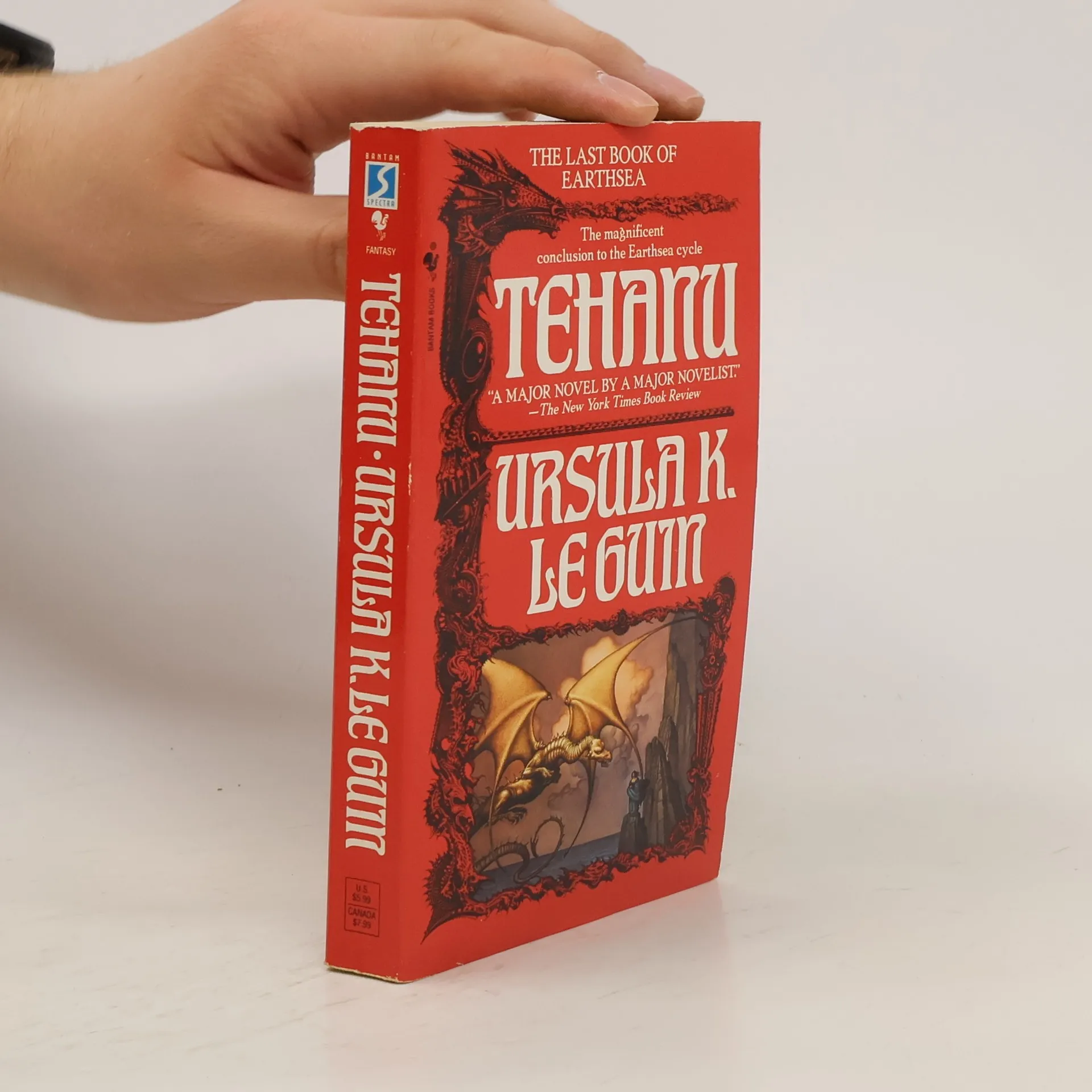
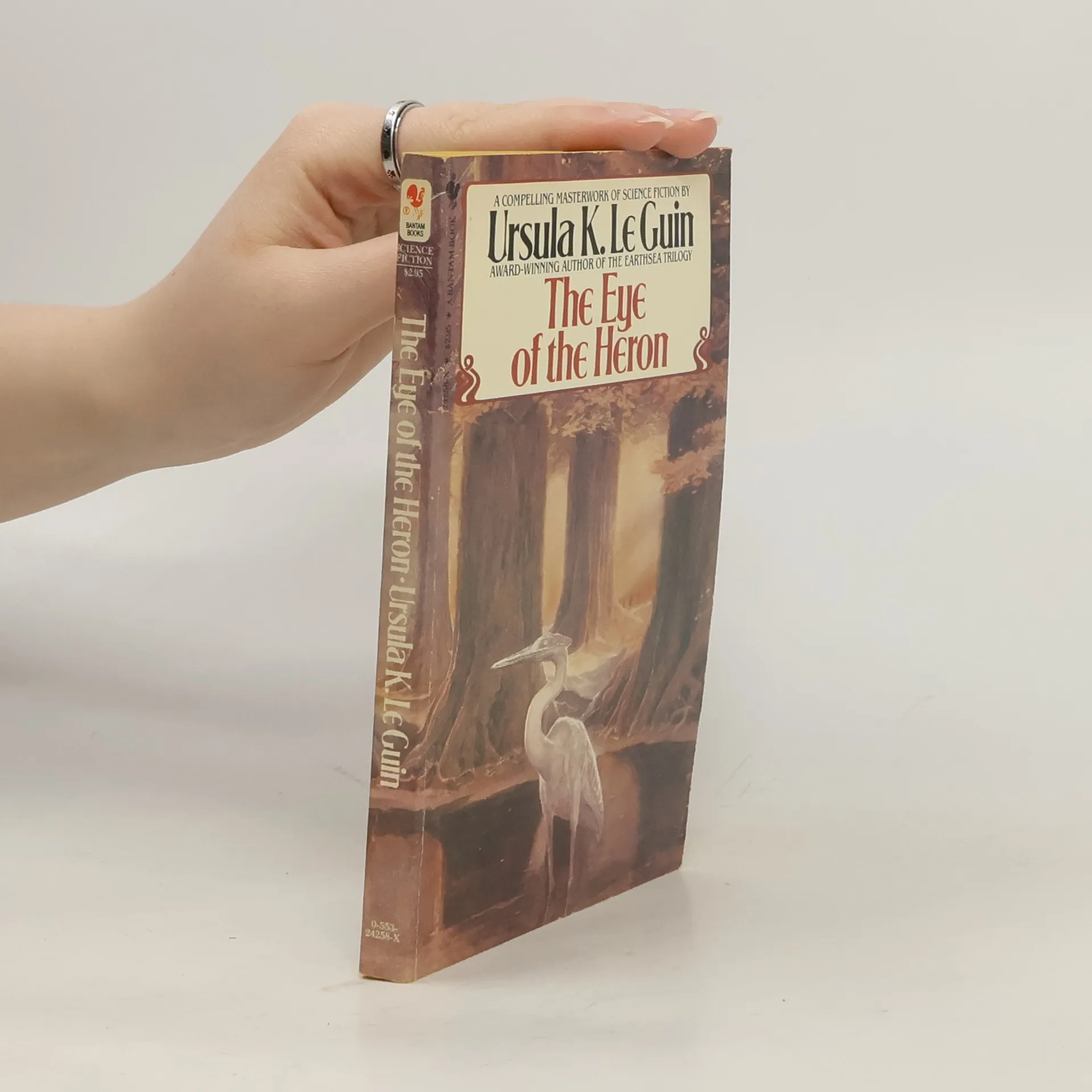
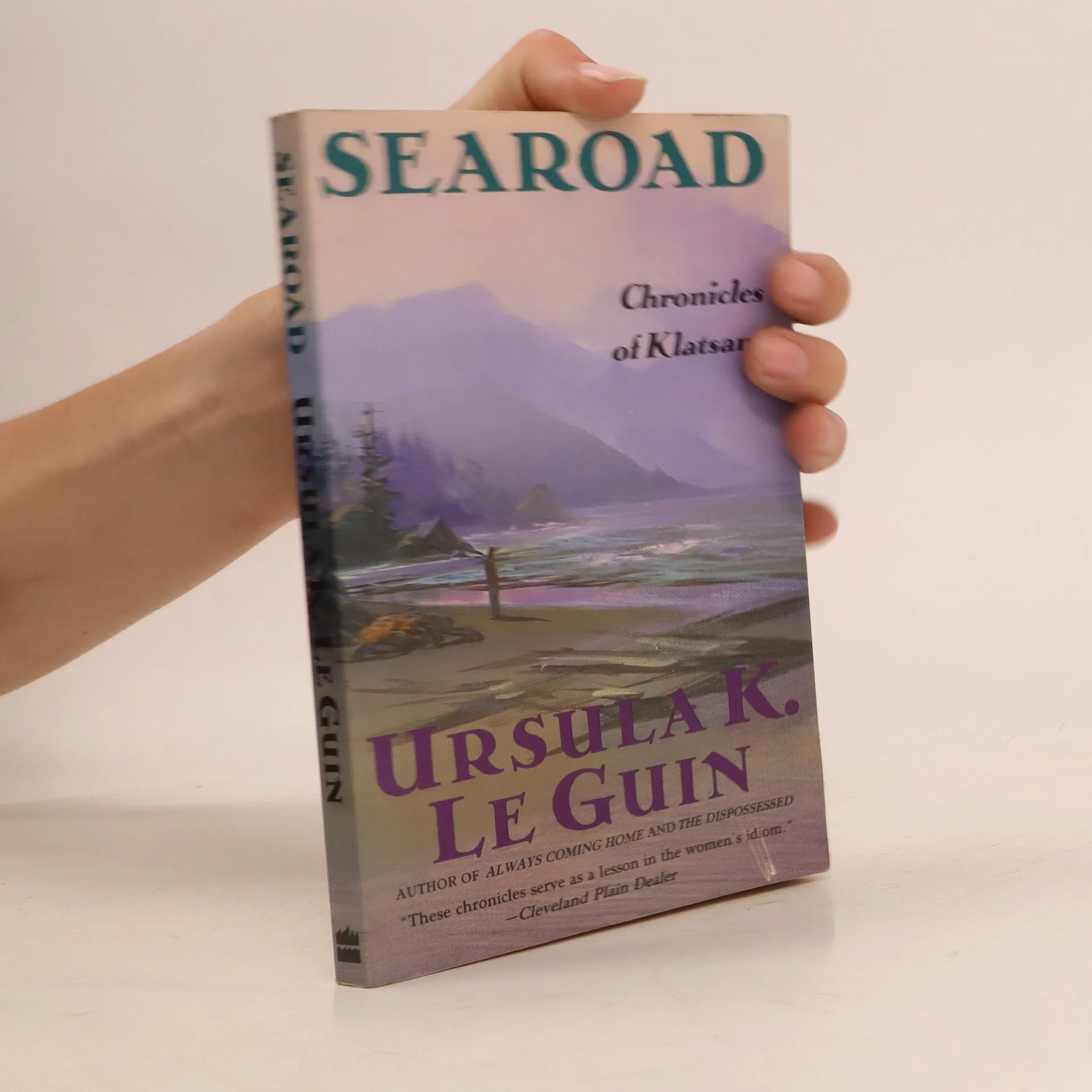
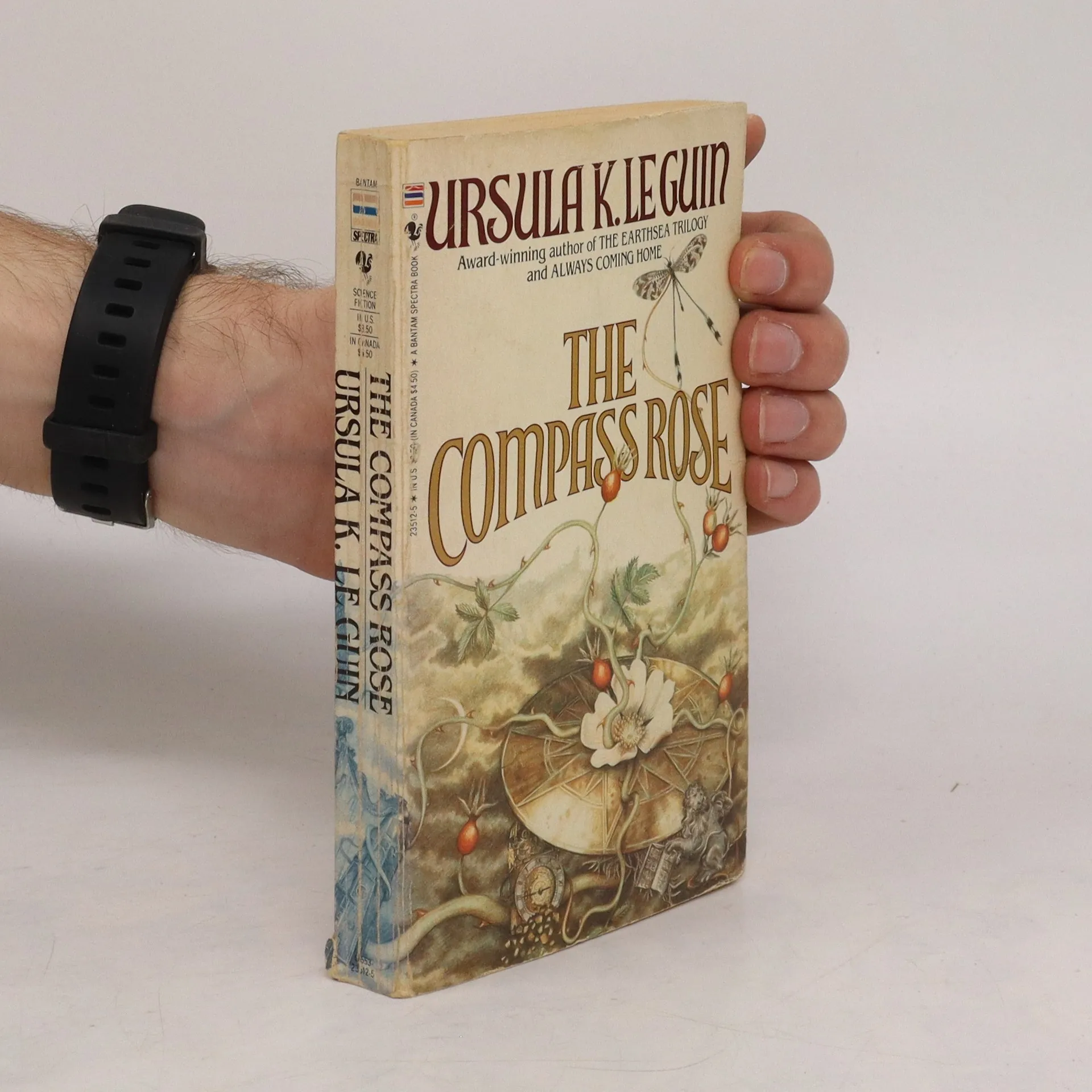
Po raz pierwszy w jednym tomie!"Sześć światów" Hain Ursuli K. Le Guin to jeden
z najznakomitszych cykli literatury science fiction. Akcja rozgrywa się w
świecie Ekumeny, w której Liga Wszystkich Światów jednoczy planety zasiedlone
przez potomków starożytnej rasy Hain. W skład zbioru wchodzą:... číst celé
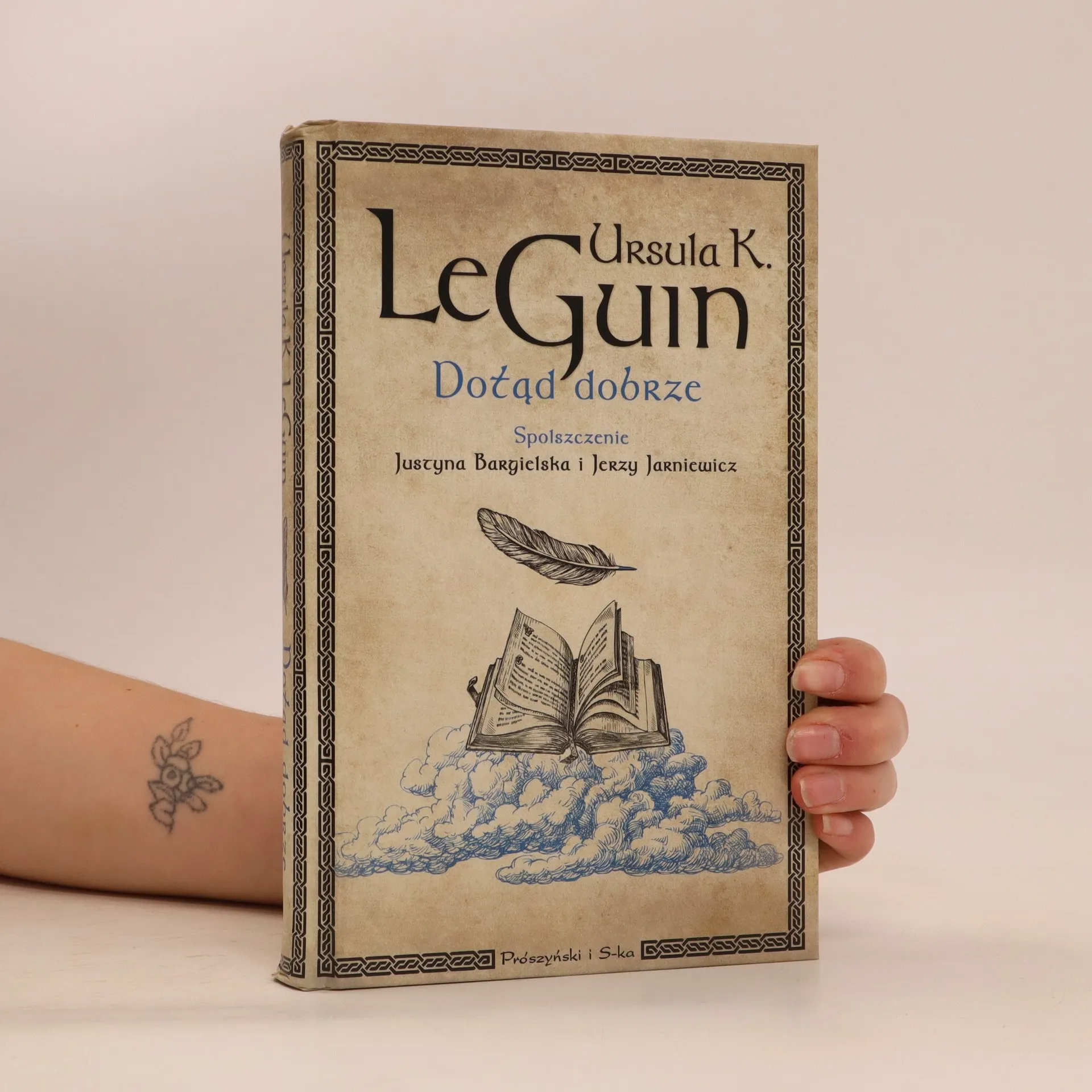
Legendarną autorkę Ursulę K. Le Guin podziwiały miliony za jej przełomowe powieści science fiction, ale zaczynała jako poetka. Le Guin pisała w różnych gatunkach przez całą swoją karierę, a poezja była dla niej podstawowym sposobem wyrazu, oferującym czytelnikom bliskie i intymne odkrywanie jej głosu. W tej klarownej i wzniosłej kolekcji, ukończonej tuż przed jej śmiercią w 2018 roku, Le Guin nie waha się stawić czoła śmiertelności i pełna jest zdumienia dla tajemnic, które ją otaczają. Przeniknięta bujnym pięknem natury Północno-Zachodniego Pacyfiku, z bogatymi dźwiękami, które zabawnie echo mitów i rymowanek, Dotąd dobrze z miłością oddaje hołd wspomnieniom, przyjaźniom i ponadczasowym pytaniom, które tworzyły spektakularne i hojne życie. Z głęboką mądrością i nieustępliwą lekkością, prawdziwa literacka bohaterka zamyka długą, odważną i płodną karierę.
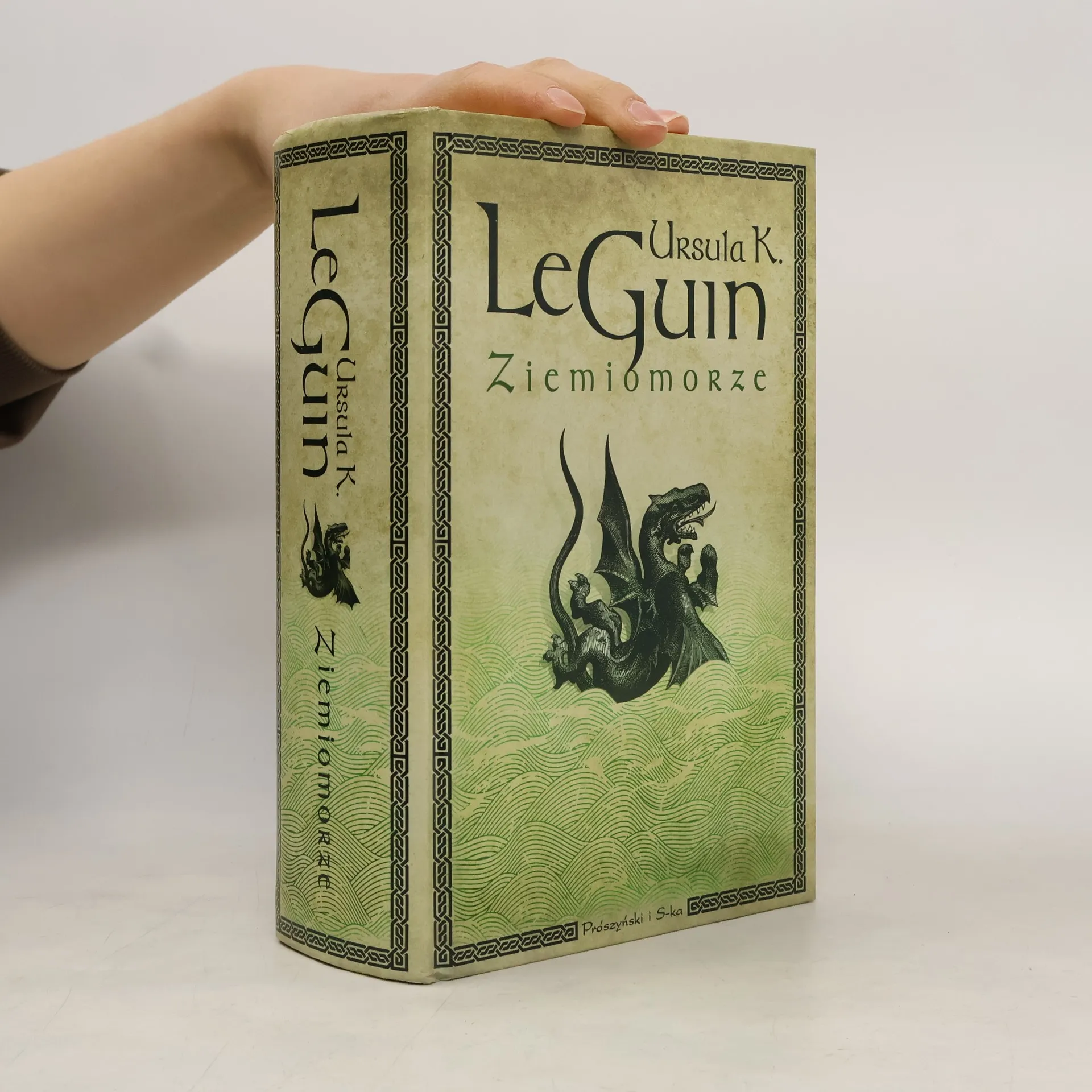
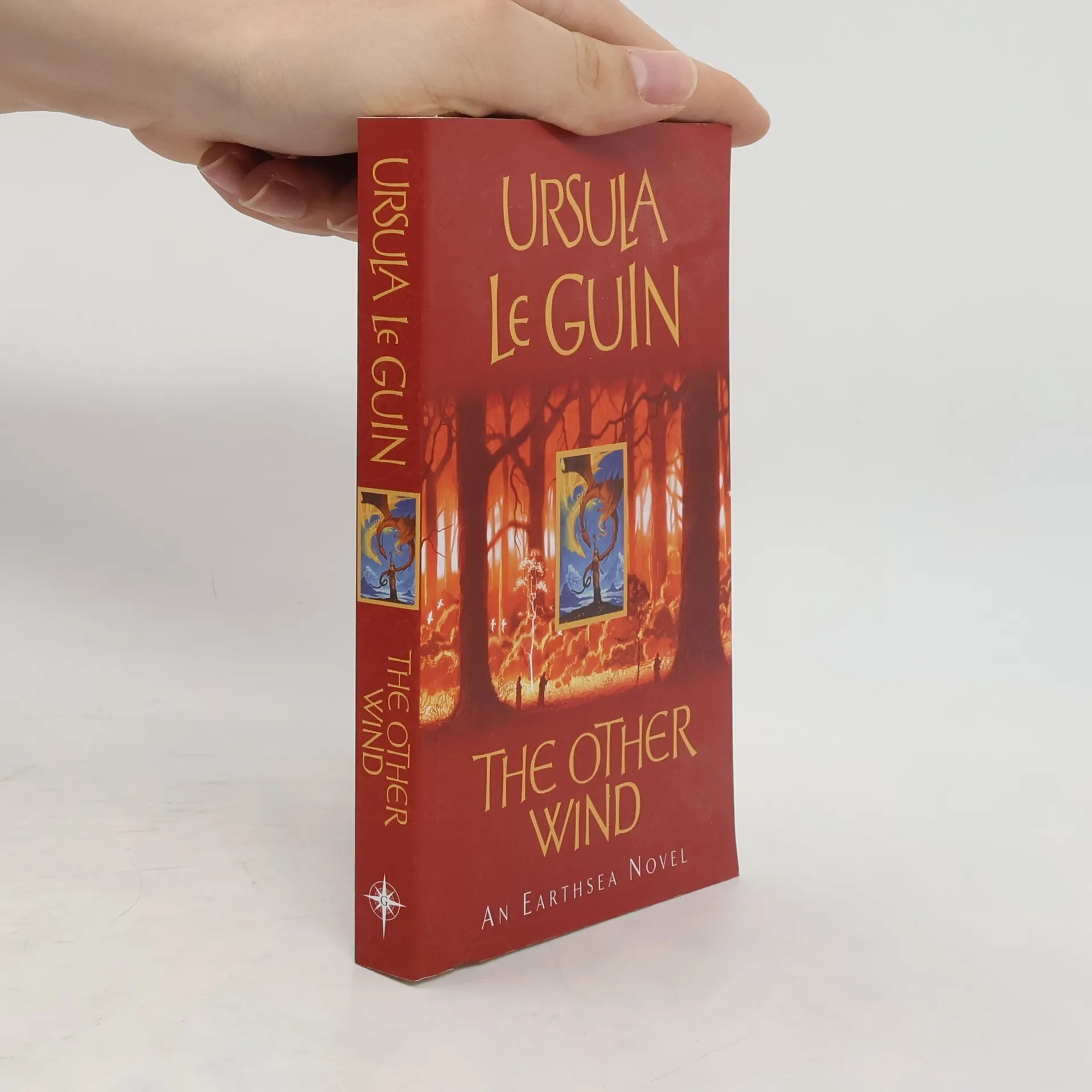
Po raz pierwszy w jednym tomie! ?Ziemiomorze? Ursuli K. Le Guin to jeden z
najznakomitszych cykli literatury fantasy, por�wnywany z dziełami J.R.R.
Tolkiena czy C.S. Lewisa. Opisuje malowniczy świat pełen wysp, smok�w i
tajemnic, w kt�rym najważniejsza jest r�wnowaga między tworzącymi go siłami.
Gł�wnym bohaterem serii jest czarnoksiężnik Ged; poszczeg�lne części
opowiadają jego losy ? od najmłodszych lat i pierwszych krok�w stawianych w
świecie magii, aż po czasy gdy zaczęła się ona stawać niebezpiecznym
narzędziem w rękach zła. Ged, kt�rego Ziemiomorze na zawsze zapamięta jako
Krogulca, zostaje wysłany na wyspę Roke, aby tam zgłębiać czarnoksięską
sztukę. Jest obdarzony niezwykłymi magicznymi zdolnościami, więc po latach
nauki zostaje Arcymagiem, kt�ry będzie musiał pom�c Najwyższej Kapłance
Archipelagu ? Tenar ? uciec z labiryntu ciemności. Niestety, wraz z upływem
lat r�wnowaga Ziemiomorza zacznie się chwiać coraz bardziej, a prawdziwa magia
i pradawne zwyczaje coraz częściej wykorzystywane będą przez mroczne siły zła
i śmierci?
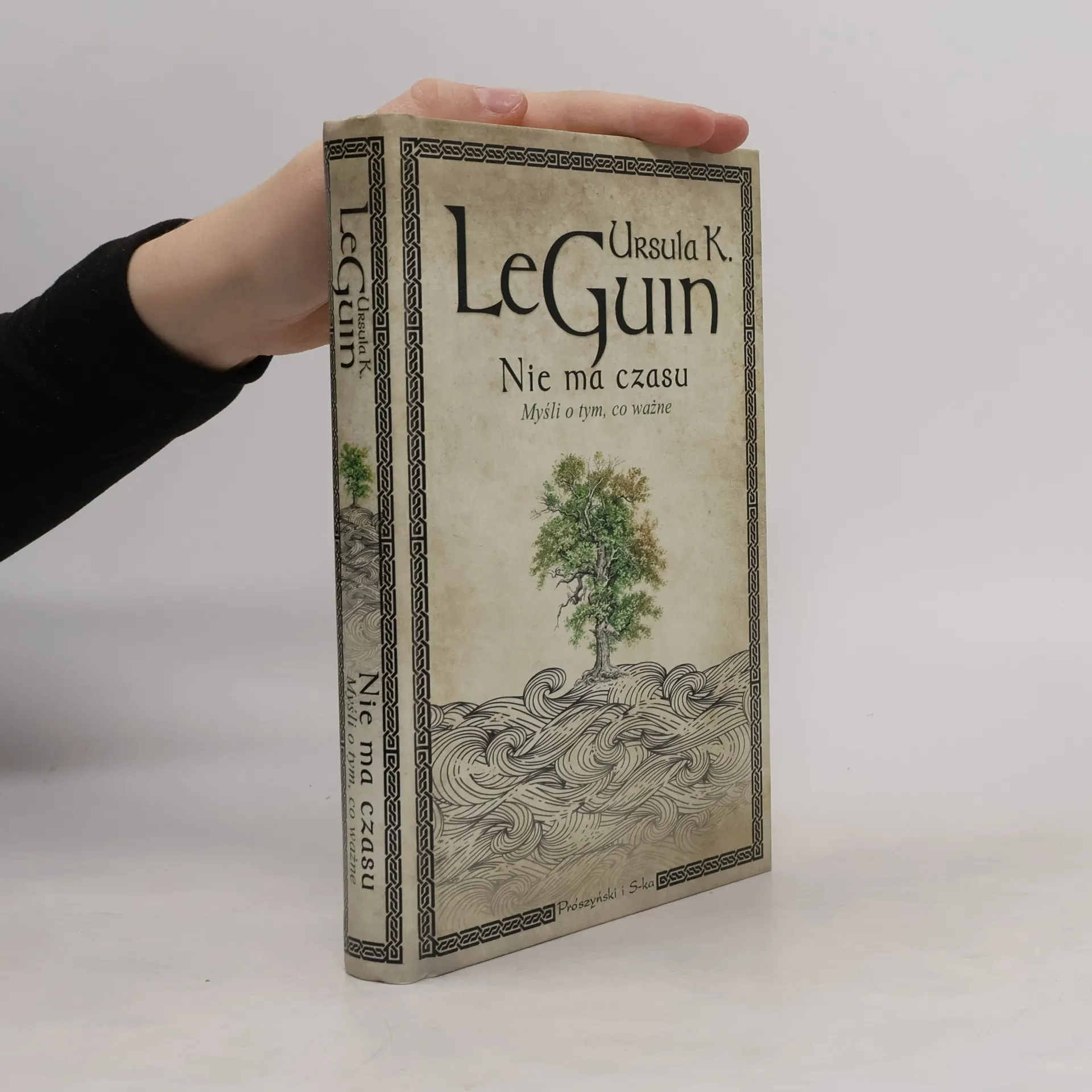
Nagroda HUGO 2017. Ursula K. Le Guin o absurdzie, jakim jest zaprzeczanie własnej starości: Jeśli mam dziewięćdziesiąt lat, a wierzę, że mam czterdzieści pięć, sama proszę o trudne chwile przy wychodzeniu z wanny. O kulturowej percepcji fantasy: Kierunkiem ucieczki zawsze jest wolność. A zatem, o co właściwie oskarża ‘eskapizm’? O śniadaniu: Jedzenie jajka ze skorupki wymaga nie tylko praktyki, ale i stanowczości, nawet odwagi, być może gotowości popełnienia przestępstwa. Ursula K. Le Guin od dziesięcioleci prowadziła czytelników do wyobrażonych światów. Teraz stanęła na ostatniej wielkiej granicy życia: starości. Bada nowe terytorium literackie: blog, forum, gdzie jej opinie błyszczą pełnym blaskiem - ostre, inteligentne, równie krytyczne co pełne współczucia. Nie ma czasu to zbiór najlepszych sieciowych tekstów Le Guin, prezentujących perfekcyjnie krystaliczne przemyślenia o tym, co teraz jest dla niej istotne, jej troski, jej niegasnący zachwyt i zadziwienie naszym światem: Jak bogaci jesteśmy w tę wiedzę, i we wszystko wokół nas, czego jeszcze możemy się nauczyć. Jesteśmy miliarderami, co do jednego.
Klasyka powieści fantasy! Opowieść o naukach pobieranych przez młodzieńca z
wymyślonej krainy u mędrców, którzy posiedli kunszt czarnoksięski. Zarazem
jest to opowieść realistyczna o kształtowaniu się osobowości, dorastaniu wśród
przeciwieństw, o tym, jak zapalczywa lekkomyślność przeradza się w dojrzałość.
Jest to, wreszcie, przypowieść o tym, jak – nie czując upadlającego strachu –
pogodzić się z myślą o śmierci. „Czarnoksiężnik z Archipelagu” to pierwsza
część czterotomowego cyklu „Ziemiomorze” Ursuli K. Le Guin, przez znawców
zgodnie obwołanego arcydziełem światowej literatury fantasy. Ursula K. Le Guin
(1929–2018) nazywana jest królową światowej fantastyki. Była córką znanego
antropologa Alfreda L. Kroebera i badaczki indiańskiego folkloru Theodory
Kroeber. Le Guin z domu wyniosła znajomość rytuałów, obrzędów i szamańskich
praktyk, a także szacunek wobec kulturowej odmienności. Miało to ogromny wpływ
na jej twórczość, utrzymaną w konwencji science fiction i fantasy. Opowieści
pisarki są wysoko cenione również poza kręgiem miłośników tych gatunków
(„Czarnoksiężnik z Archipelagu” od lat znajduje się na liście lektur
szkolnych). Obok bardzo sugestywnych wizji rzeczywistości zawierają one
niezwykle interesujące portrety psychologiczne bohaterów oraz niebanalne
przesłania. Książki Ursuli K. Le Guin przekładali m.in. Stanisław Barańczak,
Paulina Braiter i Piotr Cholewa.
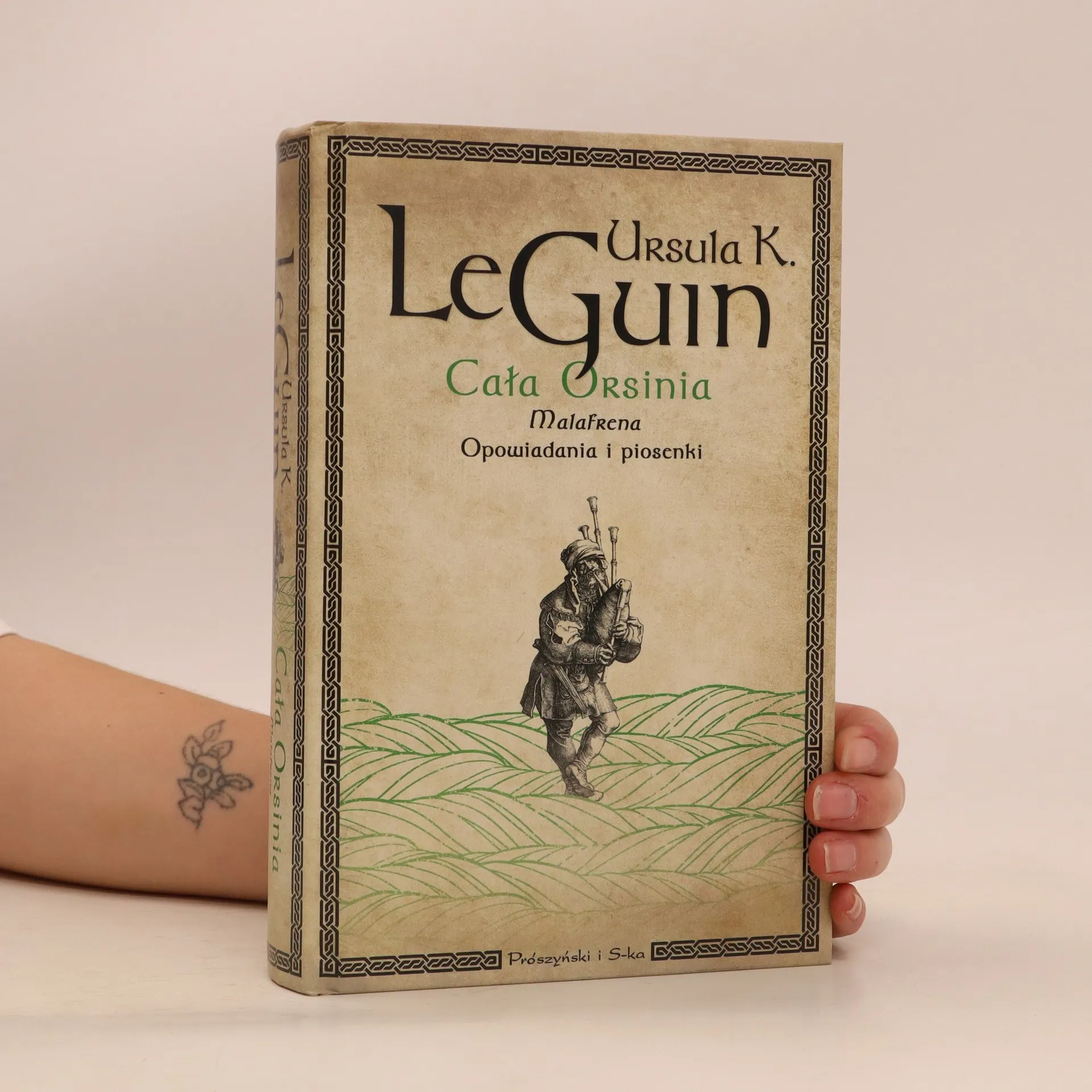
Na Całą Orsinię składają się wszystkie teksty Ursuli K. Le Guin osadzone w Orsinii: powieść Malafrena (1979), trzy piosenki, zbiór opowiadań Opowieści orsiniańskie (1976) oraz dwa dodatkowe opowiadania.Pomysł kraju zwanego Orsinią przyszedł Ursuli Le Guin do głowy w 1949 roku podczas studiów w Radcliffe. Kolejne teksty cyklu powstawały w późniejszych latach, publikowane były w różnych zbiorach opowiadań oraz w tygodniku "The New Yorker".
Ostatnia powieść królowej fantastyki! Lawinia, księżniczka Lacjum, pragnie spokoju, lecz jej marzenia burzy polityka i matka, Amata, która chce zaręczyć ją z przystojnym Turnusem. Na drodze do małżeństwa staje przepowiednia: Lawinia ma poślubić cudzoziemca, który zapoczątkuje okrutną wojnę i w niej zginie. W tym czasie do Italii przybywają uciekinierzy z wojennej Troi, wśród nich tajemniczy Eneasz. Zainspirowana „Eneidą”, ta opowieść to jedna z najbardziej wyjątkowych historii Ursuli K. Le Guin, która oddaje głos Lawinii, współzałożycielce przyszłego imperium, która w dziele Wergiliusza nie wypowiedziała ani słowa. Autorka „Ziemiomorza” w mistrzowski sposób opisuje jej pełne namiętności i okrucieństwa losy, ukazując liryczne piękno narracji. Ursula K. Le Guin (1929–2018), nazywana królową światowej fantastyki, była córką znanego antropologa i badaczki folkloru, co miało wpływ na jej twórczość w konwencji science fiction i fantasy. Jej opowieści, cenione również poza kręgiem miłośników tych gatunków, zawierają interesujące portrety psychologiczne bohaterów oraz niebanalne przesłania. Książki Le Guin przekładali m.in. Stanisław Barańczak i Paulina Braiter.
Powieść opisuje wczesny okres istnienia Ekumeny. Bohaterem jest kosmoetnograf,
którego statek zostaje zniszczony przez wrogów Ligi Światów. Rocannon angażuje
mieszkańców planety, wybierając się z nimi na awanturniczą wyprawę, mającą na
celu zniszczenie bazy agresorów. Podczas niej odkrywa w sobie nieznany
wcześniej dar telepatii.
"For the first time, all of Ursula K. Le Guin's Hainish novels and stories are brought together in a single edition, complete and with new introductions by the author. Beginning in the 1960s and 70s, these remarkable works redrew the map of modern science fiction. In such visionary masterworks as the Nebula and Hugo Award winners The Left Hand of Darkness and The Dispossessed, Le Guin imagined a galactic confederation of human colonies founded by the planet Hain--an array of worlds whose divergent societies was the result of both evolution and genetic engineering."-- Publisher's website
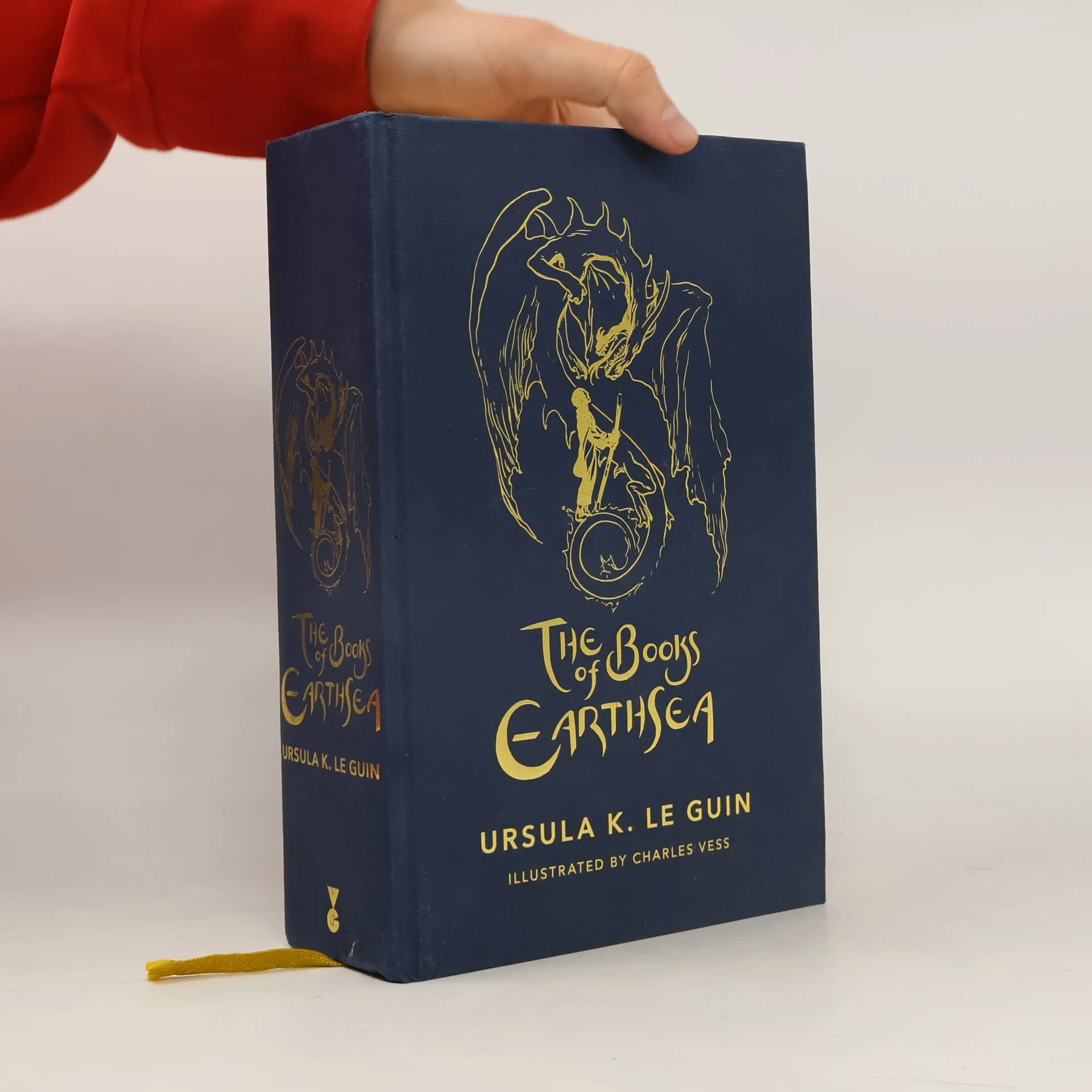
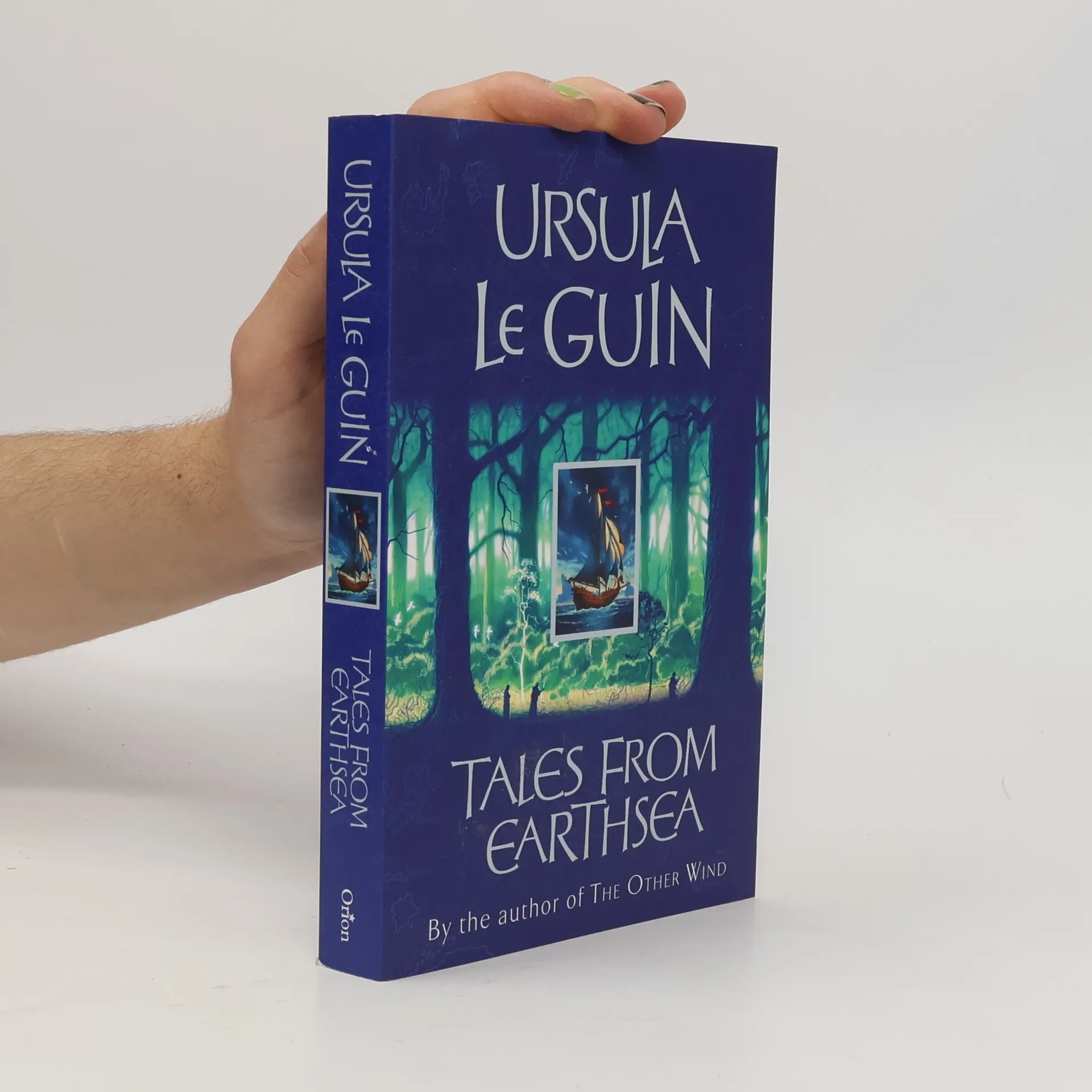
Celebrate the 50th anniversary of the timeless and beloved A Wizard of
Earthsea. Includes six novels, short stories and non-fiction, and with over
fifty illustrations by Charles Vess
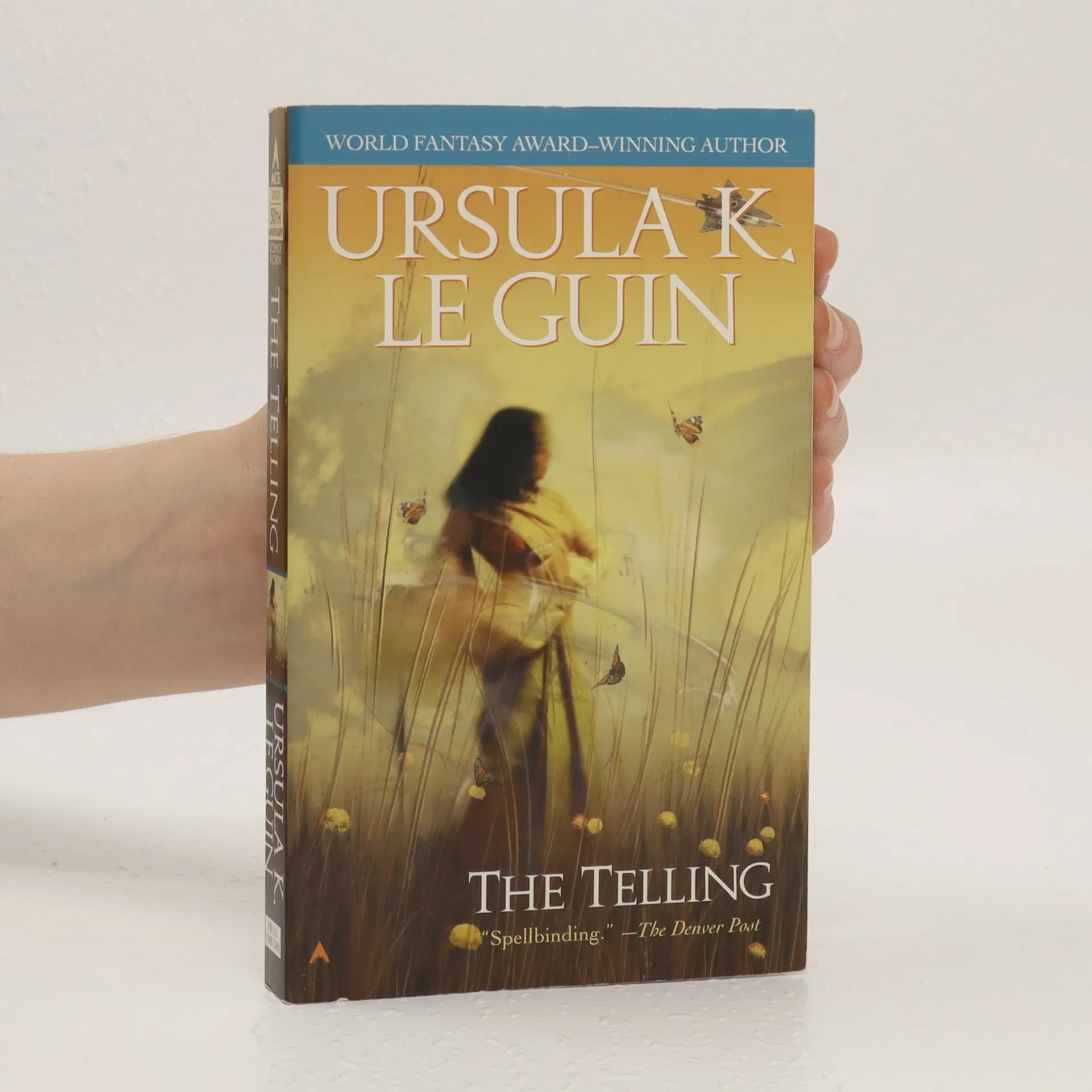
Exploring themes of colonization and cultural suppression, this collection features Ursula K. Le Guin's final two Hainish novels, alongside seven short stories and the complete "Five Ways to Forgiveness." "The Word for World Is Forest" addresses the exploitation of a planet's resources by Earth, while "The Telling" reveals a society that has erased its cultural identity. Included are new introductions by Le Guin and a vibrant chart detailing the known worlds of Hainish descent, showcasing her profound impact on science fiction.
In The Carrier Bag Theory of Fiction, visionary author Ursula K. Le Guin retells the story of human origin by redefining technology as a cultural carrier bag rather than a weapon of domination. Hacking the linear, progressive mode of the Techno-Heroic, the Carrier Bag Theory of human evolution proposes: 'before the tool that forces energy outward, we made the tool that brings energy home.' Prior to the preeminence of sticks, swords and the Hero's long, hard, killing tools, our ancestors' greatest invention was the container: the basket of wild oats, the medicine bundle, the net made of your own hair, the home, the shrine, the place that contains whatever is sacred. The recipient, the holder, the story. The bag of stars. This influential essay opens a portal to terra ignota: unknown lands where the possibilities of human experience and knowledge can be discovered anew. With a new introduction by Donna Haraway, the eminent cyberfeminist, author of the revolutionary A Cyborg Manifesto and most recently, Staying with the Trouble and Manifestly Haraway. With images by Lee Bul, a leading South Korean feminist artist who had a retrospective at London's Hayward Gallery in 2018.
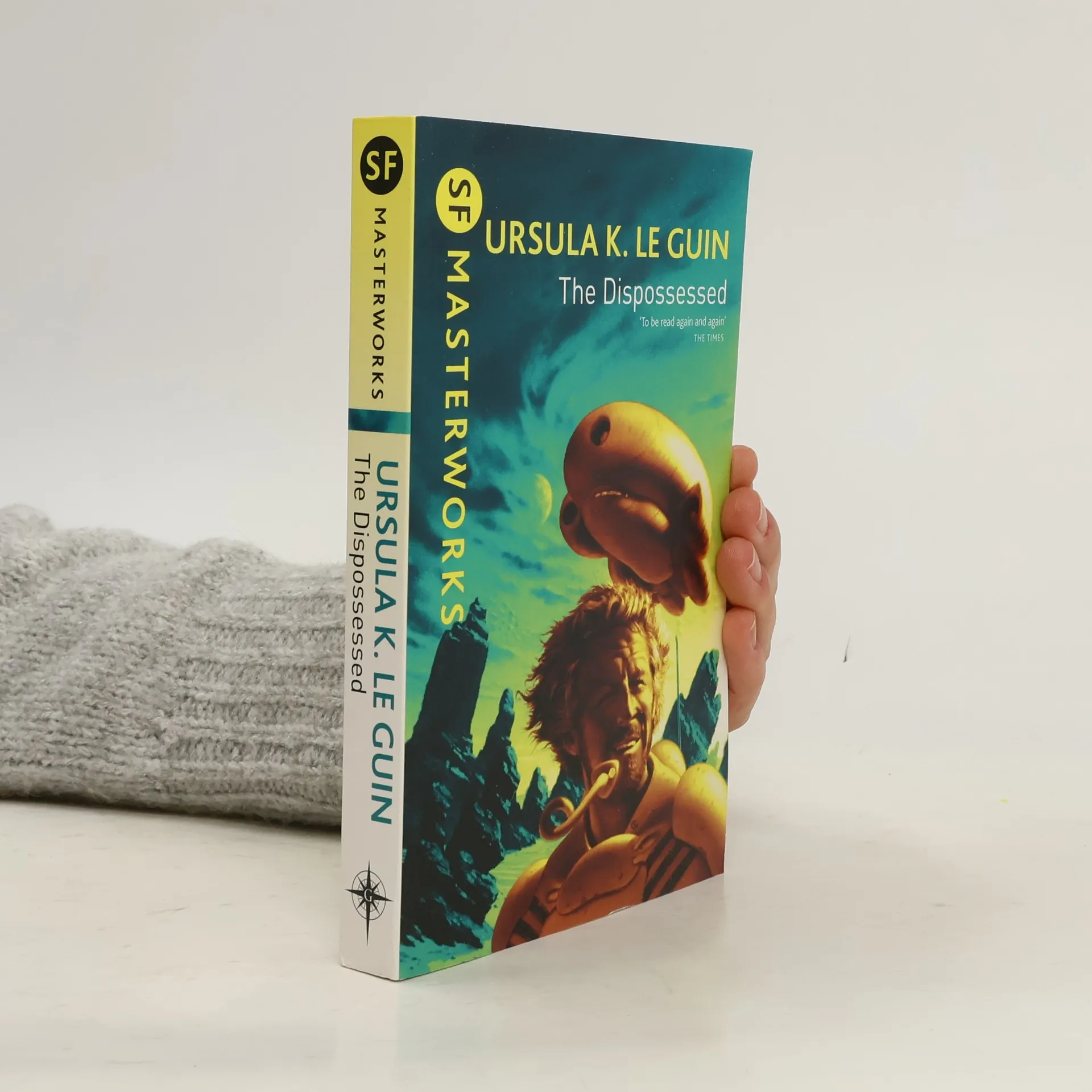
The Principle of Simultaneity is a scientific breakthrough which will revolutionize interstellar civilization by making possible instantaneous communication. It is the life work of Shevek, a brilliant physicist from the arid anarchist world of Anarres. But Shevek's work is being stifled by jealous colleagues, so he travels to Anarres's sister-planet Urras, hoping to find more liberty and tolerance there. But he soon finds himself being used as a pawn in a deadly political game.
"This fifth volume in the definitive Library of America edition of Ursula K. Le Guin's work presents a trilogy of coming-of-age stories set in the Western Shore, a world where young people find themselves struggling not just against racism, prejudice, and slavery, but with mysterious and magical gifts. Includes Gifts, Voices, and Powers"-- Provided by publisher
Now in paperback: a set of very personal perspectives on America's most divisive social issue, from 25 well-known writers, performers, and others, including Rita Moreno, Margot Kidder, Ursula K. LeGuin, and Linda Ellerbee. Together they reveal the intensely personal nature of the decision and the harm that results from restricting that choice.
A rich, poetic, and socially relevant version of the great spiritual-philosophical classic of Taoism, the Tao Te Ching—from a legendary literary icon Most people know Ursula K. Le Guin for her extraordinary science fiction and fantasy. Fewer know just how pervasive Taoist themes are to so much of her work. And in Lao Tzu: Tao Te Ching, we are treated to Le Guin’s unique take on Taoist philosophy’s founding classic. Le Guin presents Lao Tzu’s time-honored and astonishingly powerful philosophy like never before. Drawing on a lifetime of contemplation and including extensive personal commentary throughout, she offers an unparalleled window into the text’s awe-inspiring, immediately relatable teachings and their inestimable value for our troubled world. Jargon-free but still faithful to the poetic beauty of the original work, Le Guin’s unique translation is sure to be welcomed by longtime readers of the Tao Te Ching as well as those discovering the text for the first time.
'A magic of words' Neil GaimanSet in the same universe as The Left Hand of
Darkness and The Dispossessed, these five linked stories follow far-future
human colonies living in the distant solar system. Here is the complete suite
of five linked stories from Ursula K. Le Guin's acclaimed Hainish series,
which tells the history of the Ekumen, the galactic confederation of human
colonies founded by the planet Hain. First published as Four Ways to
Forgiveness, and now joined by a fifth story, the tales focus on the twin
planets Werel and Yeowe - two worlds whose peoples, long known as owners and
assets, together face an uncertain future after civil war and revolution. A
retired science teacher must make peace with her new neighbour, a disgraced
revolutionary leader. A female official from the Ekumen arrives to survey the
situation on Werel and struggles against its rigidly patriarchal culture. The
coming of age of Havzhiva, an Ekumen ambassador to Yeowe, is Le Guin's most
sustained description of the Ur-planet Hain. Rakam, born an asset on Werel,
must twice escape from slavery to freedom. And a charismatic Hainish embassy
worker, who appears in two of the four original stories, returns for a tale of
his own. 'As good as any contemporary at creating worlds, imaginary or our
own' TIME Magazine
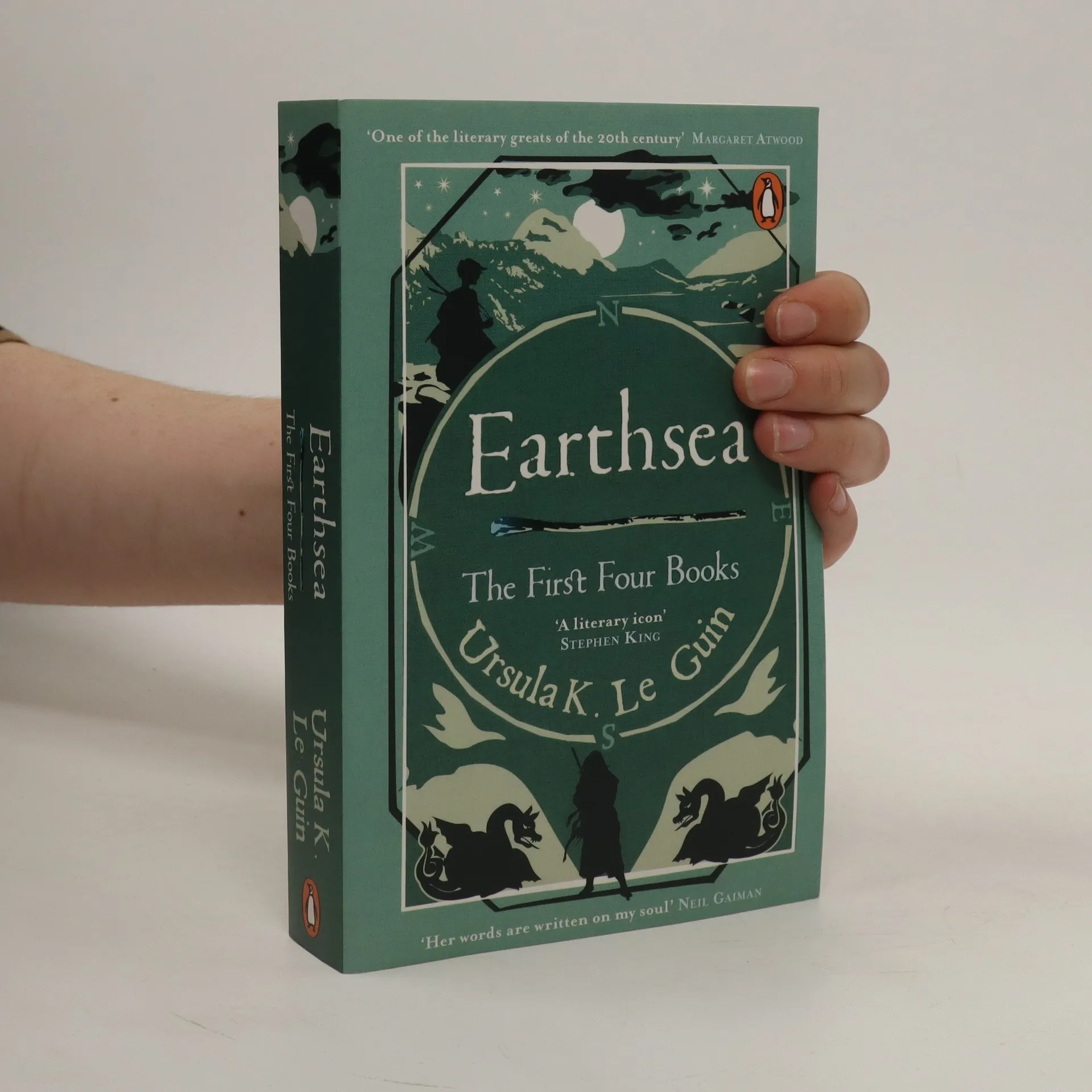
As a young dragonlord, Ged, whose use-name is Sparrowhawk, is sent to the island of Roke to learn the true way of magic. A natural magician, Ged becomes an Archmage and helps the High Priestess Tenar escape from the labyrinth of darkness. But as the years pass, true magic and ancient ways are forced to submit to the powers of evil and death.
Ursula K. Le Guin's poetry encapsulates themes of freedom, human bravery, and the intricacies of nature, reflecting her lifelong exploration of creativity. This definitive volume brings together her verse, from her first collection, Wild Angels, to her last, So Far So Good, along with sixty-eight previously uncollected poems. The edition includes a new introduction by Harold Bloom and selections of her prose on poetry, offering insight into her artistic journey and the profound ideas that permeate her work.
The Lathe of Heaven / The Eye of the Heron / The Beginning Place / Searoad / Lavinia
1000 stron
35 godzin czytania
Exploring the transformative power of dreams and alternate realities, this collection showcases five standalone novels by a pivotal figure in American speculative fiction. From a revolution in a prison colony to young adventurers discovering a portal to a better world, each narrative offers unique insights into human experience. The interconnected stories in a small Oregon town reveal the lives of artists, while the final novel retells a classic epic through a woman's perspective. Enhanced by maps, essays, and a career chronology, this volume highlights the depth of Le Guin's work.
Featuring a new introduction by Ken Liu, this revised edition of Ursula K. Le Guin’s first full-length collection of essays covers her background as a writer and educator, on fantasy and science fiction, on writing, and on the future of literary science fiction. “We like to think we live in daylight, but half the world is always dark; and fantasy, like poetry, speaks the language of the night.” —Ursula K. Le Guin Le Guin’s sharp and witty voice is on full display in this collection of twenty-four essays, revised by the author a decade after its initial publication in 1979. The collection covers a wide range of topics and Le Guin’s origins as a writer, her advocacy for science fiction and fantasy as mediums for true literary exploration, the writing of her own major works such as A Wizard of Earthsea and The Left Hand of Darkness, and her role as a public intellectual and educator. The book and each thematic section are brilliantly introduced and contextualized by Susan Wood, a professor at the University of British Columbia and a literary editor and feminist activist during the 1960s and ’70s. A fascinating, intimate look into the exceptional mind of Le Guin whose insights remain as relevant and resonant today as when they were first published.
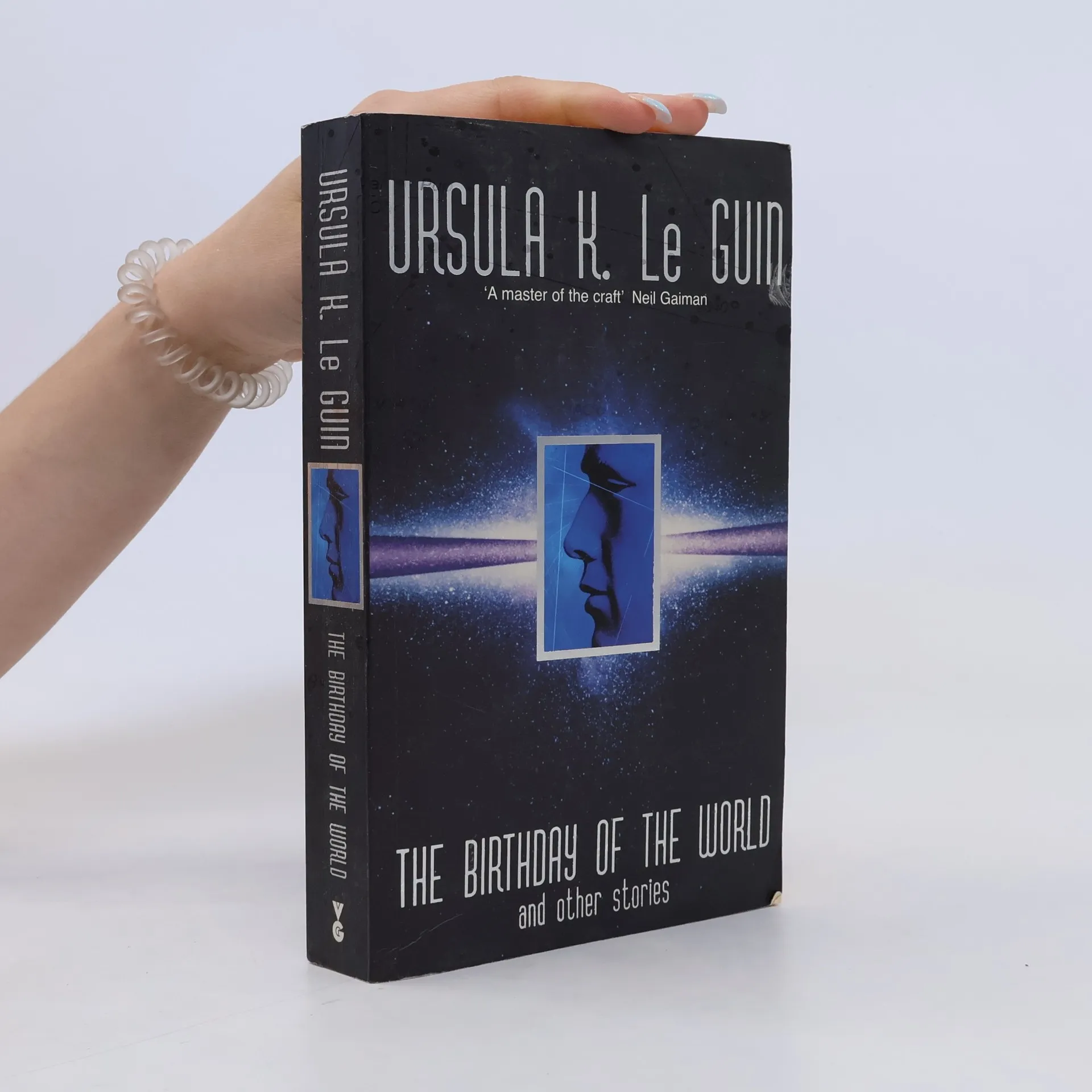
'Her most important book since ALWAYS COMING HOME and her most satisfactory collection since her first, the brilliant, THE WIND'S TWELVE QUARTERS. A formidable and rewarding work, a prime candidate for best SF collection of the year. An essential book.' LOCUS Six of the eight piece are set in Le Guin's classic Hainish cycle. The title story, 'The Birthday of the World', stands alone and the final piece, 'Paradises Lost', is a new short novel original to the collection, a major addition to the generation starship subgenre of science fiction.
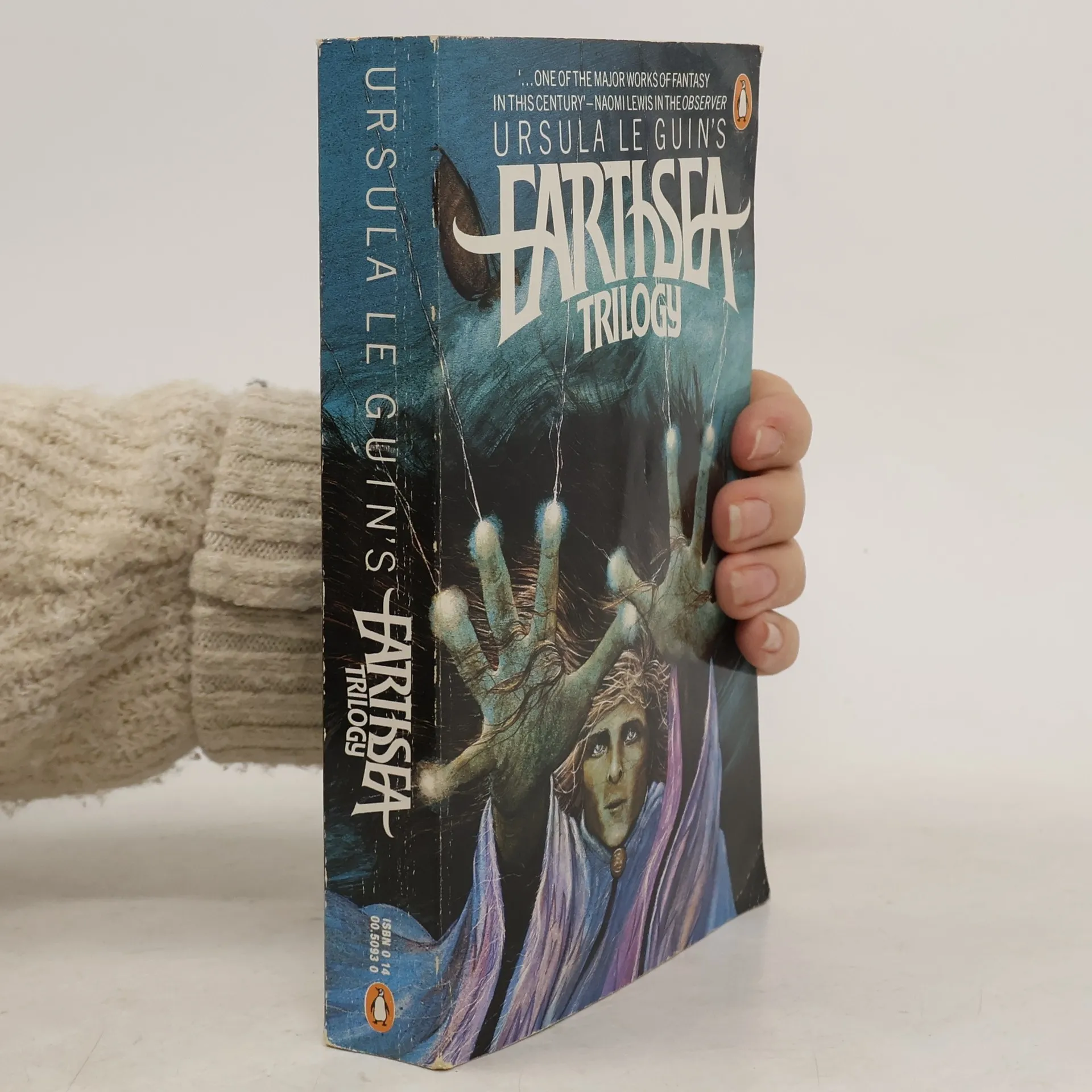
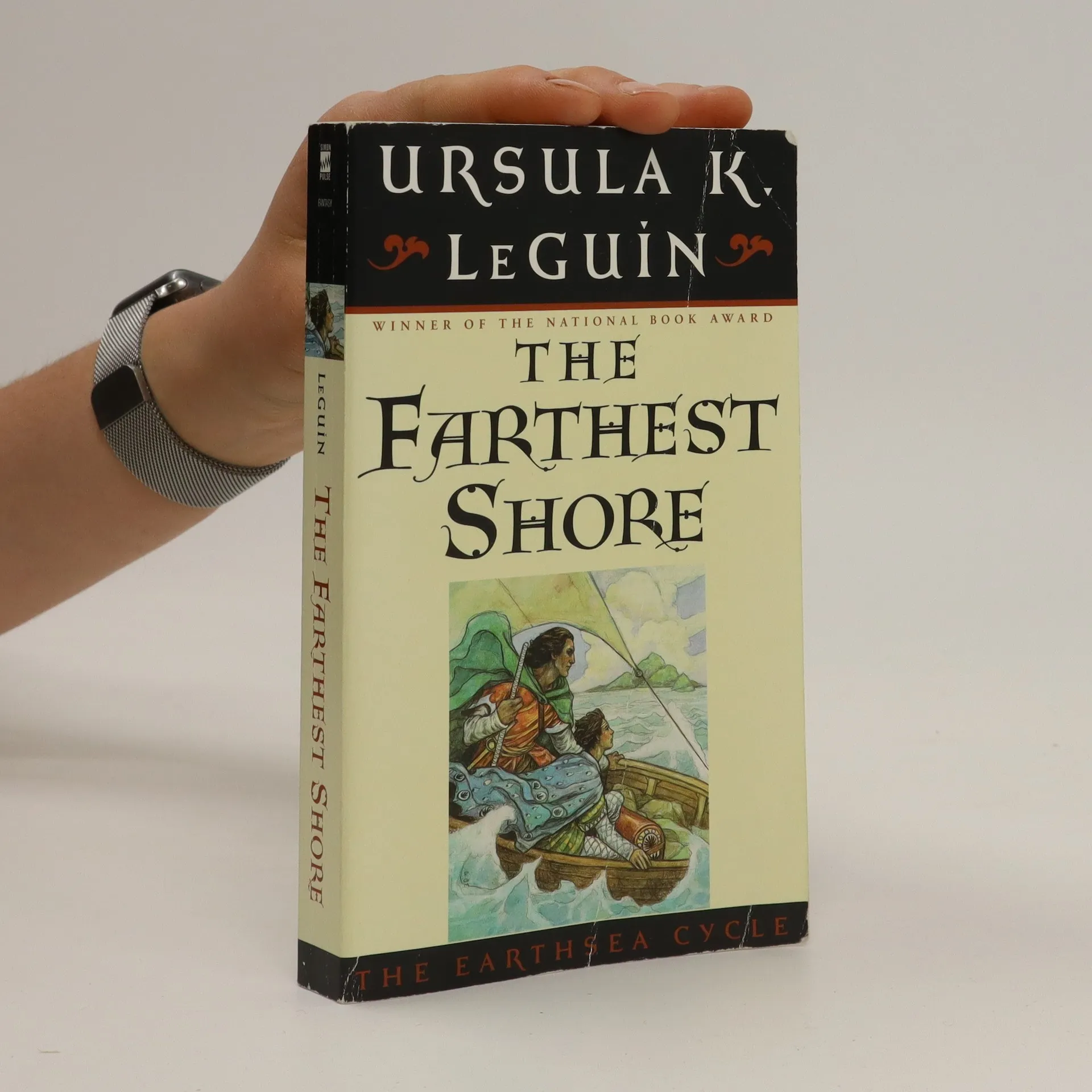
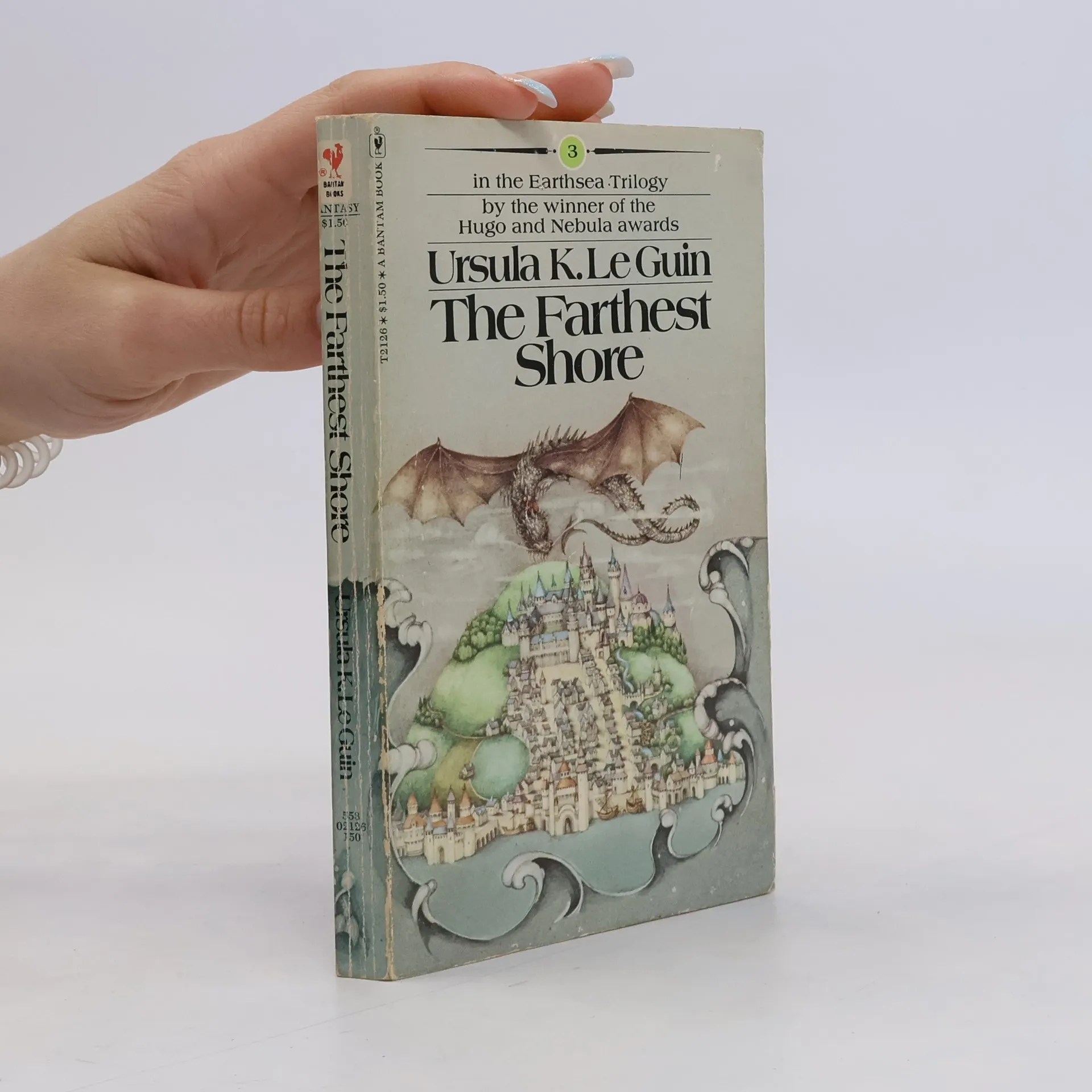
A Wizard of Earthsea; The Tombs of Atuan; The Farthest Shore - Complete and Unabridged
477 stron
17 godzin czytania
As long ago as forever and as far away as Selidor, there lived the dragonlord and Archmage, Sparrowhawk, the greatest of the great wizards - he who, when still a youth, met with the evil shadow-beast; he who later brought back the Ring of Erreth-Akbe from the Tombs of Atuan; and he who, as an old man, rode the mighty dragon Kalessin back from the land of the dead. And then, the legends say, Sparrowhawk entered his boat, Lookfar , turned his back on land, and without wind or sail or oar moved westward over the sea and out of sight. Wizard of Earthsea, The Tombs of Atuan, The Farthest Shore - Ursula Le Guin's brilliant and magical trilogy. Cover Illustration: Jonathan Field
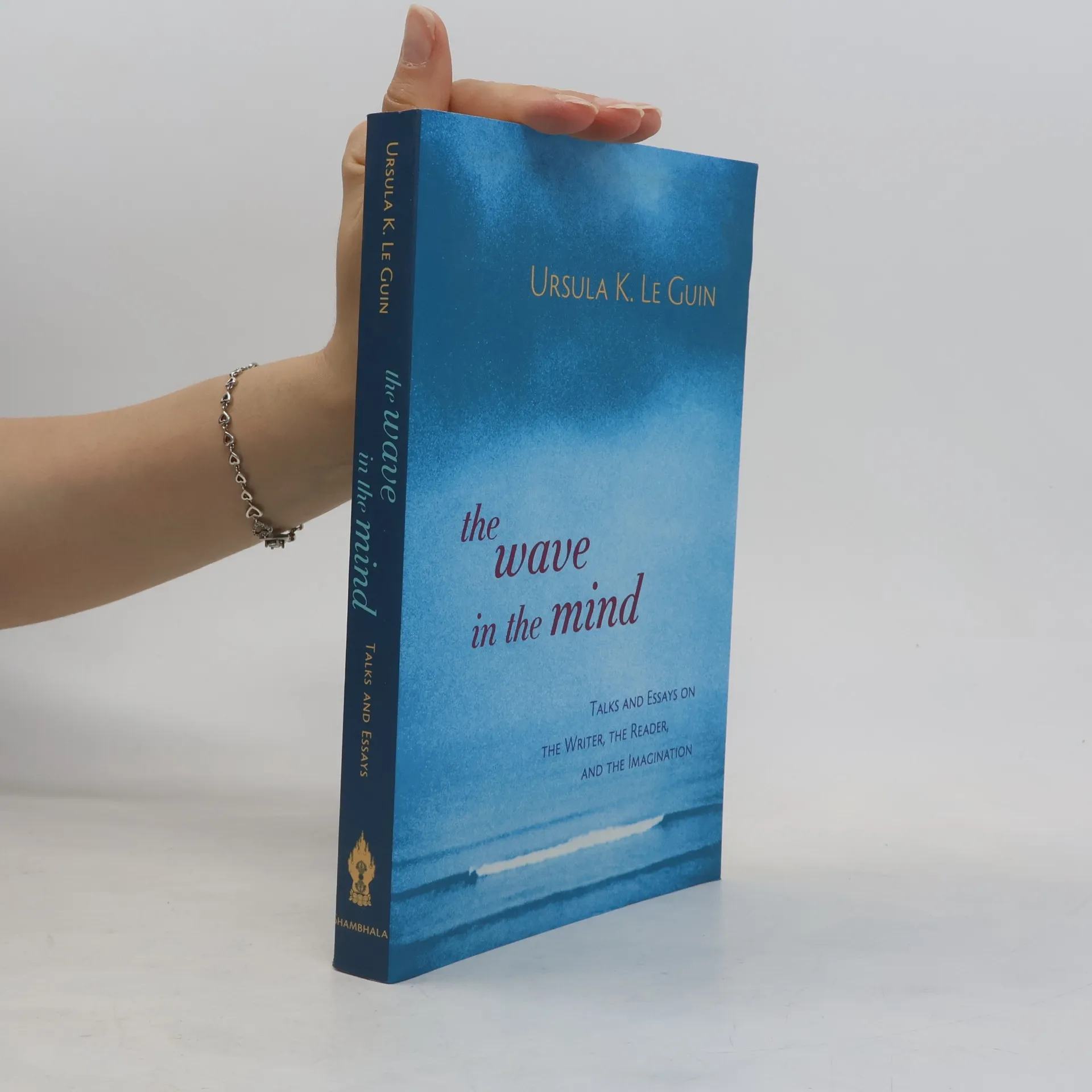
Ursula K. Le Guin explores a broad array of subjects, ranging from Tolstoy, Twain, and Tolkien to women's shoes, beauty, and family life. The Wave in the Mind includes some literary criticism, rare autobiographical writings, performance art pieces, and, most centrally, her reflections on the arts of writing and reading.
'Space Crone' brings together celebrated author Ursula K. Le Guin's writings on feminism and gender. Witness to the twentieth century's rebellions and upheavals, including women's liberation, the civil rights movement and anti-war and environmental activism, Le Guin continued to fight for social and environmental justice throughout her life. Famous for her experiments in imagining society where gender is irrelevant in novels such as 'The Left Hand of Darkness', Le Guin's feminism kept ahead of the times to reimagine gender in a non-essentialising way. 'Space Crone' shows the development of Le Guin's expansive, multi-layered and deeply radical feminist consciousness from its roots in her ecological, anti-war and anti-nuclear activism, to her self-education about racism and her writing about ageing
Exploring the significance of fantasy, Ursula K. Le Guin's collection of talks and essays delves into its role in countering the homogenization of contemporary life. She passionately advocates for fantasy as a means to escape the "reality trap," reflecting on her own childhood reading experiences and the broader implications of fantasy for individuals in the global twenty-first century. Through her insights, Le Guin emphasizes the essential nature of imaginative storytelling in understanding and navigating our complex world.
“Resistance and change often begin in art. Very often in our art, the art of words.” —Ursula K. Le Guin When she began writing in the 1960s, Ursula K. Le Guin was as much of a literary outsider as one can be: a woman writing in a landscape dominated by men, a science fiction and fantasy author in an era that dismissed “genre” literature as unserious, and a westerner living far from fashionable East Coast publishing circles. The interviews collected here—spanning a remarkable forty years of productivity, and covering everything from her Berkeley childhood to Le Guin envisioning the end of capitalism—highlight that unique perspective, which conjured some of the most prescient and lasting books in modern literature.
When Jane, a cat with wings, leaves the safety of her farm to explore the world, she falls into the hands of a man who keeps her prisoner and exploits her for money.
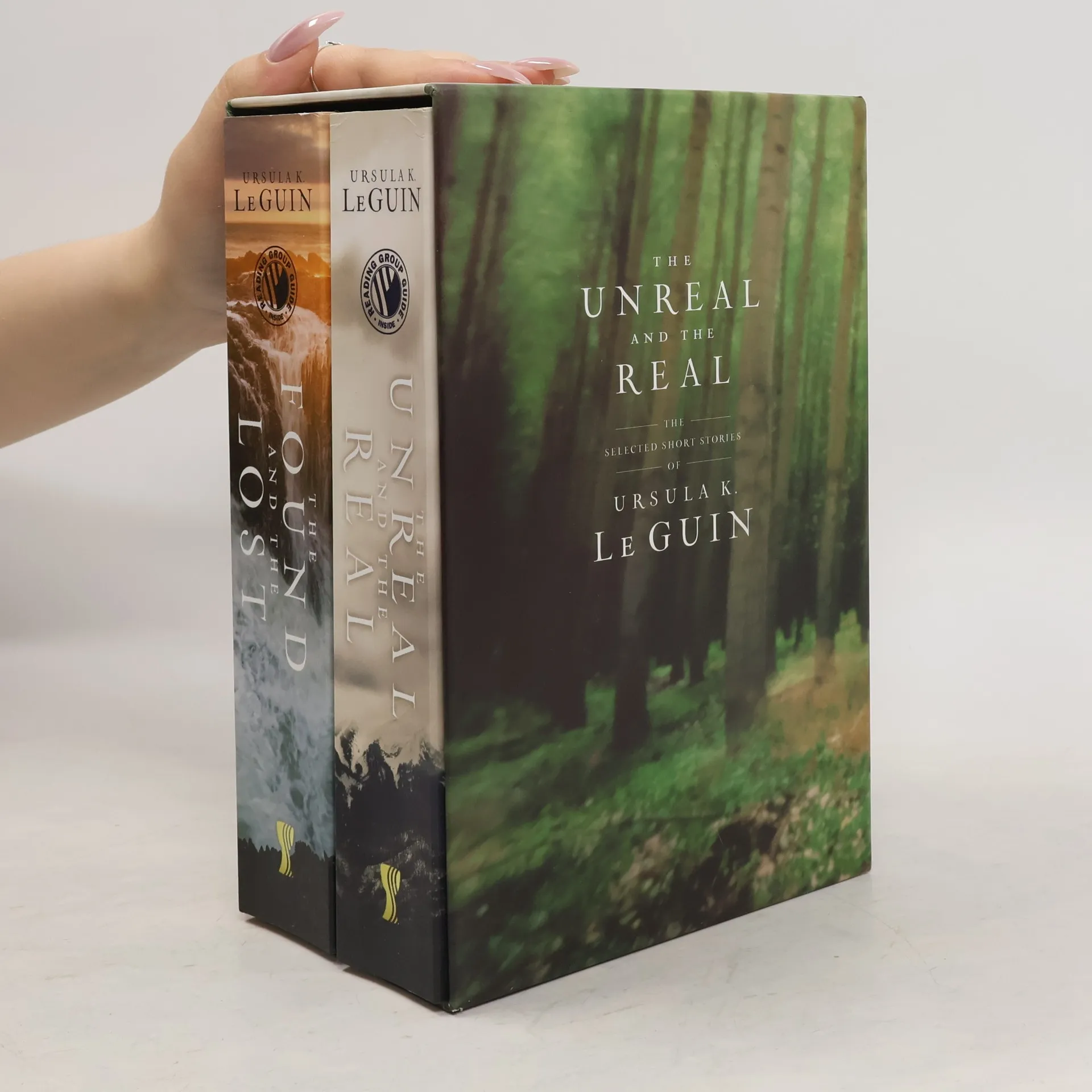
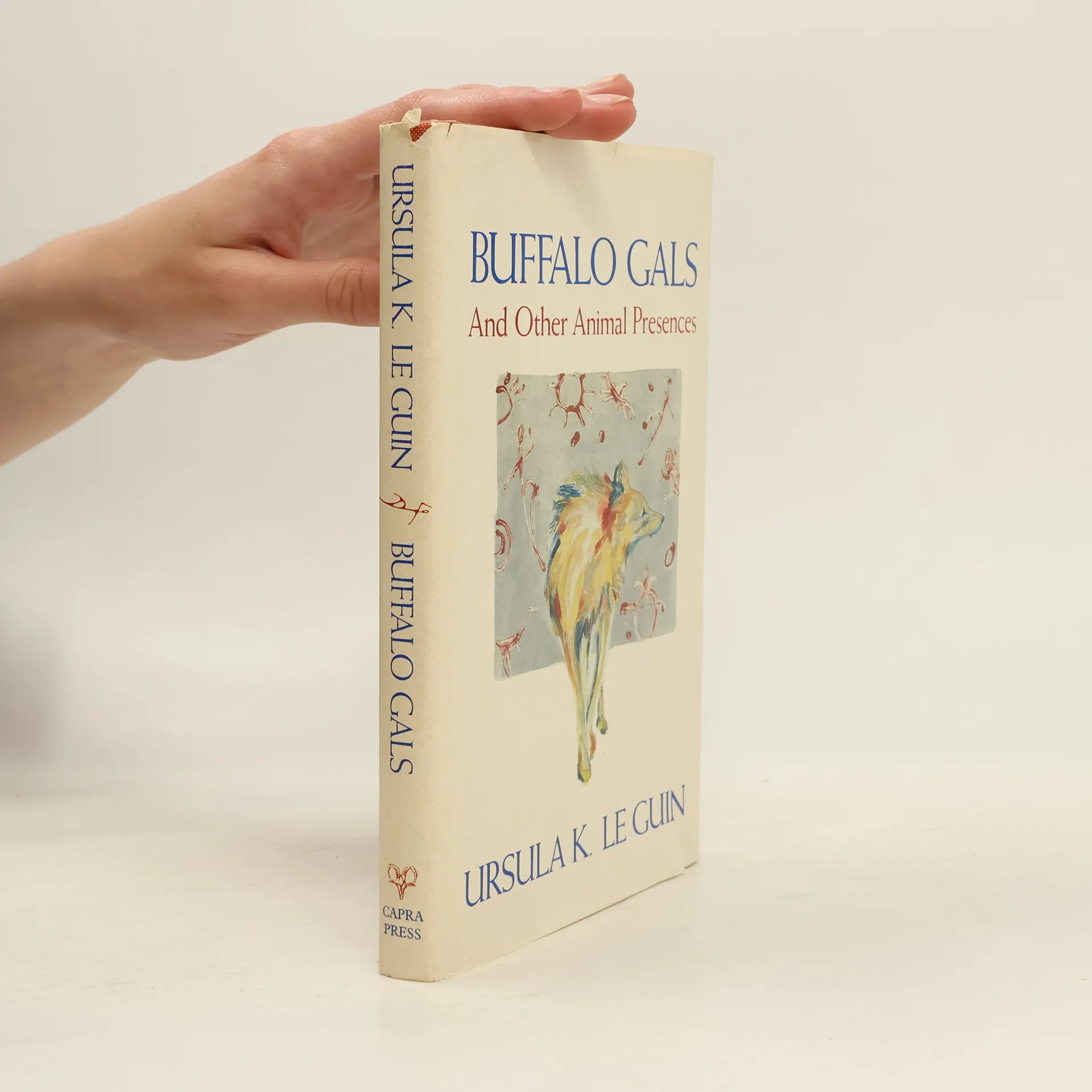
A collection of short stories by the legendary and iconic Ursula K. Le Guin—selected with an introduction by the author, and combined in one volume for the first time. The Unreal and the Real is a collection of some of Ursula K. Le Guin’s best short stories. She has won multiple prizes and accolades from the Medal for Distinguished Contribution to American Letters to the Newbery Honor, the Nebula, Hugo, World Fantasy, and PEN/Malamud Awards. She has had her work collected over the years, but this is the first short story volume combining a full range of her work. Stories include: -Brothers and Sisters -A Week in the Country -Unlocking the Air -Imaginary Countries -The Diary of the Rose -Direction of the Road -The White Donkey -Gwilan’s Harp -May’s Lion -Buffalo Gals, Won’t You Come Out Tonight -Horse Camp -The Water Is Wide -The Lost Children -Texts -Sleepwalkers -Hand, Cup, Shell -Ether, Or -Half Past Four -The Ones Who Walk Away from Omelas -Semely’s Necklace -Nine Lives -Mazes -The First Contact with the Gorgonids -The Shobies’ Story -Betrayals -The Matter of Seggri -Solitude -The Wild Girls -The Flyers of Gy -The Silence of the Asonu -The Ascent of the North Face -The Author of the Acacia Seeds -The Wife’s Story -The Rule of Names -Small Change -The Poacher -Sur -She Unnames Them -The Jar of Water
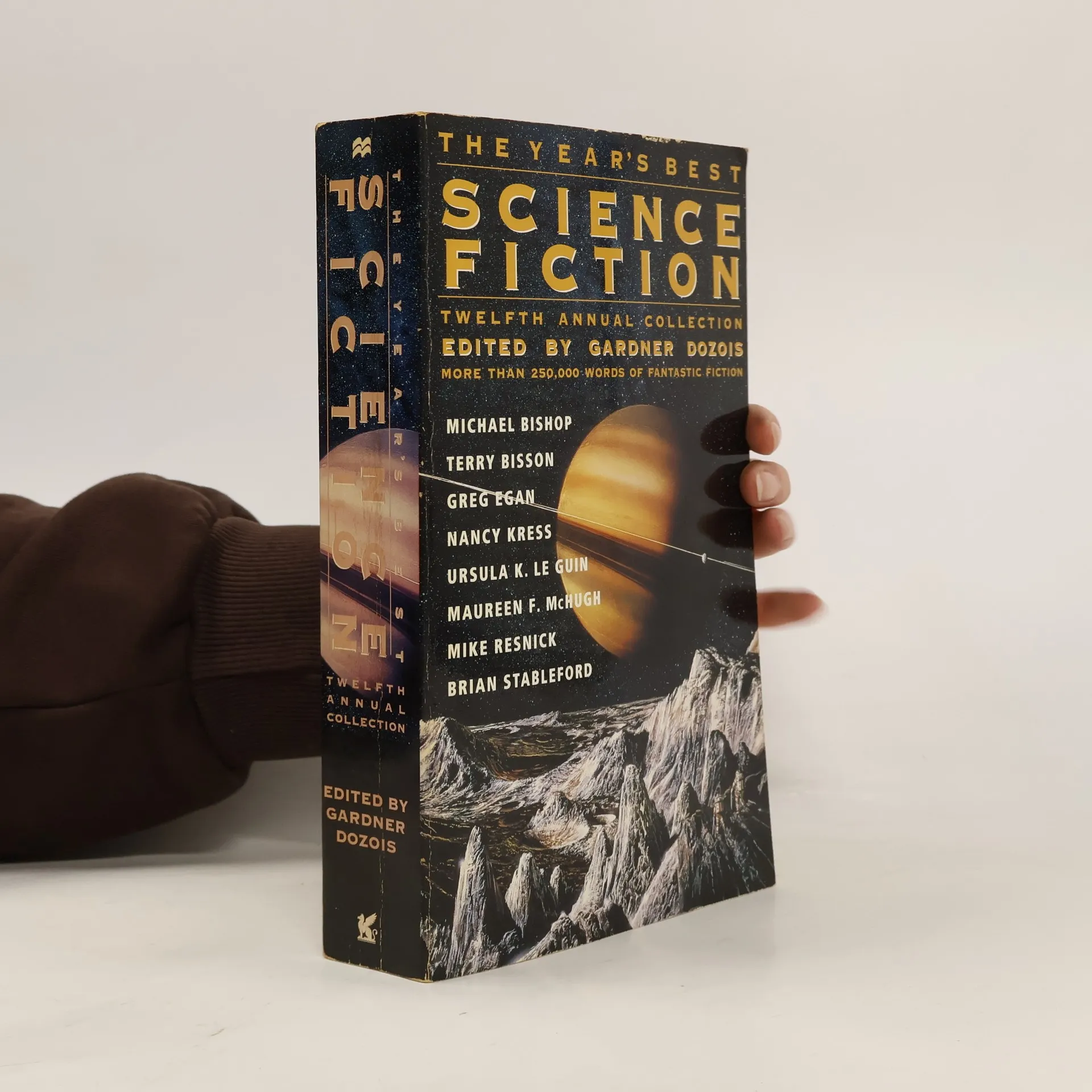
Now a dozen years old, the award-winning collection continues to provide dozens of the best stories of the year, including work by renowned veterans and exciting newcomers, including Stephen Baxter, Michael Bishop, Terry Bisson, Pat Cadigan, Greg Egan, Eliot Fintushel, Michael F. Flyn, Lisa Goldstein, Jose Haldemnan, Katherine Kerr, Nancy Kress, Ursula K. Le Guin, Maureen F. McHugh, Robert Reed, Mike Resnick, Mary Rosenblum.
“I have decided that the trouble with print is, it never changes its mind,” writes Ursula Le Guin in her introduction to Dancing at the Edge of the World. But she has, and here is the record of that change in the decade since the publication of her last nonfiction collection, The Language of the Night. And what a mind — strong, supple, disciplined, playful, ranging over the whole field of its concerns, from modern literature to menopause, from utopian thought to rodeos, with an eloquence, wit, and precision that makes for exhilarating reading.
Wishing to visit their mother, the winged cats leave their new country home to return to the city, where they discover a winged kitten in a building imminently to be demolished.
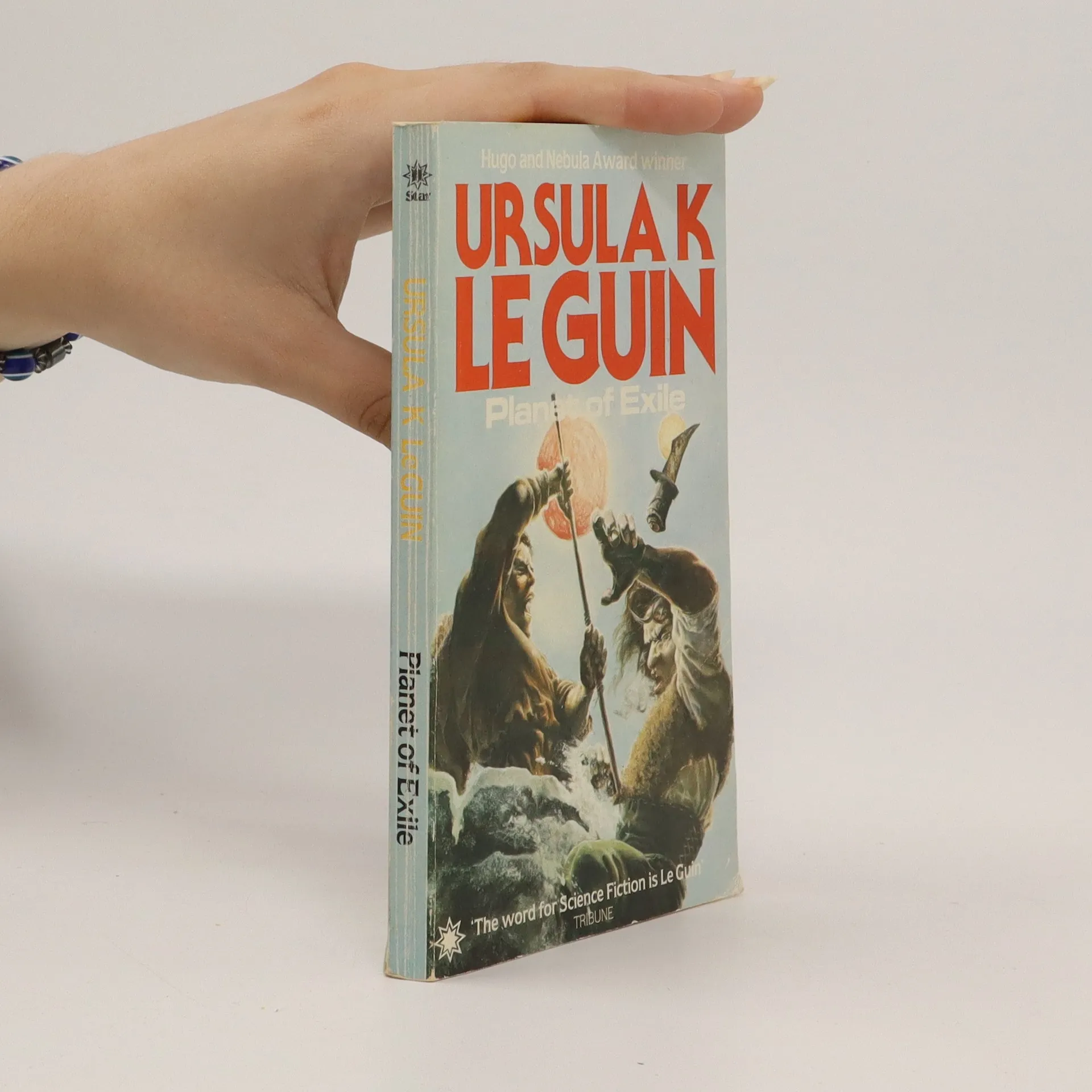
Together in one volume, two gripping novels of war, love, and the battle for survival on words lying years away— on planets without names where winter lasts a lifetime. ROCANNON'S WORLD is Ursula Le Guin's first novel, as inspired as anything she has ever written. PLANET OF EXILE is its brilliant successor. 'Le Guin is a writer of phenomenal power. She invites, as Tolkien does, a total belief' Observer'Few contemporary writers can equal her' New Scientist'She is a writer of extraordianary gifts and Science Fiction needs her' Birminghan Post
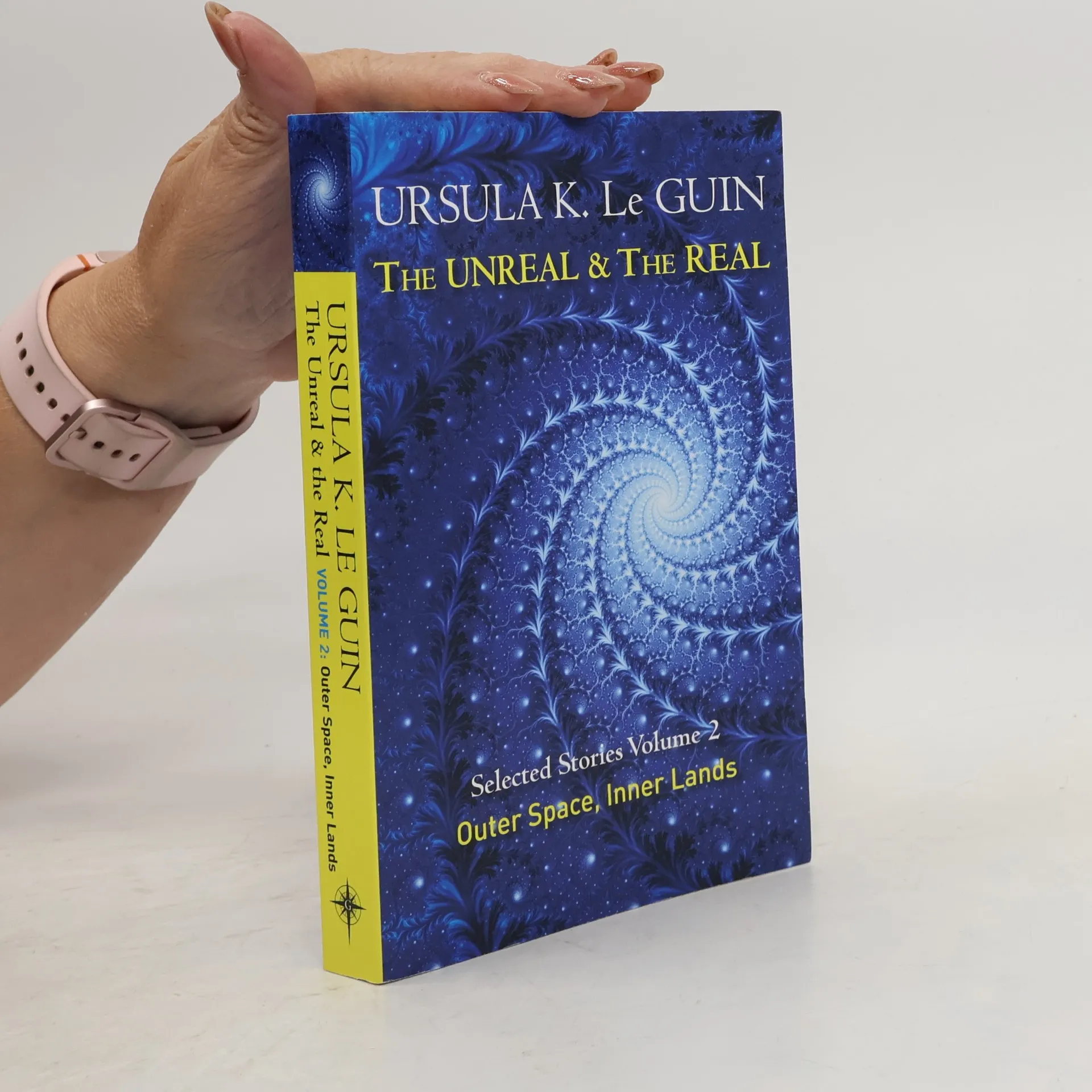
THE UNREAL AND THE REAL is a two-volume collection of stories, selected by Ursula Le Guin herself, and spans the spectrum of fiction from realism through magical realism, satire, science fiction, surrealism and fantasy. Volume Two, OUTER SPACE, INNER LANDS, showcases Le Guin's acclaimed stories of the fantastic, originally appearing in publications as varied as AMAZING STORIES, PLAYBOY, the NEW YORKER and OMNI, and contains 20 stories, including modern classics such as the HUGO AWARD-winning 'The Ones Who Walk Away From Omelas', NEBULA-nominee 'Nine Lives'; JAMES TIPTREE, JR MEMORIAL AWARD-winner (and HUGO and NEBULA-nominee) 'The Matter of Seggri'; NEBULA AWARD-winner 'Solitude'; and the secret history 'Sur', which was nominated for the HUGO AWARD and included in THE BEST AMERICAN SHORT STORIES.
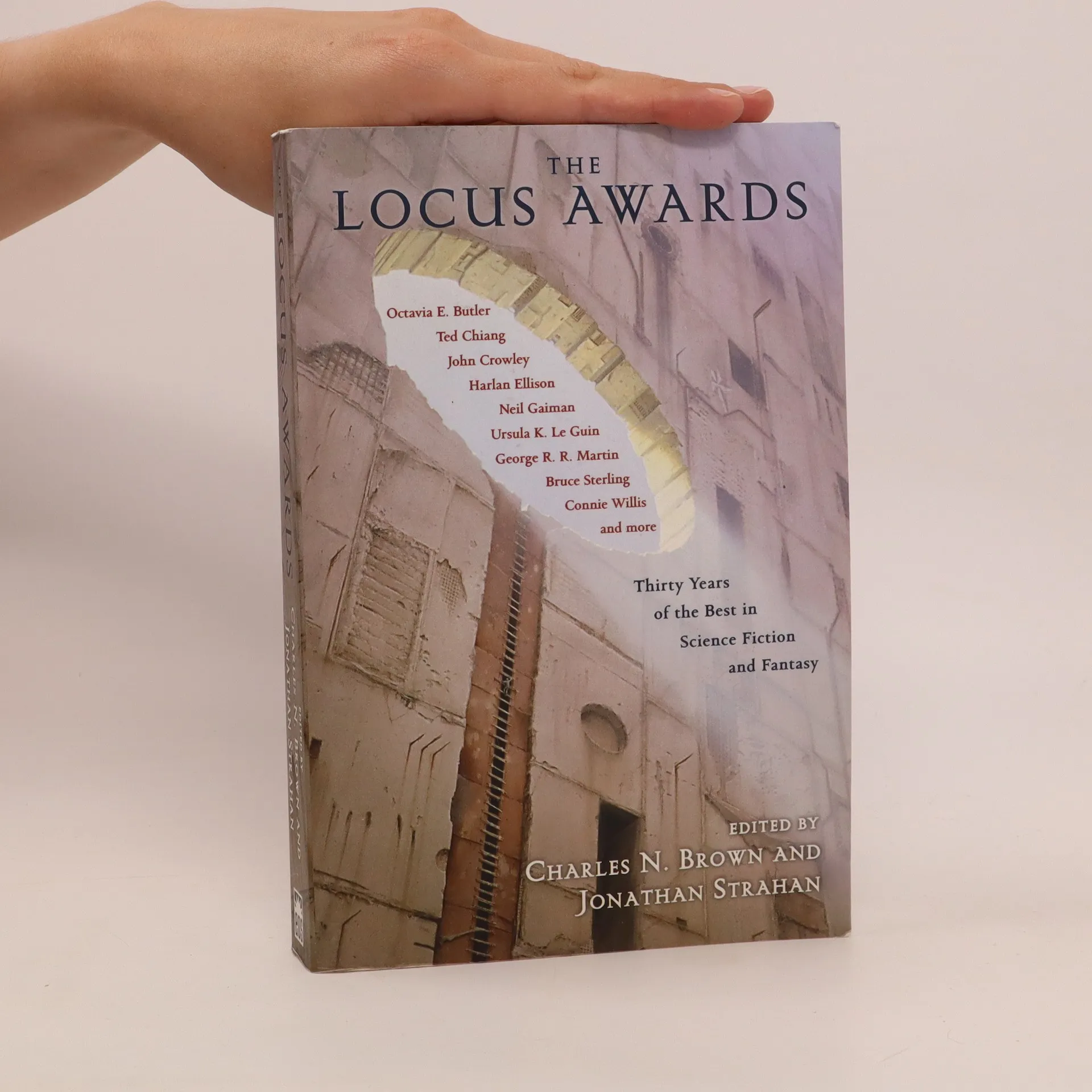
Now, for the first time, the best of the Locus Awards for short fiction are gathered in one volume. Spanning the absolute finest in science fiction and fantasy short fiction for the last thirty years, this anthology is an indispensable guide to speculative fiction from the classic to the outrageous by the leaders of the field.
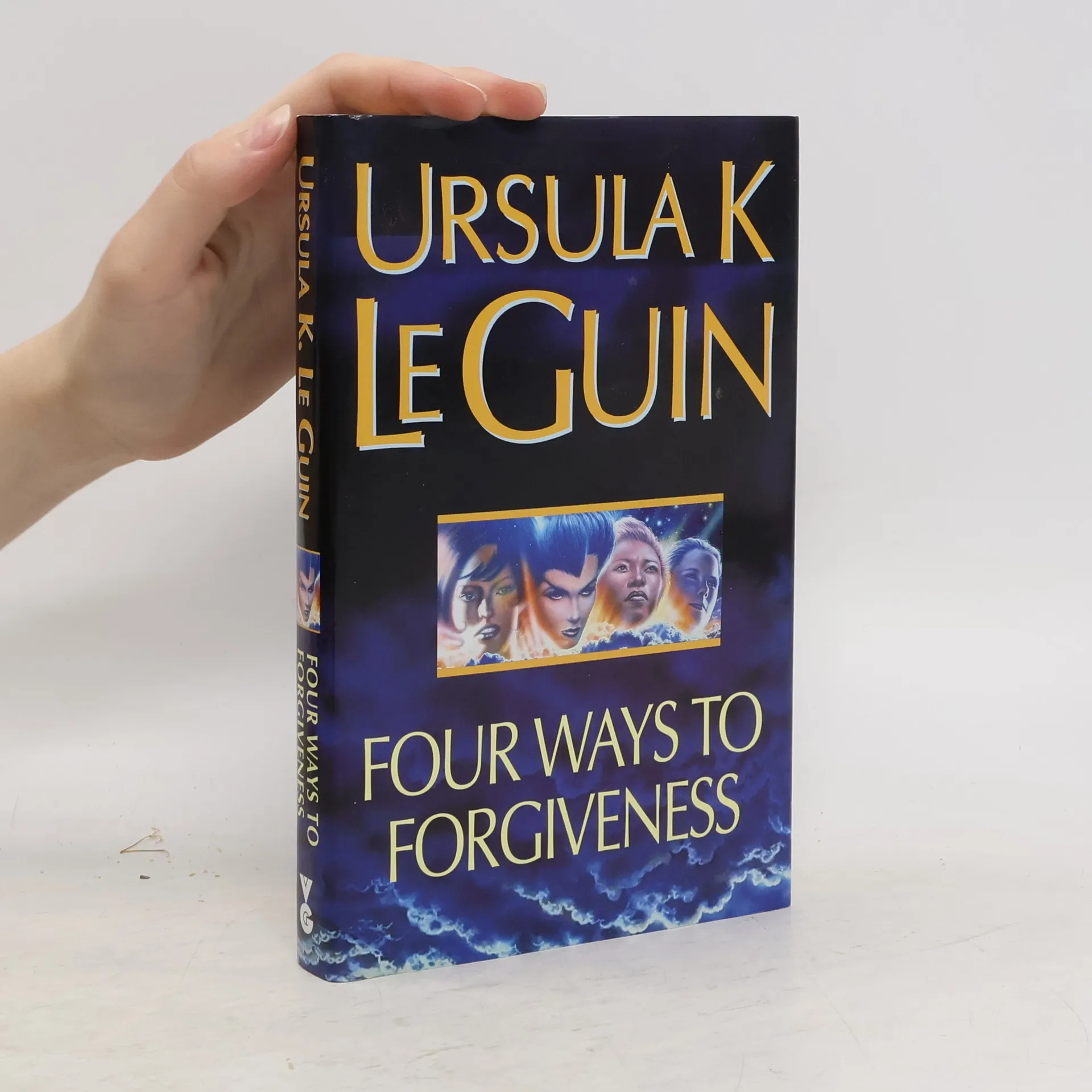
A collection of four linked novellas. Two planets - Werel, a slave-owning oligarchy and Yeowe, its colony - are destined for revolution after contact with the sophisticated Ekumen civilization. But one form of oppression can too easily give way to another, and so a new fight for equality begins.
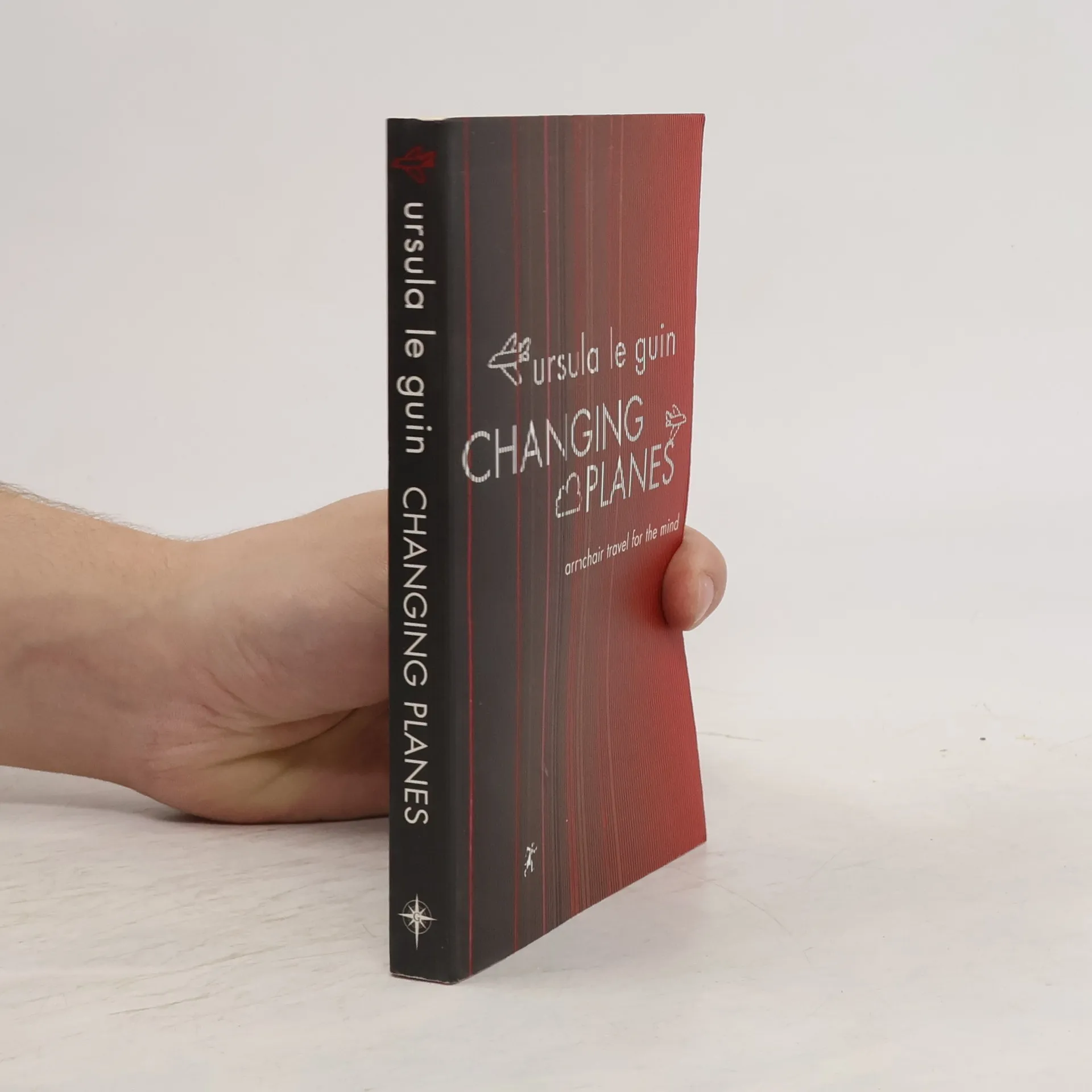
ARMCHAIR TRAVEL FOR THE MIND: It was Sita Dulip who discovered, whilst stuck in an airport, unable to get anywhere, how to change planes - literally. With a kind of a twist and a slipping bend, easier to do than describe, she could go anywhere - be anywhere - because she was already between planes . . . and on the way back from her sister's wedding, she missed her plane in Chicago and found herself in Choom. The author, armed with this knowledge and Rornan's invaluable Handy Planetary Guide - although not the Encyclopedia Planeria, as that runs to forty-four volumes - has spent many happy years exploring places as diverse as Islac and the Veksian plane. CHANGING PLANES is an intriguing, enticing mixture of GULLIVER'S TRAVELS and THE HITCH HIKER'S GUIDE TO THE GALAXY; a cross between Douglas Adams and Alain de Botton: a mix of satire, cynicism and humour by one of the world's best writers.
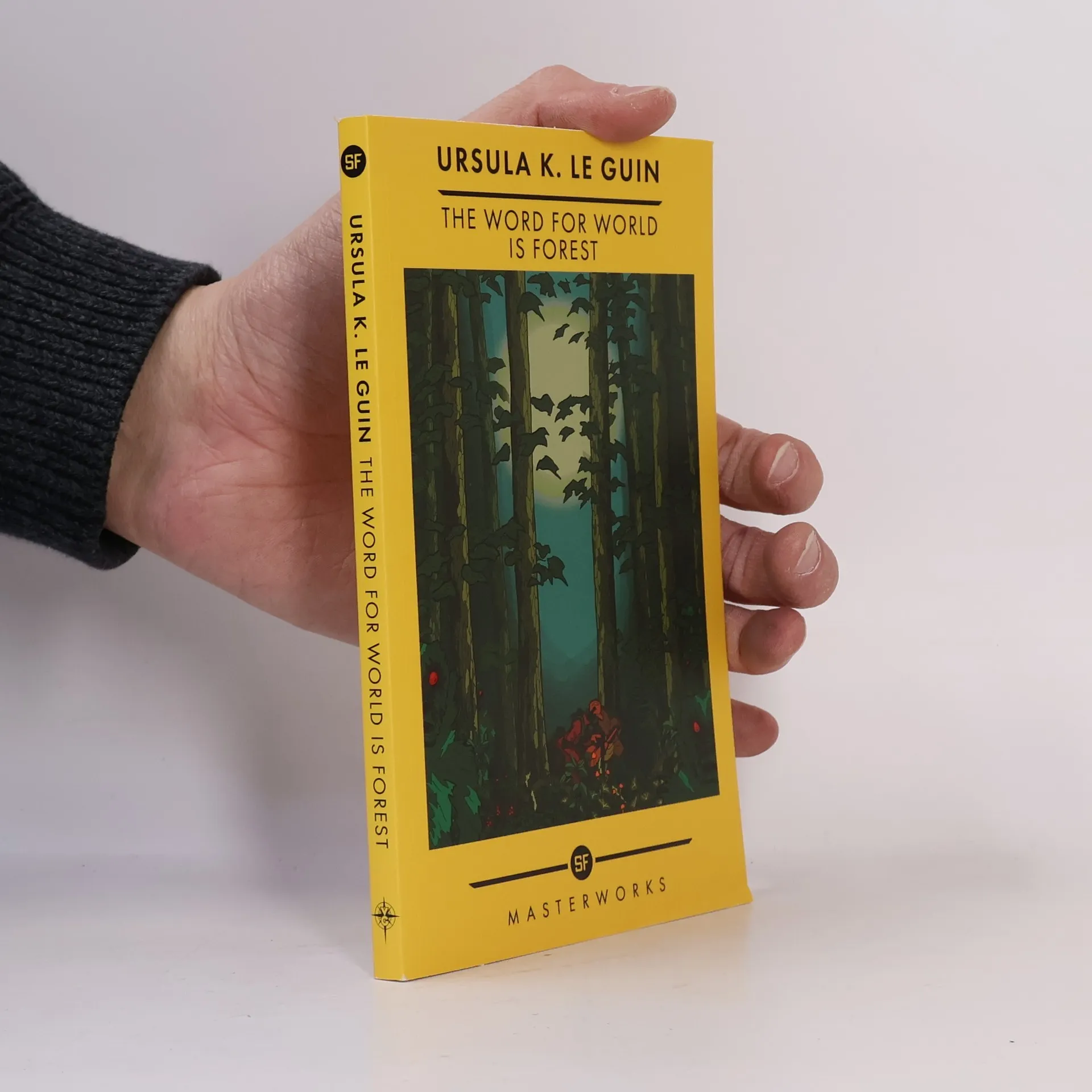
A world of peaceful aliens conquered by bloodthirsty yumens, their existence is irrevocably altered. Forced into servitude, the Athsheans find themselves at the mercy of their brutal masters. Desperation causes the Athsheans to retaliate against their captors, abandoning their strictures against violence. In defending their lives, they endanger the very foundations of their society. Every blow against the invaders is a blow to the core of Athsheans' culture. And once the killing starts, there is no turning back. Winner of the 1973 Hugo award for Best Novella, and nominated for many others, The Word for World is Forest is part of Le Guin's 'Hainish Cycle'. It explores a future history of Earth and pacifistic ideals in its depictions of violence, colonialism and resistance. 'A simple story that, like most things Le Guin wrote, packs a powerful emotional and critical punch'- Tordotcom 'Deeply moving and shocking by turns'- Suzanne Reid 'Le Guin writes in quiet, straightforward sentences about people who feel they are being torn apart by massive forces in society . . . and who fight courageously to remain whole' - The New York Times Book Review Welcome to The Best Of The Masterworks: a selection of the finest in science fiction
Owen Griffiths, a seventeen-year-old outsider, learns to find his own way to a future in science through a friendship with a girl whose life is dedicated to music.
50TH ANNIVERSARY EDITION—WITH A NEW INTRODUCTION BY DAVID MITCHELL AND A NEW AFTERWORD BY CHARLIE JANE ANDERS Ursula K. Le Guin’s groundbreaking work of science fiction—winner of the Hugo and Nebula Awards. A lone human ambassador is sent to the icebound planet of Winter, a world without sexual prejudice, where the inhabitants’ gender is fluid. His goal is to facilitate Winter’s inclusion in a growing intergalactic civilization. But to do so he must bridge the gulf between his own views and those of the strange, intriguing culture he encounters... Embracing the aspects of psychology, society, and human emotion on an alien world, The Left Hand of Darkness stands as a landmark achievement in the annals of intellectual science fiction.
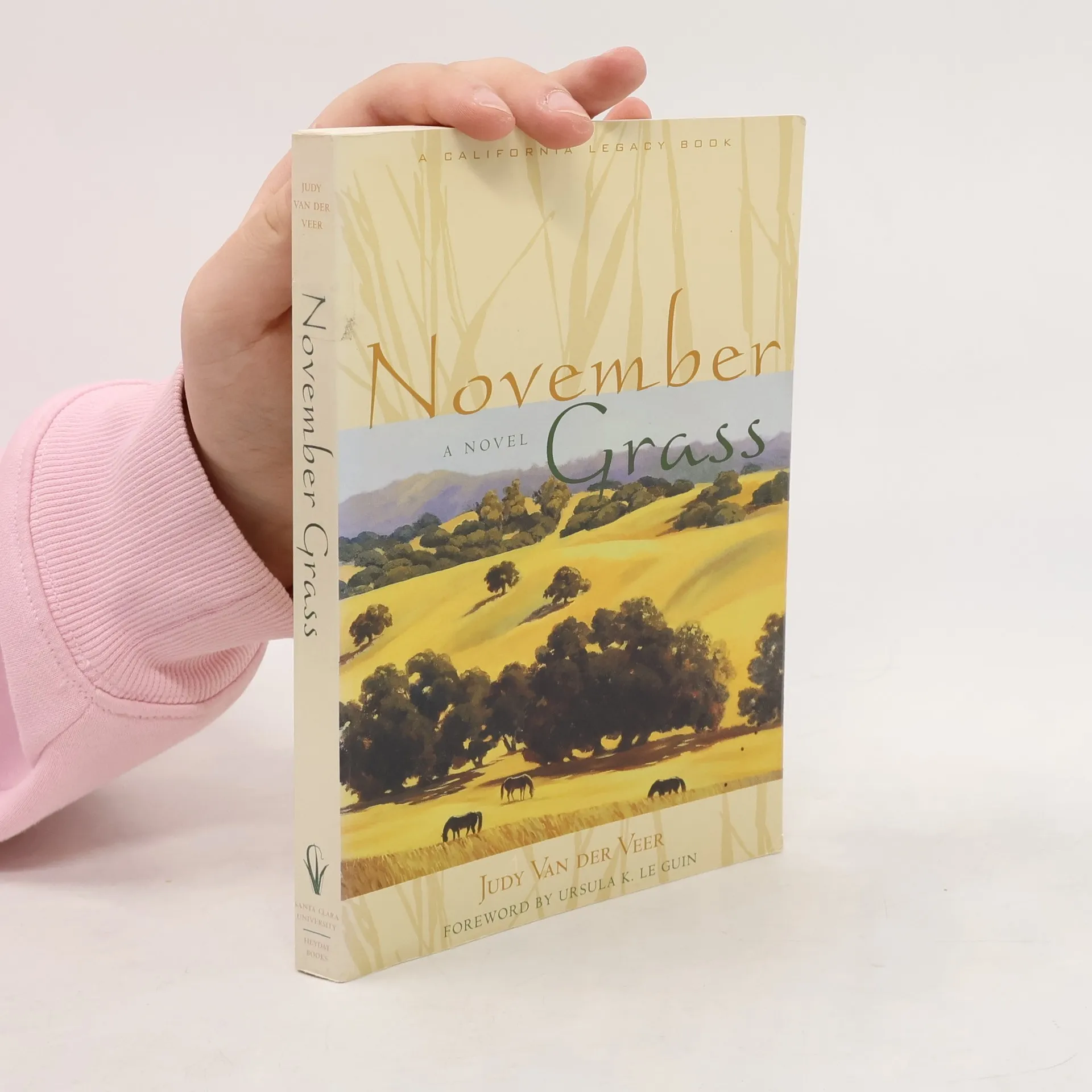
In the light of the declining sun, amid the muffled sounds of grazing cattle, a Southern California cowgirl considers her life. The language of November Grass , concise yet evocative, transports readers to the coastal hills of San Diego County, where hawks and jays, calves and kittens, and an assortment of backcountry eccentrics bring clarity to questions of birth, death, and love. In the new introduction, Ursula K. Le Guin writes, ''Van der Veer gives us a rural landscape as deeply known and lived in as Willa Cather's Nebraska or Sara Jewett's Maine. The valley ranches of John Steinbeck's Red Pony and East of Eden are natural comparisons, but Van der Veer's picture is truer, I think, to the patient obscurity of the lives and deaths of those who live on and from this austere land... Pain, suffering, grief are intense in her story, but not more intense than tenderness and praise.''
The graphic novel adaptation of a classic fantasy tale brings a fresh visual interpretation to Ursula K. Le Guin's story, showcasing the artistry of Fred Fordham, known for his work on To Kill a Mockingbird and Brave New World. This reimagining emphasizes the rich world-building and character development, inviting both new readers and longtime fans to explore the magical realm of Earthsea through striking illustrations.
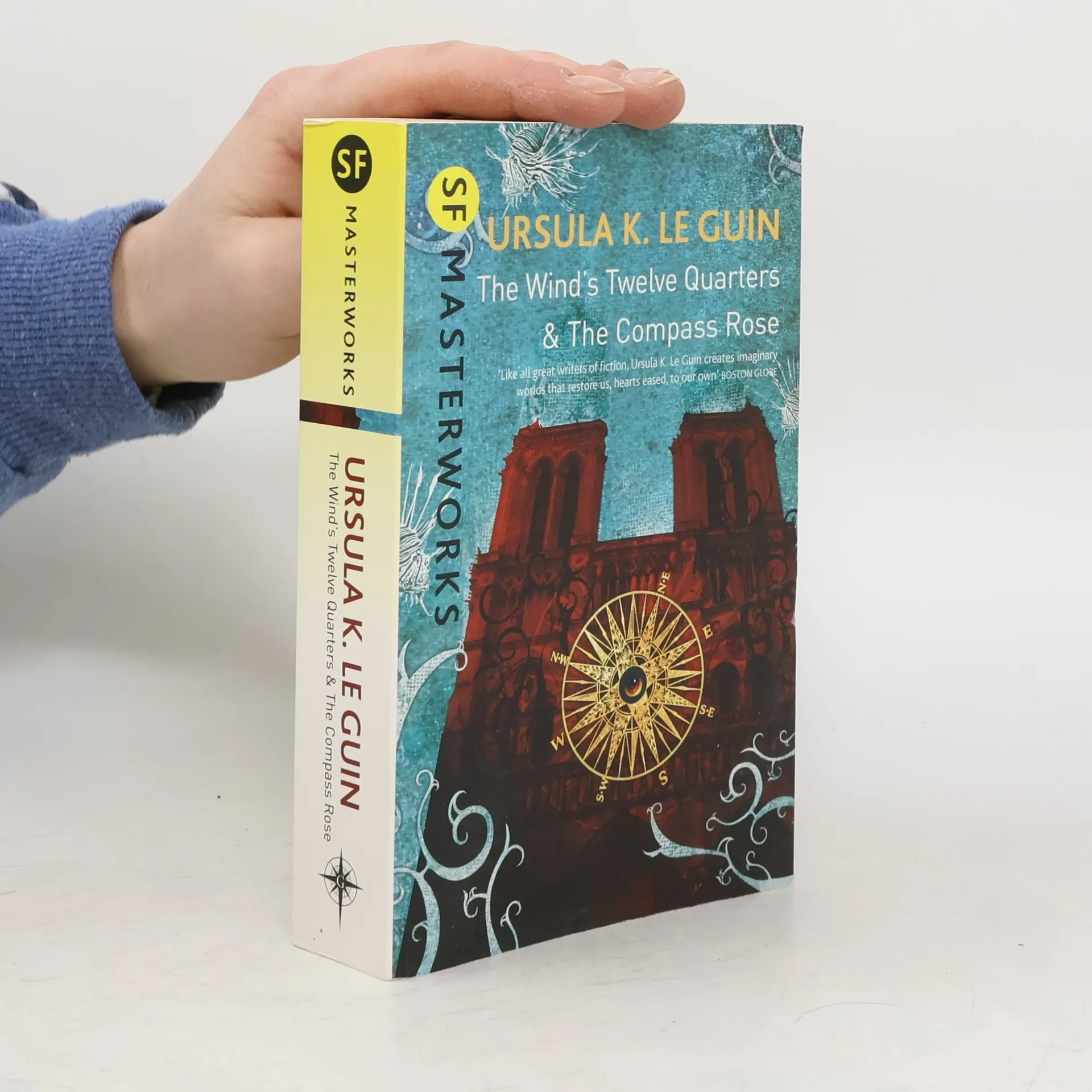
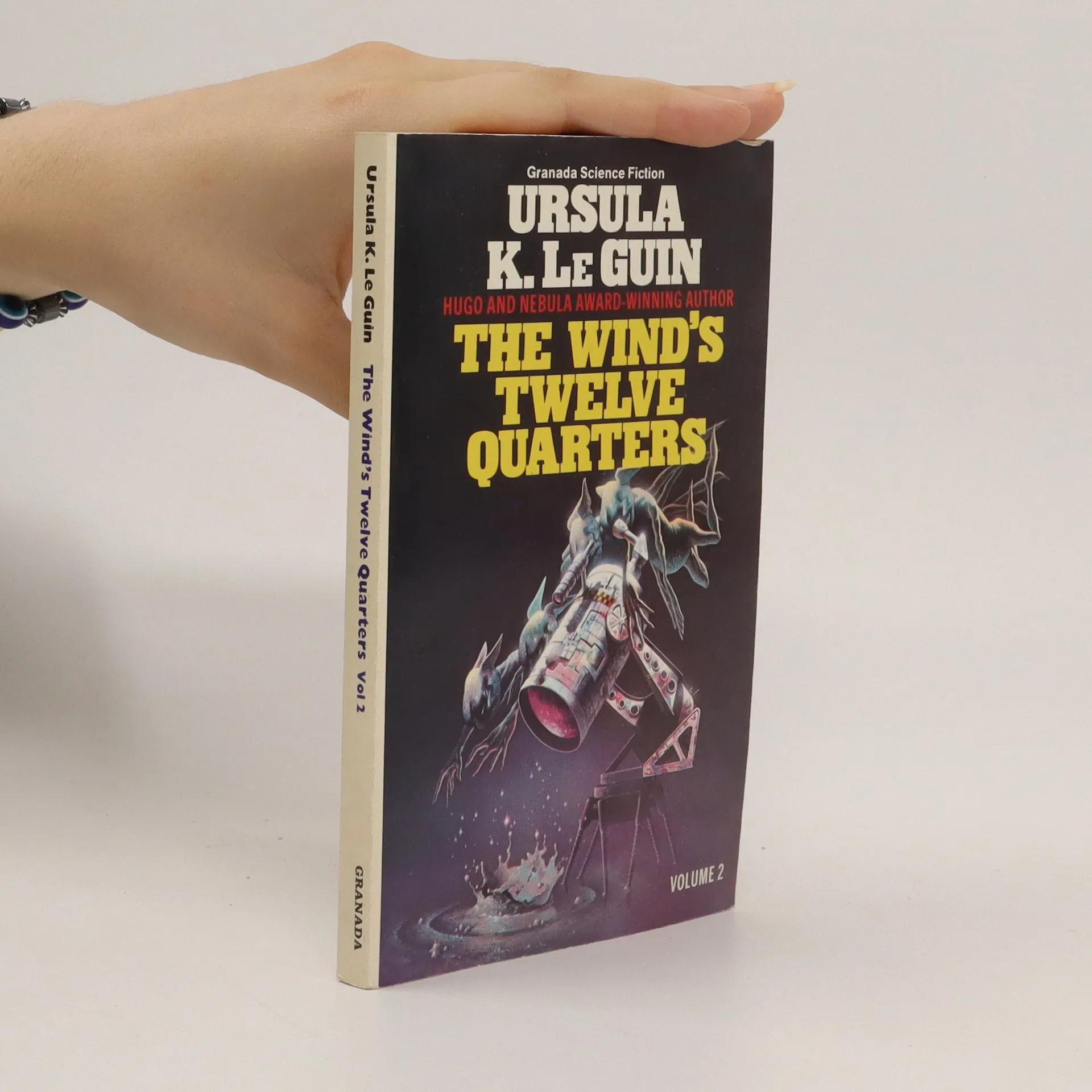
The recipient of numerous literary prizes, including the National Book Award, the Kafka Award, and the Pushcart Prize, Ursula K. Le Guin is renowned for her lyrical writing, rich characters, and diverse worlds. The Wind's Twelve Quarters collects seventeen powerful stories, each with an introduction by the author, ranging from fantasy to intriguing scientific concepts, from medieval settings to the future. Including an insightful foreword by Le Guin, describing her experience, her inspirations, and her approach to writing, this stunning collection explores human values, relationships, and survival, and showcases the myriad talents of one of the most provocative writers of our time.
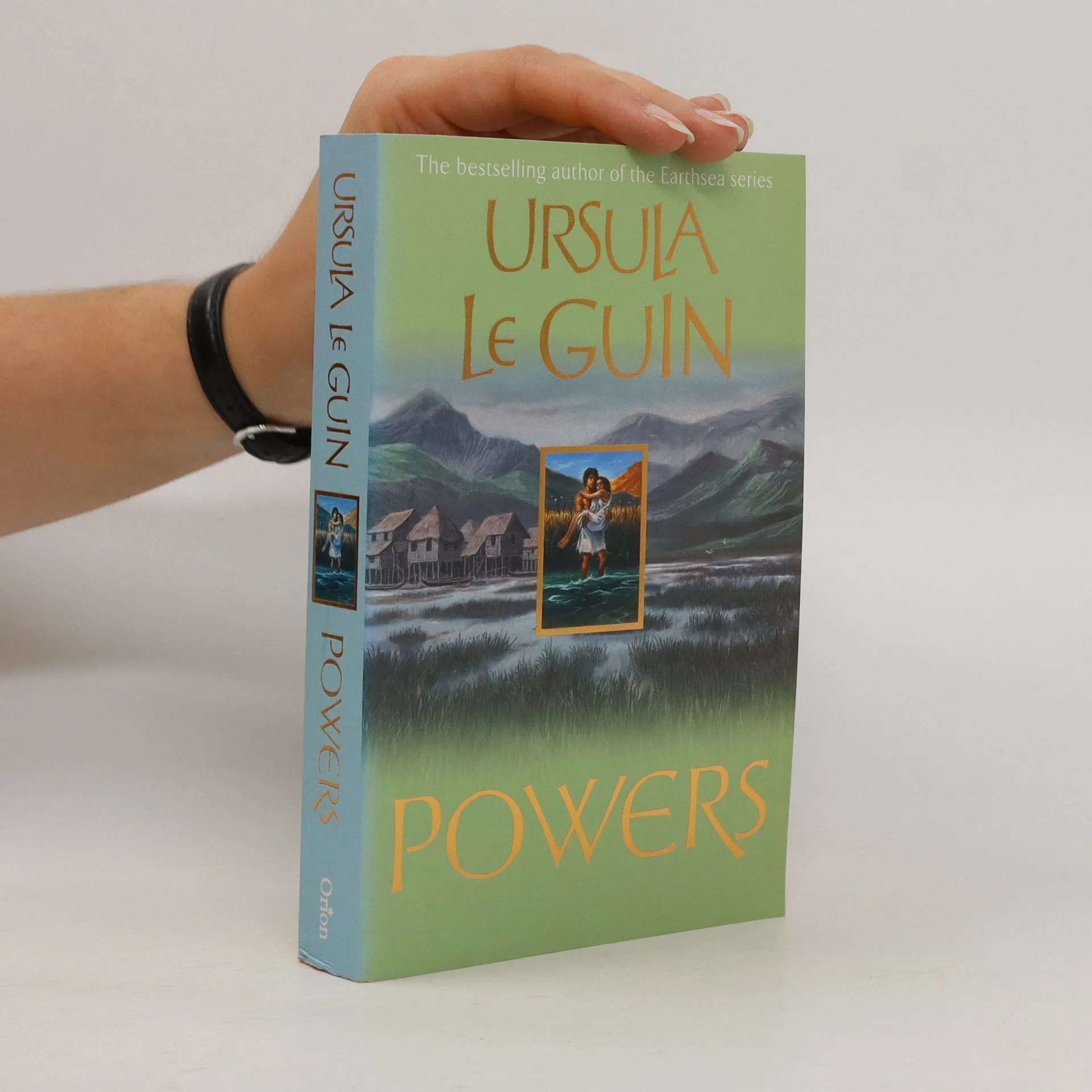
'Le Guin's storytelling is sharp, magisterial, funny, thought-provoking and exciting, exhibiting all that science fiction can be' EMPIRE 'Told with shimmering lyricism, this coming-of-age saga will leave readers transformed' BOOKLIST 'Le Guin is a writer of phenomenal power' OBSERVER 'A tour de force' EVENING STANDARD The final part in the story that started with GIFTS, and the tale of Gry Barre of Roddmant and Orrec Caspro of Caspromant, two children with extraordinary powers. They play a part in VOICES too, the sequel to GIFTS, in which Memer, a girl who has grown up in a captured city, is part of the people's fight for freedom. And now, in POWERS, we have the conclusion to Ursula Le Guin's beautifully written, powerful and moving story of the Western Isles, a tale that will leave every reader begging for more.
Darkness threatens to overtake Earthsea. As the world and its wizards are losing their magic, Ged—powerful Archmage, wizard, and dragonlord—embarks on a sailing journey with highborn young prince, Arren. They travel far beyond the realm of death to discover the cause of these evil disturbances and to restore magic to a land desperately thirsty for it. With millions of copies sold, Ursula K. Le Guin's Earthsea Cycle has earned a treasured place on the shelves of fantasy lovers everywhere. Complex, innovative, and deeply moral, this quintessential fantasy sequence has been compared with the work of J.R.R. Tolkien and C.S. Lewis, and has helped make Le Guin one of the most distinguished fantasy and science fiction writers of all time.
Combining The Found and the Lost and The Unreal and the Real, this comprehensive boxed set contains many of Ursula K. Le Guin’s award-winning short stories and novellas. For the first time, the legendary Ursula K. Le Guin's most iconic short stories and novellas have been combined into one boxed set. Coming in at over fourteen hundred pages, this collection is the perfect addition to your bookshelf. In 2014 Le Guin was awarded the Medal For Distinguished Contribution to American Letters by the National Book Foundation. Among her many accolades, Le Guin has been awarded the National Book Award, the Hugo award, the Nebula award, the World Fantasy award, the Pushcart Prize, the Newbery Honor, the Margaret A Edwards award, the PEN/Malamud award, the Tiptree award, the Locus award, and she has been a finalist for the Pulitzer Prize for her novels and stories.
After receiving permission to leave the modern city where she is closely monitored, Sutty travels up the river into the countryside where she experiences a more peaceful life.
When Sparrowhawk, the Archmage of Earthsea, returns from the dark land stripped of his magic powers, he finds refuge with the aging widow Tenar and a crippled girl child who carries an unknown destiny.
Acclaimed writer and editor Robert Silverberg has curated a collection featuring eleven renowned Fantasy authors, each contributing a new story inspired by their famous series. Stephen King presents "The Little Sisters of Eluria," a tale of Roland, the Gunslinger, set in The Dark Tower universe. Terry Pratchett offers a humorous incident in Discworld with "The Sea and Little Fishes," highlighting a magical contest involving Granny Weatherwax. Terry Goodkind explores the origins of the Border between realms in "Debt of Bones," tied to The Sword of Truth. Orson Scott Card shares a story of Alvin and his apprentice in "Grinning Man," drawn from the Tales of Alvin Maker. Silverberg himself revisits Majipoor in "The Seventh Shrine," where Lord Valentine embarks on an adventure in an ancient tomb. Ursula K. Le Guin adds a sequel to her Earthsea series with "Dragonfly," focusing on a woman's quest to learn magic. Tad Williams crafts a dark tale set in a haunted castle before the events of Memory, Sorrow, and Thorn in "The Burning Man." George R.R. Martin's "The Hedge Knight" takes place a generation prior to A Song of Ice and Fire. Ann McCaffrey returns to Pern in "Runner of Pern," while Raymond E. Feist's "The Wood Boy" is set in the Riftwar Saga. Lastly, Robert Jordan's "New Spring" reveals pivotal events leading to The Wheel of Time, featuring the meeting of Lan and Moiraine as they begin their search for the child destined to lea
In these stories, connected loosely but powerfully by their rugged Pacific Northwest setting, the author portrays residents of a small Oregon shore town with sympathy and no sentiment. Many of the tales center around women drawn together in threes--mother, daughter, grandmother--by illness or death.
North to Orsinia and the boundaries between reality and madness... South to discover Antarctica with three ladies from Chile... West to find an enchanted harp and the borderland between life and death... and onward to all points on and off the compass.Contents:The Author of the Acacia Seeds and Other Extracts from the Journal of the Association of Therolinguistics (1974)The New Atlantis (1975)Schrödinger's Cat (1974)Two Delays on the Northern Line (1979)SQ (1978)Small Change (1981)The First Report of the Shipwrecked Foreigner to the Kadanh of Derb (1978)The Diary of the Rose (1976)The White Donkey (1980)The Phoenix (1982)Intracom (1974)The Eye Altering (1974)Mazes (1975)The Pathways of Desire (1979)Gwilan's Harp (1977)Malheur County (1979)The Water Is Wide (1976)The Wife's Story (1982)Some Approaches to the Problem of the Shortage of Time (1979)Sur (1982)
Orsinia... a land of medieval forests, stonewalled cities, and railways reaching into the mountains where the old gods dwell. A country where life is harsh, dreams are gentle, and people feel torn by powerful forces and fight to remain whole. In this enchanting collection, Ursula K. Le Guin brings to mainstream fiction the same compelling mastery of word and deed, of story and character, of violence and love, that has won her the Pushcart Prize, and the Kafka and National Book Awards. - The Fountains - The Barrow (October 1976, The Magazine of Fantasy & Science Fiction) - Ile Forest - Conversations at Night - The Road East - Brothers and Sisters (1976, The Little Magazine, Vol.10, Nos.1&2) - A Week in the Country (1976, The Little Magazine, Vol.9, No.4) - An die Musik (1961, The Western Humanities Review, Vol.XV, No.3) - The House - The Lady of Moge - Imaginary Countries (1973, The Harvard Advocate)
He was a fully grown man, alone in dense forest, with no trail to show where he had come from and no memory to tell who — or what — he was. His eyes were not the eyes of a human. The forest people took him in and raised him almost as a child, teaching him to speak, training him in forest lore, giving him all the knowledge they had. But they could not solve the riddle of his past, and at last he had to set out on a perilous quest to Es Toch, the City of the Shing, the Liars of Earth, the Enemy of Mankind. There he would find his true self... and a universe of danger.
When a young man in the Uplands blinds himself rather than use his gift of "unmaking"--a violent talent shared by members of his family--he upsets the precarious balance of power among rival, feuding families, each of which has a strange and deadly talent of its own. Reprint.
Fleeing from the monotony of his life, Hugh Rogers finds his way to "the beginning place"--a gateway to Tembreabrezi, an idyllic, unchanging world of eternal twilight. Irena Pannis was thirteen when she first found the beginning place. Now, seven years later, she has grown to know and love the gentle inhabitants of Tembreabrezi, or Mountaintown, and she sees Hugh as a trespasser. But then a monstrous shadow threatens to destroy Mountaintown, and Hugh and Irena join forces to seek it out. Along the way, they begin to fall in love. Are they on their way to a new beginning...or a fateful end?
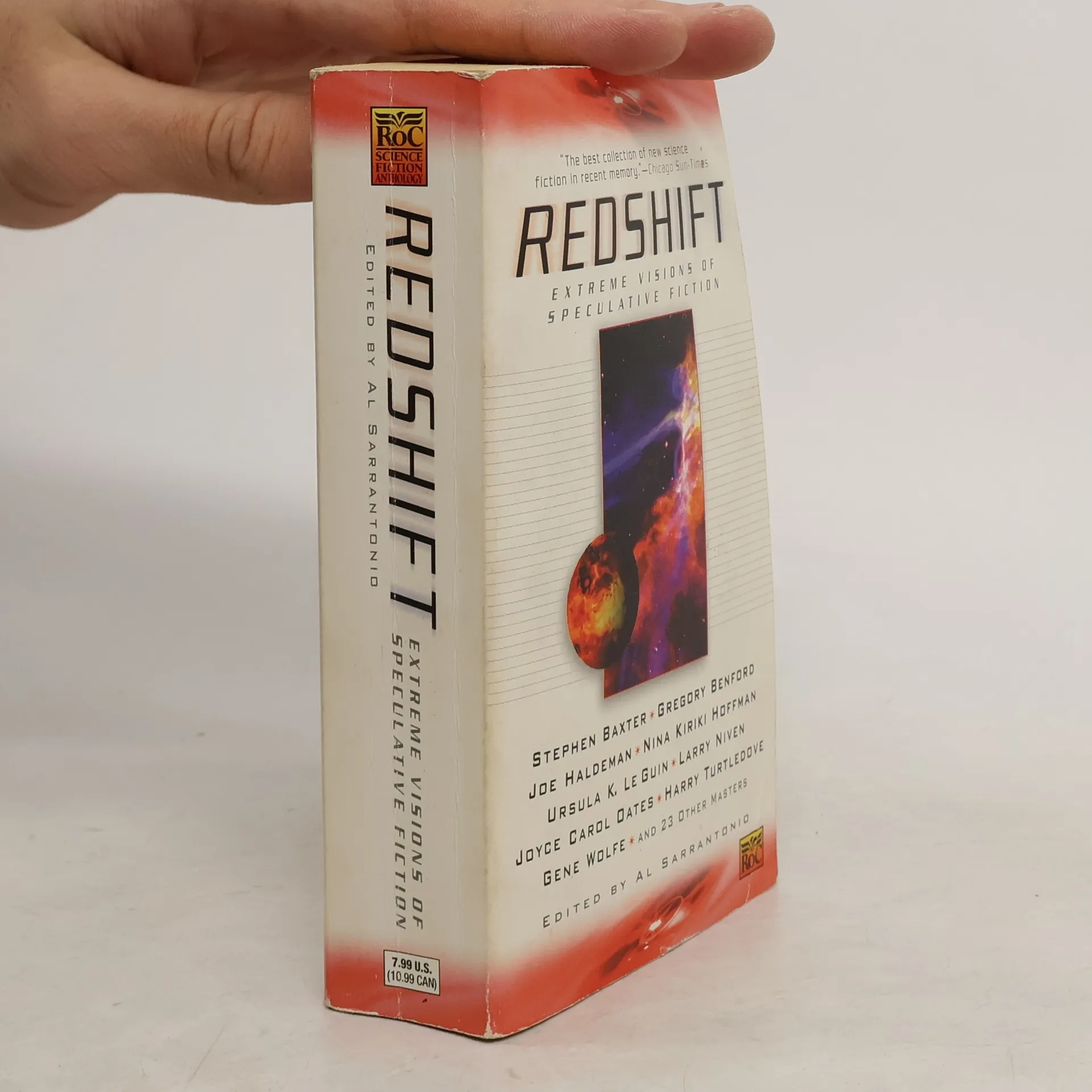
This landmark anthology presents thirty groundbreaking stories from the masters of speculative fiction heralding the future of the genre with original and revolutionary works. All-new, original stories by � Ursula K. Le Guin � Gregory Benford � Joe Haldeman � Joyce Carol Oates � and many others On K2 with Kanakaredes by Dan Simmons The Building by Ursula K. Le Guin Froggies by Laura Whitton What We Did That Summer by Kathe Koja and Barry N. Malzberg A Slow Saturday Night at the Surrealist Sporting Club by Michael Moorcock In Xanadu by Thomas M. Disch Commencement by Joyce Carol Oates Unique Visitors by James Patrick Kelly BIack TuIip by Harry Turtledove Belief by P. D. Cacek In the Un-Black by Stephen Baxter Weeping Walls by Paul Di Filippo Anomalies by Gregory Benford Captive Kong by Kit Reed Feedback by Robert E. Vardeman Between Disappearances by Nina Kiriki Hoffman Resurrection by David Morrell Cleopatra Brimstone by Elizabeth Hand Burros Gone Bad by Peter Schneider Pockets by Rudy Rucker and John Shirley Ave de Paso by Catherine Asaro Road Kill by Joe Haldeman Ting-a-Ling by Jack Dann ‘Bassador by Catherine Wells Ssoroghod’s People by Larry Niven Two Shot by Michael Marshall Smith Billy the Fetus by Al Sarrantonio Viewpoint by Gene Wolfe Fungi by Ardath Mayhar Rhido Wars by Neal Barrett, Jr.
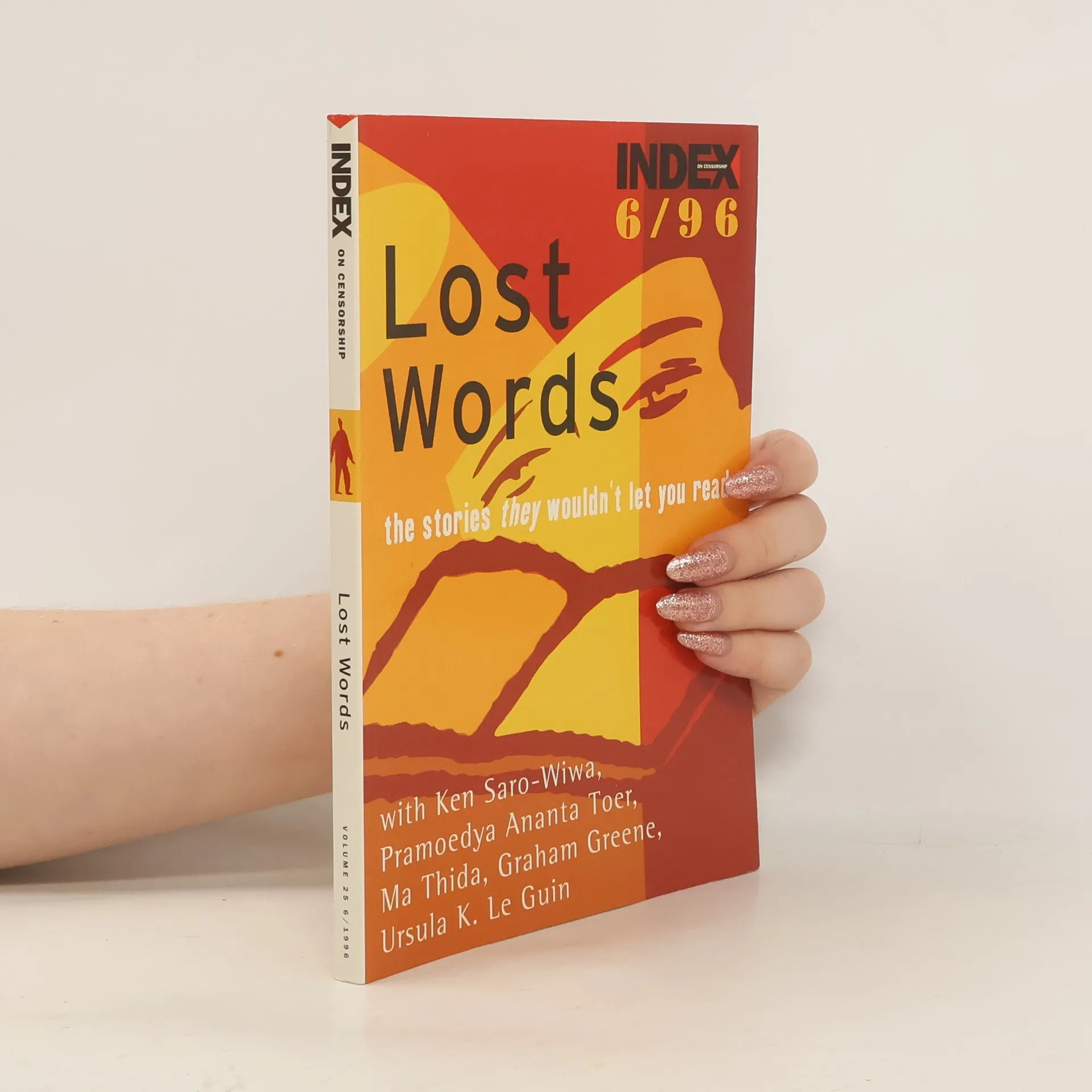
This collection of fiction from around the world is concerned with censorship taboos and includes work from writers who remain censored, exiled or imprisoned. It includes writing by Willaim Trevor, Ken Saro-Wiwa, Aicha Lemsing and Breyten Breytenbach.
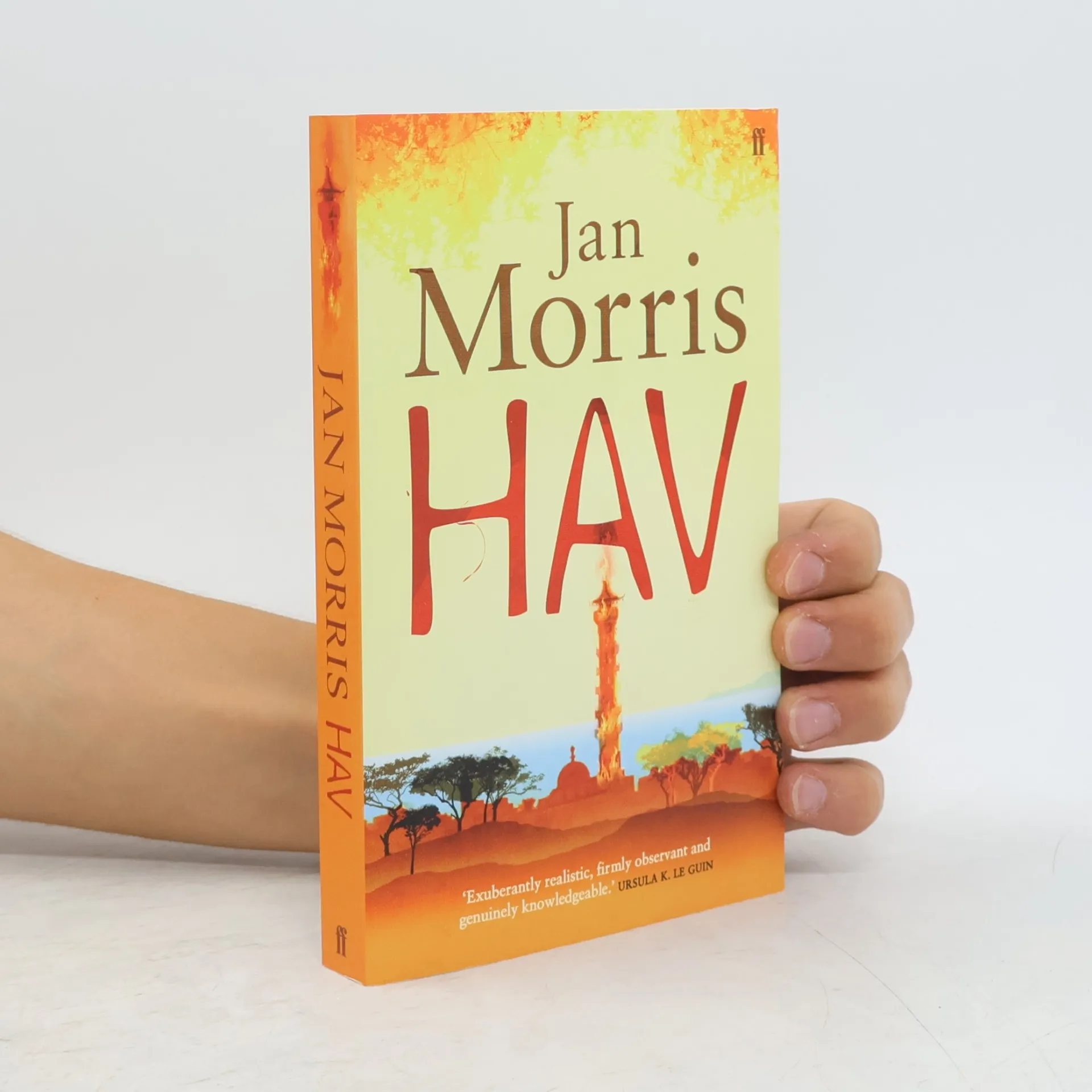
But Morris's visit ends in flight when an unidentified enemy arrives to seize control. When Jan Morris returns to Hav, some twenty years later, she finds that her account of her earlier visit is banned - and discovers a place that has rebuilt itself, transformed by a new energy and now dominated by a totemic tower 2000 feet tall.
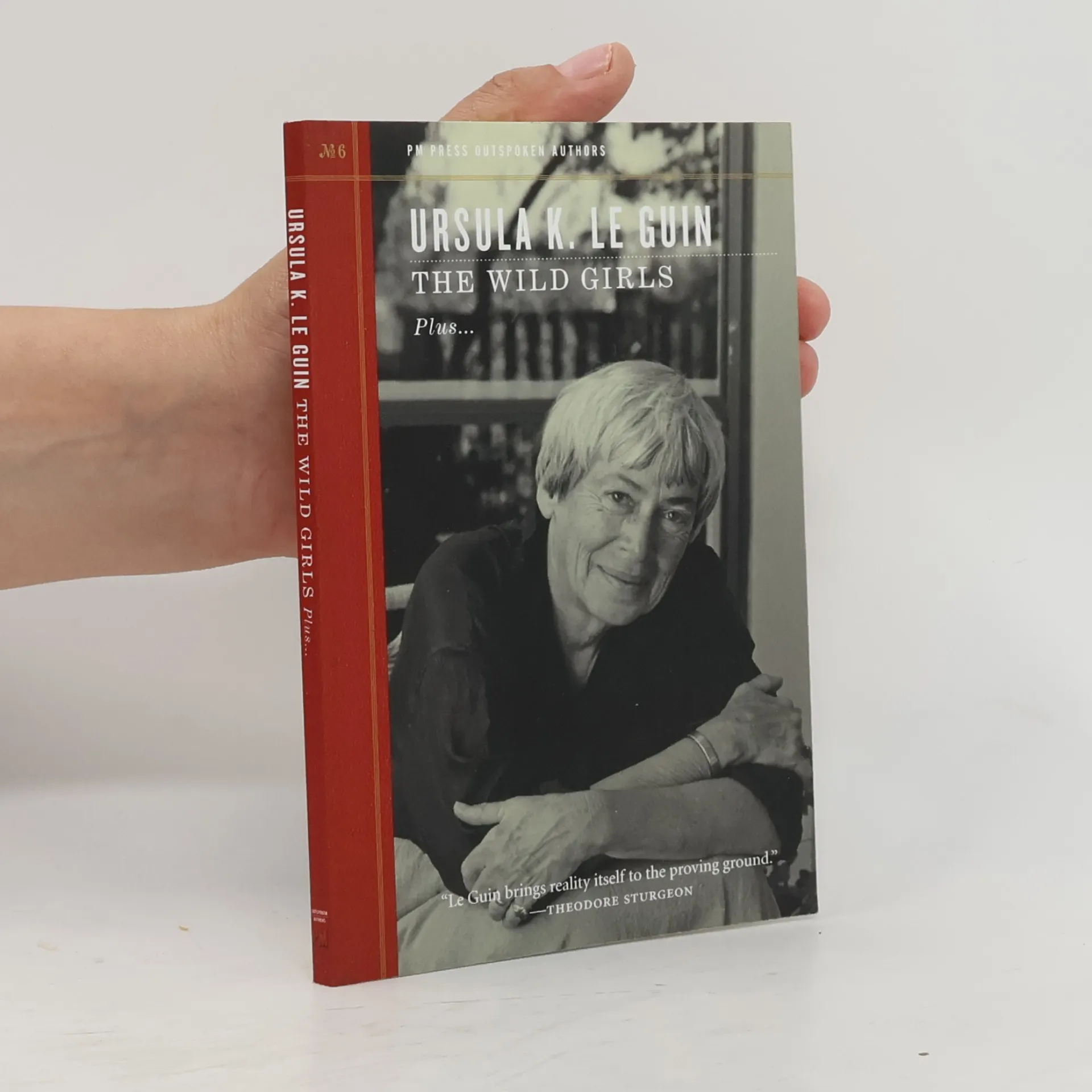
Winner of: Medal for Distinguished Contribution to American Letters, National Book Foundation Newly revised and presented here in book form for the first time, this Nebula Award-winning story tells of two captive "dirt children" in a society of sword and silk, whose determination to find a glimpse of justice leads to a violent and loving end. Also included is the nonfiction essay "Staying Awake While We Read" which demolishes the pretensions of corporate publishing and the basic assumptions of capitalism, and "Outspoken Author Interview," which reveals the hidden dimensions of America's best-known sci-fi author. Content: Wild girls "Staying awake while we read" Poems "Conversation of the modest" "Lovely art" - Outspoken interview with Ursula K. Le Guin.
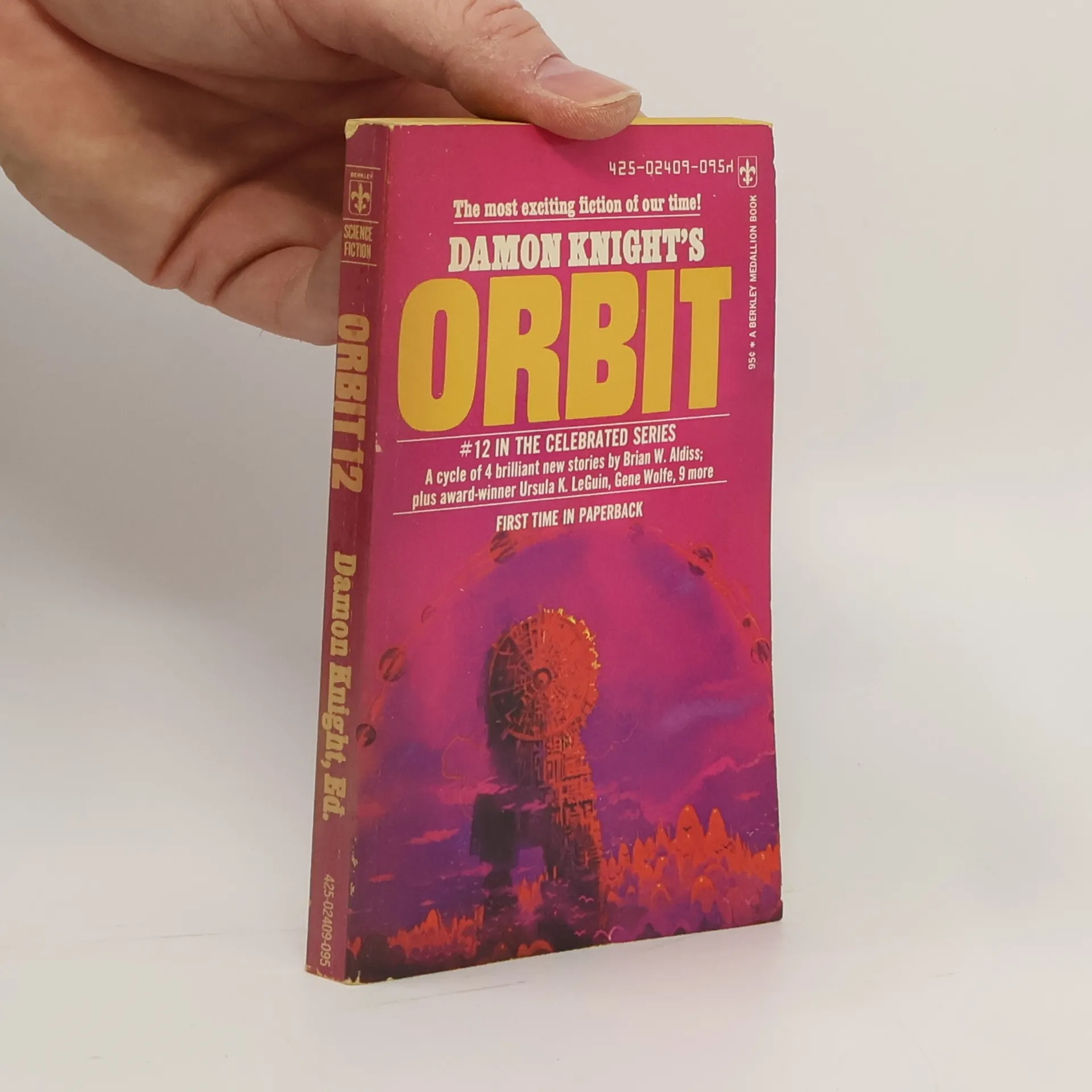
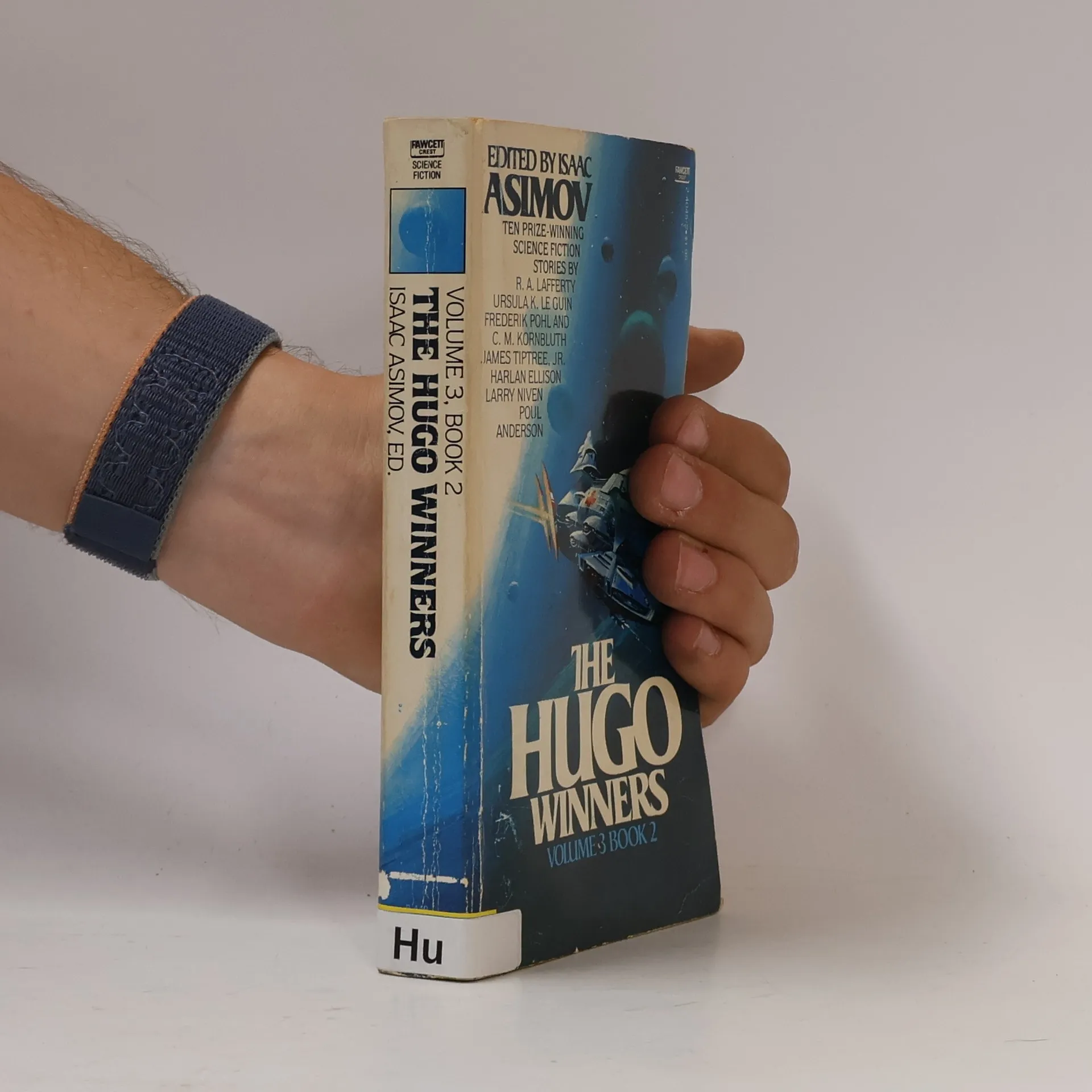
Ten prize-winning science fiction stories R. A. Lafferty, Ursula K. Leguin, Frederick Pohl, C. M. Kornbluth, James Tiptree Jr, Harlan Ellison, Larry Niven, and Poul Anderson.
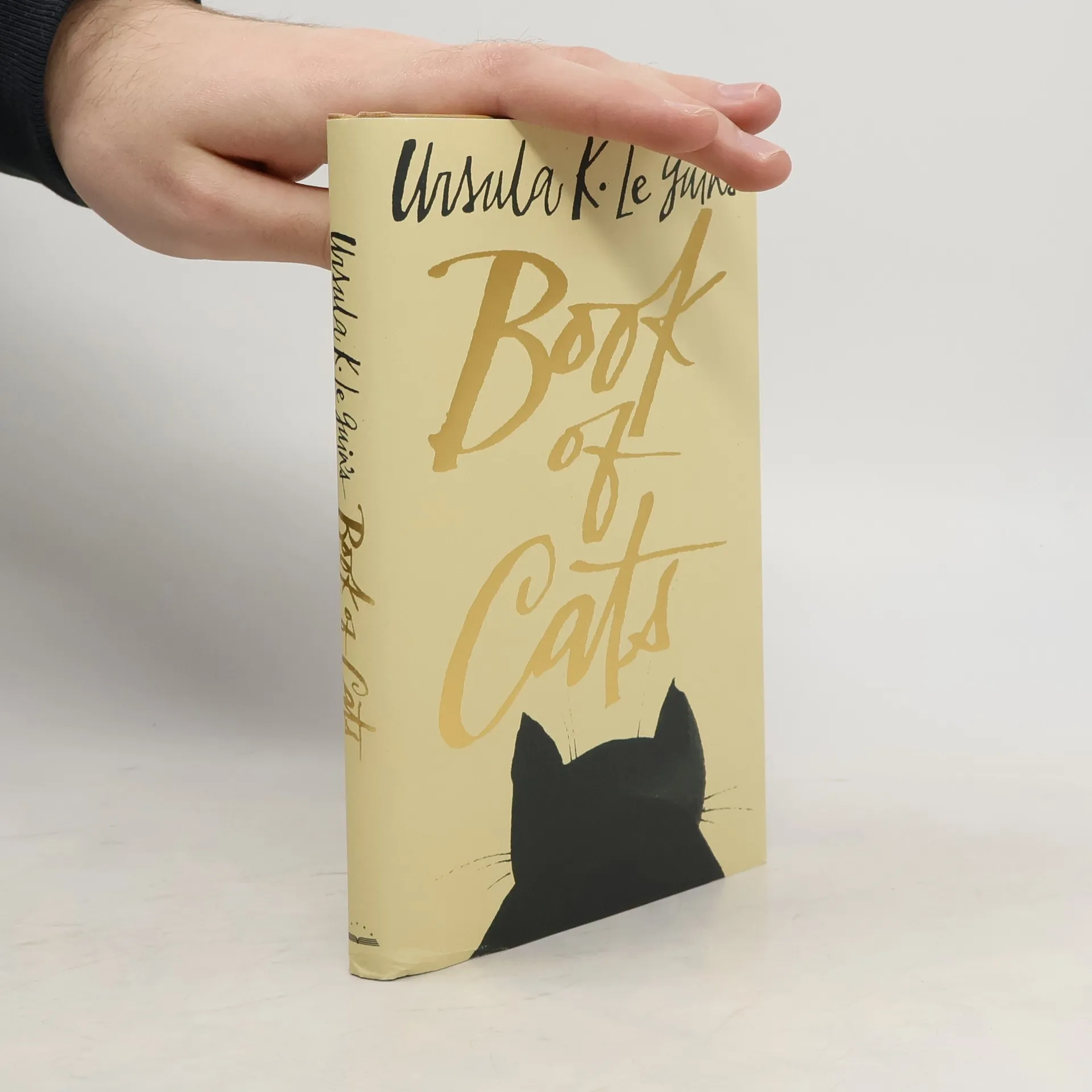
THE PURR-FECT GIFT FOR CAT LOVERS: Discover the literary legend's quirky and winsome cat poems, meditations, and drawings Includes the hard-to-find The Art of Bunditsu, plus 30+ other delights from a lifetime of reflection on the mystery and magic of cats "The presence of a cat keeps me in touch with the mystery, the unreasonableness, the beauty, the stubborn wildness of the nonhuman world." In her life as in her art, Ursula K. Le Guin was fascinated by the feline. This irresistable book about cats gathers poems, mediations, and drawings dedicated to the complicated creature that her captured her imagination. Here are: The Art of Bunditsu, Le Guin's hard-to-find “tabbist” meditation on the arranging of cats 26 cat poems, many illustrated by Le Guin herself The Historic First Issue! of Le Guin's one-of-a-kind cat comic book, Supermouse Comix! Cat Correspondence: letters between Le Guin’s cat and those of her daughter detailing the Five Deliberations that cats spend their lives studying Cat Tai Chi, as depicted in a charming series of drawings A first-of-its-kind collection from a science fiction legend, this delightful purr-purri is a gift for cat lovers and Le Guin fans!