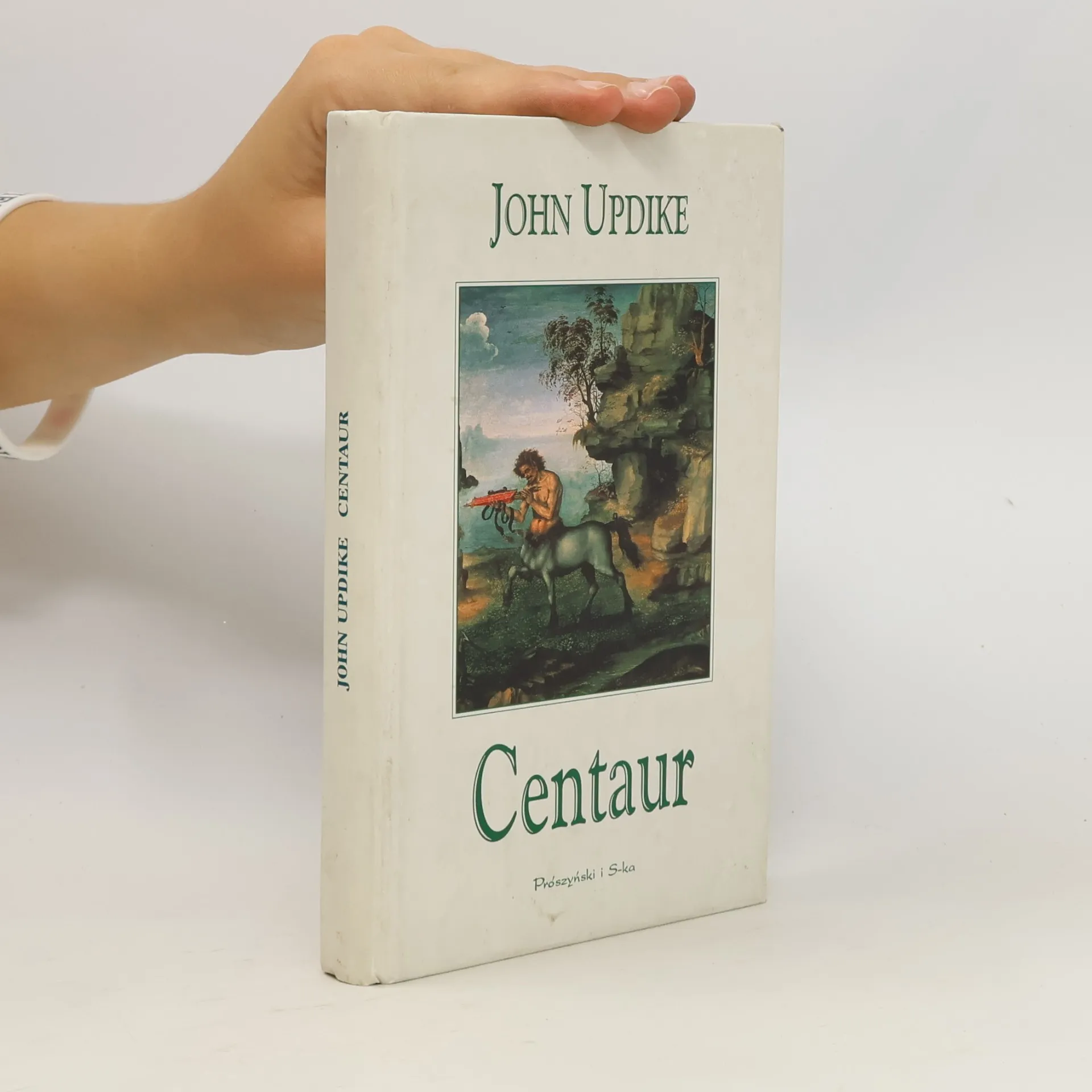
W 1974 r. wojskowy zamach stanu pozbawił tronu władcę Etiopii, Hajle Sellasje
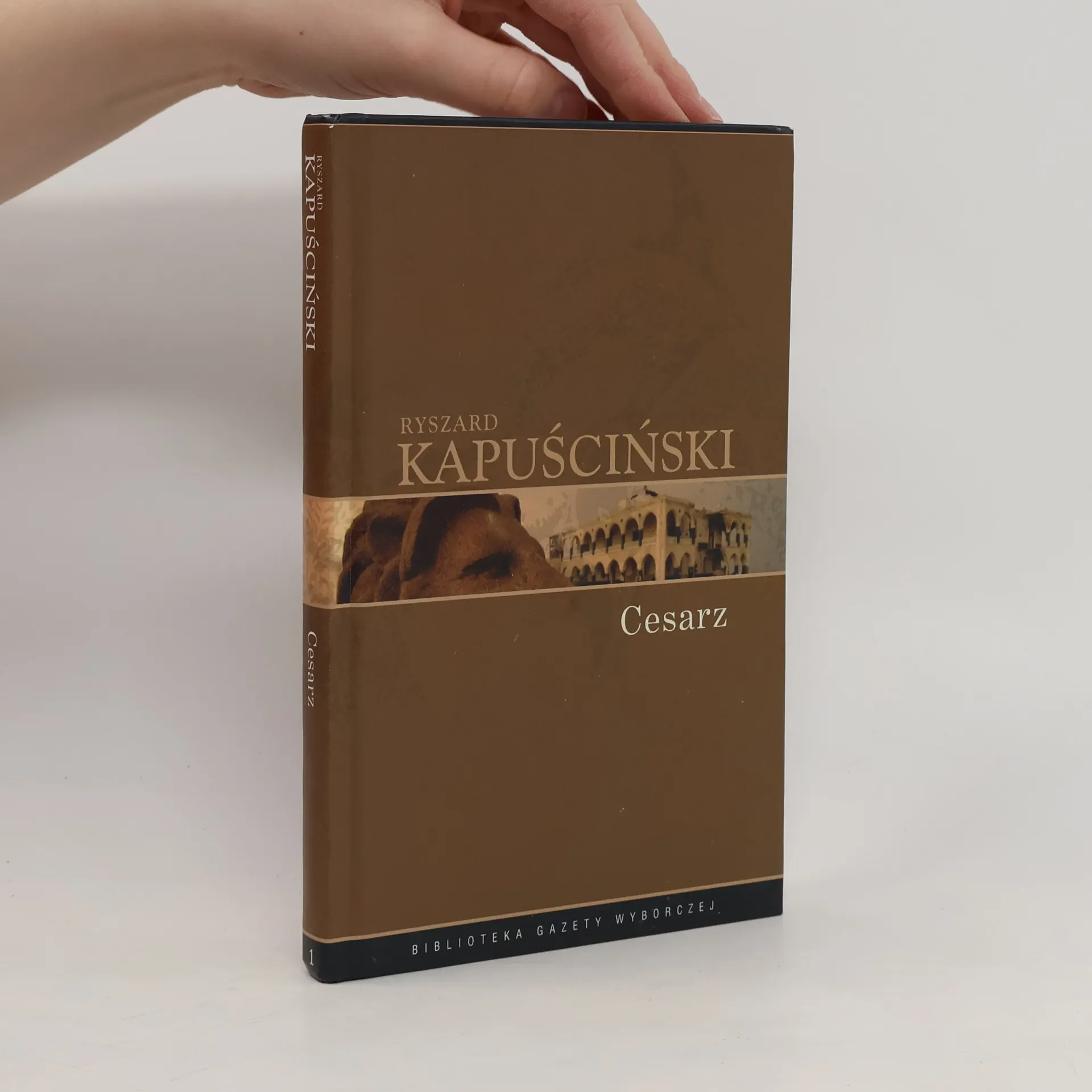
I. Opublikowany cztery lata później "Cesarz" nie jest kronikarskim zapisem
tego przewrotu, lecz niezwykle oryginalną opowieścią o funkcjonowaniu dworu
cesarskiego i ludziach otaczających monarchę, a także szerzej o... číst celé
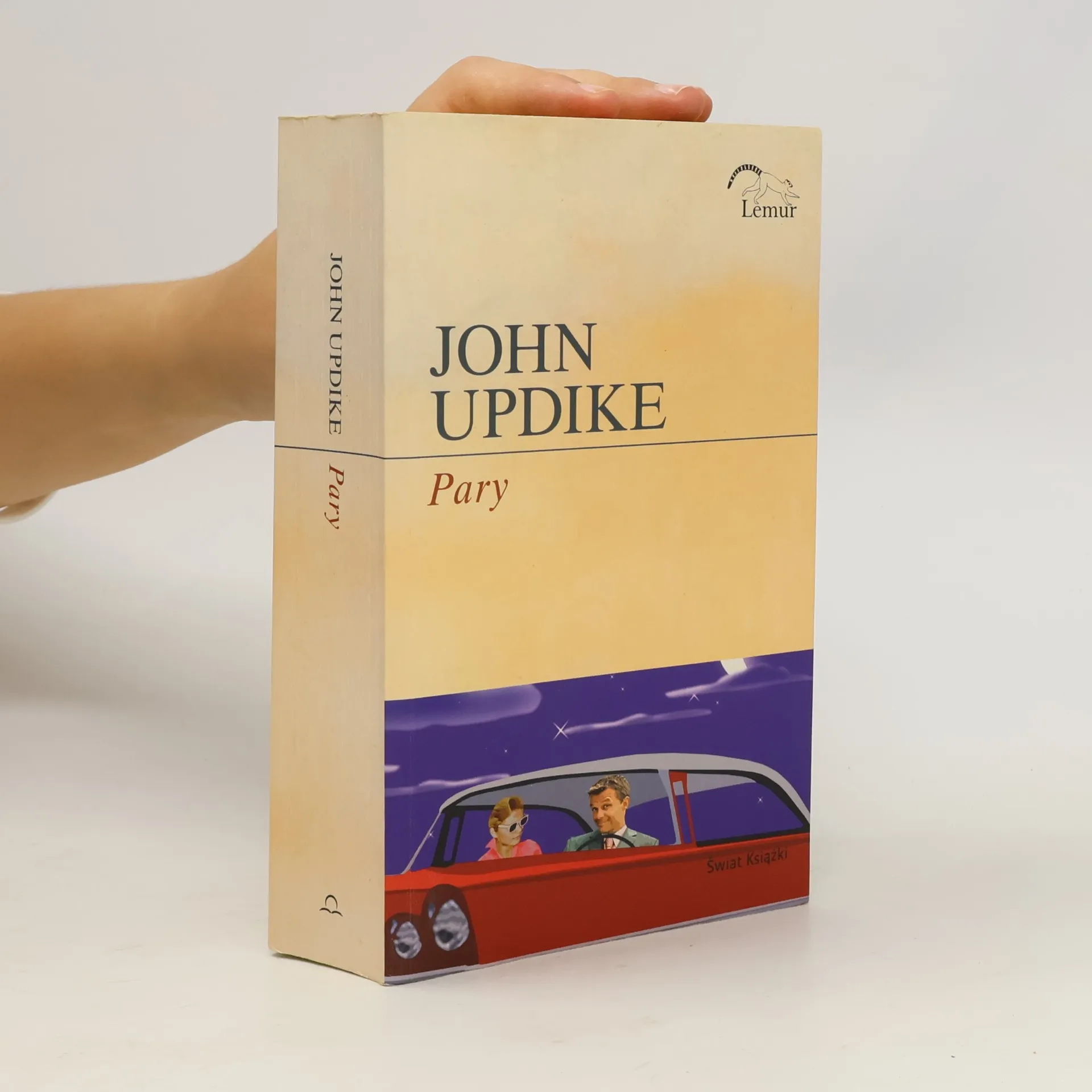
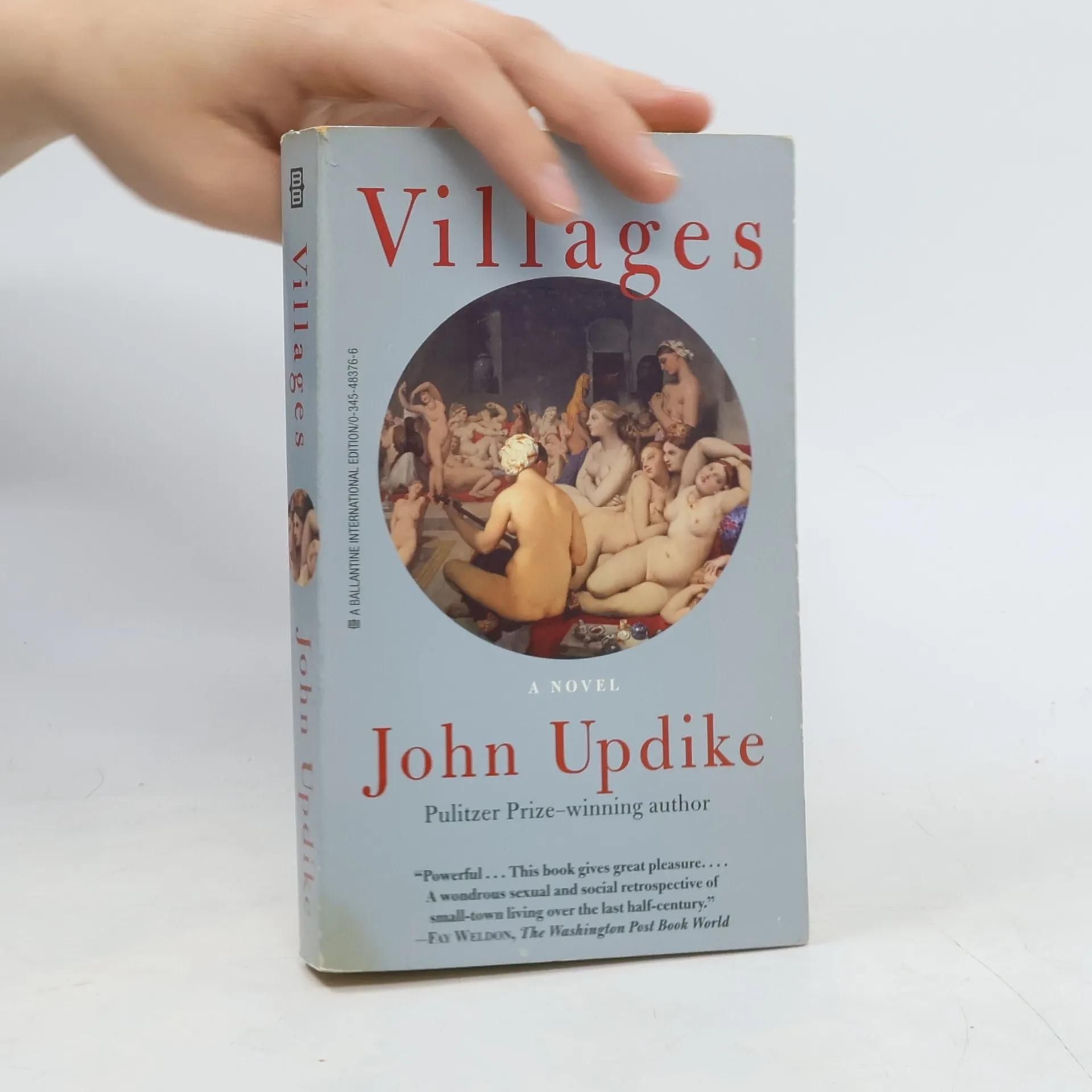
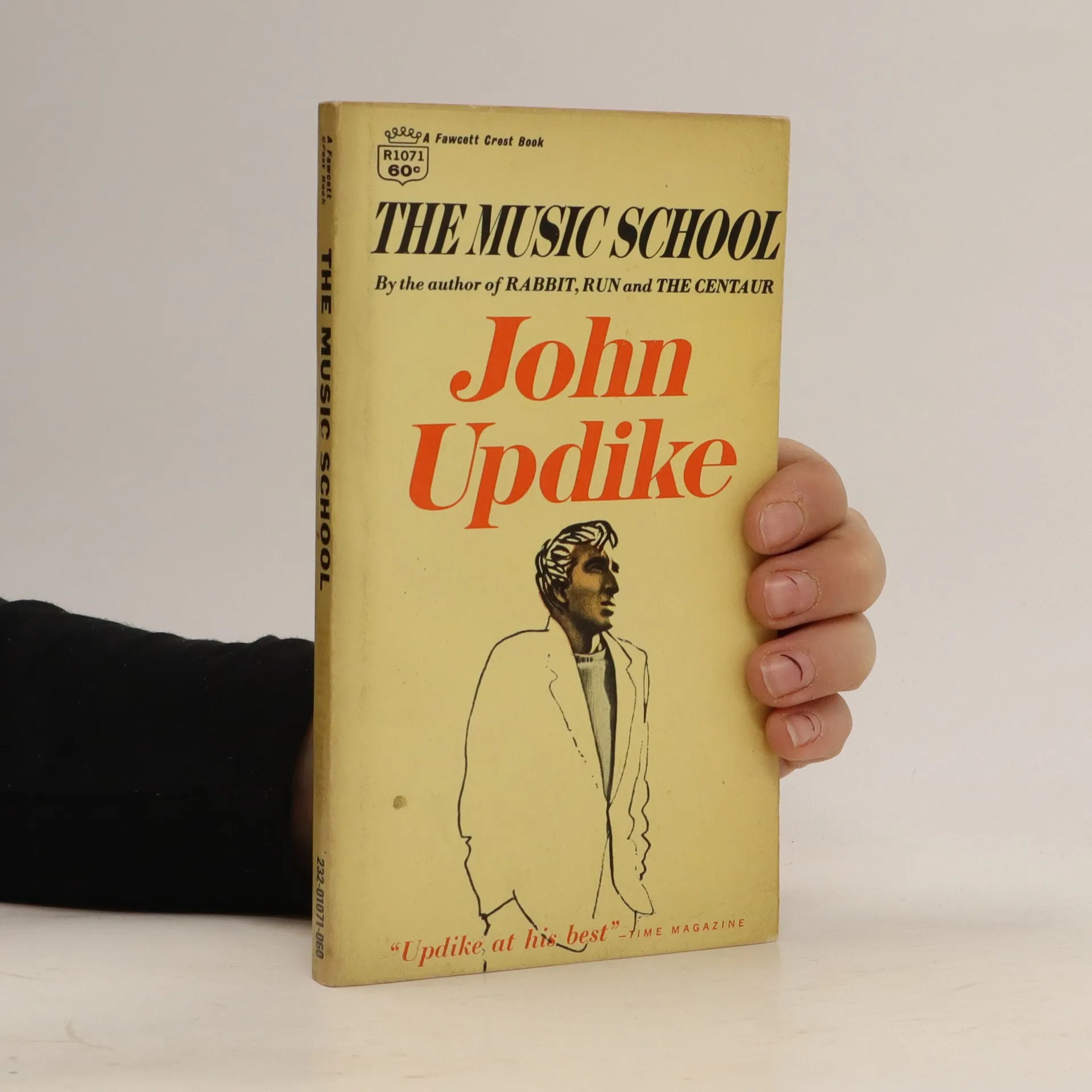
Wybitna i kontrowersyjna powieść o partnerstwie, miłości i pożądaniu. Updike przedstawia rok z życia zaprzyjaźnionej grupy dziesięciu małżeństw z niewielkiego miasteczka. Razem bawią się i pomagają sobie przy dzieciach, oceniają się, porównują i - zdradzają. Pojawienie się nowej pary elektryzuje największego z cudzołożników, Pieta Hanemę. Skutki jego romansu z ciężarną Foxy powodują, że na światło dzienne wychodzą tajemnice, które zmieniają życie całej grupy... Brutalnie szczere, poruszające arcydzieło psychologiczno-obyczajowe, osadzone w Ameryce roku 1963.
Harry Królik Angstrom, niegdyś mistrz drużyny koszykówki w college'u, obecnie
pracownik domu towarowego, trudniący się reklamą cudownej maszynki do
obierania jarzyn, czuje się zagubiony w otaczającym go świecie. Należy do tej
części amerykańskiej klasy średniej lat pięćdziesiątych, która na ogół biernie
akceptuje amerykański styl życia. A jednak, pod wpływem impulsu, porzuca żonę,
córkę bogatego pośrednika handlu samochodami, i ucieka przed jałową
konsumpcyjną egzystencją, przed wegetacją, w której gimnastyka seksualna
zastępuje uczucia. Nie jest to ucieczka dla samej ucieczki - Królik szuka
innych wartości, potwierdzenia wiary w zasady, dzięki którym jego byt
mieściłby się w ramach jakiegoś wielkiego ładu. Przypominamy skrzącą się
humorem najsłynniejszą powieść wnikliwego obserwatora codzienności.
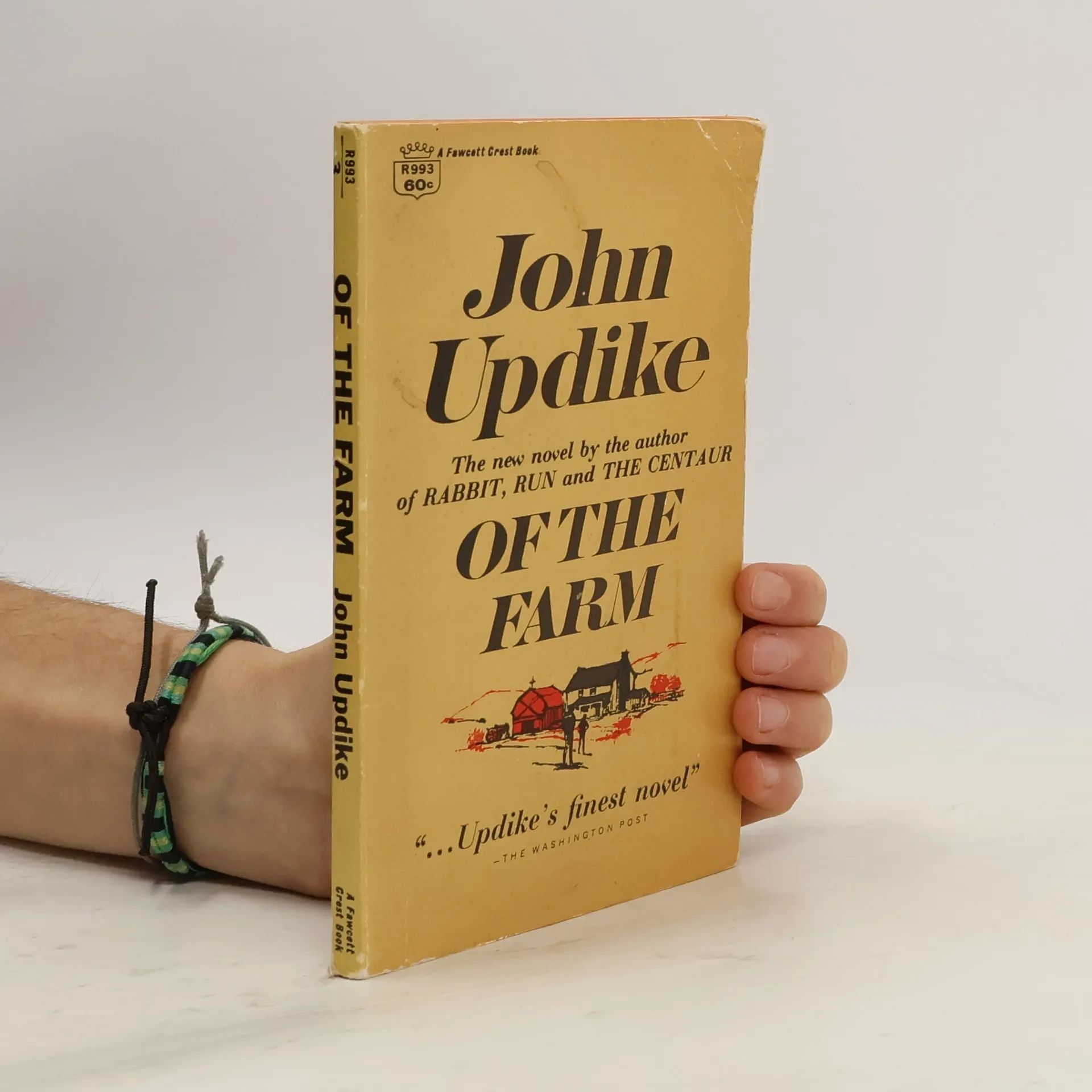
Powrót Joey'a Robinsona na jego rodzinną farmę skłania go do głębokiej refleksji nad wyborami życiowymi, które podjął, oraz nad relacją z drugą żoną, Peggy, i jej synem. W ciągu trzech dni para stawia czoła złożoności miłości i intymności, ujawniając napięcia, które kwestionują ich więź. Ta wizyta nie tylko ożywia wspomnienia, ale także odsłania nowe słabości, zmuszając Joey'a do ponownej oceny przeszłości, podczas gdy zmaga się z aktualnymi dynamikami rodzinnymi i zobowiązaniami.
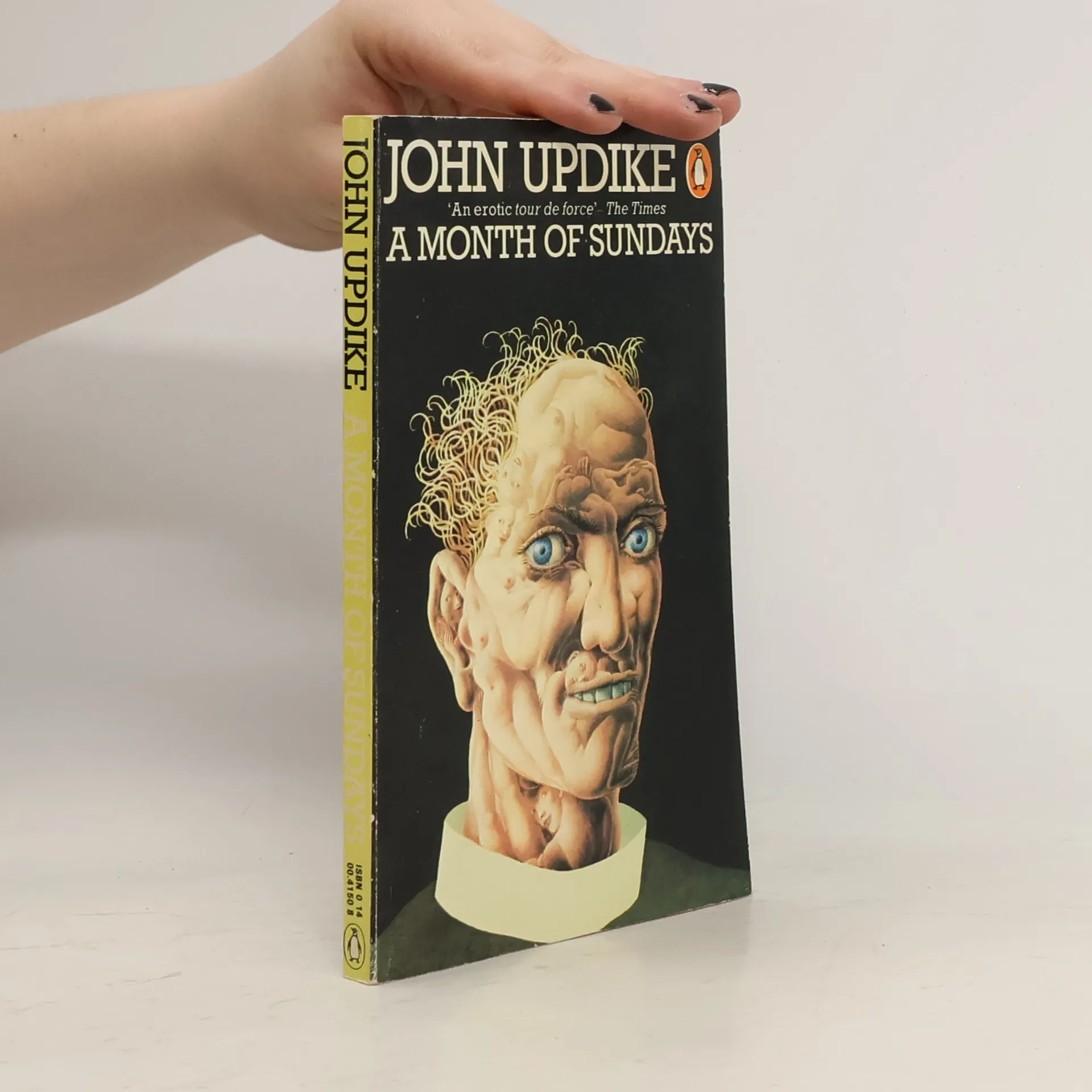
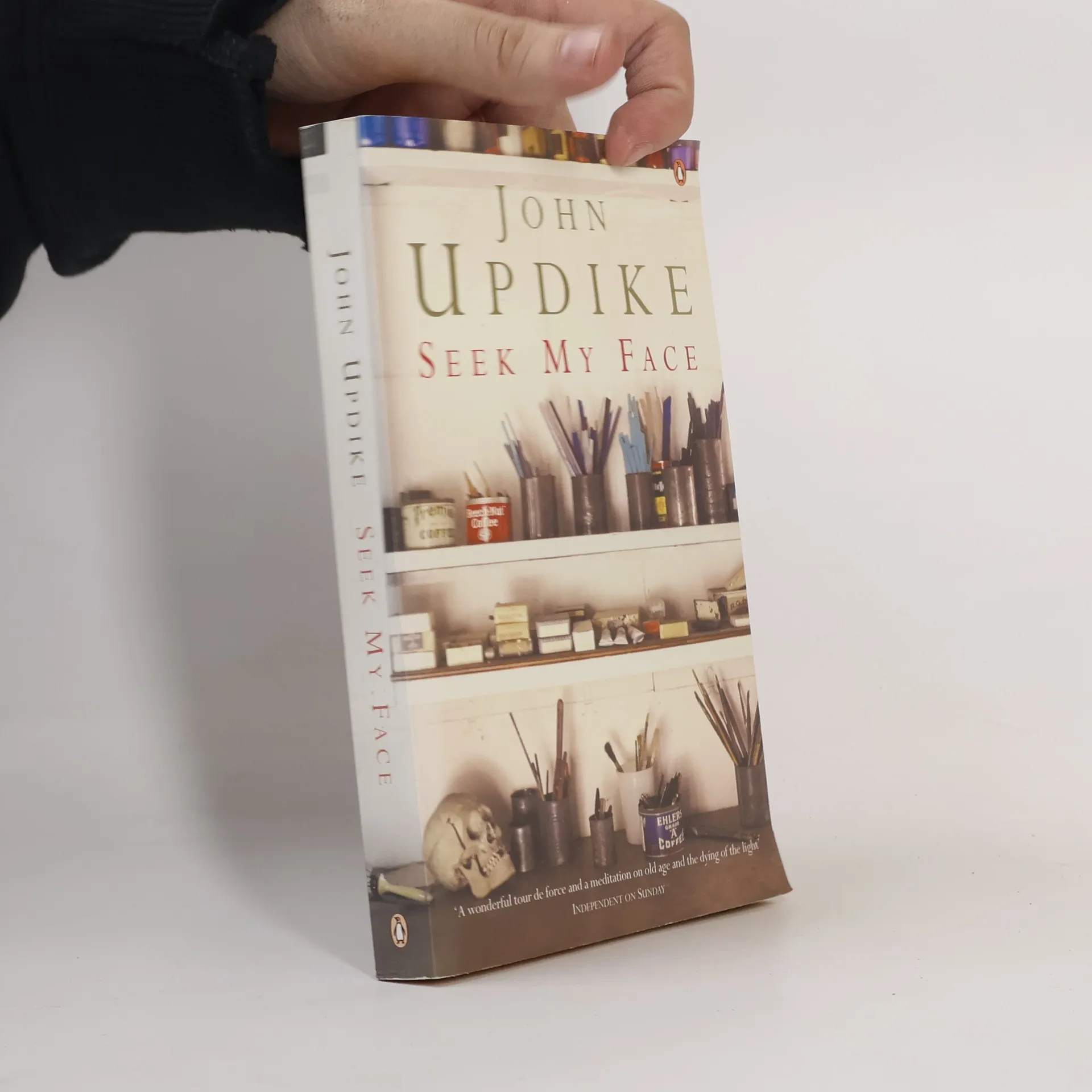
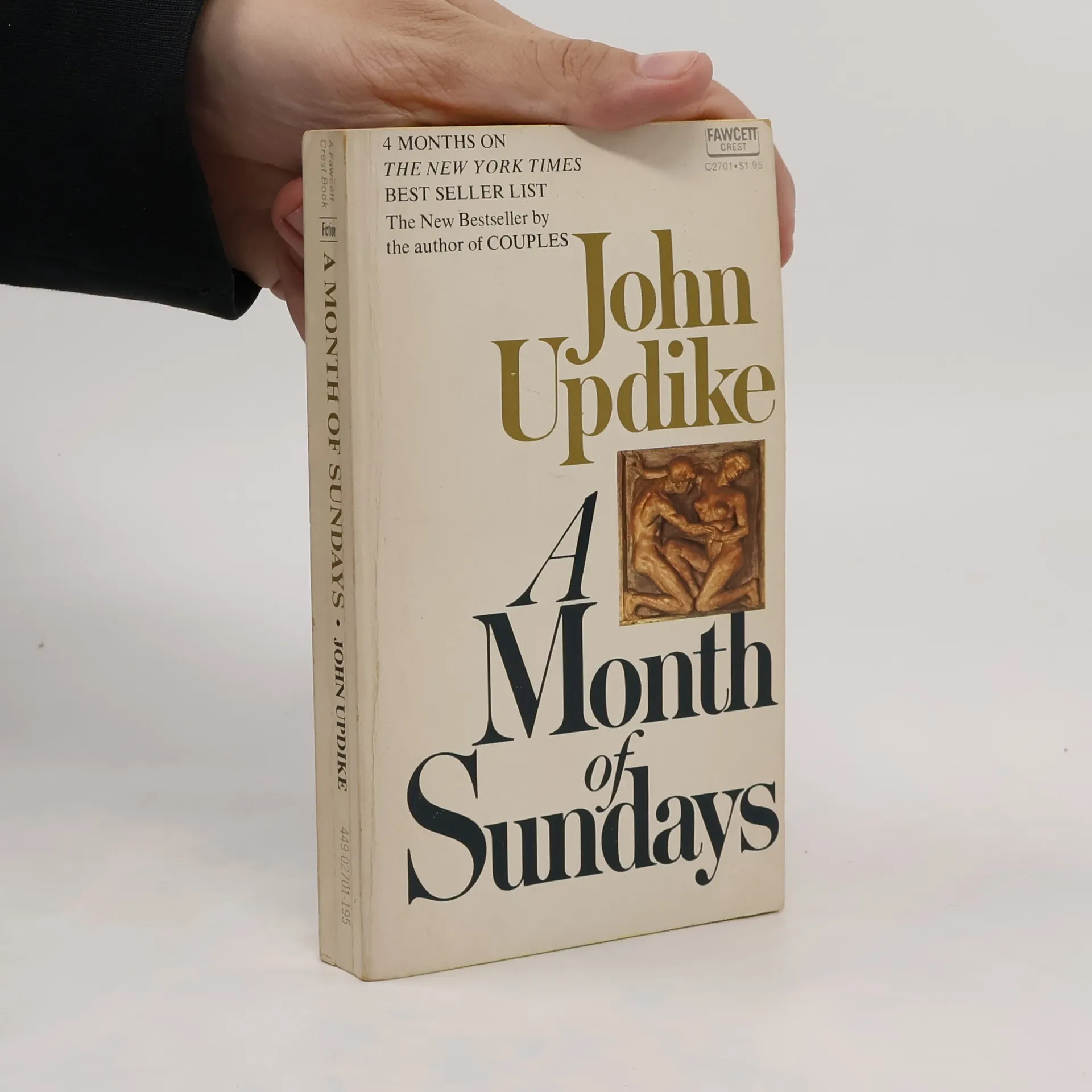
W połowie lat siedemdziesiątych w Ameryce ogarniętej rewolucją seksualną pastor Tom Marshfield, choć żonaty, cudzołoży bez umiaru. Gdy sprawa wychodzi na jaw i w parafii wybucha skandal, trafia do specjalnego ośrodka dla „upadłych” księży. Przez miesiąc ma za zadanie – w ramach terapii – codziennie prowadzić zapiski. I każdego dnia rano, spisując swoją historię, wspominając dzieciństwo i lata młodości, snuje rozważania na temat życia i śmierci, seksu, Boga, natury cudów, małżeństwa, zdrady, chrześcijaństwa, wiary i wielu innych kwestii. Siłą nawyku „wygłasza” również kilka kazań, w których prezentuje dość niekonwencjonalne podejście do biblijnych treści. Z tej miejscami zabawnej, miejscami zaś poruszającej spowiedzi, pełnej błyskotliwych spostrzeżeń, freudowskich pomyłek i gier słownych, wyłania się jedna z najbardziej barwnych i kontrowersyjnych postaci stworzonych przez Updike’a – lubieżnego duchownego, którego jedyną przypadłością, według własnej diagnozy, jest człowieczeństwo. Spośród utworów Johna Updike’a (1932–2009) Rebis opublikował w serii „Mistrzowie literatury” jego powieści Szukajcie mego oblicza i Miasteczka oraz zbiory opowiadań A potem... i Łzy mojego ojca, natomiast w serii z Salamandrą – Terrorystę, powieść zaliczaną do najważniejszych dzieł literackich ostatnich lat, oraz Czarownice z Eastwick i Wdowy z Eastwick.
The third and fourth novel in John Updike's acclaimed quartet of Rabbit books -- now in one marvelous volume. RABBIT IS RICHWinner of the American Book Award andthe National Book Critics Circle Award"Dazzlingly reaffirms Updike's place as master chronicler of the spiritual maladies and very earthly pleasure of the Middle-American male."Vogue"A splendid achievement!"The New York TimesRABBIT AT RESTWinner of the Pulitzer Prize andthe National Book Critics Circle Award"Brilliant . . . It must be read. It is the best novel about America to come out of America for a very, very long time."The Washington Post Book World"Powerful . . . John Updike with his precision's prose and his intimately attentive yet cold eye is a master."The New York Times Book Review
Winner of the National Book Critics Circle Award for criticism, Hugging the Shore is an enormously intelligent, witty collection of essays by John Updike. The Pulitzer Prize-winning novelist sheds keen light on everything from the first kiss to going barefoot to the world's greatest writers. First time in paper.
Newly revised by the author for this edition, and printed together in one volume for the first time, Updike's four Rabbit novels chronicle the history of a man and a nation from the 1950s to the 1980s. Harry 'Rabbit' Angstrom, athlete, is Mr Middle America. Dazzling in style, tender in feeling, often erotic in description and coruscating with realistic details which recreate a world in each novel, these books give a complete picture of their age.
Including one new story and an Index by author of every story that has ever appeared in the series, this new volume offers a "spectacular tapestry of fictional achievement" ("Entertainment Weekly").
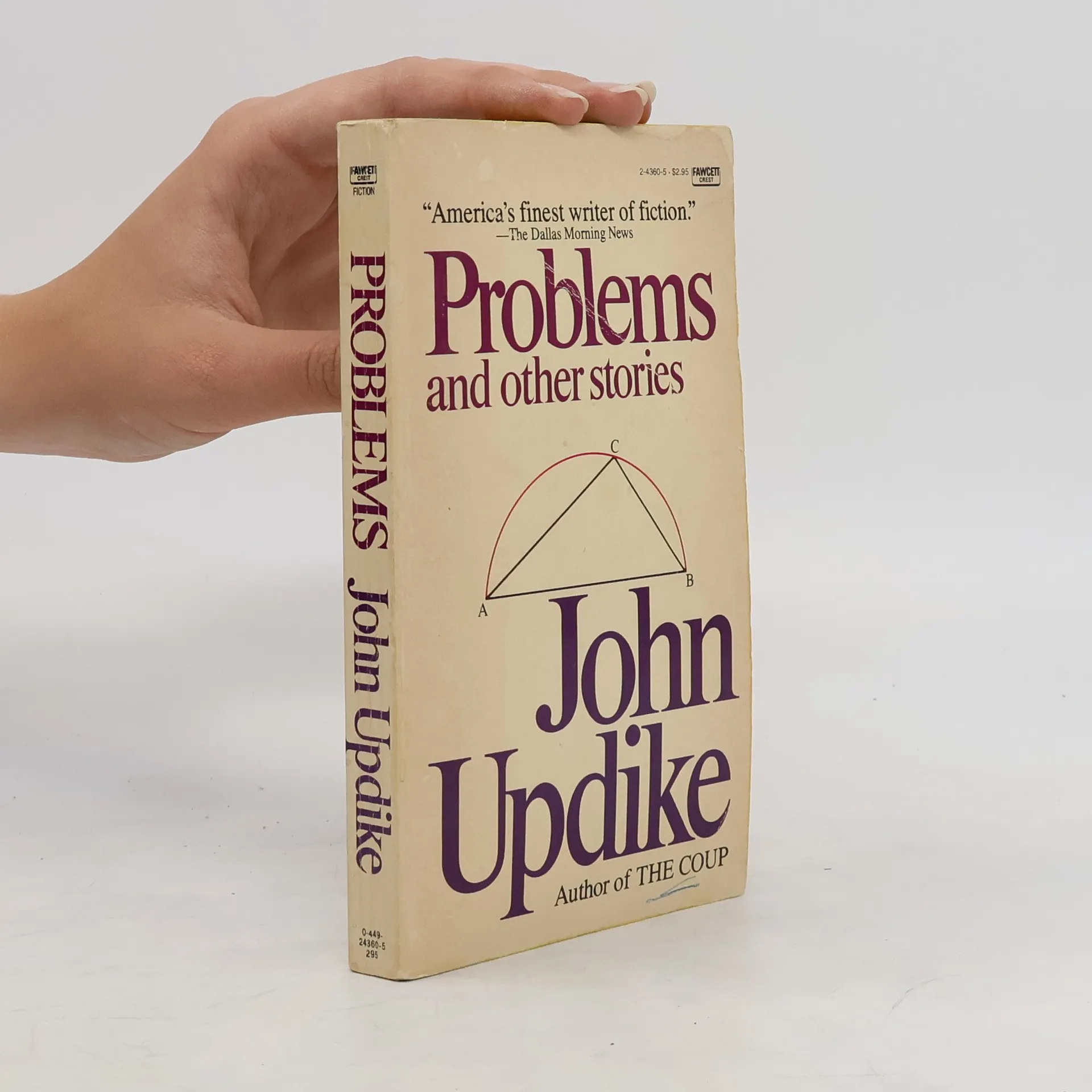
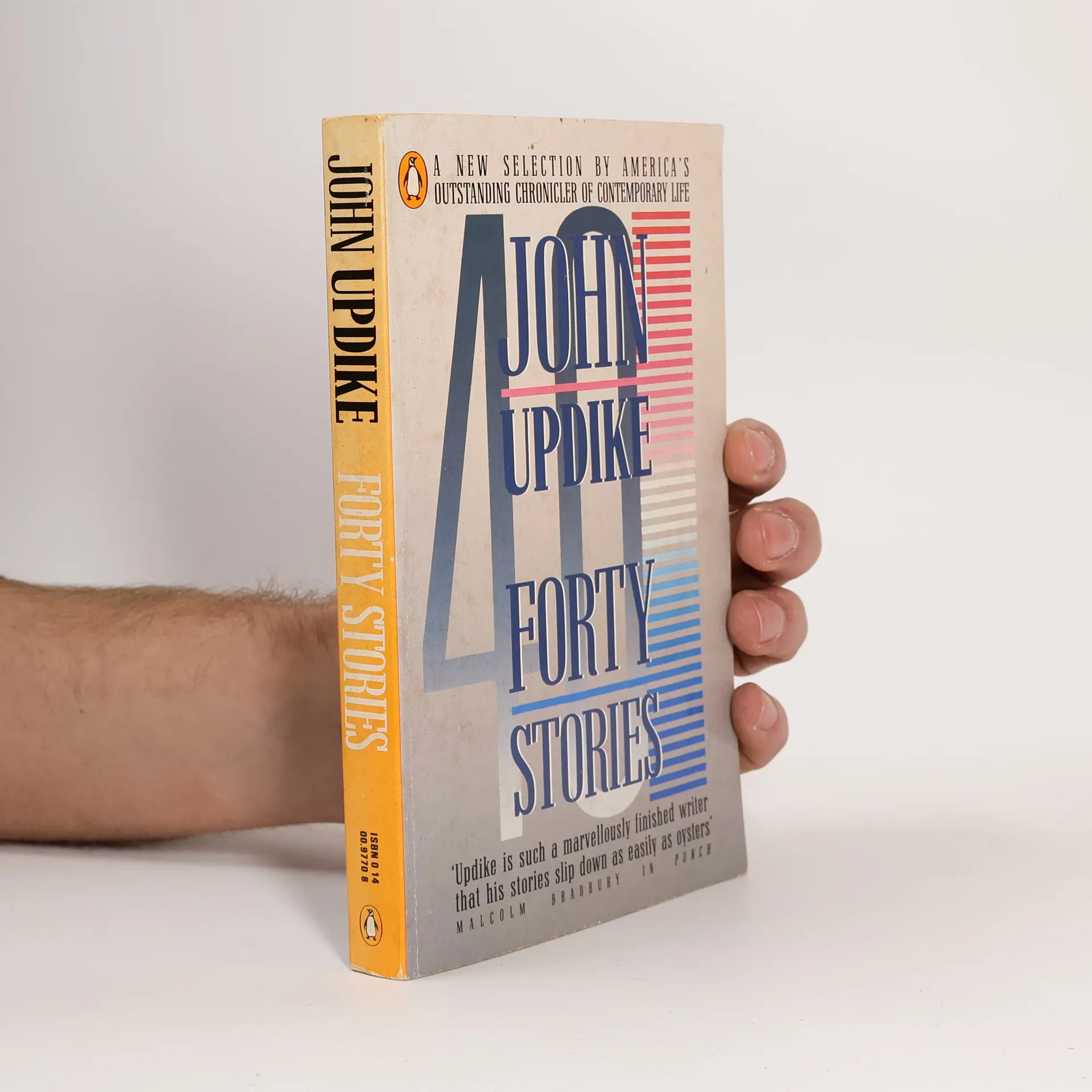
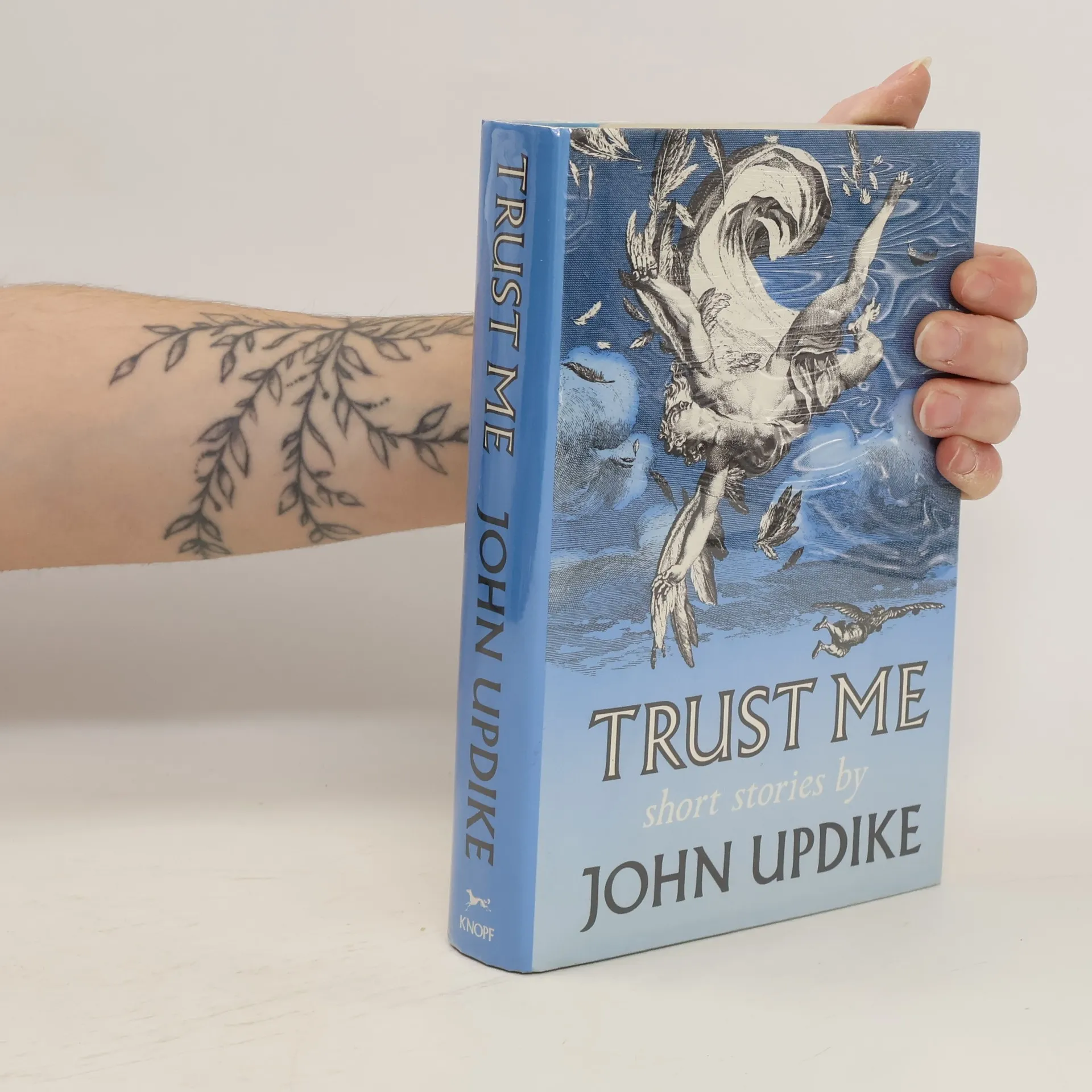
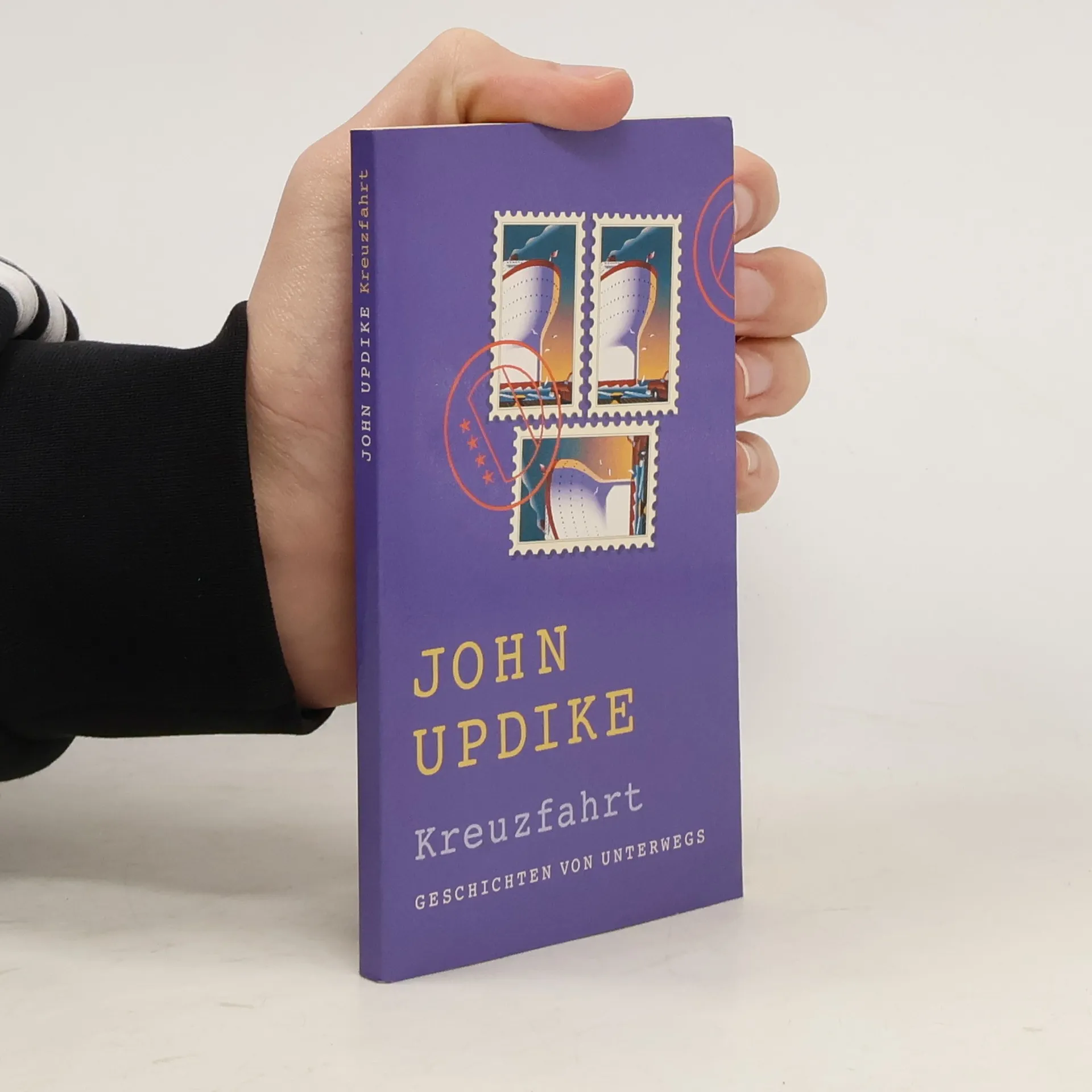
John Updike's first collection of new short stories in seven years deals with such problems as divorce and remarriage, parents and children, prostitution and leprosy, extinct mammals and guilt-gems, resigning from a committee and getting in and out of Ethiopia.
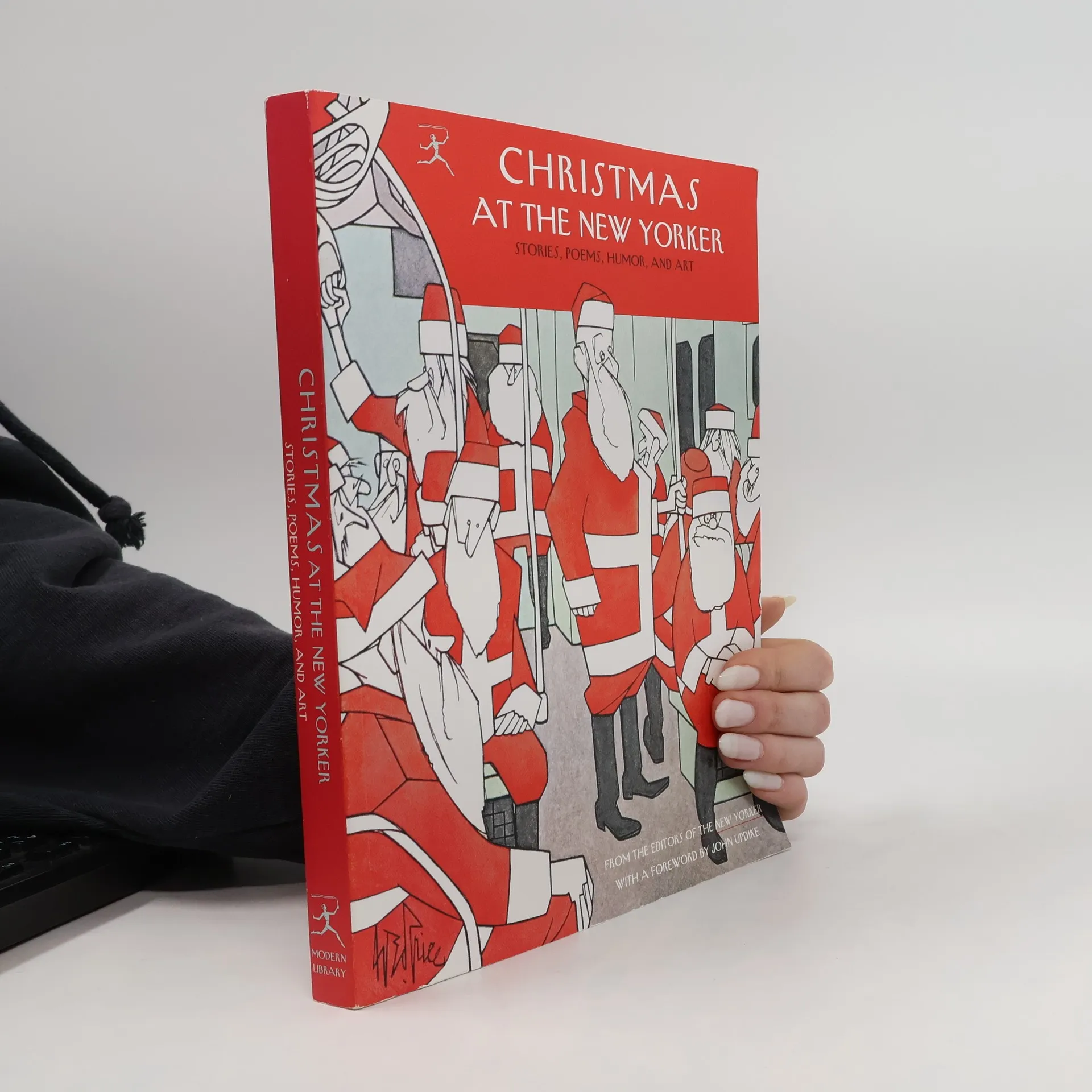
From the pages of America’s most influential magazine come eight decades of holiday cheer–plus the occasional comical coal in the stocking–in one incomparable collection. Sublime and ridiculous, sentimental and searing, Christmas at The New Yorker is a gift of great writing and drawing by literary legends and laugh-out-loud cartoonists.Here are seasonal stories, poems, memoirs. and more, from a stellar roster of writers, including John Cheever, James Dickey, Richard Ford, Ken Kesey, Alice Munro, Vladimir Nabokov, S. J. Perelman, Adrienne Rich, and James Thurber. And it wouldn’t be Christmas–or The New Yorker–without dozens of covers and cartoons by Addams, Arno, Chast, and others, or the mischievous verse of Roger Angell, Calvin Trillin, and Ogden Nash (“Do you know Mrs. Millard Fillmore Revere? / On her calendar, Christmas comes three hundred and sixty-five times a year.”)From Jazz Age to New Age, E. B. White to Garrison Keillor, these works represent eighty years of wonderful keepsakes for Christmas, from The New Yorker to you.
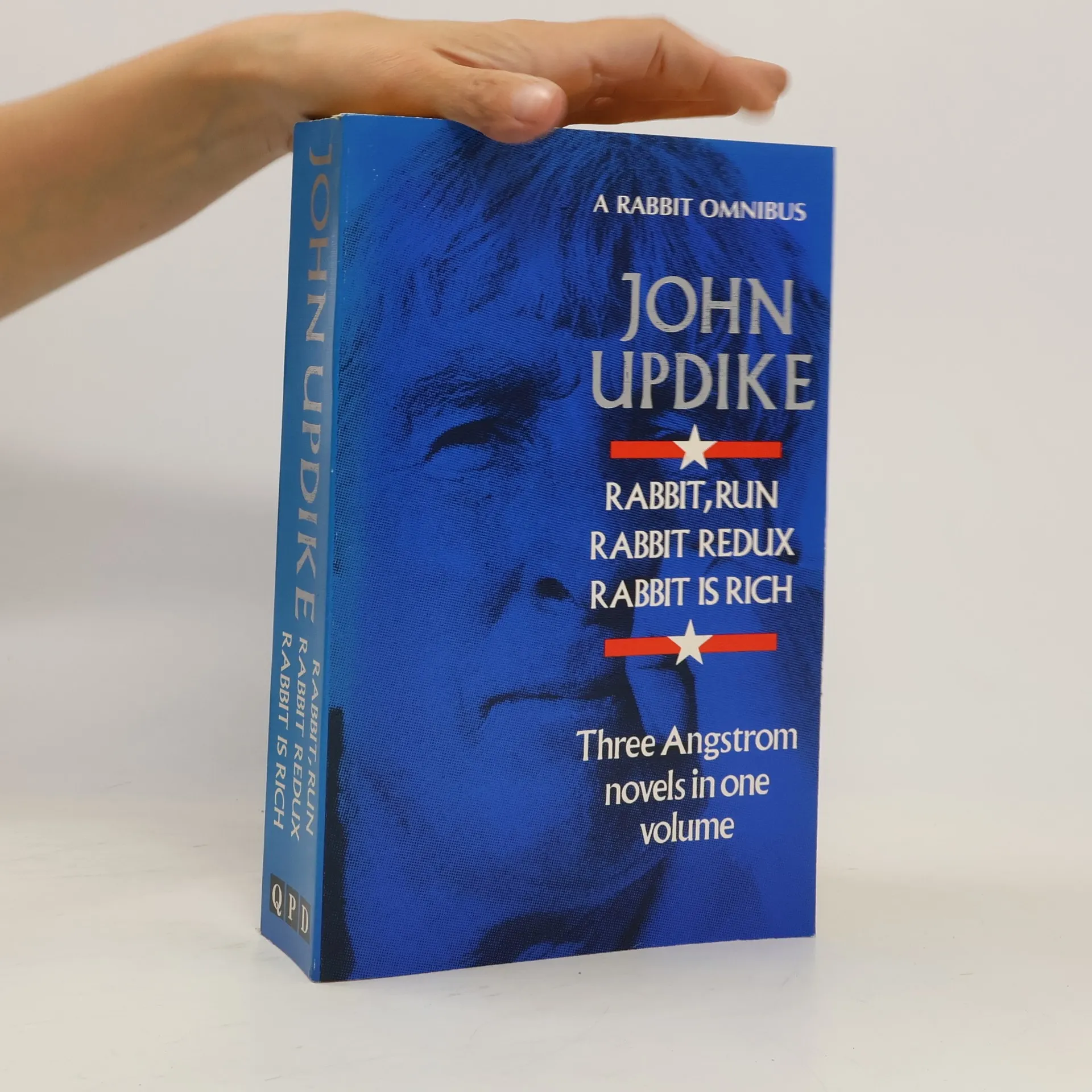
The trilogy comprises of Rabbit, Run, Rabbit Redux and Rabbit is Rich. It is intended as an amusing, sympathetic study of a man, Rabbit Angstron, putting up a fight against the inevitable.
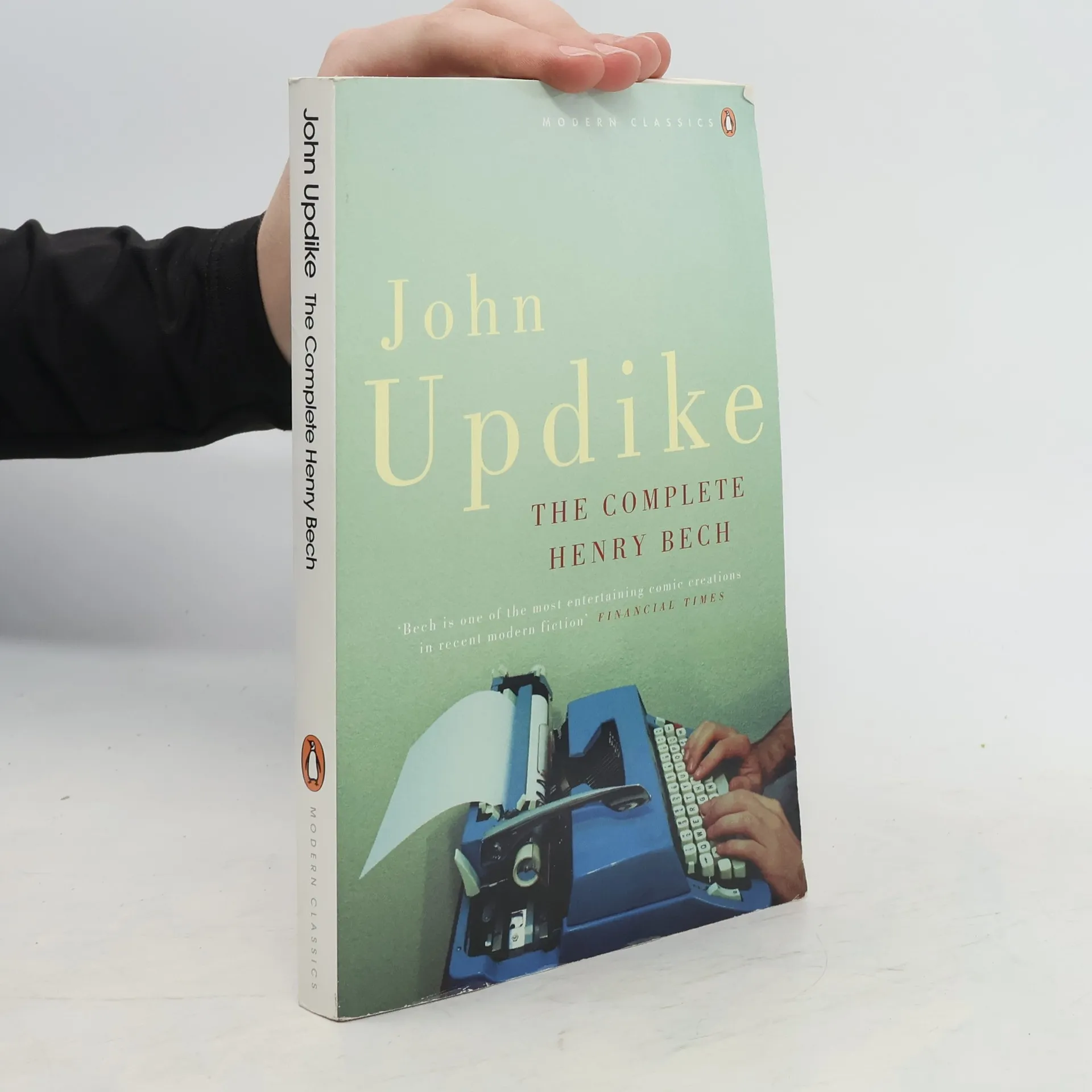
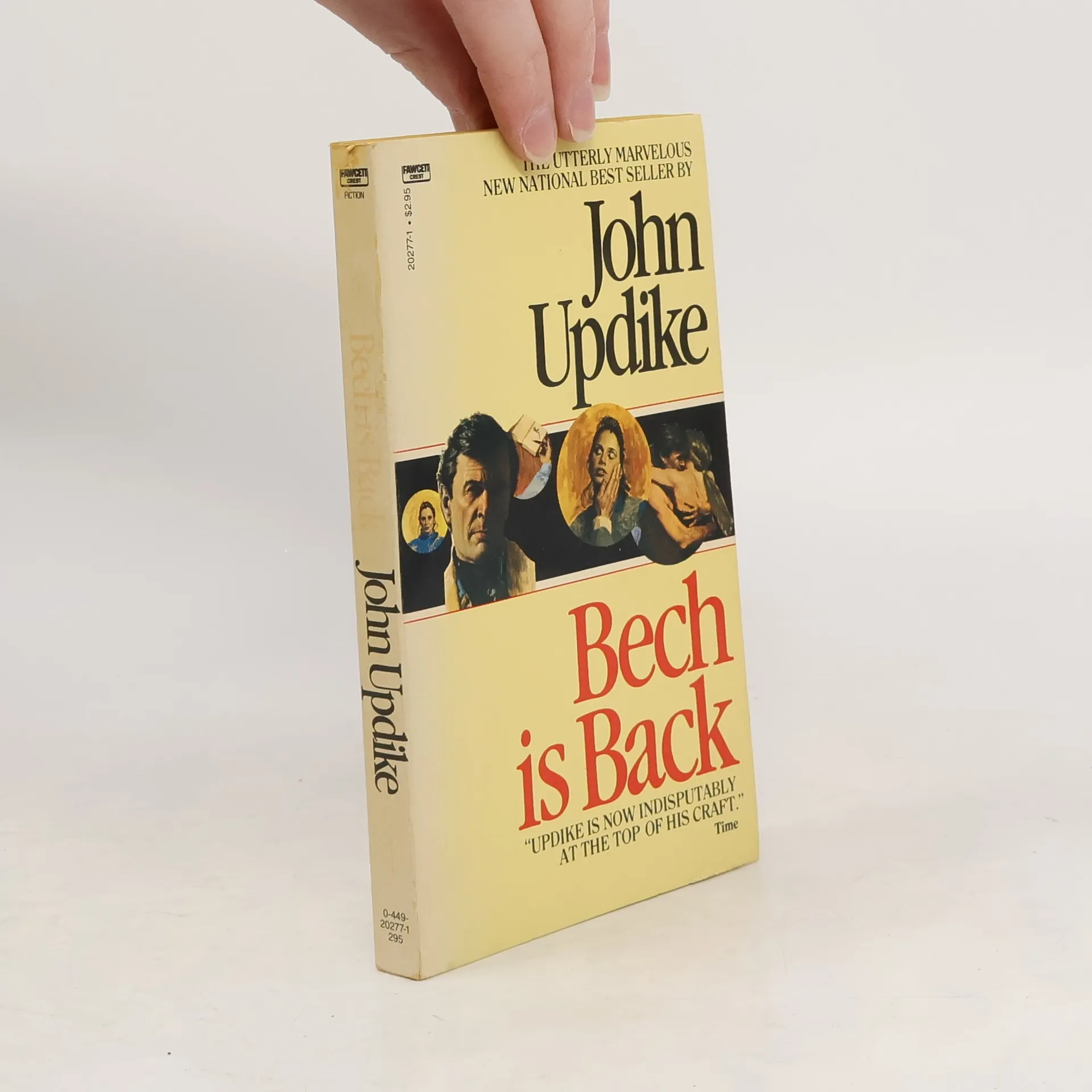
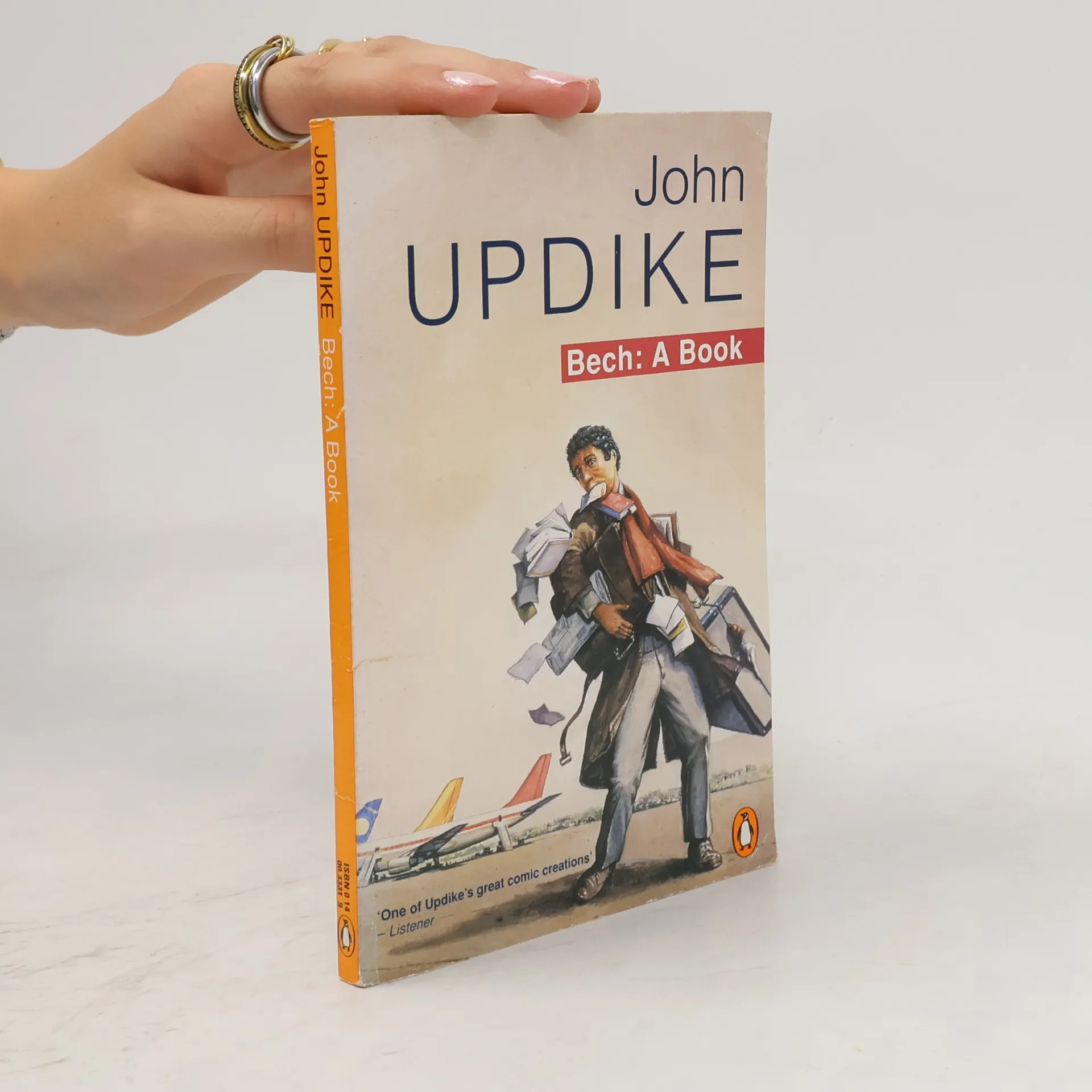
Henry Bech, the celebrated author of Travel Light, has been scrutinized,
canonized and vilified by critics and readers across the world. This work
explores the writing life and what happens when a writer becomes a literary
celebrity.
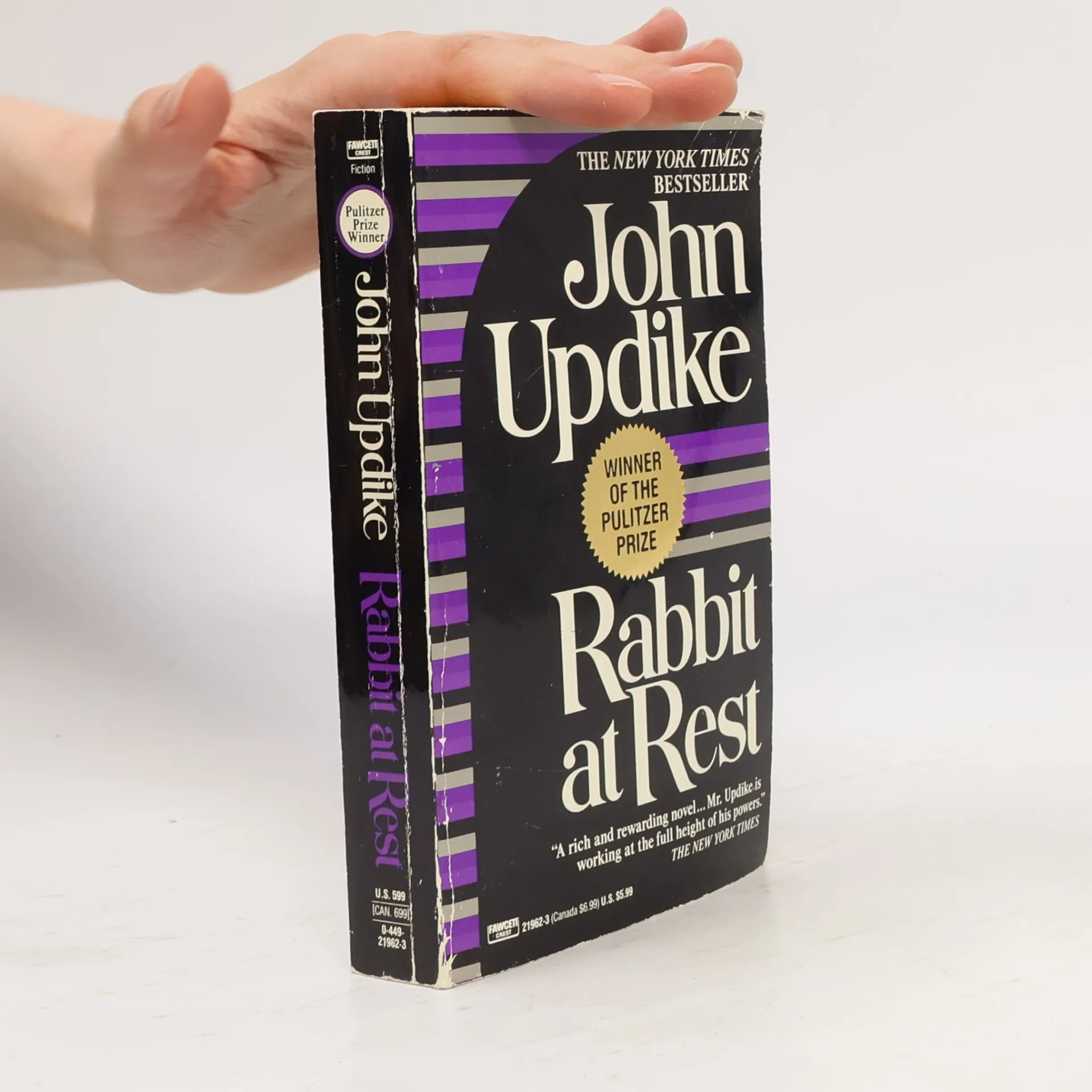
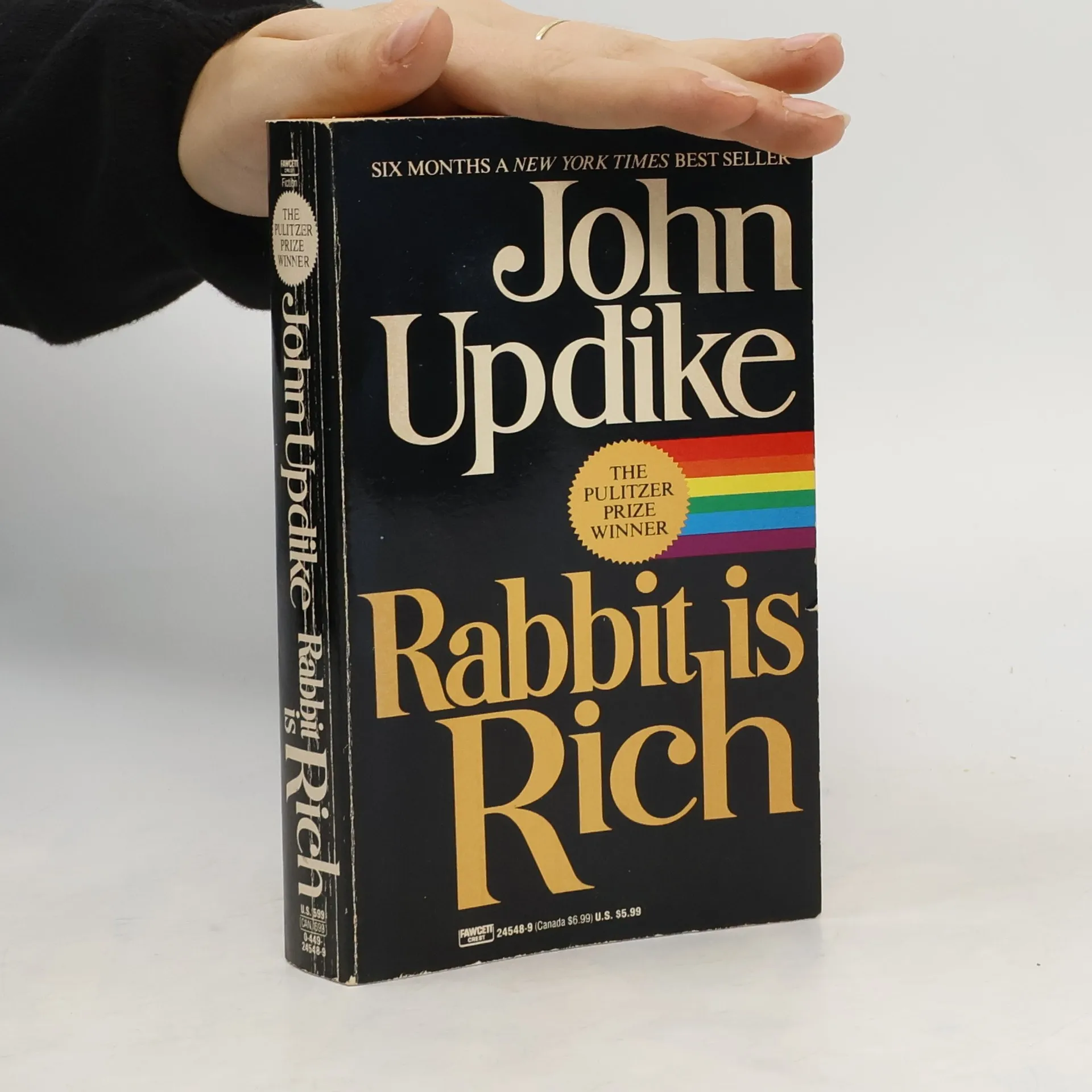
Winner of the 1991 Pulitzer Prize for Fiction. In John Updike's fourth and final novel about ex-basketball player Harry "Rabbit" Angstrom, the hero has acquired heart trouble, a Florida condo, and a second grandchild. His son and daughter-in-law are acting erratically, his wife Janice wants to work, and Rabbit is searching his soul, looking for reasons to live.... "Brilliant...It must be read." THE WASHINGTON POST BOOK WORLD
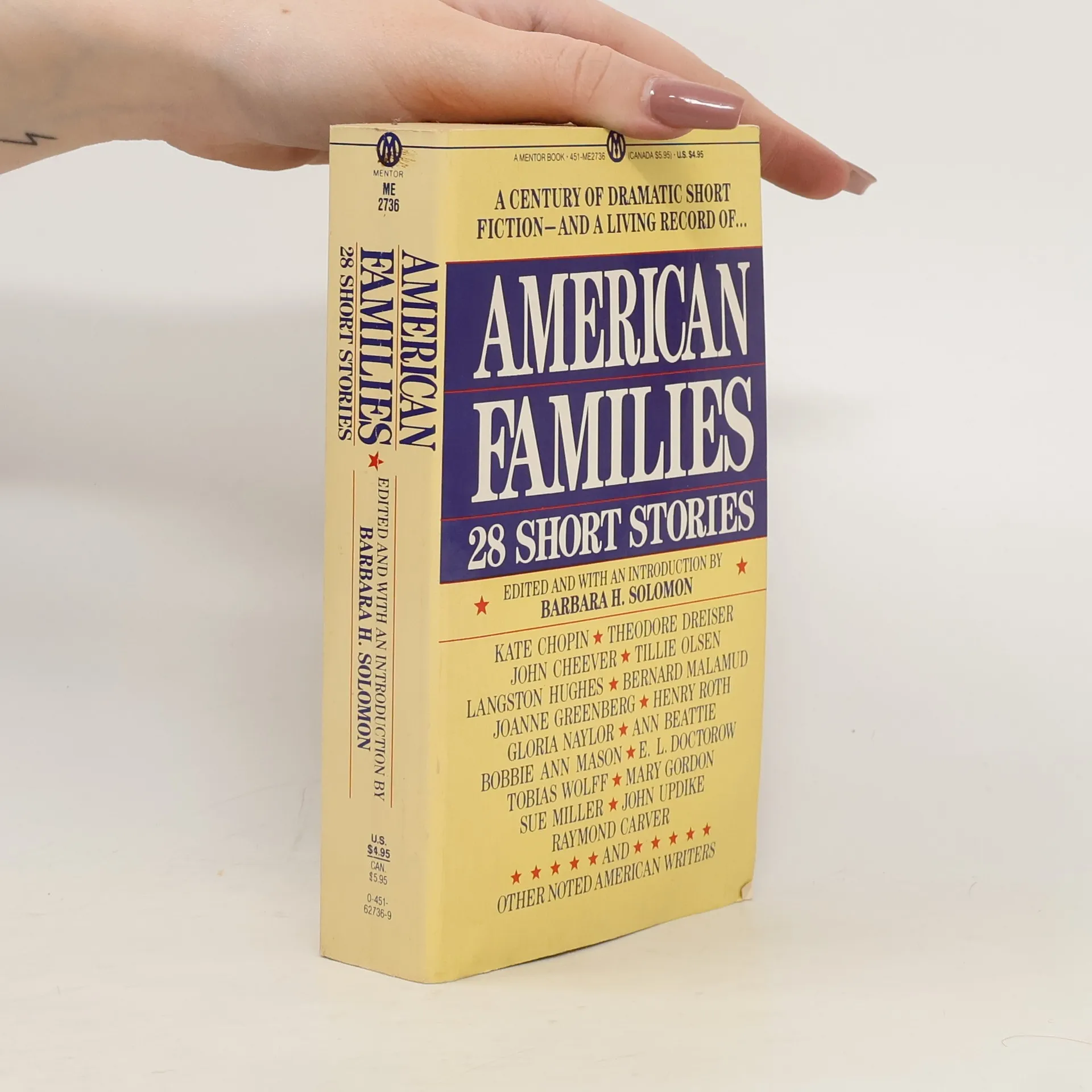
This stunning collection of 28 stories brings readers a literary portrait of the American family from 1894 to today. A collection of works that captures the essence of American families from living together and apart to loving and letting go.Regret / Kate Chopin --The lombardy poplar / Mary Wilkins Freeman --The widow's might / Charlotte Perkins Gilman --Old Rogaum and his Theresa / Theodore Dreiser --The sorrows of gin / John Cheever --I stand here ironing / Tillie Olsen --Simple and Counsin F.D. Roosevelt Brown / Langston Hughes --The sky is gray / Ernest J. Gaines --My Coney Island uncle / Harvey Swados --My son the murderer / Bernard Malamud --Final dwarf / Henry Roth --And Sarah laughed / Joanne Greenberg --Wedding day / Roberta Silman --The legacy of Beau Kremel / Stephen Wolf --Kiswana Brown / Gloria Naylor --Tuesdays / Mary Hedin --Afloat / Ann Beattie --Winterblossom garden / David Low --Old things / Bobbie Ann Mason --Starlight / Marian Thurm --The writer in the family / E.L. Doctorow --The rich brother / Tobias Wolff --My legacy / Don Zacharia --Violation / Mary Gordon --Appropriate affect / Sue Miller --What I did for love / Lynne Sharon Schwartz --Still of some use / John Updike --Elephant / Raymond Carver
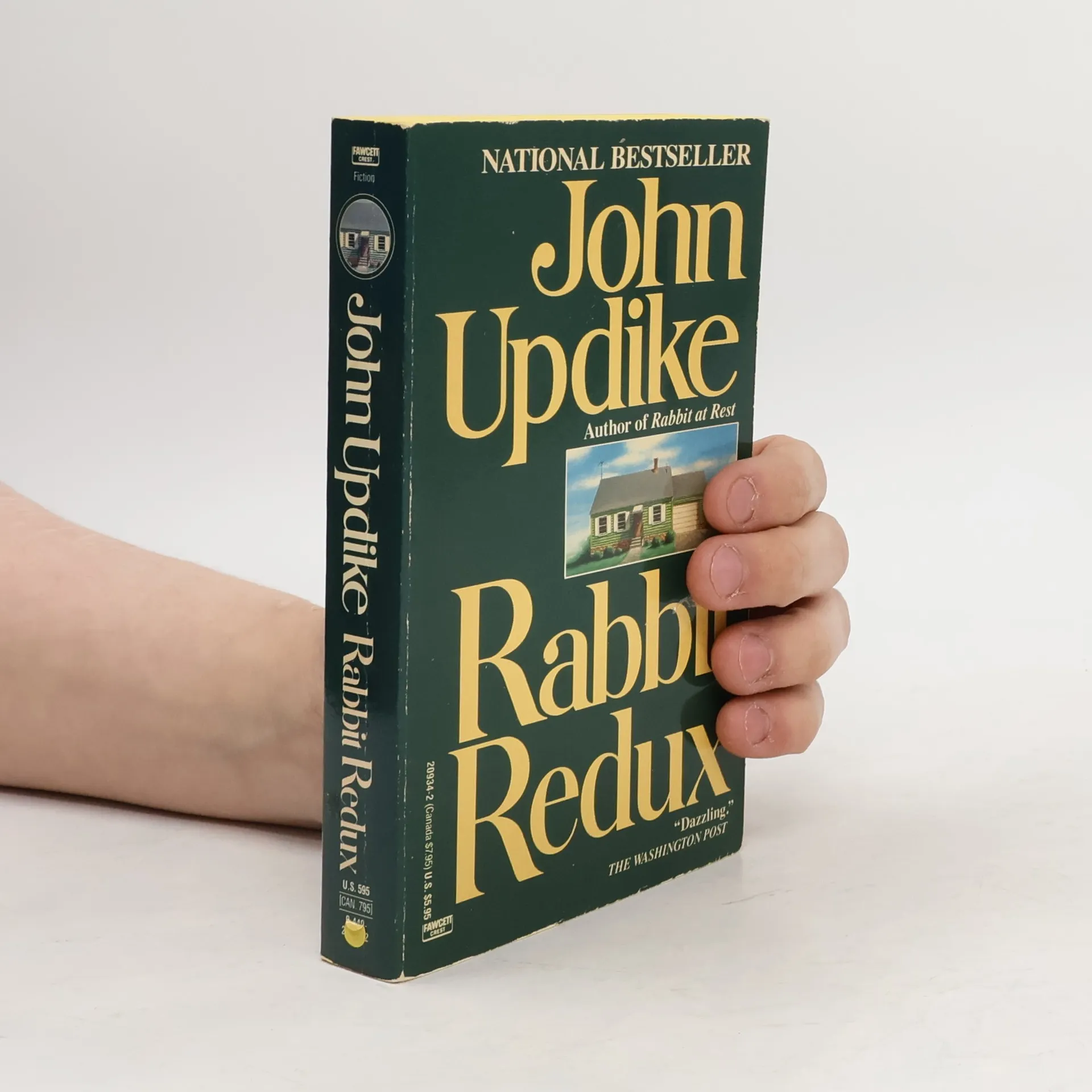
The first and second novels in John Updike's acclaimed quartet of Rabbit books -- now in one marvelous volume. RABBIT, RUN"Brilliant and poignant . . . By his compassion, clarity of insight, and crystal-bright prose, [Updike] makes Rabbit's sorrow his and out own.The Washington Post"Precise, graceful, stunning, he is an athlete of words and images. He is also an impeccable observer of thoughts and feelings."The Village VoiceRABBIT REDUX"Great in love, in art, boldness, freedom, wisdom, kindness, exceedingly rich in intelligence, wit, imagination, and feeling -- a great and beautiful thing . . . these hyperboles (quoted from a letter written long ago by Thomas Mann) come to mind after reading John Updike's Rabbit Redux.The New York Times Book Review "Updike owns a rare verbal genius, a gifted intelligence and a sense of tragedy made bearable by wit. . . . A masterpiece.Time
Digte. A collection of poems that John Updike wrote during the last seven years of his life and put together only weeks before he died for this, his final book. The opening sequence, "Endpoint," is made up of a series of connected poems written on the occasions of his recent birthdays and culminates in his confrontation with his final illness
Winner of the 1982 Pulitzer Prize for Fiction. Ten years after RABBIT REDUX, Harry Angstrom has come to enjoy prosperity as the Chief Sales Representative of Springer Motors. The rest of the world may be falling to pieces, but Harrry's doing all right. That is, until his son returns from the West, and the image of an old love pays a visit to his lot....
A History and a Celebration of the World's Greatest Game
258 stron
10 godzin czytania
Since the Dark Ages, when Scots first played a form of golf, no sport has captivated its players and fans like this one. This book captures the essence of golf with a lively and authoritative history, stunning illustrations, and an exceptional collection of original writings. John Garrity, a senior writer for Sports Illustrated, offers a fresh take on golf's centuries-old narrative, exploring key personalities, pivotal events, advancements in technique and technology, and the global fascination with the game. The history is enriched by twenty personal essays from various literary low-handicappers, reflecting on topics such as the Age of Tiger, the challenges faced by club pros, the joy of winter golf, and the decision to step away from the sport. Accompanying the text are over 300 photographs and illustrations, including many rare and specially commissioned images, making this volume truly unique. Covering everything from the tee to the green and the clubhouse to the nuthouse, this book is an essential addition for anyone serious about understanding the game of golf.
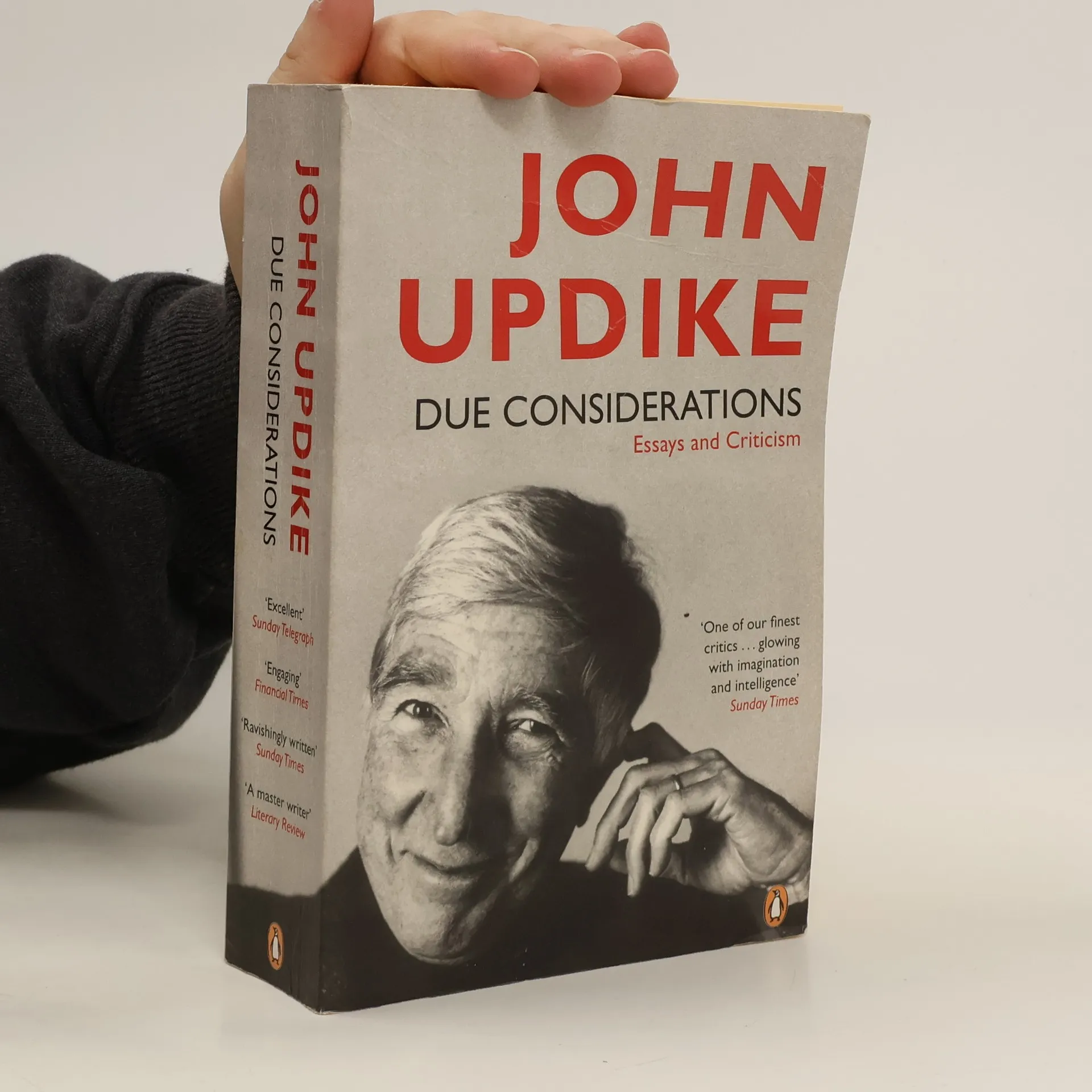
This collection of John Updike�s non-fiction writings includes a delightful preface, �Everything Considered�, in which he tells of his lifelong love affair with words; essays on travel, and on faith; introductions to some of the classics; reviews of lesser known foreign writers and new books by English and American contemporaries; as well as non-fiction topics from the sinking of the Lusitania to Coco Chanel's �unsinkable career�; tributes to legendary New Yorker figures, and much more. A cruise through the cultural waters of the past decade with as delightful, witty, sensitive and articulate a guide as you could hope for, Due Considerations is a voyage not to be missed.
"Golf Dreams" by John Updike is a collection of his reflections on golf spanning five decades. It features thirty pieces that explore the game's camaraderie, challenges, and nuances through lyrical essays, light verse, and humorous fiction, all infused with his passion for the sport.
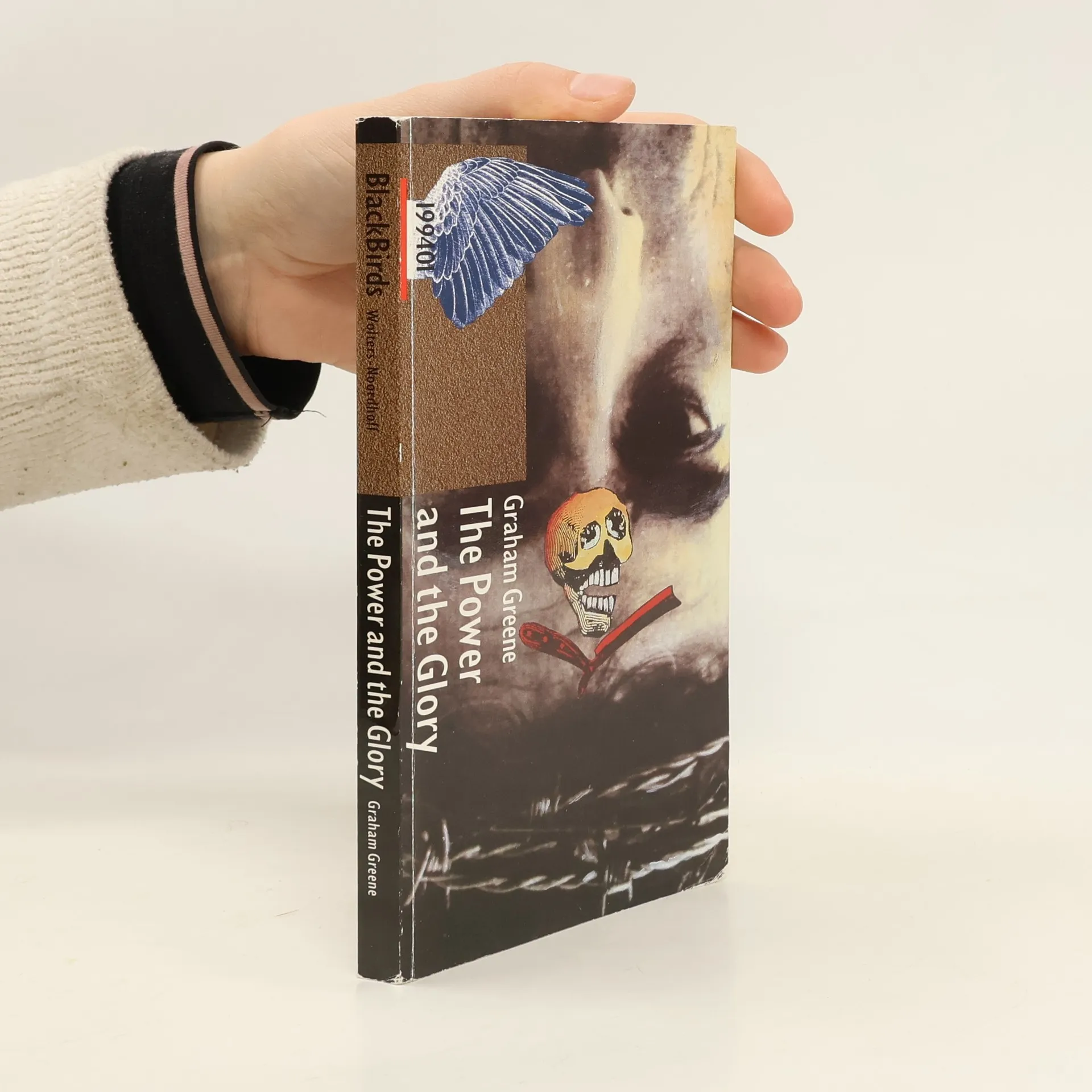
In a poor, remote section of southern Mexico, the Red Shirts have taken control. God has been outlawed, and the priests have been systematically hunted down and killed. Now, the last priest strives to overcome physical and moral cowardice in order to find redemption.
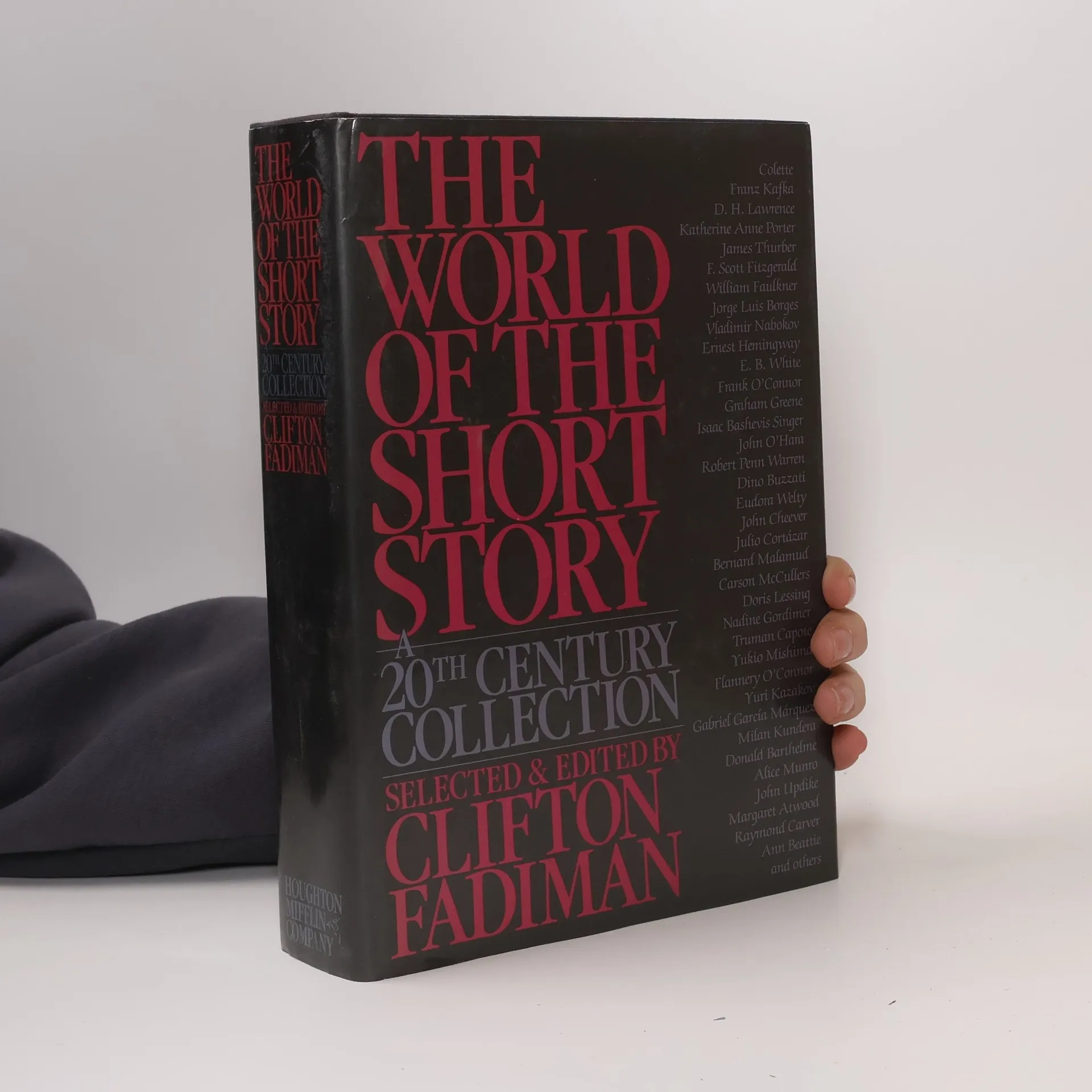
At age 82, Clifton Fadiman continues his prolific publishing career, here presenting 62 of the world's best short stories from 16 countries. His criteria? "Each story had to be both interesting and of high literary merit." Fadiman fulfills both requirements and much more, offering a cornucopia of superior 20th-century writers that includes Franz Kafka, D. H. Lawrence, Isaac Babel, F. Scott Fitzgerald, William Faulkner, Ernest Hemingway, John Cheever, Sean O'Faolain, Graham Greene, Robert Penn Warren, Colette, John Updike, Donald Barthelme, and James Thurber. (Regrettably, J. D. Salinger is not included due to lack of permission.) Here is a truly remarkable collection of this century's short stories that readers from all over the world will read with delight.
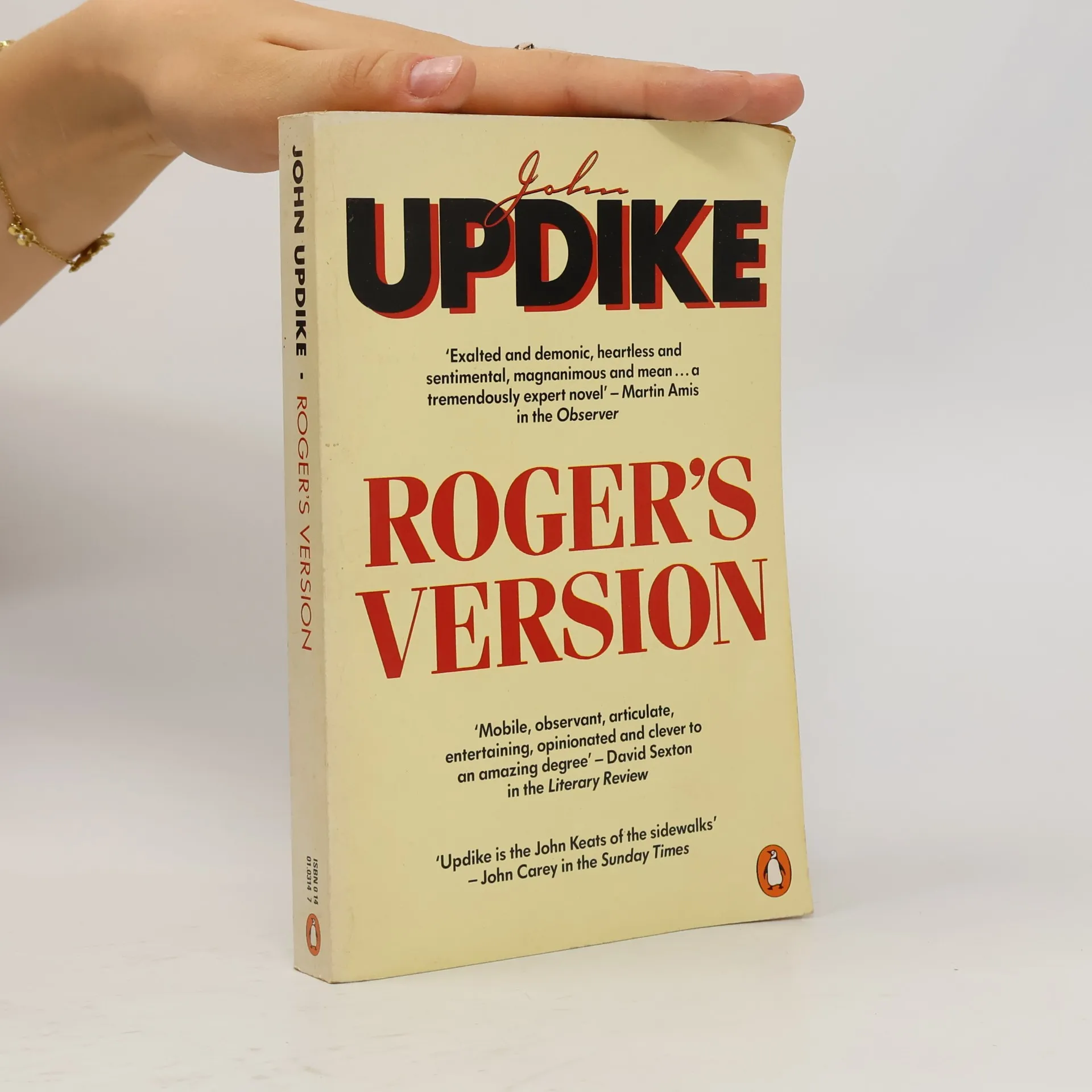
52-year-old Roger is a professor in the divinity school. Into his stuffy life breezes his 19-year-old half-niece, Verna. So when his wife starts a thing with a spotty, evangelical computer freak, he feels tempted to examine his niece's thesis that girls just wanna have fun.
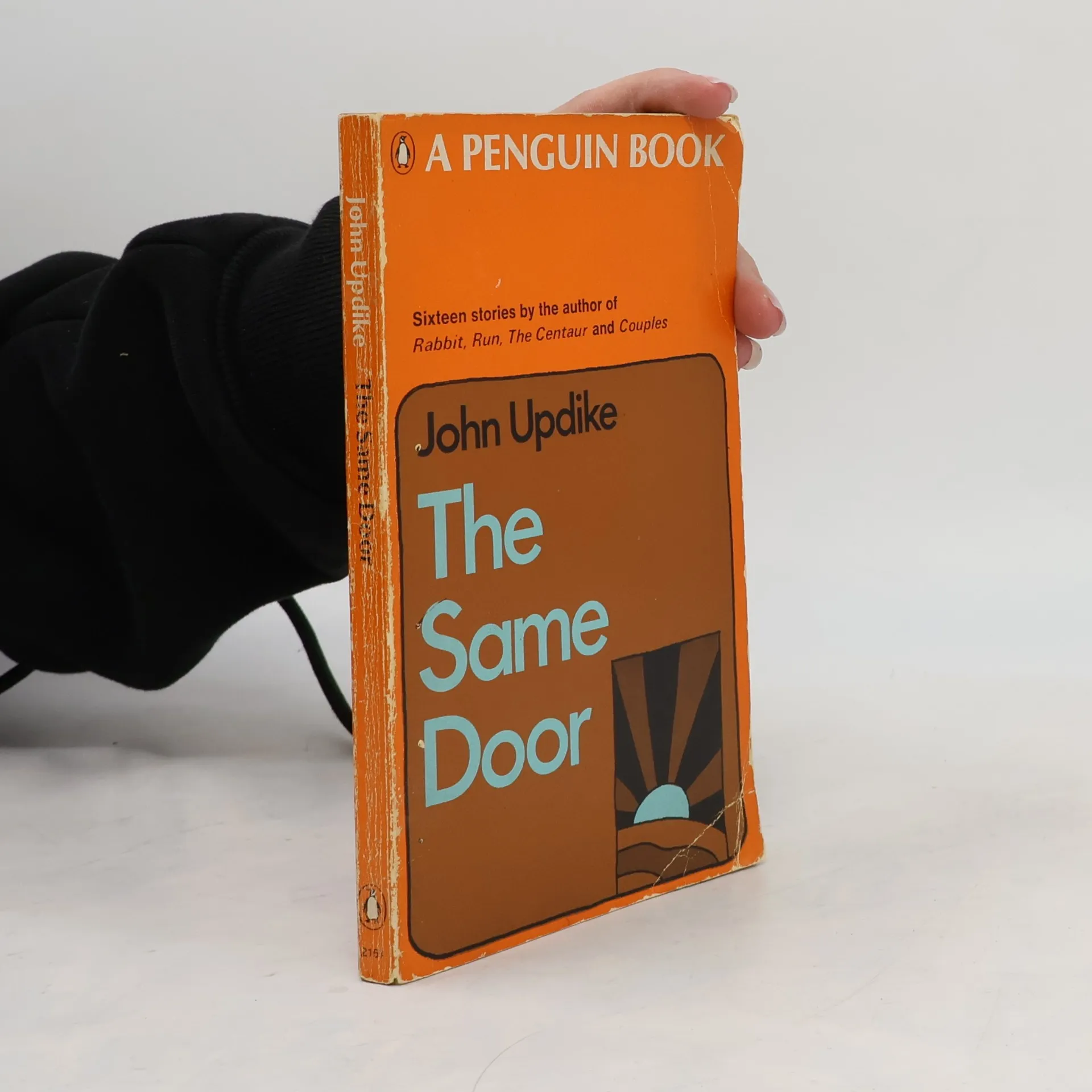
The title of John Updike’s first short story collection alludes to the old superstition that you should enter and leave a house by the same door. Thus John Nordholm, the alternately shy and brash hero of the first story here, is also the narrator of the last. Yet there is a sense in which all sixteen of these stories knock at the same door, a door that in “Dentistry and Doubt” swings open, and in “Toward Evening” remains shut. The characters are polite, nervous, diffident, as if life—or at least youth, for they are all young—were a discomfiting wait in the anteroom of the absolute. The majority of these stories depict encounters between strangers and their unexpected effects, which can be as concrete as a roomful of flowers or a bottle of wine, or as intangible as a miracle or a dream.
The renowned Henry Bech is now fifty years old. In this wonderful classic novel, Bech reflects on his fame, travels the world, marries an Episcopalian divorcée from Westchester, and--surprise to all--writes a book that becomes a runaway bestseller. If you've never read Updike before, there's no better place to start. If you've read him for years, you'll be delightfully reminded of John Updike's rightful place in the pantheon of quintessential American writers.
"A triumph." NEWSDAY The assumptions and obsessions that control our daily lives are explored in tantalizing detail by master novelist John Updike in this wise, witty, and sexy story. Harry Angstrom--known to all as Rabbit, one of America's most famous literary characters--finds his dreary life shattered by the infidelity of his wife, Janice. How he resolves or further complicates his problems makes for a novel of the first order. From the Paperback edition.
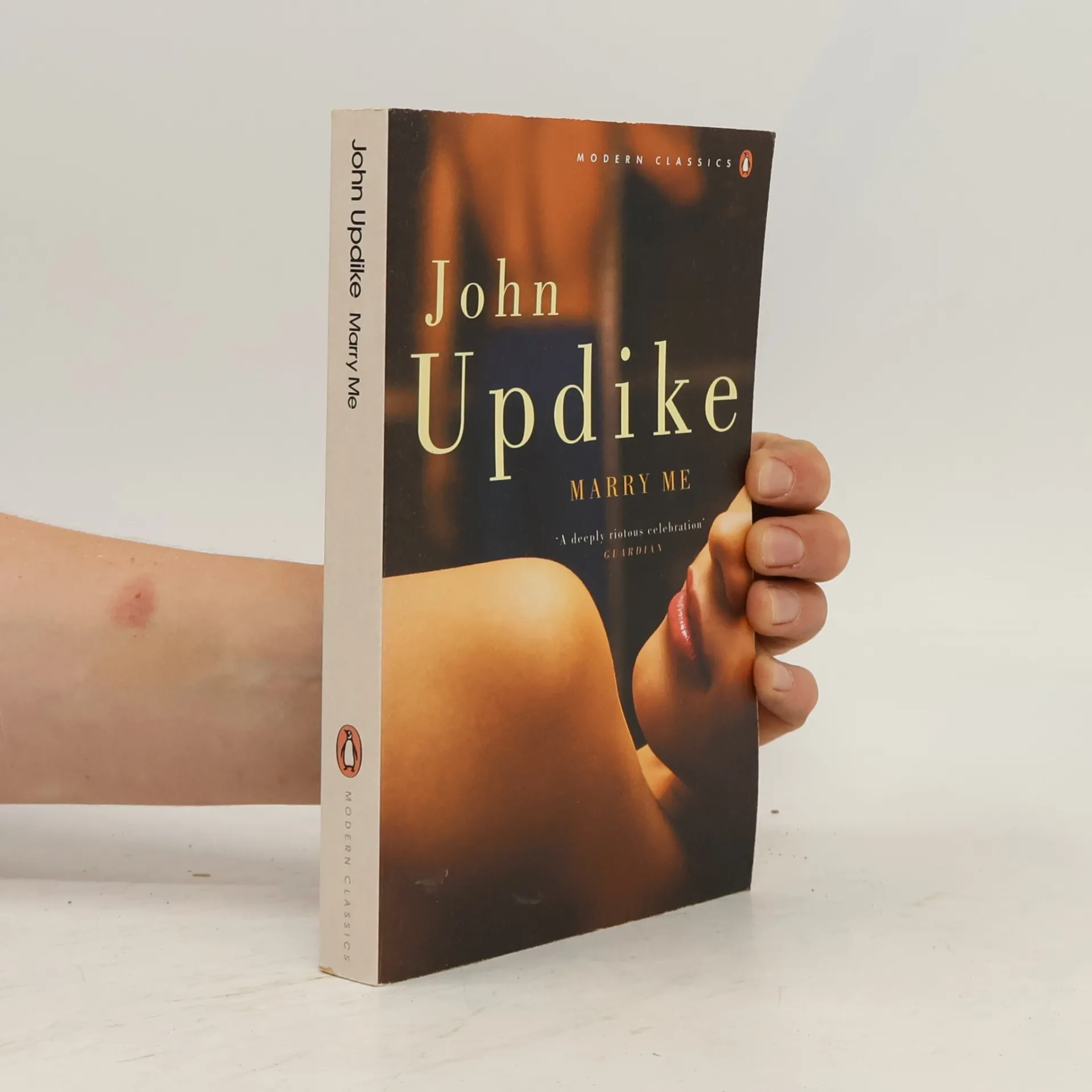
In this brilliant late-career collection, John Updike revisits many of the locales of his early fiction: the small-town Pennsylvania of Olinger Stories, the sandstone farmhouse of Of the Farm, the exurban New England of Couples and Marry Me, and Henry Bech’s Manhattan of artistic ambition and taunting glamour. To a dozen short stories spanning the American Century, the author has added a novella-length coda to his quartet of novels about Harry “Rabbit” Angstrom. Several strands of the Rabbit saga come together here as, during the fall and winter holidays of 1999, Harry’s survivors fitfully entertain his memory while pursuing their own happiness up to the edge of a new millennium. Love makes Updike’s fictional world go round—married love, filial love, feathery licks of erotic love, and love for the domestic particulars of Middle American life.
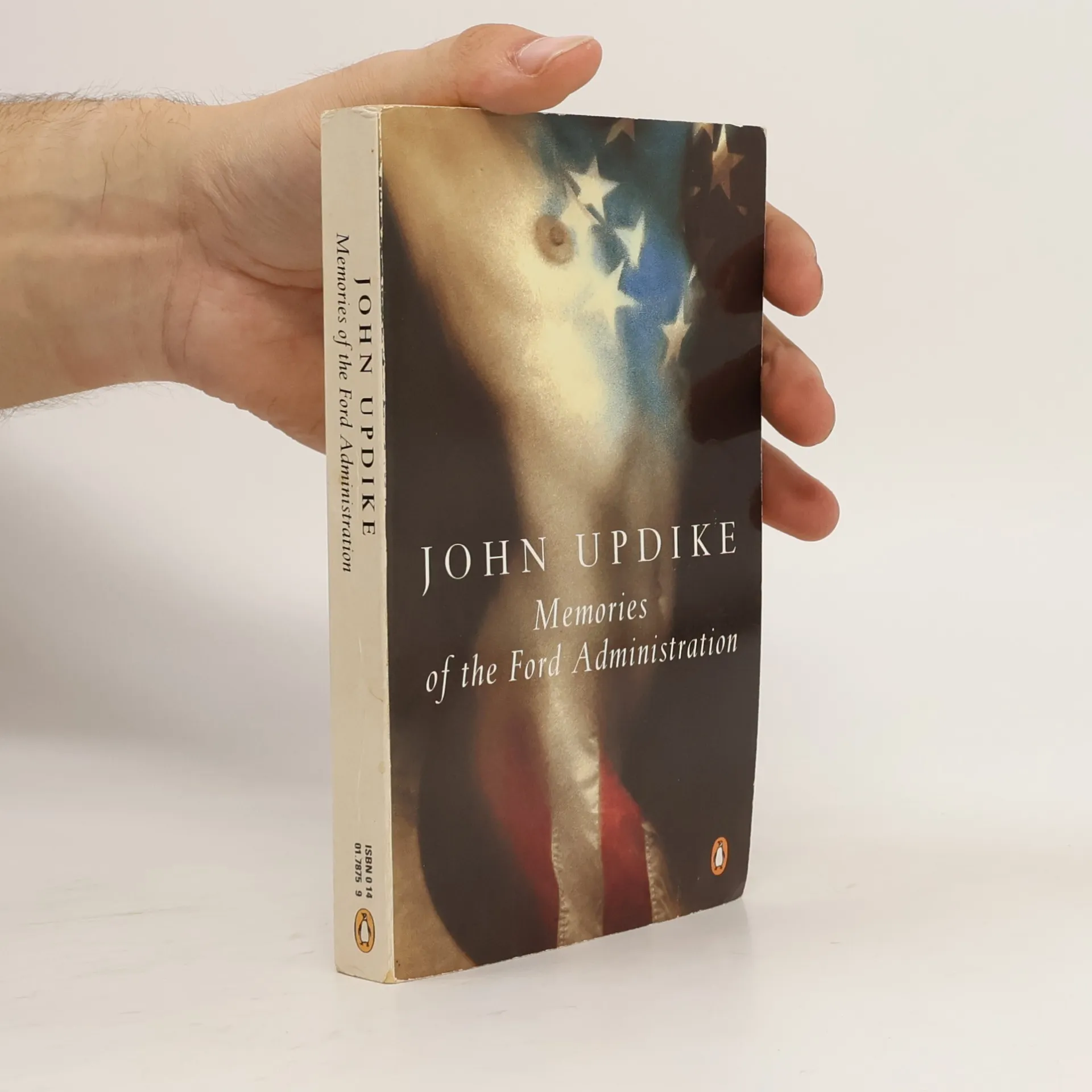
When junior college professor Alfred Clayton is asked to record his impressions of the Ford Administration, he recalls a turbulent piece of personal history as well. In a decade of sexual liberation, Clayton was facing a doomed marriage and the passionate beginnings of a futile affair with an unattainable Perfect Wife. But one memory begets another: Clayton's unfinished book on James Buchanan. In John Updike's fifteenth novel, he masterfully alternates between the two men, two lives, two American centuries—one Victorian, the other modern—shining an irreverent, witty, and sometimes caustic light on the contrasting views of social fictions and sexual politics....
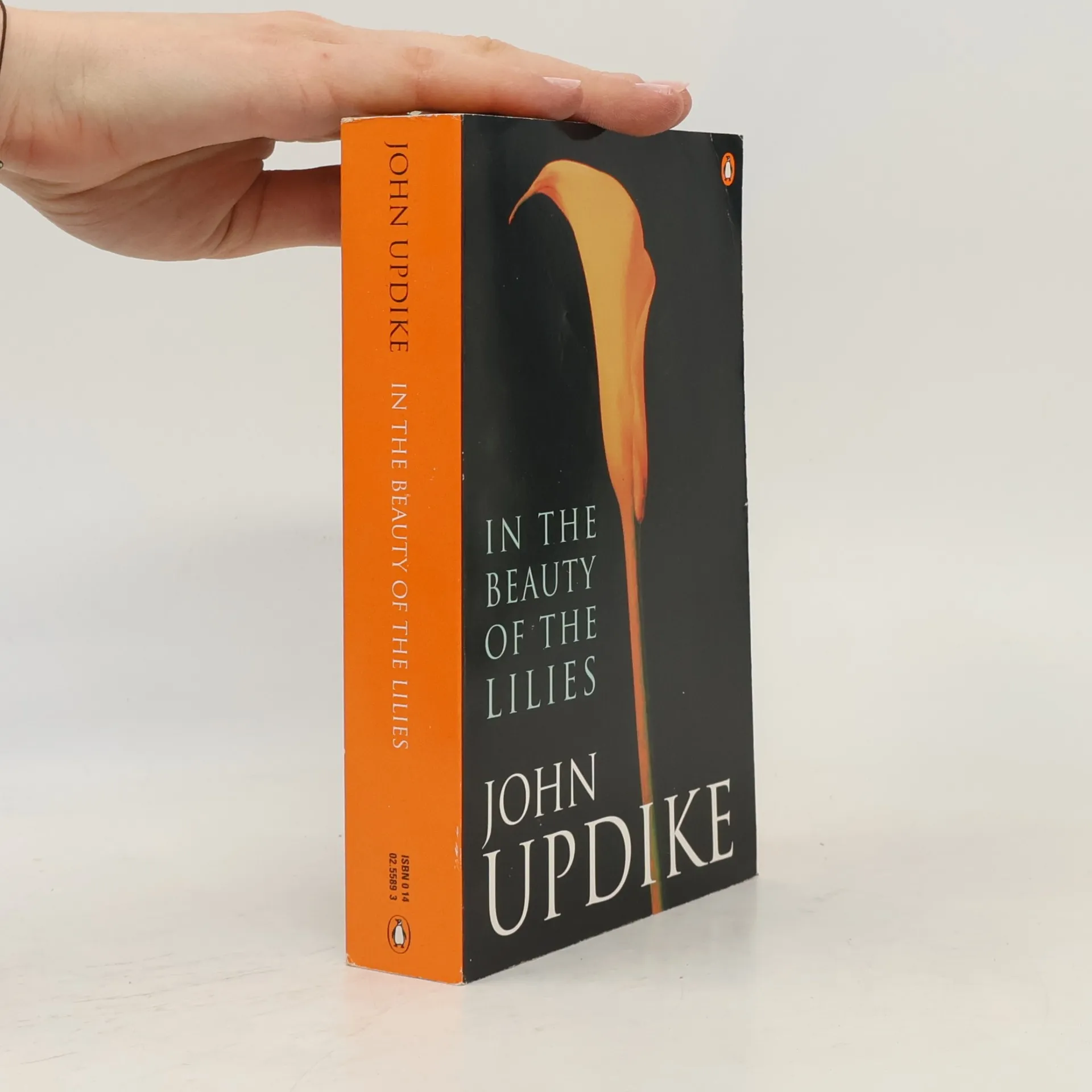
Taking its title from the 'Battle Hymn of the Republic', In the Beauty of the Lilies traces one family's profound journey through four generations across the spiritual landscape of twentieth-century America. It is one of John Updike's fullest and finest works of fiction.
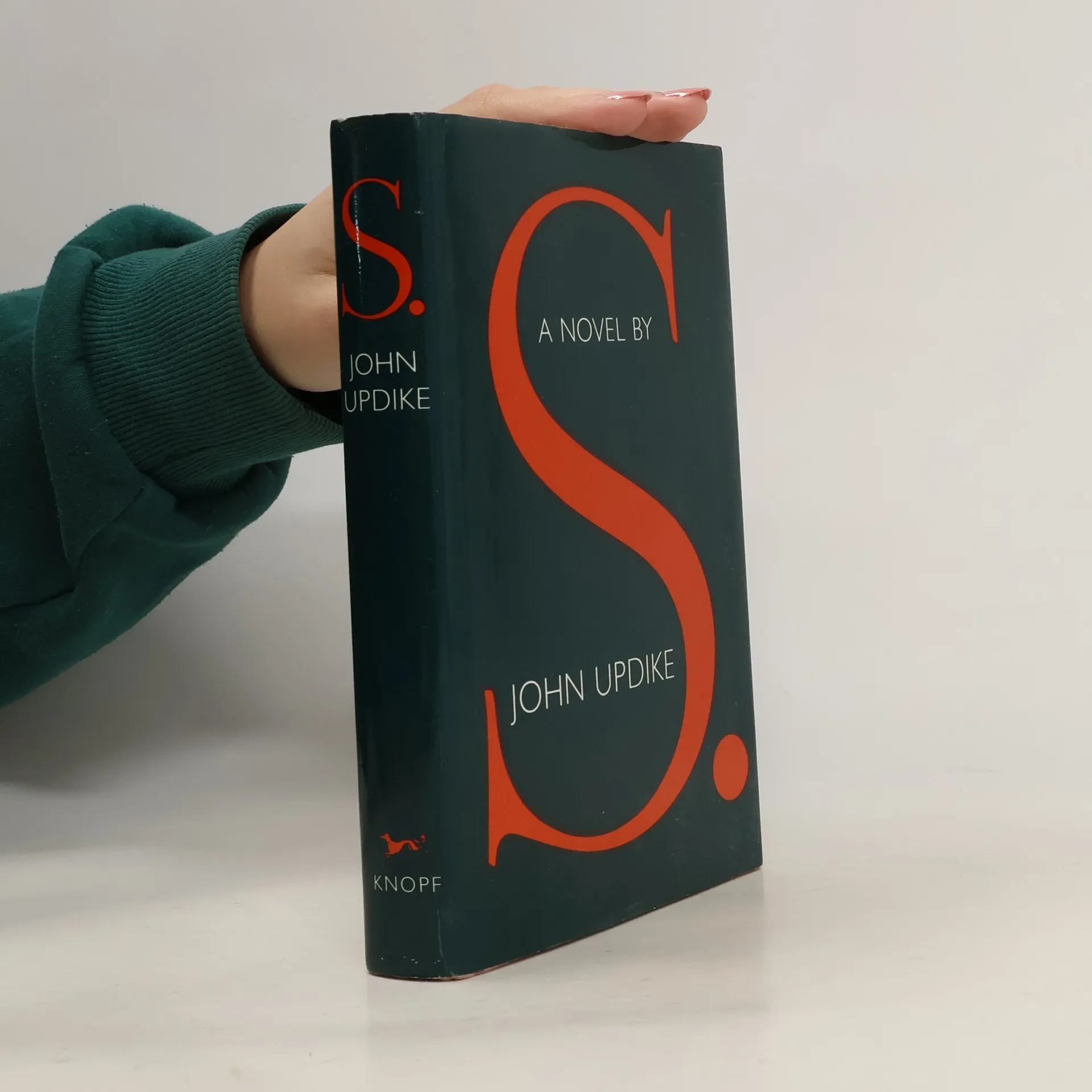
"A tour de force . . . Readable, clever." Chicago Tribune Book World The adventures of the Reverend Tom Marshfield -- literate, charming, sexual -- whose outrageous behavior with the ladies of his flock scandalizes his parish . . .
Set in a surreal literary landscape, the story follows Henry Bech, now in his seventies, as he navigates a changing world where his books are commercialized and fleeting. Despite his age, he remains competitive and self-absorbed, confronting critics with a mix of humor and defiance. Throughout five striking chapters, Bech's journey includes enacting revenge and ultimately winning a prestigious writing award, all while embodying a blend of grit and ennui in this mock-heroic exploration of a writer's life in modern America.
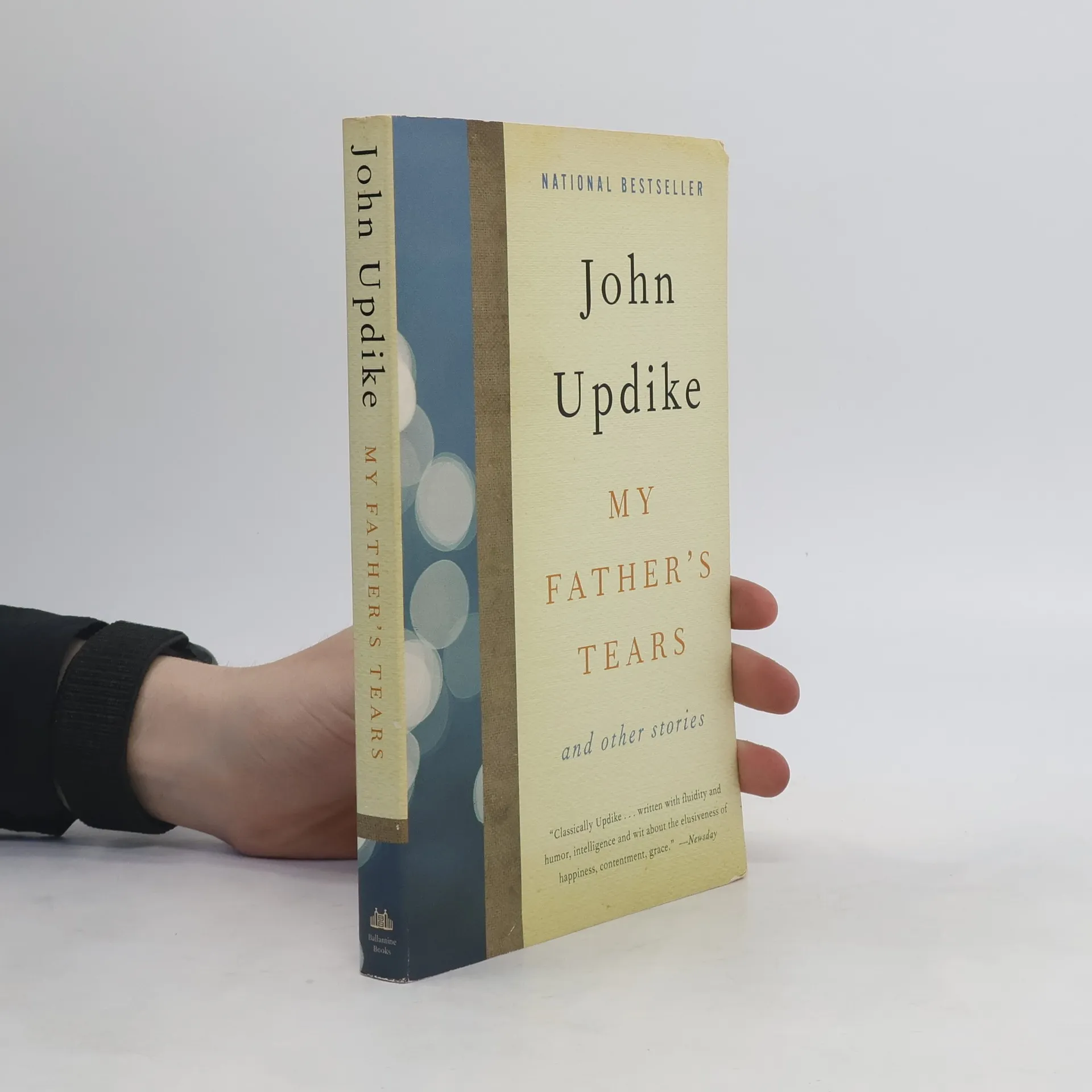
“Drinking a toast to the visible world, his impending disappearance from it be damned.” That’s how John Updike describes one of his elderly protagonists in this, his final collection of short stories. He might have been writing about himself. In My Father’s Tears, the author revisits his signature characters, places, and themes—Americans in suburbs, cities, and small towns grappling with faith and infidelity—in a gallery of portraits of his aging generation, men and women for whom making peace with the past is now paramount. The Seattle Times called My Father’s Tears “a haunting collection” that “echoes the melancholy of Chekhov, the romanticism of Wordsworth and the mournful spirit of Yeats.”
The Jewish American novelist Henry Bech—procrastinating, libidinous, and tart-tongued, his reputation growing while his powers decline—made his first appearance in 1965, in John Updike’s “The Bulgarian Poetess.” That story won the O. Henry First Prize, and it and the six Bech adventures that followed make up this collection. “Bech is the writer in me,” Updike once said, “creaking but lusty, battered but undiscourageable, fed on the blood of ink and the bread of white paper.” As he trots the globe, promotes himself, and lurches from one woman’s bed to another’s, Bech views life with a blend of wonder and cynicism that will make followers of the lit-biz smile with delight and wince in recognition.
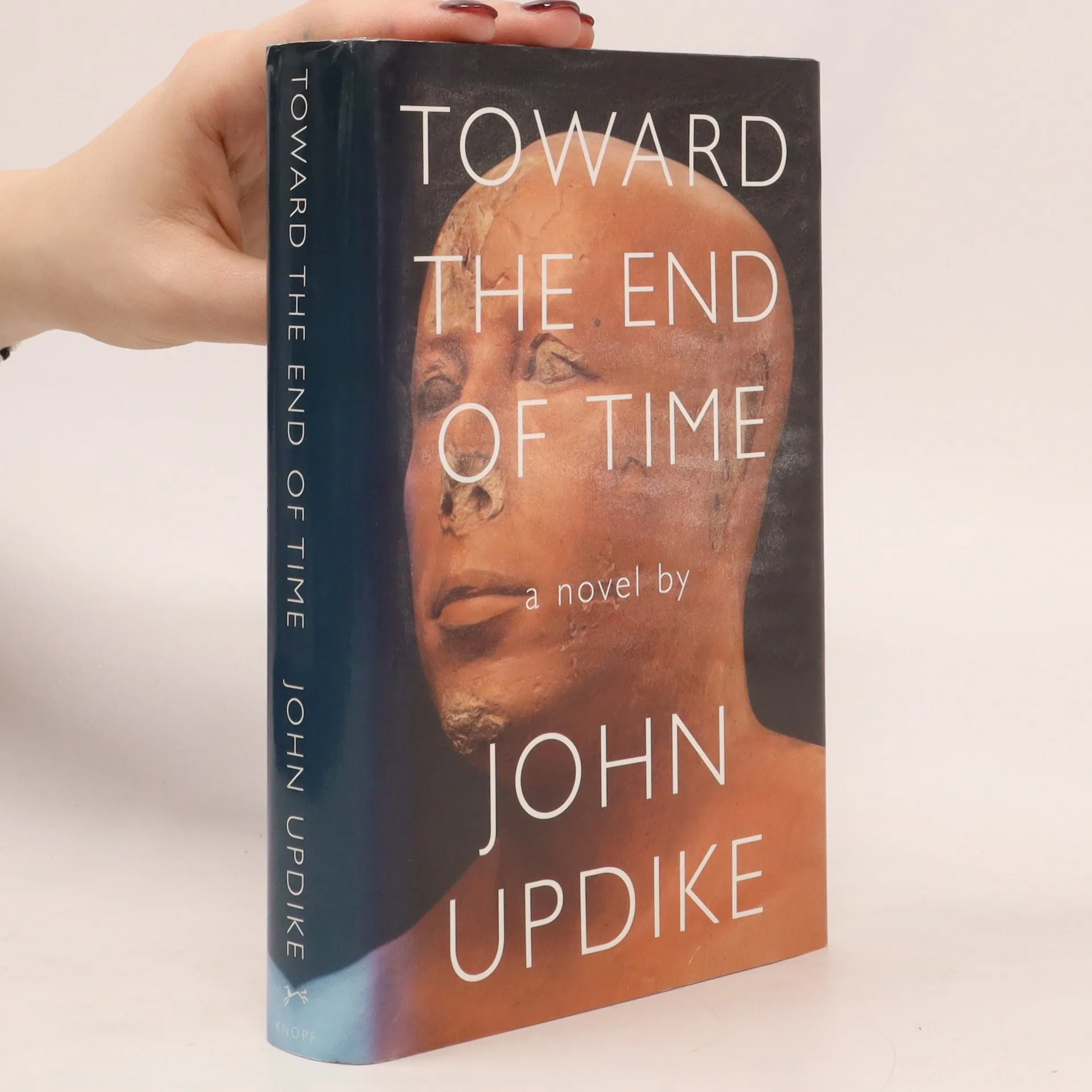
JOHN UPDIKE IS "A STYLIST OF THE HIGHEST ORDER, capable of illuminating the sublime in the mundane, thereby elevating all of human experience." --Chicago Tribune Toward the End of Time "is the journal of a 66-year-old man, Ben Turnbull . . . [which] reveals not only the world but the wanderings of his wits. . . . So what if he jumps from a United States in the next century, disintegrating after a war with China, to ancient Egypt, or to virtual reality? So what if characters appear and disappear like phantoms in a dream? . . . Turnbull's journal is like Walden gone haywire. . . . If Ben's ruthlessness is evenhanded, so is his alarming intelligence; it falls on every scene, person, object, and thought in the book, giving it an eerie ambiance." --The New York Times Book Review "A BOOK AIMED NOT TO RESOLVE BUT TO AROUSE A READER'S WONDER . . . Vintage Updike: marital angst worked out against the chilly backdrop of privilege, rendered with a lyricism and insight and eye for detail reminiscent of the work of Jane Austen." --The Miami Herald "WONDERFUL RUSHES OF NEAR-MELVILLEAN PROSE . . . Toward the End of Time has a force that gets under your skin." --New York Review of Books A Main Selection of the Book-of-the-Month Club
The extraordinarily evocative stories depict the generation born in a small-town America during the Depression and growing up in a world where the old sexual morality was turned around and material comforts were easily had. Yet, as these stories reflect so accurately, life was still unsettling, and Updike chronicles telling moments both joyful and painful. The texts are taken from his recent omnibus, "The Early Stories, " 1953-1975.In describing how he wrote these stories in a small, rented, smoke-filled office in Ipswitch, Massachusetts, he says, "I felt that I was packaging something as delicately pervasive as smoke, one box after another, in that room, where my only duty was to describe reality as it had come to me -- to give the mundane its beautiful due."
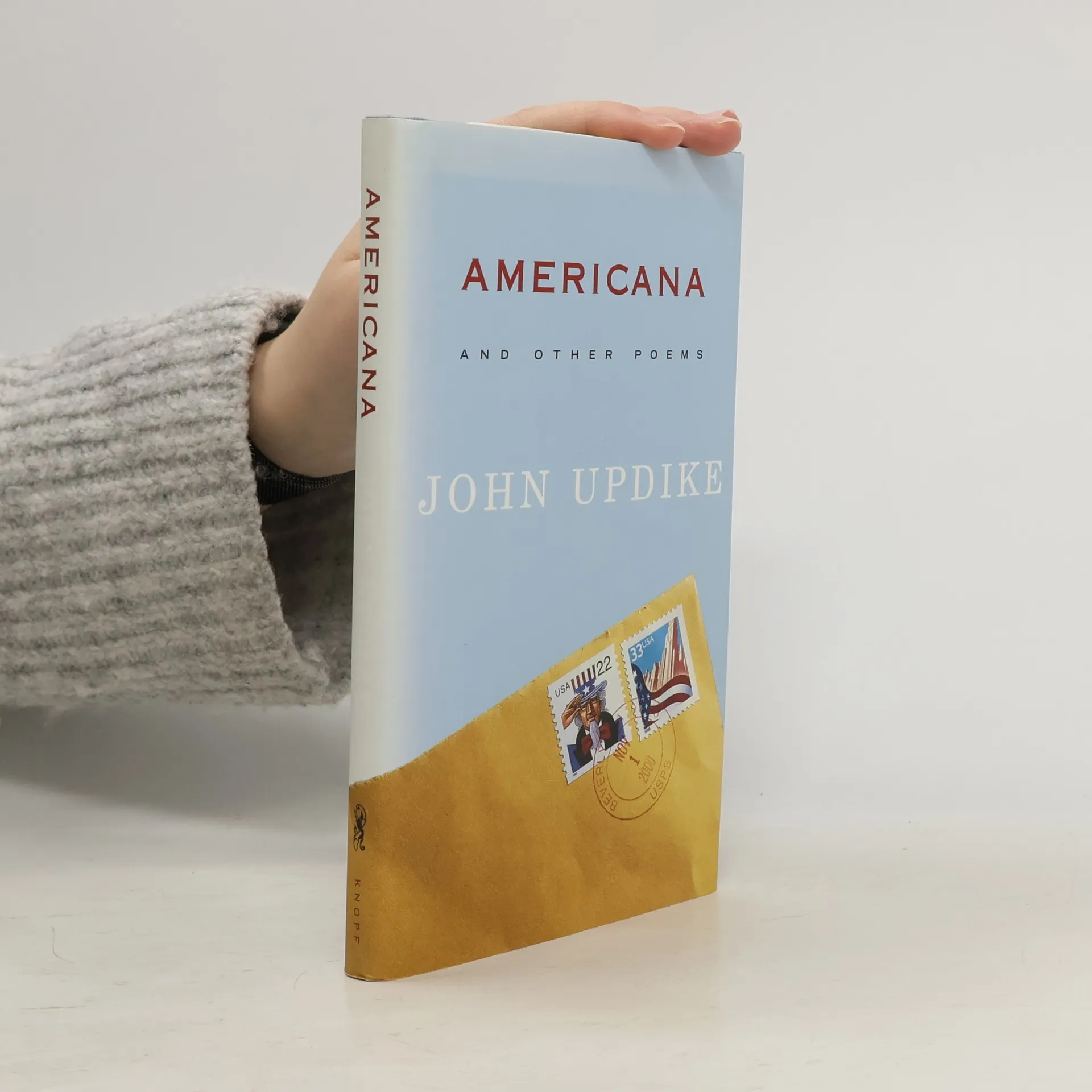
John Updike's first collection of verse since his Collected Poems, 1953-1993 brings together fifty-eight poems, three of them of considerable length. The four sections take up, in America, its cities and airplanes; the poet's life, his childhood, birthdays, and ailments; foreign travel, to Europe and the tropics; and, beginning with the long "Song of Myself," daily life, its furniture and consolations. There is little of the light verse with which Mr. Updike began his writing career nearly fifty years ago, but a light touch can be felt in his nimble manipulation of the ghosts of metric order, in his caressing of the living textures of things, and in his reluctance to wave goodbye to it all.
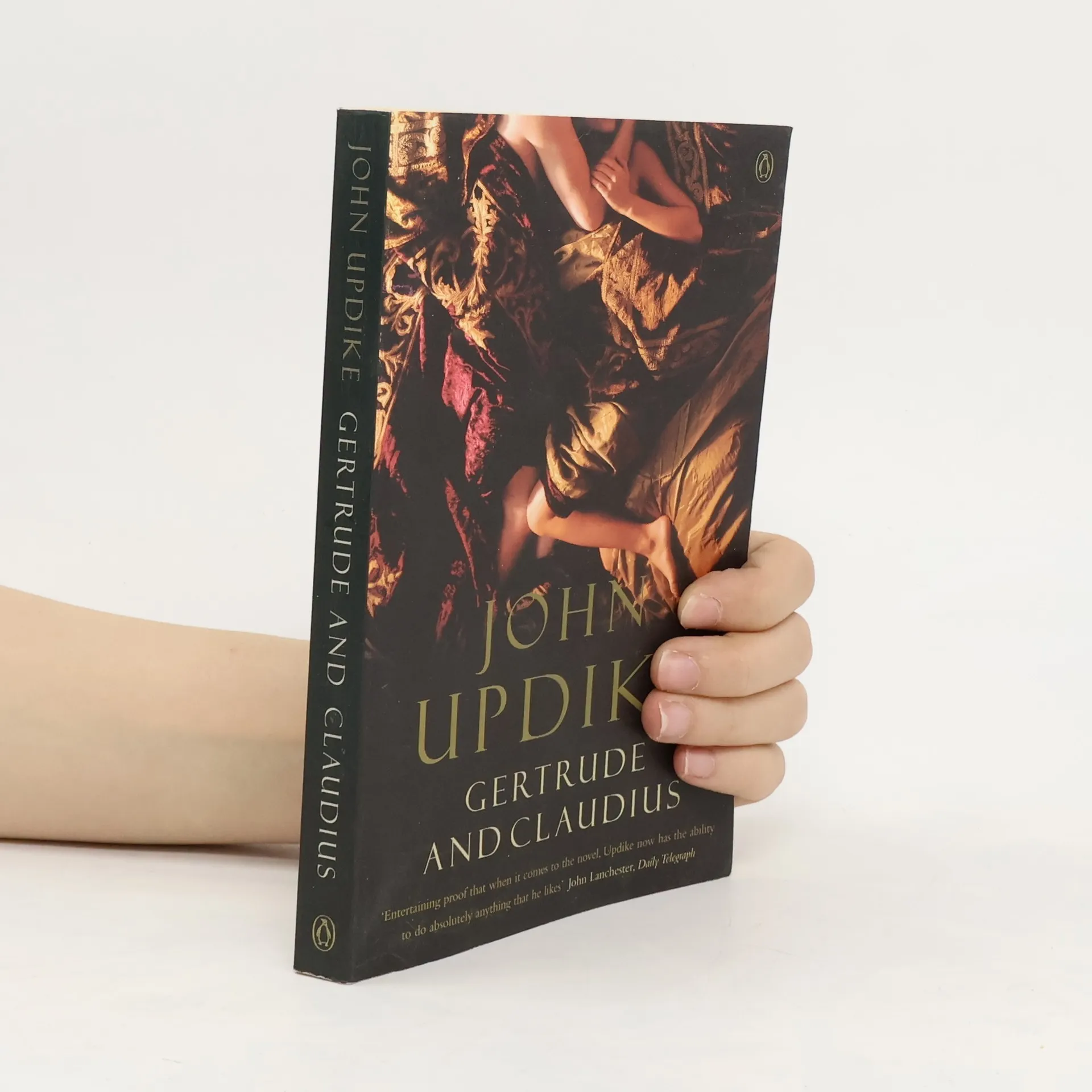
Using details from the ancient Scandinavian legends that were the inspiration
for Hamlet, this tale brings to life Gertrude's girlhood as the daughter of
King Rorik, her arranged marriage to the man who becomes King, and her middle-
aged affair with her husband's younger brother. schovat popis
Sally is big and pampered. She's married to Richard. But she loves Jerry. Jerry loves Sally, but he's also still in love with his wife Ruth. Who's been sleeping with Richard ...As a hot, feverish summer of weekends, secret phone calls and lovemaking on the beach comes to a head, it turns out everyone knows more than they've been letting on.
Nobody has done more to chart American life through fiction over the last half-century than John Updike, and he is as much a master of the short story as of the novel as this collection proves. It contains: 'Nevada', 'Ethiopia' and 'I am dying, Egypt, dying'.
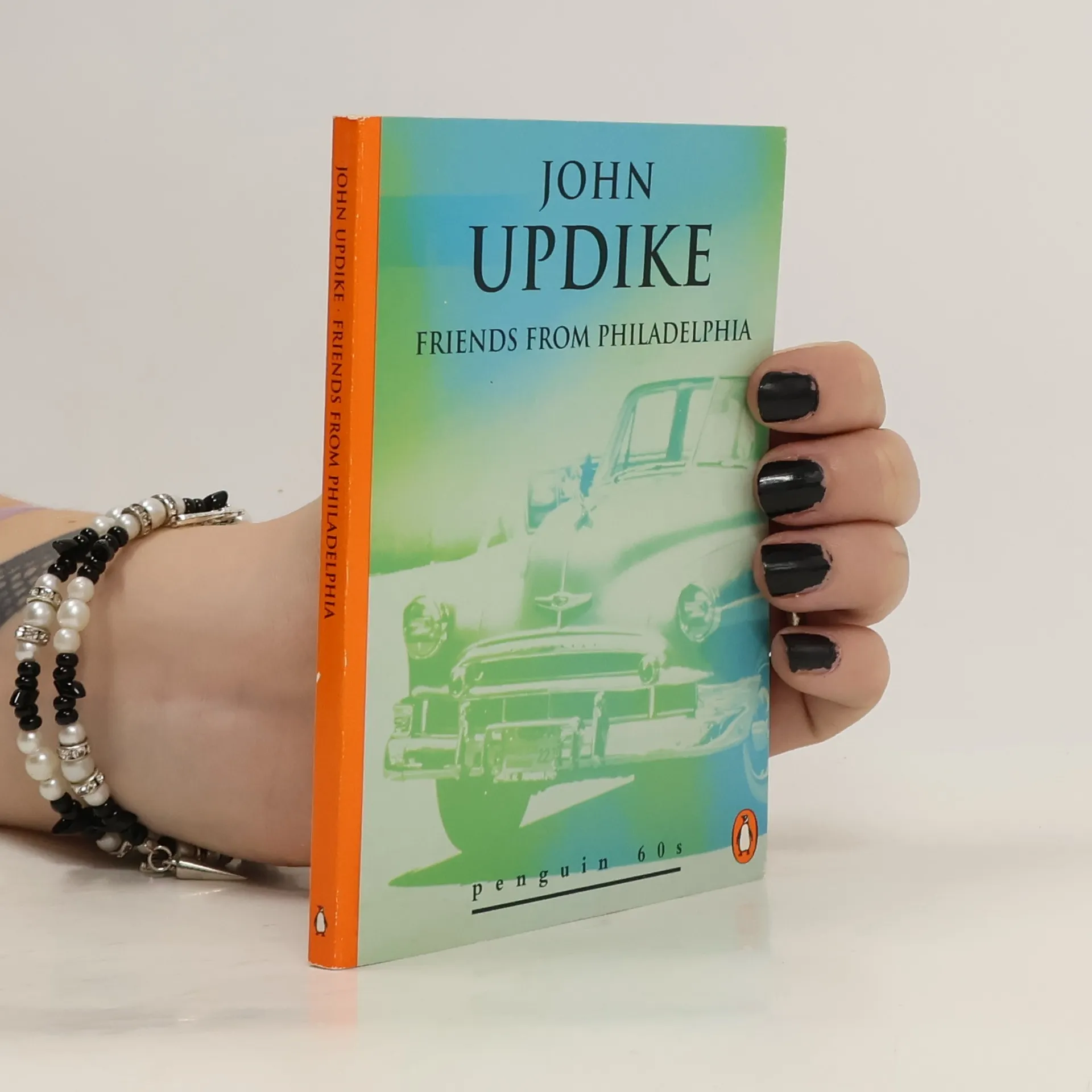
These John Updike short stories include "Friends from Philadelphia", "Sunday Teasing", "The Persistence of Desire", "The Other Woman" and "Brother Grasshopper".
Owen Mackenzie's life is marked by sin and seduction, starting with a betrayal soon after marrying his college sweetheart. His quest for happiness leads him through a series of affairs and small towns from Pennsylvania to Massachusetts, pushing him toward chaos.
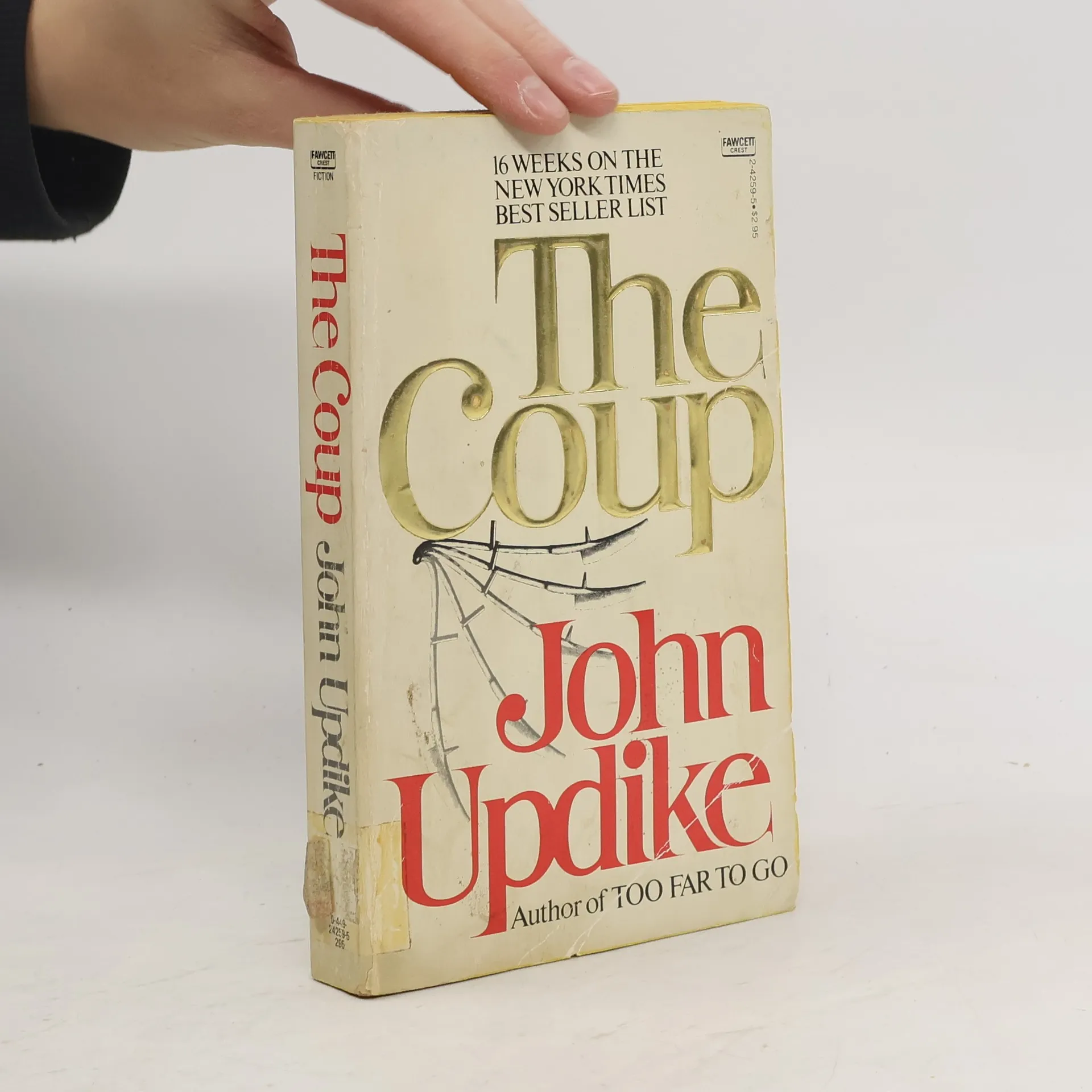
The Coup describes violent events in the imaginary African nation of Kush, a large, landlocked, drought-ridden, sub-Saharan country led by Colonel Hakim Félix Ellelloû. (“A leader,” writes Colonel Ellelloû, “is one who, out of madness or goodness, takes upon himself the woe of a people. There are few men so foolish.”) Colonel Ellelloû has four wives, a silver Mercedes, and a fanatic aversion—cultural, ideological, and personal—to the United States. But the U.S. keeps creeping into Kush, and the repercussions of this incursion constitute the events of the novel. Colonel Ellelloû tells his own story—always elegantly, and often in the third person—from an undisclosed location in the South of France. From the Trade Paperback edition.
On a spring day in Vermont, seventy-nine-year-old painter Hope Chafetz tells the story of her life to Kathryn, a young interviewer from New York. Questions send Hope back to her youth, to the heady postwar days of American art and her relationships with the artists who defined their times. As the day wears on, Kathryn and Hope - interviewer and interviewee - try to understand one another across the gulf of age, experience and time that lies between them. And subtly, as each comes to know the other, their relationship changes!
Tristao Raposa, a 19-year-old black child of the Rio slums, spies Isabel Leme, an 18-year-old upper-class white girl, across the hot sands of Copocabana Beach, and presents her with a ring. Their flight into marriage takes them from urban banality to Brazil's wild west.
New Englander Sarah Worth goes west to join a Hindu commune in Arizona. There she mingles with the other sannyasins (pilgrims) in the difficult attempt to subdue ego and achieve salvation and release from illusion.
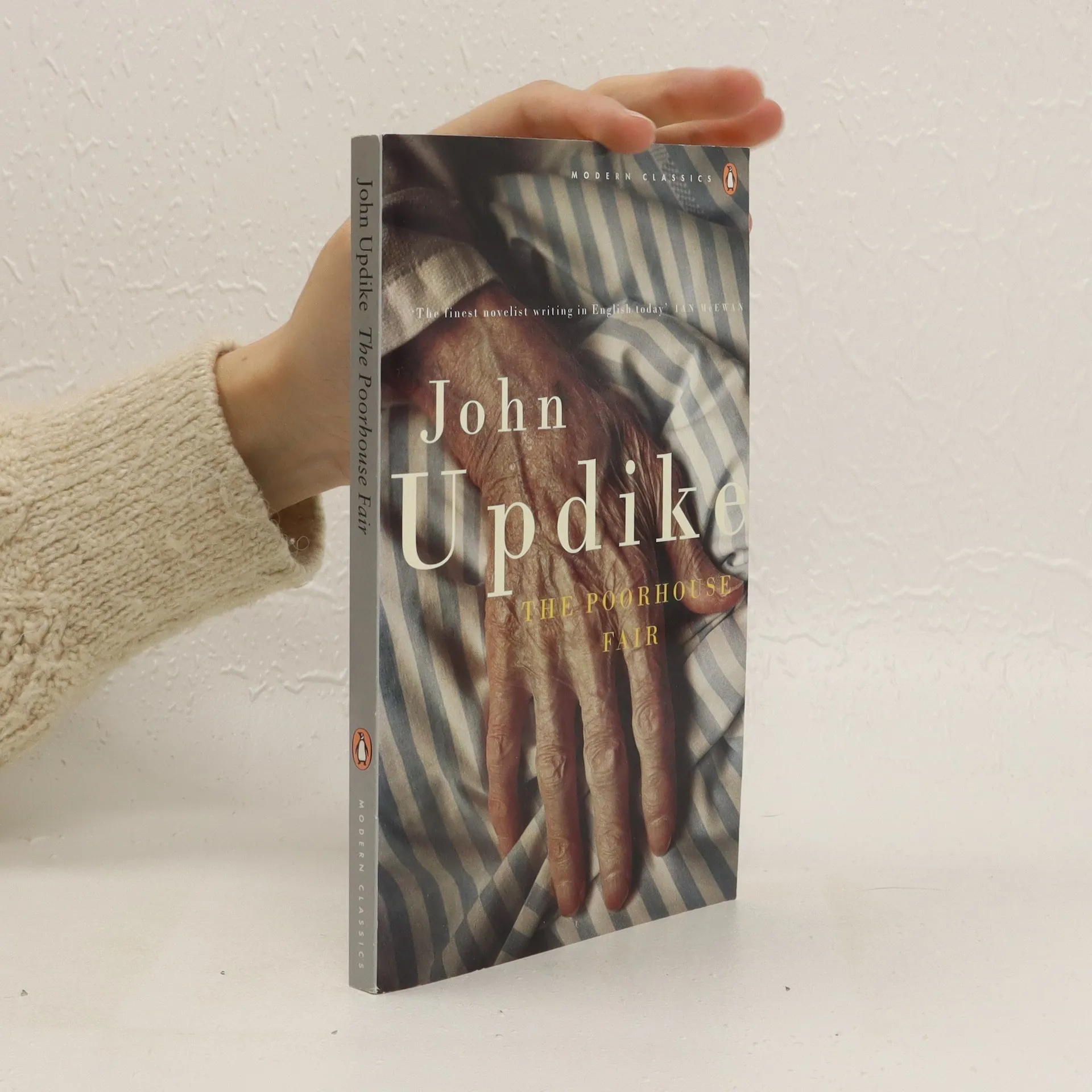
At the Diamond County Home for the Aged, the inmates prepare for the annual ritual of the Poorhouse Fair. The elderly residents take pride in the self-respect they gain from this one day. But when the fair goes less well than the folks had hoped, they blame Conner, the new prefect of the home. Together, they begin to revolt against the man.
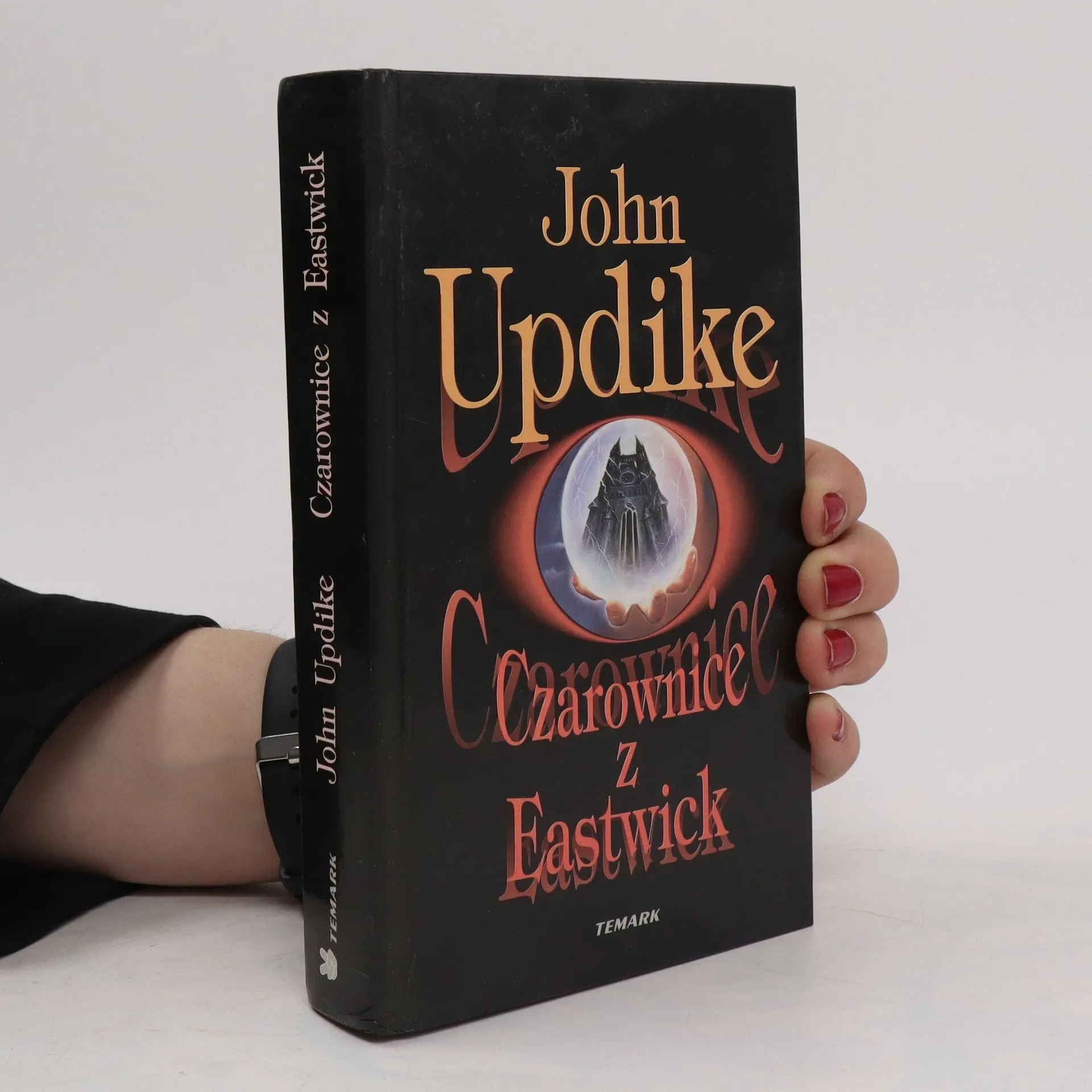
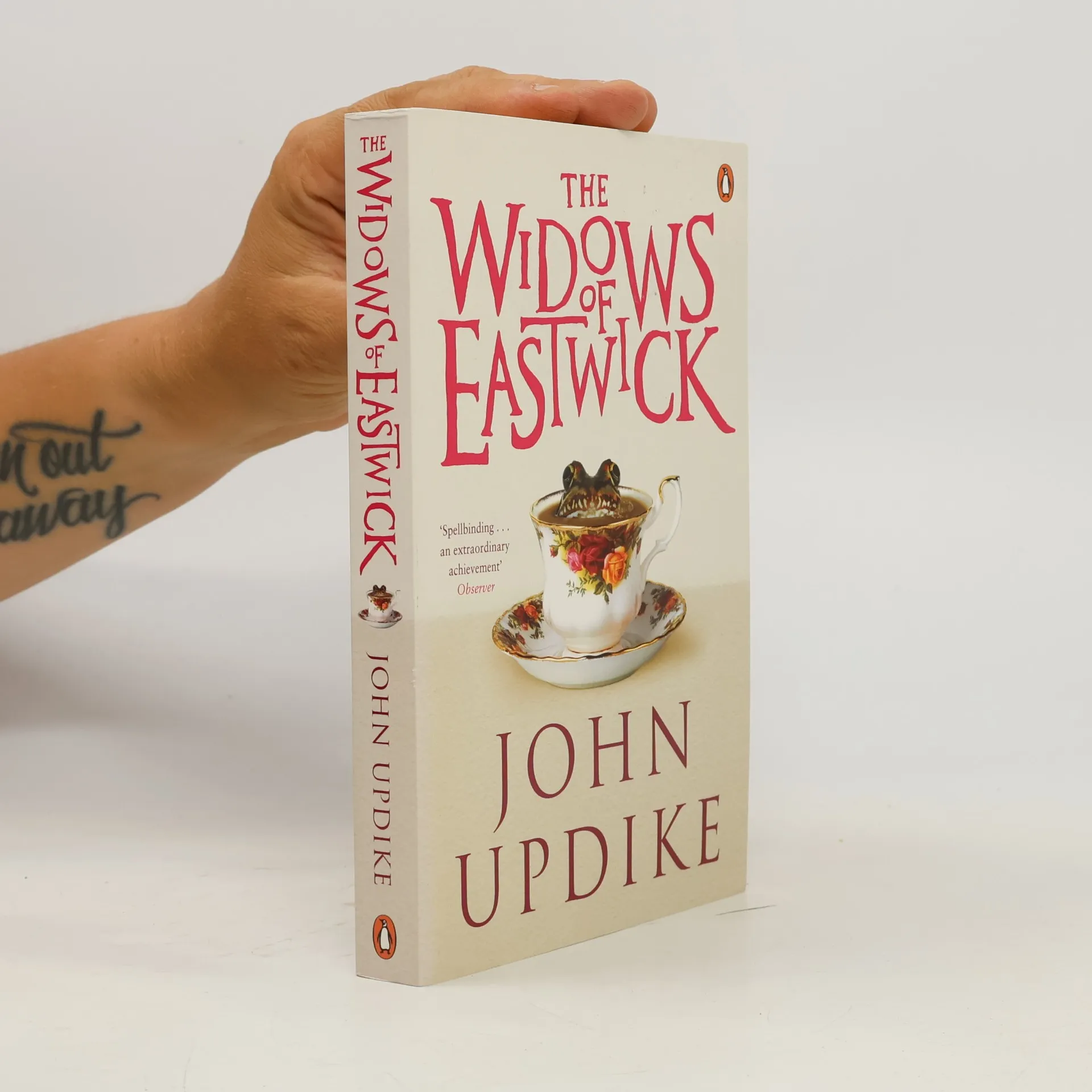
When the three witches - now old, remarried and widowed - decide to go back to Eastwick to spend a summer together, many things have changed. Darryl Van Horne is gone. Their husbands and lovers have gone. The lithe and supple bodies with which they wrecked marriages and wreaked havoc many years before have gone.
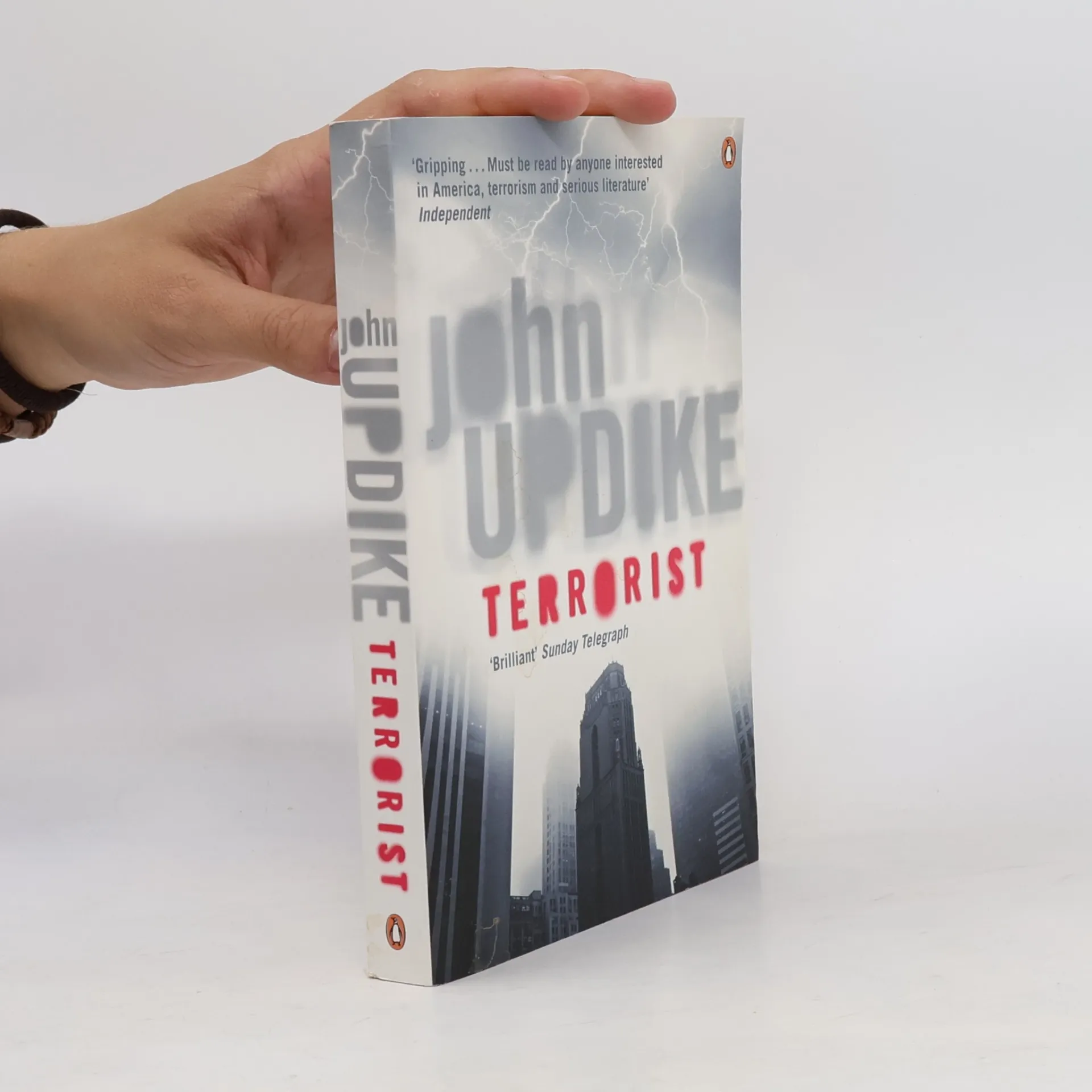
In this extraordinary and highly charged novel, John Updike, one of America's greatest living writers, tackles one of America's most burning issues - the threat of Islamist terror from within.
"Some of the most beautiful writing in contemporary American literature is between the covers of this book . . ." BOSTON HERALD The triumphant collection of short stories by America's most acclaimed novelist. From the Paperback edition.
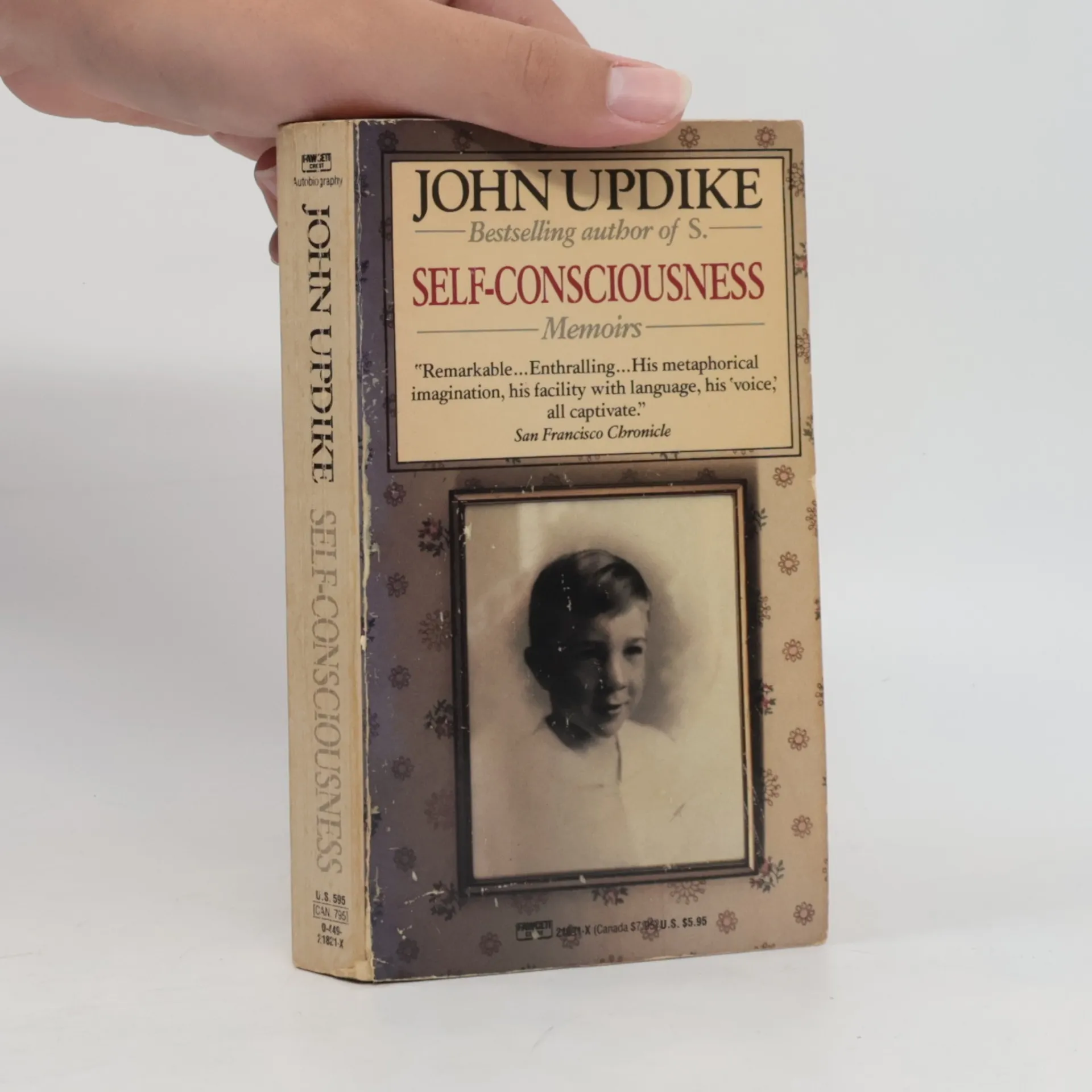
Self-ConsciousnessOne of our finest novelists now gives us his most dazzling creation -- his own life. In six eloquent and compelling chapters, the author of The Witches of Eastwick and the wonderful Rabbit trilogy gives us an incitingly honest look at the makings of an American writer -- and of an American man.Here is Updike on his childhood, on ailments both horrible (psoriasis) and hilarious (his experiences at the hands of a dentist), on his stuttering, on his feelings during the Vietnam War, on his genealogy. and on that most elusive of subjects, his innermost self. What emerges is a fascinating, fully formed portrait -- candid, often very, funny, and always illuminating.John Updike
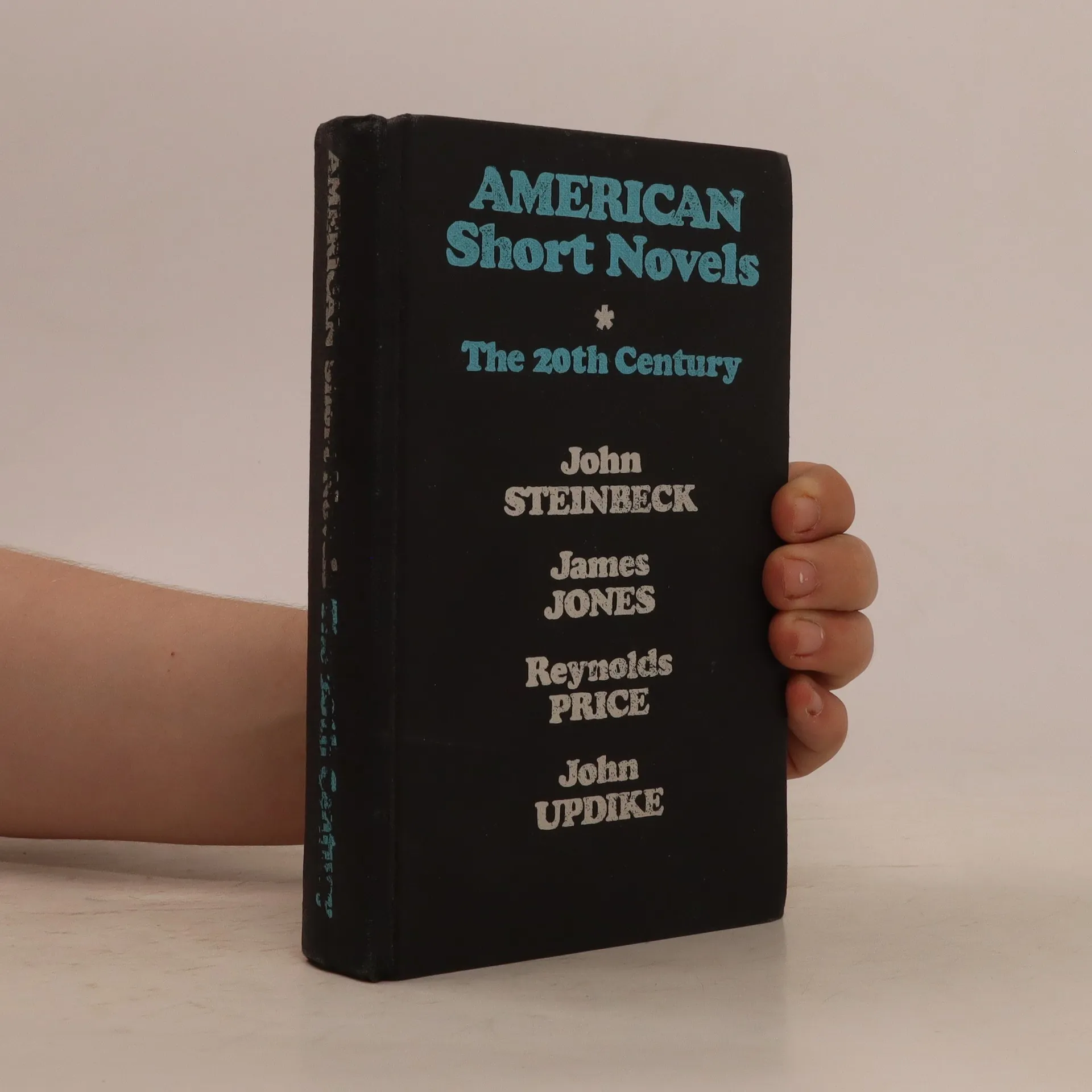
A collection of 4 US novels, published in Steinbeck - Of men and miceJames Jones - The pistolReynolds Price - A long and lappy lifeJohn Updike - Of the farm
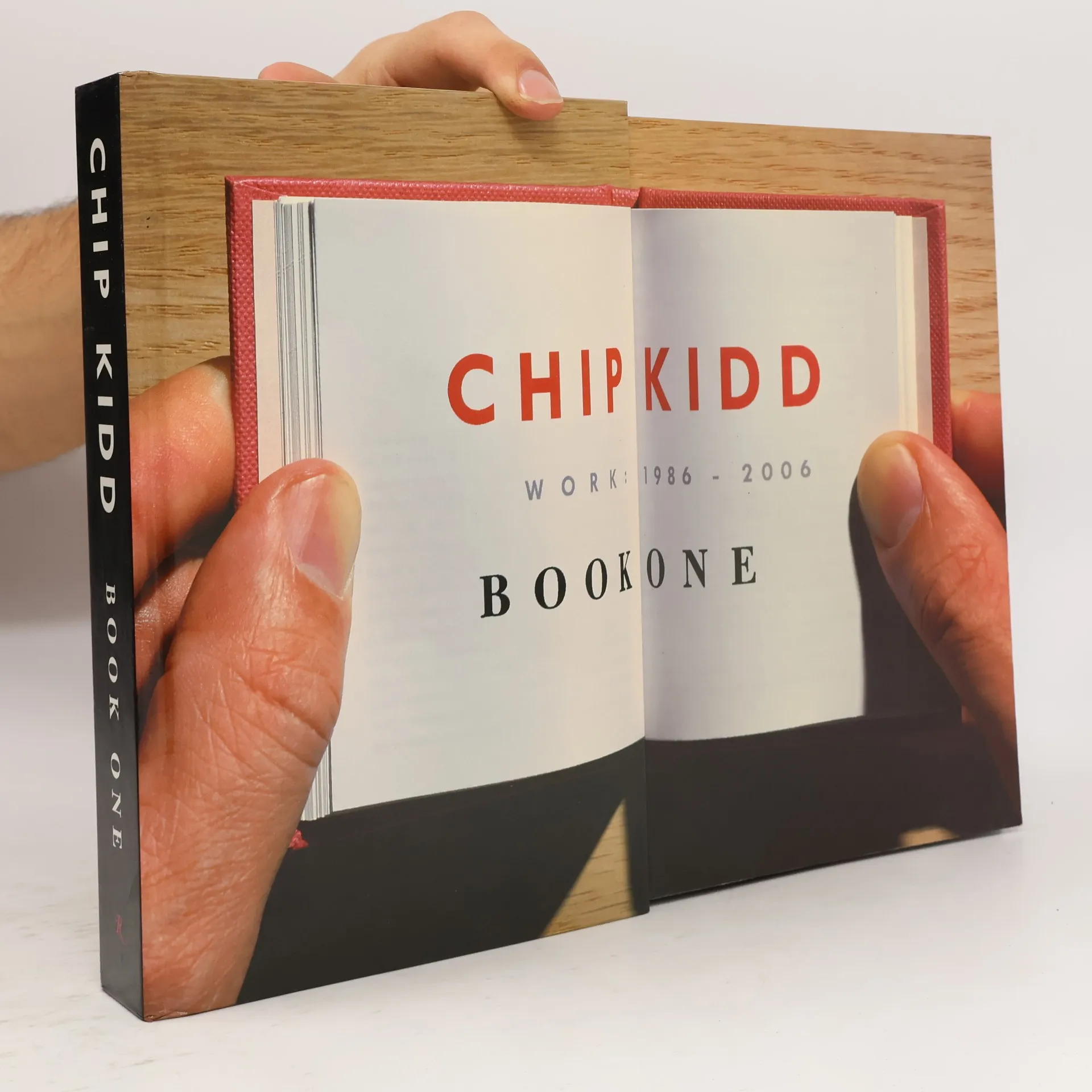
Described as "the closest thing to a rock star" in graphic design today (USA Today), Chip Kidd is universally recognized as an American master of contemporary book design. At the forefront of a revolution in publishing, Kidd's iconic covers, with their inventive marriage of type and found images, have influenced an entire generation of design practitioners in many fields.Chip Kidd: Book One collects all of his book covers and designs for the first time, as well as hundreds of developmental sketches and concepts-annotated by Kidd and by many of the best-selling authors he's worked with over the years. The result is an important contribution to the design canon today as well as a visually dazzling (and often hilarious) insider's look at the design and publishing process.The book also showcases Kidd's work with comics and graphic novels, including his collaborations with leading artists and writers in the field. Featured are projects for DC Comics, including Batman and Superman, as well as Kidd's award-winning exploration of the art of Charles M. Schulz. Chip Kidd: Book One is sure to enthrall design aficionados, book lovers, pop-culture fanatics, comics fans, and design students.
The conflicts of common people in everyday situations are revealed from many angles in a collection of stories assembled to offer an impression of contemporary American life
In the small town of Pierce Junction adultery is the popular pastime and pillow talk the common currency. Martin knows the women he hasn't yet seduced hold his attention for the longest, and Winifred, married to his own wife's lover, stirs him in ways he never expects.
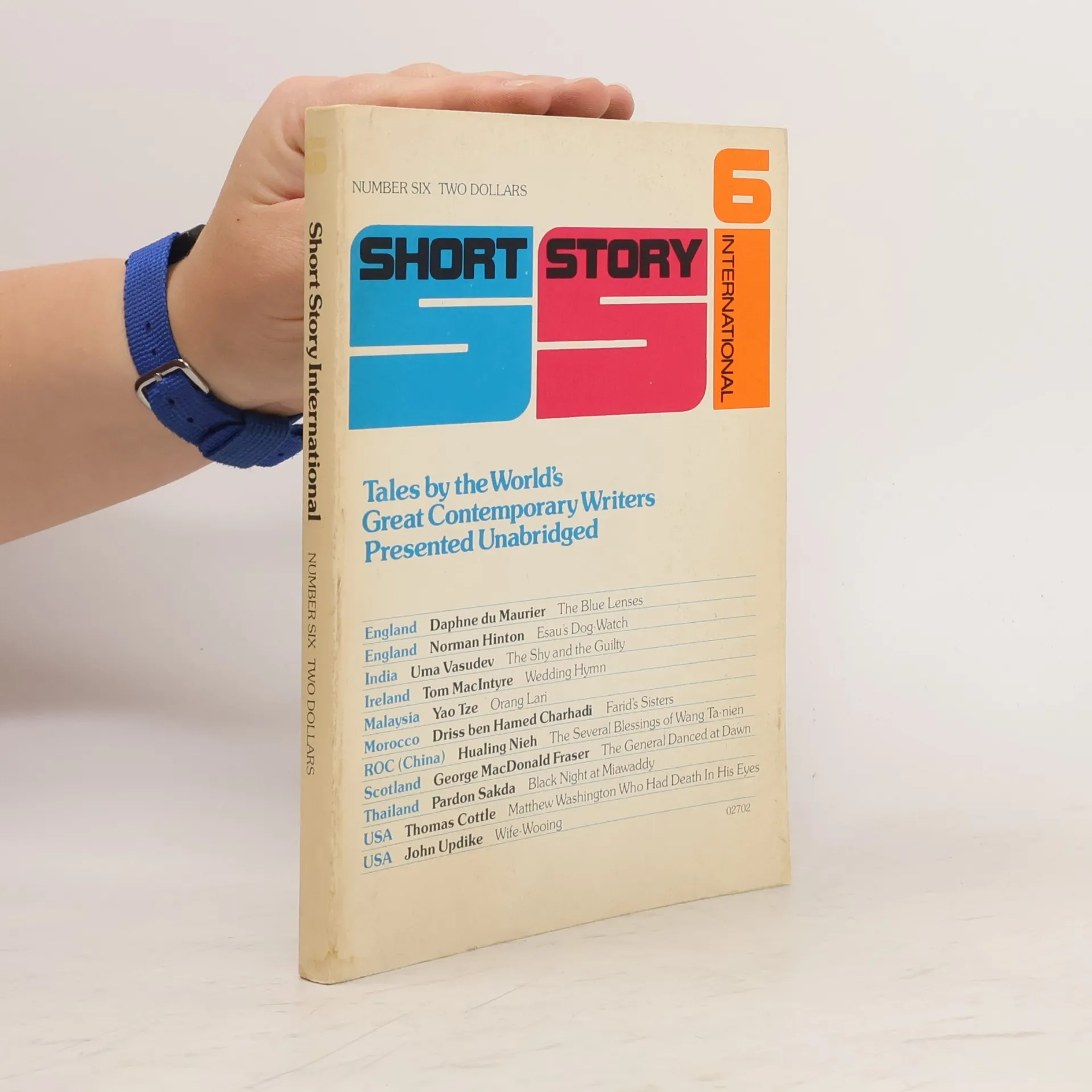
Tales by the World's Great Contemporary Writers Presented Unabridged
From India: Inhibition, in this story, is a cousin to The Seven Year Itch. From Scotland: Dancing is not always a primitive sex rite. Anyone familiar with military history will tell that the dancing Scotch soldiers are among the toughest in the world. From Malaysia: As pigs are pigs, ingrates are ingrates. From England: You'll probably start with a chuckle and end with a howl as this dog-lover goes all-out for her dog. All stories in this issue are reprinted full and unabridged.
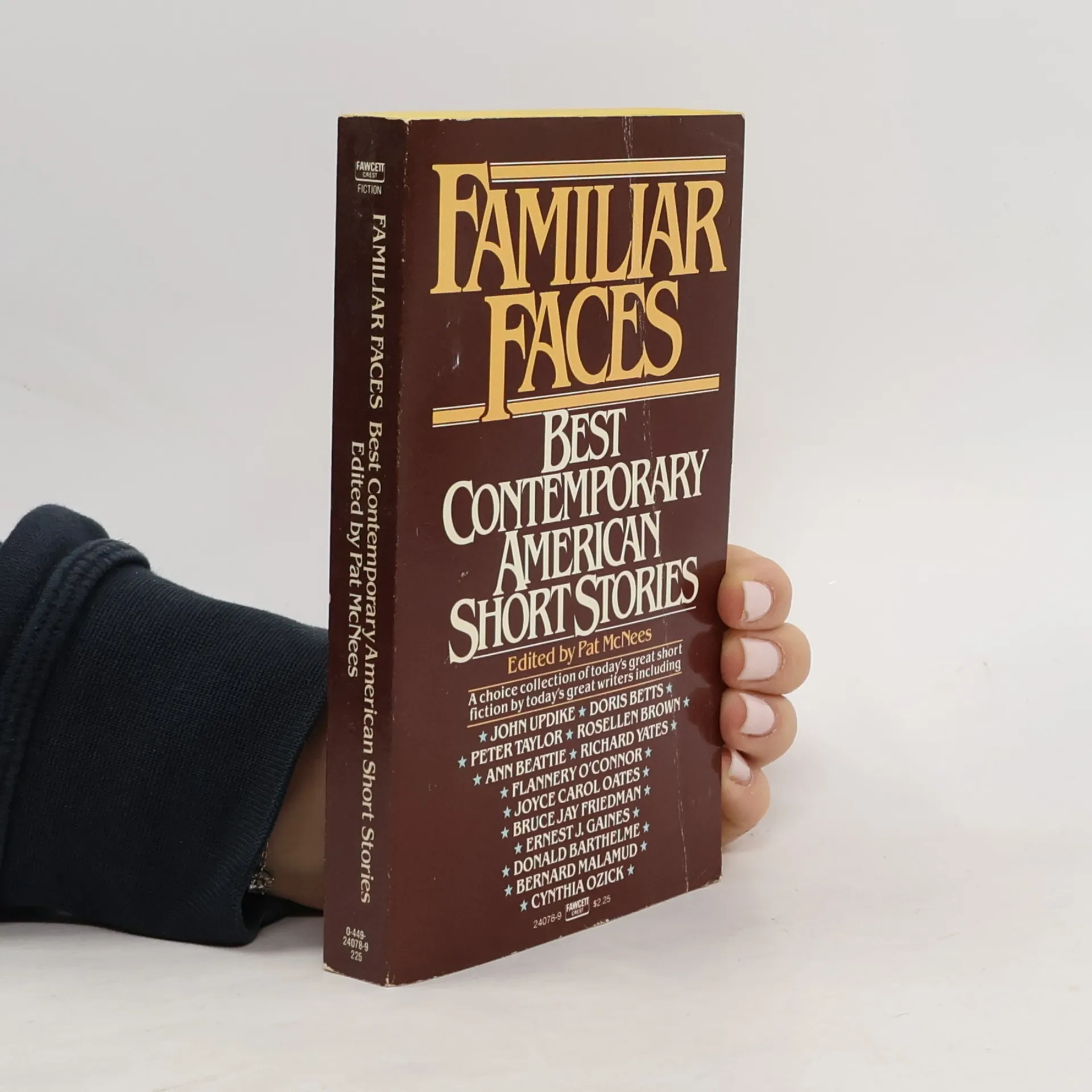
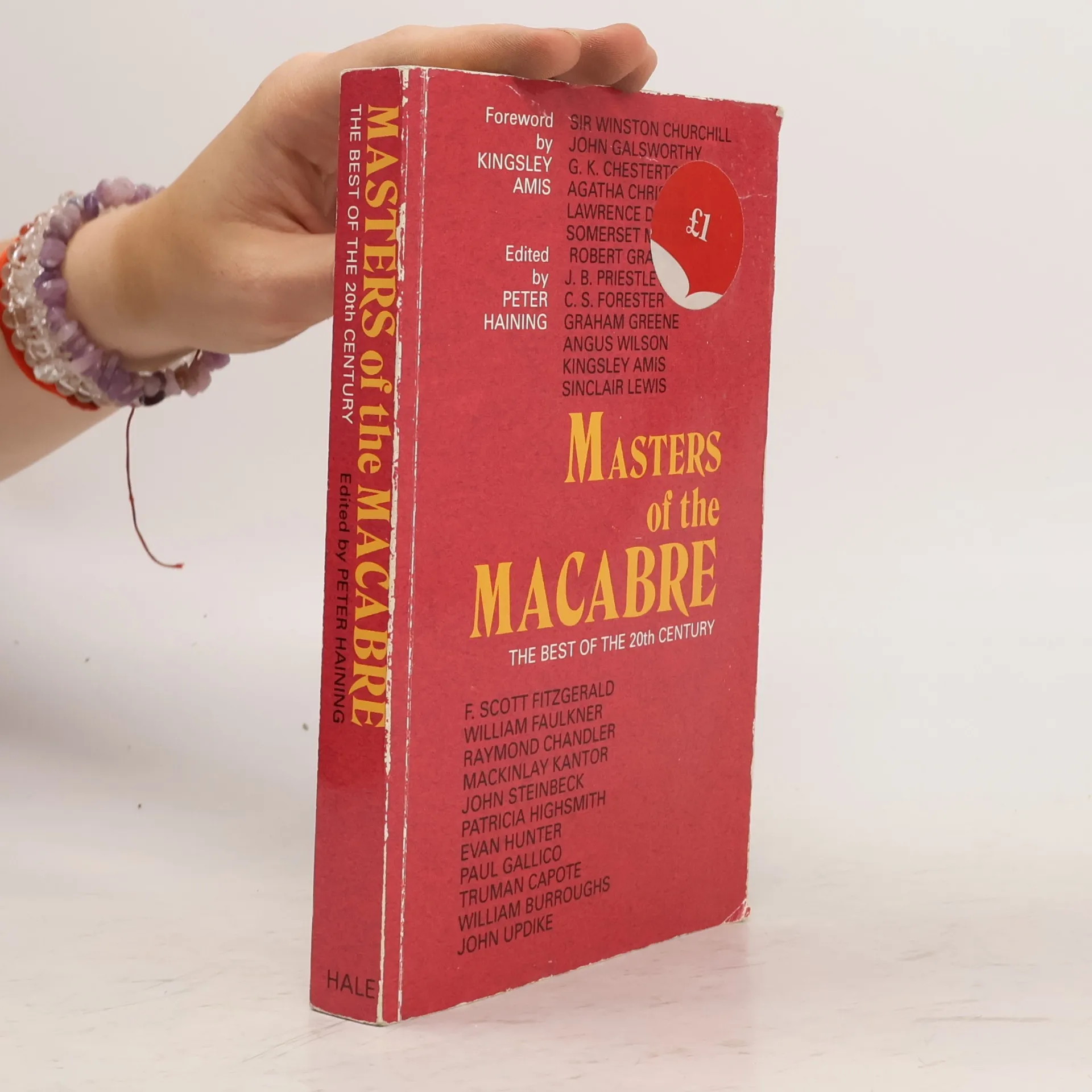
Stories included: Man Overboard (Sir Winston Churchill) Timber (John Galsworthy) The Angry Street (G. K. Chesterton) The Call of Wings (Agatha Christie) The Cherries (Lawrence Durrell) A Man From Glasgow (Somerset Maugham) Earth to Earth (Robert Graves) The Grey Ones (J. B. Priestley) The Man Who Didn't Ask Why (C. S. Forester) All But Empty (Graham Greene) Animals or Human Beings (Angus Wilson) Something Strange (Kingsley Amis) The Post-Mortem Murder (Sinclair Lewis) The Dance (F. Scott Fitzgerald) A Rose for Emily (William Faulkner) The Bronze Door (Raymond Chandler) A Man Who Had No Eyes (MacKinlay Kantor) The Affair at 7 Rue de M-- (John Steinback) The Snail Watcher (Patricia Highsmith) Inferiority Complex (Evan Hunter) The Terrible Answer (Paul Gallico) Miriam (Truman Capote) Exterminator (William Burroughs) During the Jurassic (John Updike)
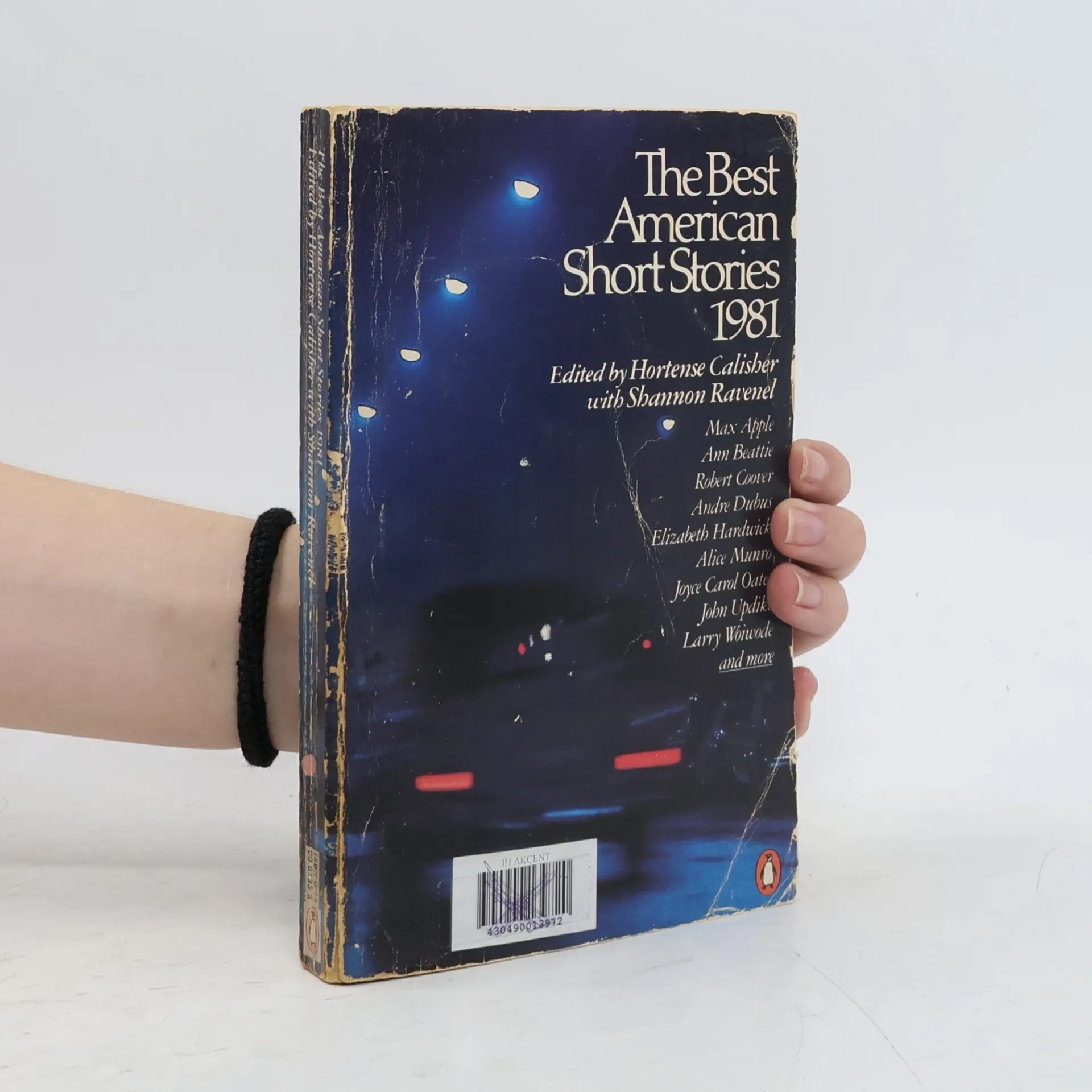
Short Stories by Ann Beattie, John Updike, Cynthia Ozick, Louis D. Rubin, Mavis Gallant, Alice Munro, Elizabeth Tallent, Hortense Calisher, Joyce Carol Oates, Elizabeth Hardwick, and many others.
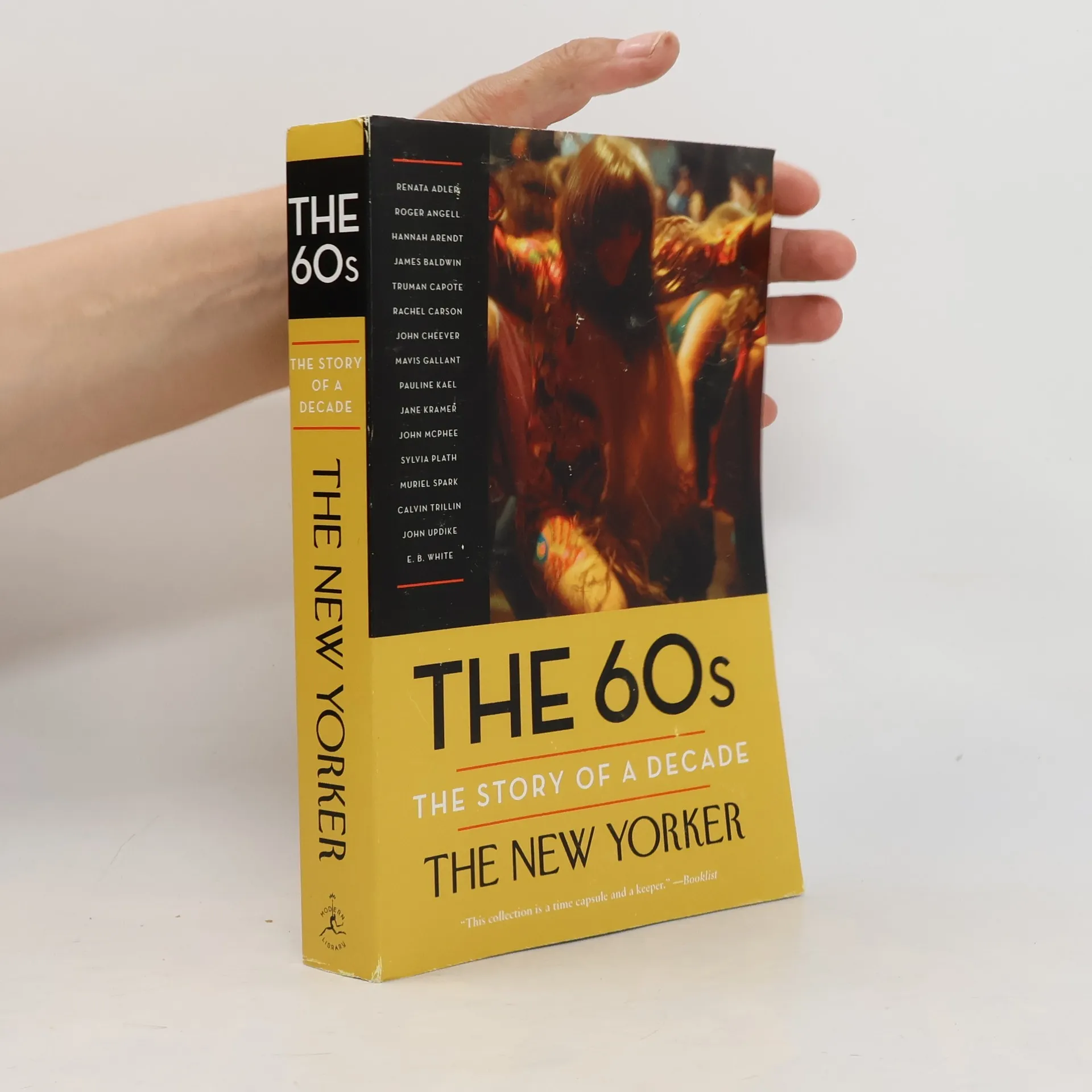
The anthology features significant New Yorker articles from the tumultuous 20th century, showcasing works by renowned authors like James Baldwin, Sylvia Plath, and Pauline Kael. It also includes contemporary evaluations of the 1960s by today's leading writers, providing a rich exploration of the era's cultural and social dynamics. This collection highlights both historical perspectives and modern interpretations, making it a compelling read for those interested in literary history and the evolution of thought during a pivotal decade.
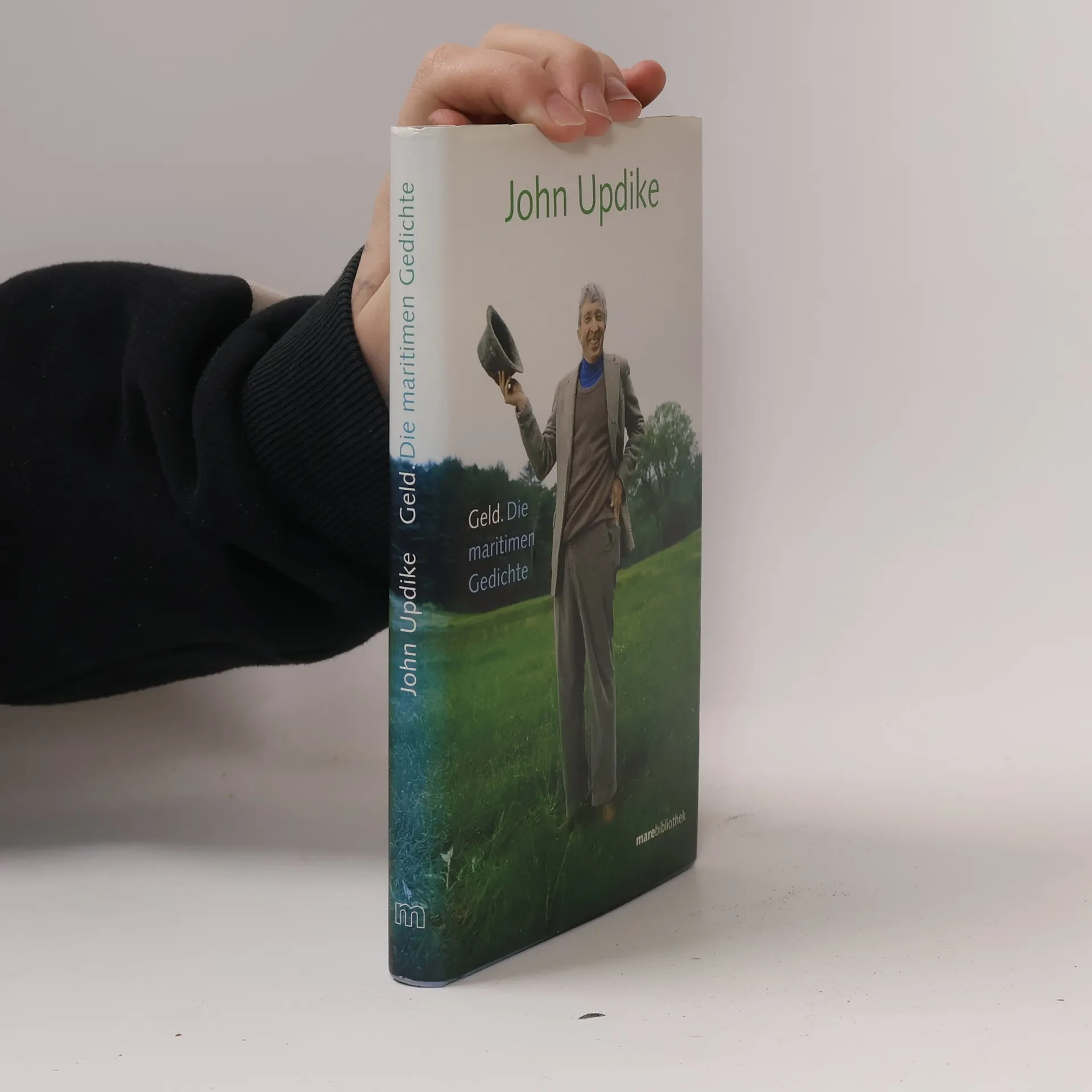
John Updike, a prominent American novelist and perennial Nobel Prize contender, reveals himself to German readers as a poet. His five-decade body of work explores themes related to the sea, offering straightforward yet elegant poetry filled with surprising insights on eroticism and politics.
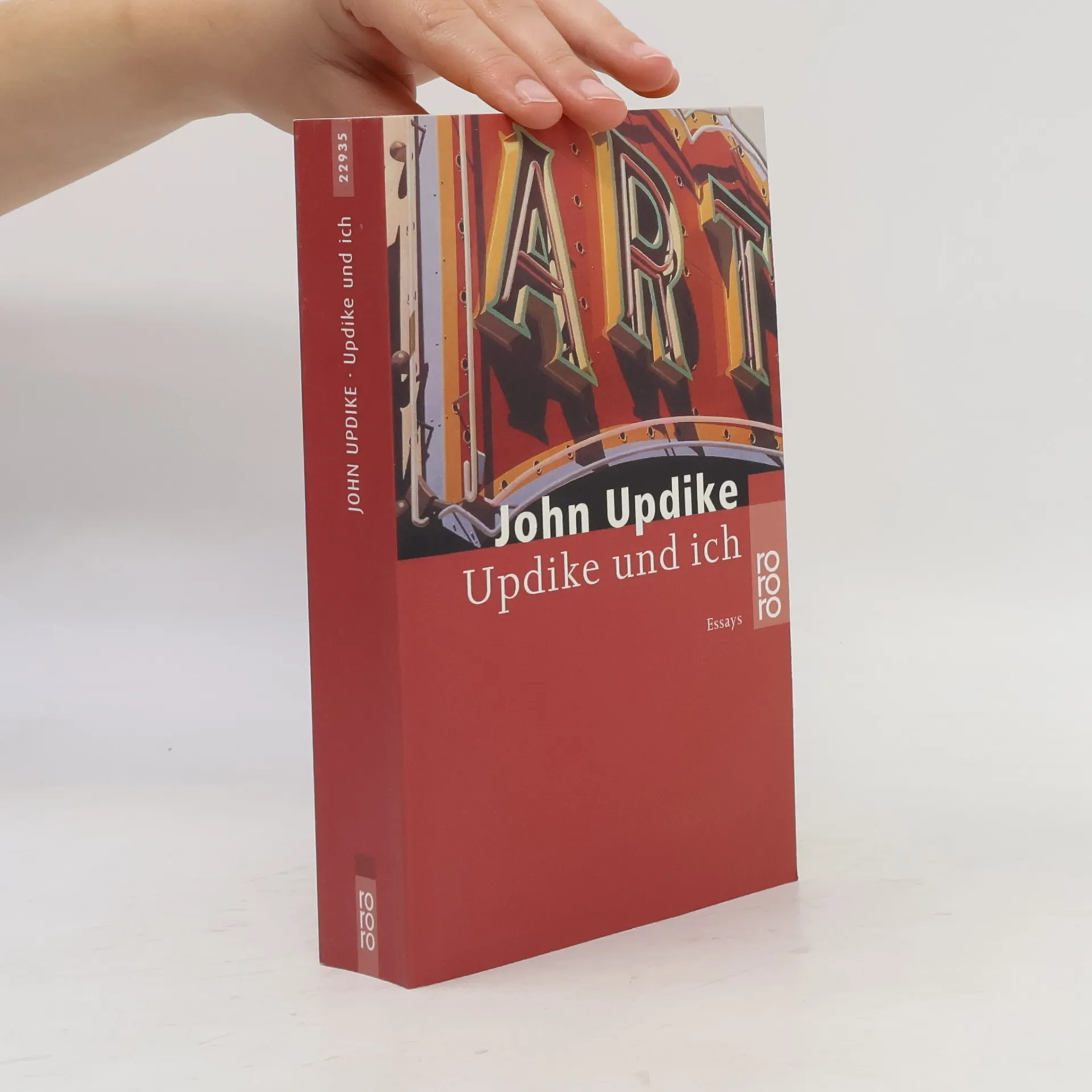
Warum hört John Updike gerne Radio? Was hat er zu sagen, wenn er seinem eigenen Romanhelden Bech Rede und Antwort stehen muss? In seinen Kommentaren zum eigenen Werk erweist sich der Pulitzerpreisträger selbst die Ehre. Aber Updike wäre nicht Updike, würde nicht auch der Rest der schreibenden Zunft seiner scharfsinnigen, doch immer auch charmanten Aufmerksamkeit teilhaftig: Lob und Tadel für Momente vollkommenen Leseglücks und Leseleids.
Updike gilt als einer der bedeutendsten Erzähler unserer Zeit. In seinen frühen Erzählungen zeigt er sein Meisterschaft in der Short Story und thematisiert das Besondere im Alltäglichen sowie die Vergänglichkeit. Dieser zweite Band enthält vier bisher unveröffentlichte und achtzehn schwer zugängliche Erzählungen.
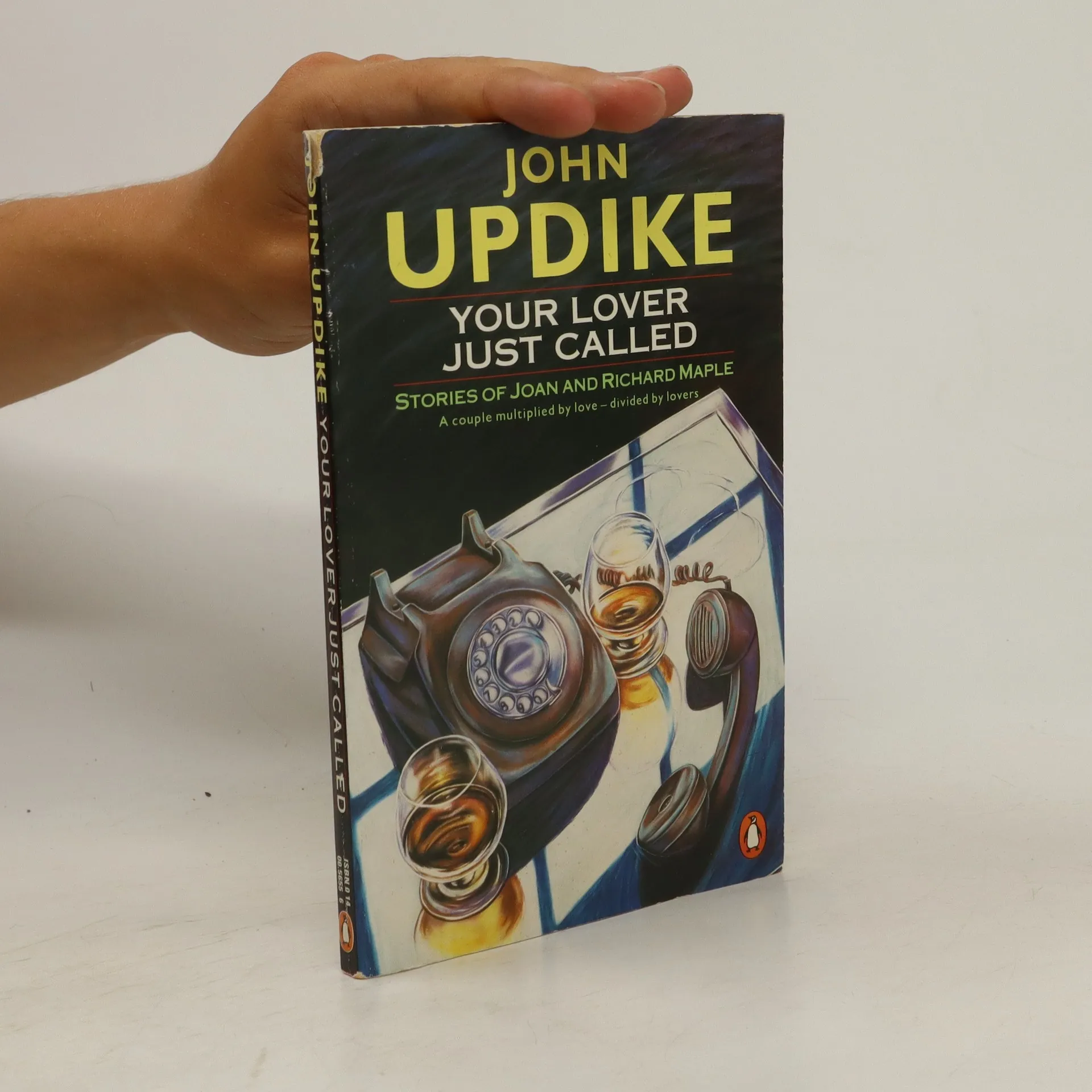
Die Maples, seit einem Jahr verheiratet, erleben gemeinsam den Schnee in Greenwich Village, im Einklang miteinander und diese Harmonie genießend. Ein halbes Dutzend Jahre später muss Richard dann erkennen, dass die eigene Frau zu verführen wesentlich anstrengender ist als die Eroberung eines jungen Mädchens. Immer größere Entfremdung, Affären, Trennung, erneutes Sichnähern, Scheidung.