The ever-growing Olbricht collection, located in Essen, Germany, has become one of the world's largest stockpiles of contemporary work--and, given its size, one of the least known. Rockers Island presents a representative selection of the works that collector Thomas Olbricht has been gathering over the last 15 years. These paintings, sculptures, photographs and installations come from artists as diverse as Diane Arbus, Stephan Balkenhol, Joseph Beuys, Maurizio Cattelan, Peter Doig, Andreas Gursky, Damien Hirst, Sarah Lucas, Elizabeth Peyton, Richard Prince, Daniel Richter, Ed Ruscha, Norbert Schwontkowski and Cindy Sherman. Rockers Island offers several different artistic and chronological approaches to the material, clearing fresh views, constructing innovative constellations and posing new questions for contemporary art. This richly illustrated volume provides insight into a fascinating collection.
Catalogue of the Exhibition at Museum Folkwang, Essen and at Museo Nacional Centro de Arte Reina Sofia, Madrid, 2001
165 stron
6 godzin czytania
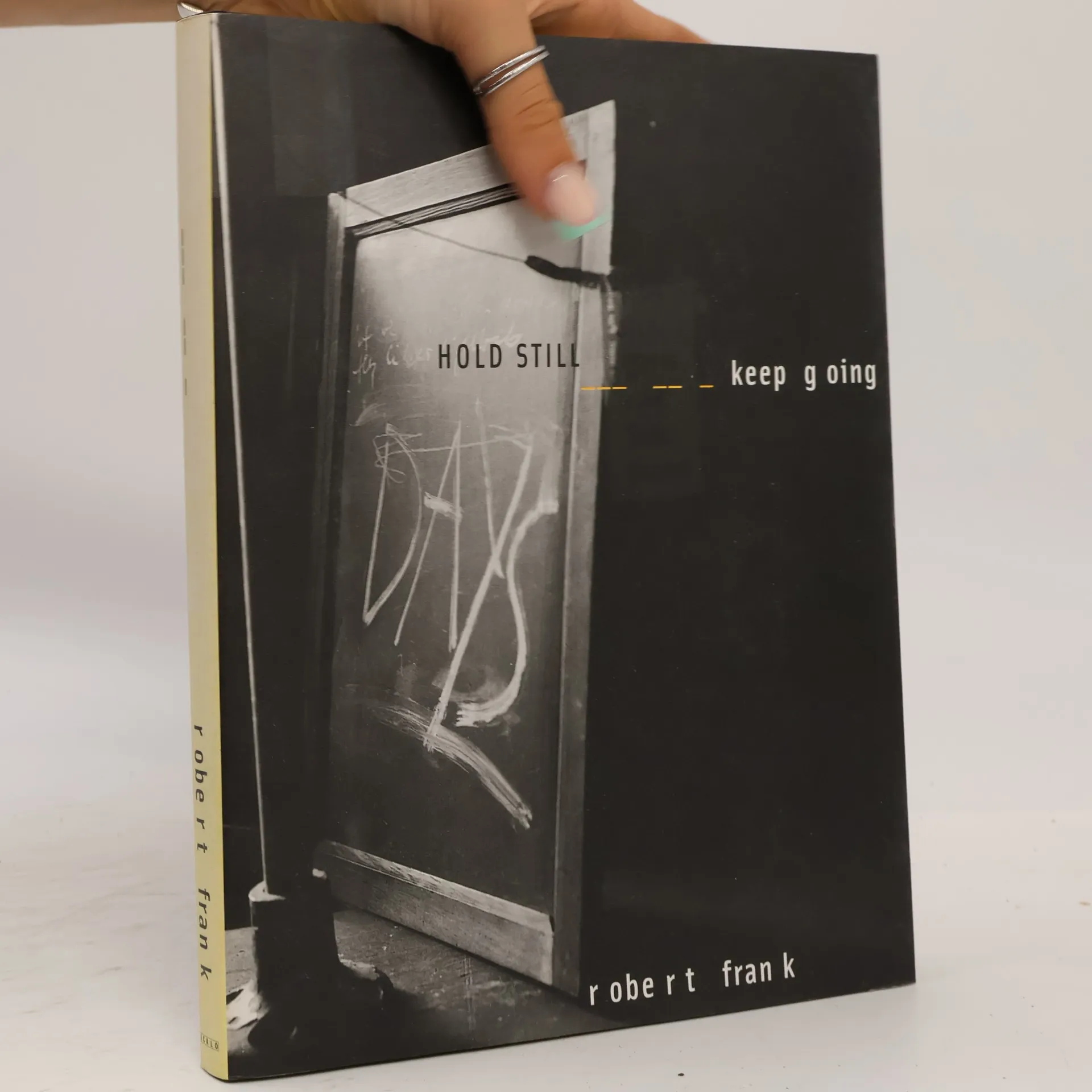
Robert Frank not only ranks among the most important of living photographers but is also widely recognized as a seminal figure in the development of experimental cinema. And yet, the continuity and consistency of his work in both photography and film has been barely explored. "Hold still-keep going" fills this obvious void by illustrating and analyzing the underlying aesthetics that have guided Frank's work in both media. From the very outset of his career, Frank distrusted the single photographic image and its claim to freeze moments of time and again he gravitated to the moving image and serial photography, be it in book form or as a panel of photographs. Reproducing more than 100 collages, film stills and serial works, this volume will certainly become a new standard publication on Robert Frank, innovative photographer and experimental filmmaker. The book also contains an illustrated bibliography and biography featuring dozens of previously unpublished images of Robert Frank, his family and his friends. Published in conjunction with a major traveling exhibition, this is an essential addition to all photography and film collections.
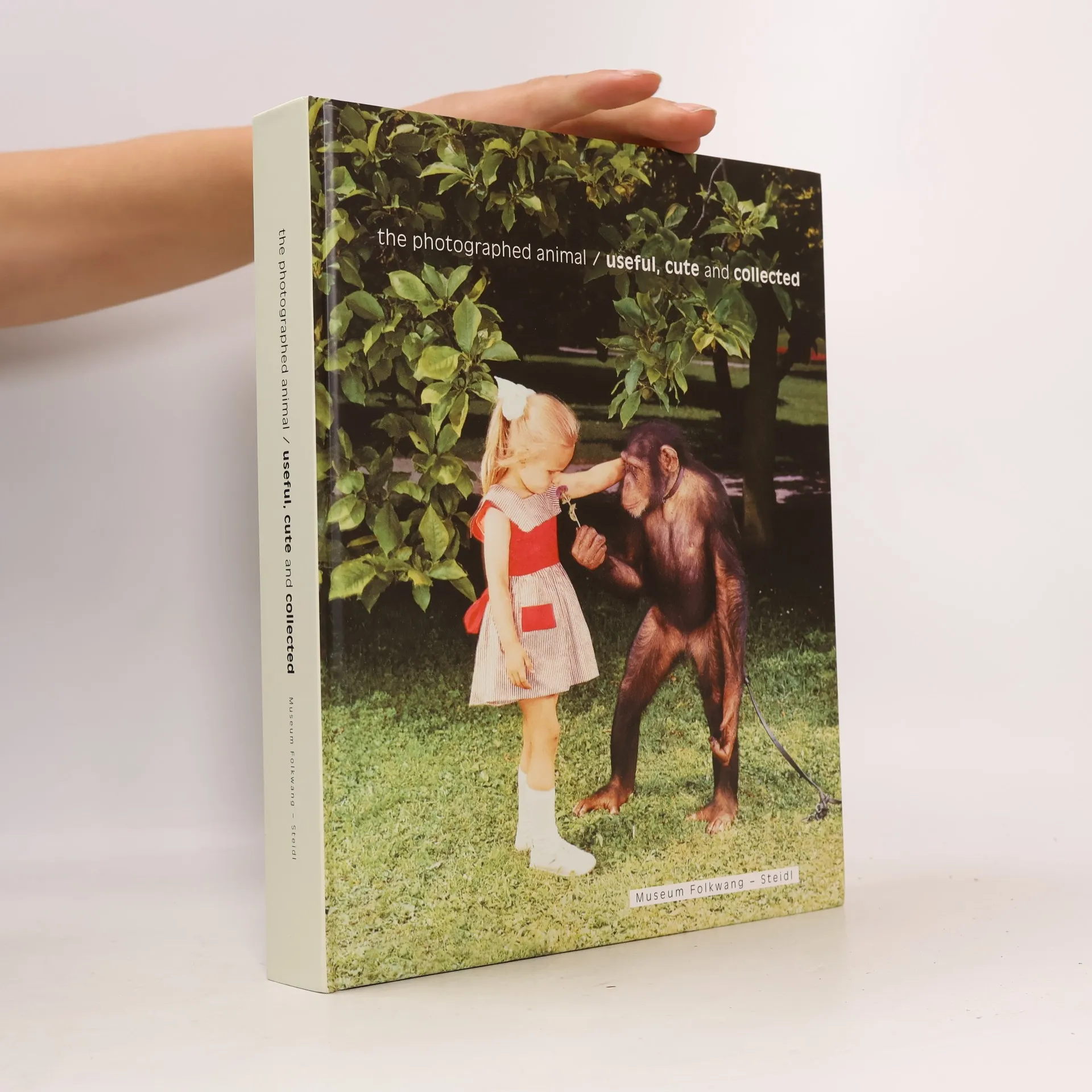
Man beholds in the animal a part of himself and a proxy in his relation to the world; his art portrays them alternately as true friends, tools, dignified beings and monstrous beasts. There are innumerable occasions to photograph animals, for research and as trophies, to document the creatures one has grown fond of or has killed, to arouse emotions or to create a work of art. The Photographed Animal presents images from the medium's beginnings up to the present in a depth and variety never seen in one place before, each reflecting the circumstances in which it was made, whether a nineteenth century big-game hunt or a twenty-first century cat food commercial. This unique selection brings together work from the daguerreotype to modern publicity photographs, from amateur snapshots to the work of celebrated photographers including William Eggleston, Elliot Erwitt, Garry Winogrand and many others.
The street allows photographers to conceal cameras and catch subjects unaware, in informal settings. By contrast, the studio permits both photographers and subjects to present carefully composed images to the world through elaborate staging and technical tricks. In recent years, with celebrities posing in the street and the studio being used for more informal, intimate shots, both traditions have undergone a transformation. This stunning collection features many of the greatest street hotographers of all time―Atget, Brassai, Cartier-Bresson, Arbus, Frank, as well as studio-based artists such as Carlo Ponti, Edward Steichen, Richard Avedon, Annie Leibovitz, and Jurgen Teller. Street and Studio provides a revealing look at the history of photography through the contrasts and tensions between these two traditions. Insightful and engaging essays by leading critics explore how the images these photographers have produced have conditioned the way we see both the modern city and ourselves.
"This important volume features numerous previously unpublished photographs taken by Steinert in Paris between 1948 and 1956. Containing an essays by photographer and writer Florian Ebner, it reveals key developments in Steinert's unique and influential language."--Publisher's description
Figure admirée et respectée de ses pairs en Allemagne comme sur la scène internationale, Michael Schmidt a pourtant été très peu montré en France. Publié en relation avec l'importante rétrospective itinérante – la première depuis le décès de l'artiste – présentée à la Nationalgalerie im Hamburger Bahnhof à Berlin, au Jeu de Paume à Paris, au Museo Nacional Centro de Arte Reina Sofía à Madrid et à l'Albertina à Vienne, ce catalogue constitue l'unique monographie de cette envergure jamais dédiée au photographe. L'analyse chronologique de son parcours, les essais des spécialistes Ute Eskildsen, Janos Frecot, Peter Galassi, Heinz Liesbrock et Thomas Weski – ayant tous étroitement collaboré avec lui de son vivant –, révèlent l'ampleur et l'originalité de la pratique de Michael Schmidt, qui adopta une méthode photographique spécifique pour chacune de ses séries.Fruit des recherches approfondies conduites par les Archives de Michael Schmidt, cet ouvrage et l'exposition qu'il accompagne réunissent, outre les séries iconiques Waffenruhe (« Cessez-le-feu », 1987) et Ein-heit (« Un-ité », 1996), des photographies originales, des tirages de travail inédits, des maquettes de livres et une riche documentation (cartons d'invitation, affiches, vues d'exposition, etc.). Ils restituent ainsi toute la portée d'un artiste qui a influencé une génération entière de photographes par ses explorations et innovations continuelles.Publié à l'occasion des expositions à la Nationalgalerie im Hamburger Bahnhof – Museum für Gegenwart, Berlin, du 29 août 2020 au 17 janvier 2021 (« Michael Schmidt - Retrospektive. Fotografien 1965-2014 »), au Jeu de Paume, Paris, du 11 mai au 29 août 2021 (« Michael Schmidt. Une autre photographie allemande »), au Museo Nacional Centro de Arte Reina Sofía, Madrid, du 28 septembre 2021 au 28 février 2022 et à Albertina, Vienne, du 24 mars au 12 juin 2022.Michael Schmidt (1945-2014) incarne une autre photographie allemande, au regard notamment des réflexions menées par ses contemporains de l'école de Düsseldorf. De formation autodidacte, il découvre la photographie en tant que médium artistique dans les années 1960. Son œuvre, profondément enracinée dans sa ville natale, Berlin, accompagne sur quarante ans l'histoire de l'Allemagne d'après-guerre, à travers portraits, paysages sociaux et appropriations d'images.
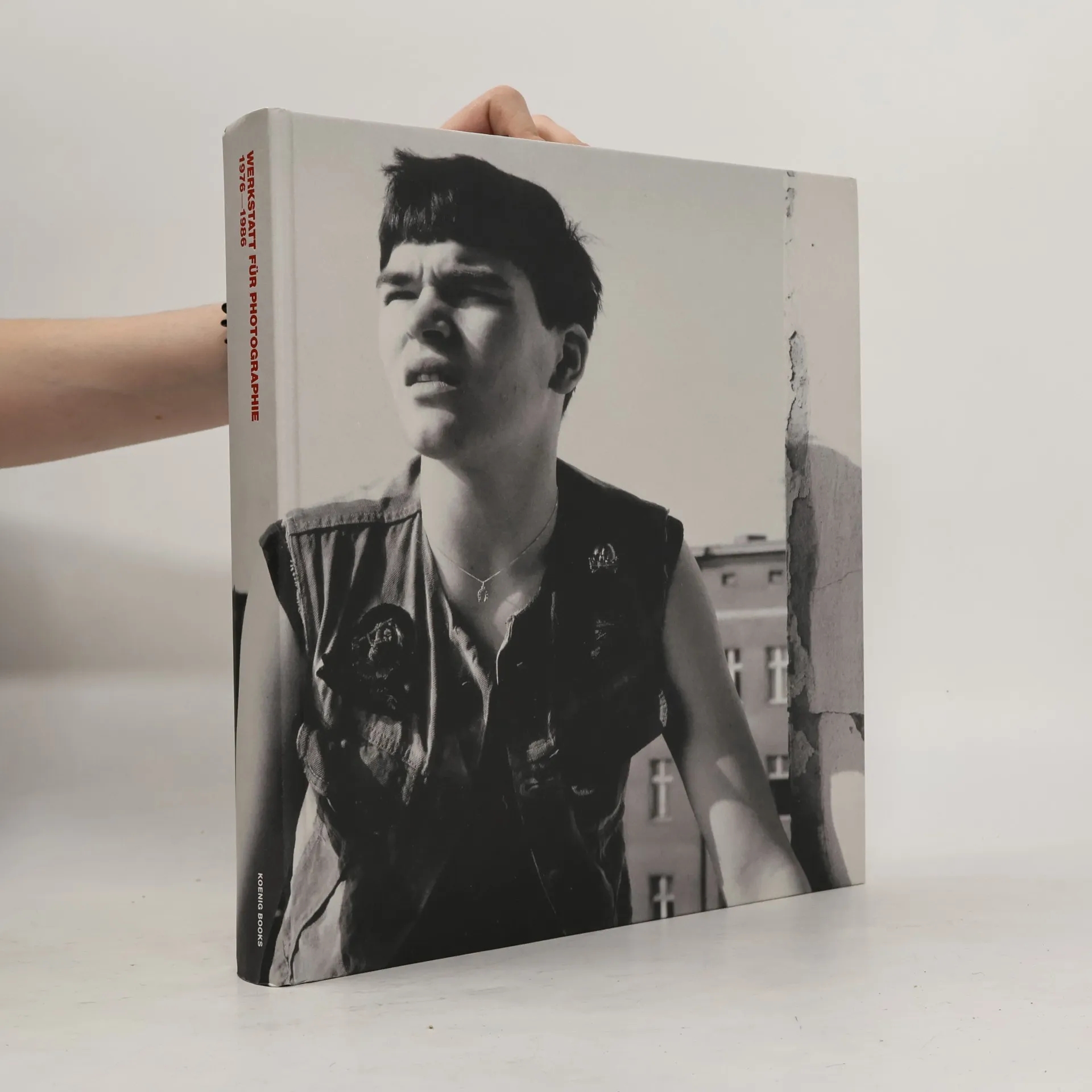
Dies ist die erste ausführliche Darstellung von Geschichte, Einflüssen und Wirkungen der „Werkstatt für Photographie“, die 1976 vom Berliner Fotografen Michael Schmidt an der Volkshochschule Kreuzberg gegründet wurde. In jenen Jahren entstanden in Westdeutschland Strukturen, die der Emanzipation der Fotografie als Kunstform den Weg ebnen sollten. Dazu gehörten neben der documenta 6 (1977) die ersten Fotogalerien und Fotografie-Magazine wie auch einige bahnbrechende Ausstellungen. Eine zentrale Rolle in dieser Entwicklung spielten die Städte Berlin, Hannover und Essen. Zu jener Zeit durchlief das Medium Fotografie einen grundlegenden Wandel, es entwickelte sich eine eigenständige Form künstlerischer Autorschaft im Bereich des Dokumentarischen. Aus verschiedenen Perspektiven erzählt diese Publikation die Geschichte der deutschen Fotografie der 1970er- und 80er-Jahre mit ihren internationalen Bezügen, ihre Protagonisten und Netzwerken und fügt ihr ein weiteres, bisher in der Geschichtsschreibung wenig beachtetes Kapitel hinzu.