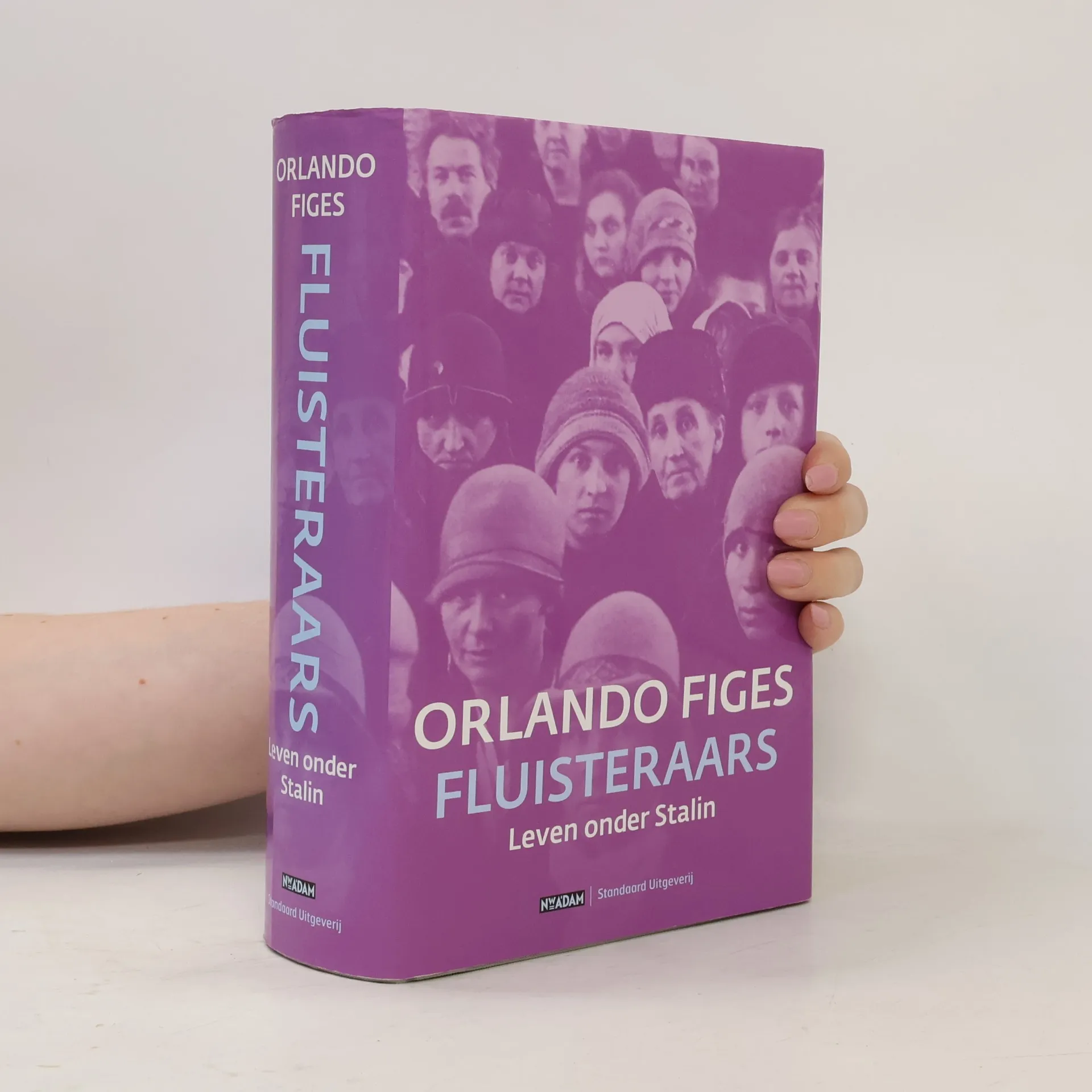
W 'Szeptach' Orlando Figes opisuje historie ludzi, którzy żyli w czasach
dyktatury stalinowskiej. Są wśród nich także znane postaci: Anna Achmatowa,
Jelena Bonner, Bułat Okudżawa, Konstantin Simonow... Korzystając z setek
rodzinnych archiwów, a także niezliczonych wywiadów, autor odtwarza tamten
świat dramatycznych moralnych wyborów i kompromisów. Świat, w którym ludzie
mówili szeptem, aby ochronić siebie, rodzinę lub przyjaciół, a życie prywatne
w warunkach totalnej kontroli państwa wydawało się niemożliwe.
Poruszająca książka Orlando Figesa opisuje historie ludzi, którzy żyli w czasach dyktatury stalinowskiej. Są wśród nich także znane postaci: Jelena Bonner, Bułat Okudżawa, Konstantin Simonow, Anatolij Gołownia. Korzystając z setek listów, notatek, pamiętników oraz innych dokumentów z rodzinnych i publicznych archiwów, a także wywiadów z tymi, którzy przeżyli, autor odtwarza tamten świat dramatycznych moralnych wyborów i kompromisów. Dużą część dokumentów i wywiadów wykorzystanych w książce autor zebrał we współpracy z Memoriałem, rosyjskim stowarzyszeniem zajmującym się dokumentowaniem represji stalinowskich. Książka, wydana w Wielkiej Brytanii i Stanach Zjednoczonych przy końcu 2007 roku, znalazła się na liście 100 Notable Books of 2007 dziennika "New York Times".
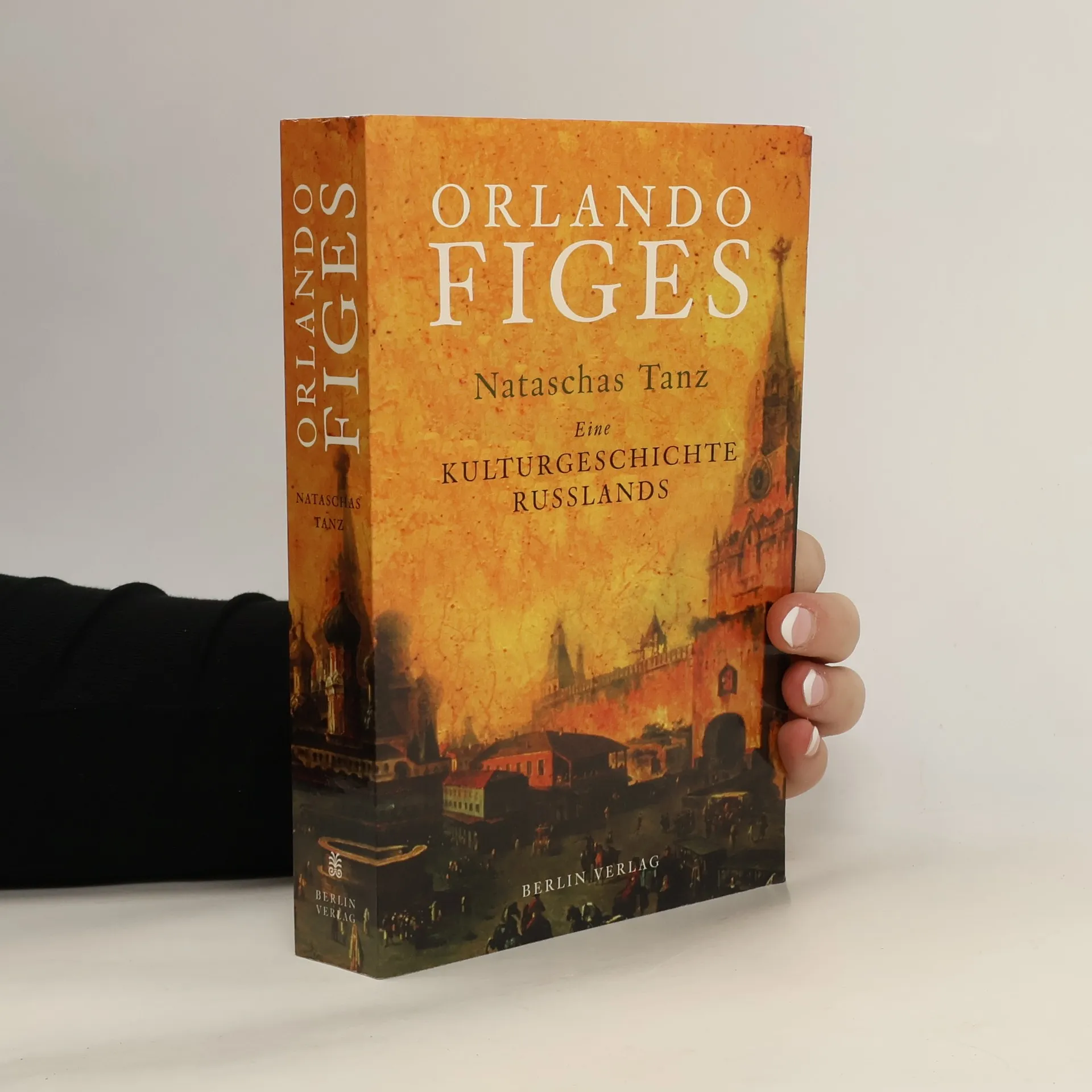
Fascynująca podróż przez złoty okres rosyjskiej kultury Taniec Nataszy to
spotkanie z historią wielkiego formatu urzekające arcydzieło, które
przedstawia powstanie jednej z najbardziej tętniących życiem cywilizacji
świata. Począwszy od XVIII wieku i budowy Petersburga okna na Zachód a
skończywszy na wyzwaniach, jakie reżim sowiecki rzucił rosyjskiej tożsamości,
Figes bada, jak pisarze, artyści i muzycy radzili sobie z ideą Rosji jej
charakterem, duchową istotą i misją. Autor umiejętnie przeplata wielkie dzieła
Dostojewskiego, Strawinskiego i Chagalla z przedmiotami kultury materialnej,
wierzeniami i zwyczajami, które składają się na rosyjską duszę. Okazuje się
ona pełną bogactwa i sprzeczności potężną siłą, która zjednoczyła rozległy
kraj i jest trwalsza niż jakikolwiek rosyjski władca.
Żaden kraj nie był tak głęboko podzielony w sprawie swojej historii jak Rosja.
Żaden nie zmieniał tak często opowieści o własnej przeszłości. To, jak
Rosjanie opowiadają o swoich dziejach i w każdym pokoleniu tworzą ich nową
wersję, jest ważną częścią ich historii, kultury i poglądu na świat. Aby
wiedzieć, co kryje przyszłość Rosji zrozumieć, co reżim Putina oznacza dla
Rosji i świata musimy poznać idee i sens rosyjskiej historii. W książce
Orlando Figesa barwne postaci z bogatych dziejów Rosji stają przed nami jak
żywe. Bez znajomości ich biografii nie da się dziś zrozumieć największego
kraju świata począwszy od koronacji szesnastoletniego Iwana Groźnego w
moskiewskim soborze i ubranej w zielony mundur Katarzyny Wielkiej jadącej
aresztować swego męża, a skończywszy na ostatnich, tragicznych dniach
Romanowów. Opowieść o Rosji, wybornie napisana i oparta na długoletnich
studiach, jest arcydziełem autora, który jak nikt potrafi opowiadać o dziejach
Rosji. To książka mająca rozmach, trzymająca w napięciu, mistrzowska.
Książka, bez której nie zrozumiecie dzisiejszej Rosji. ANNE APPLEBAUM Żaden
kraj nie był tak głęboko podzielony w sprawie swojej historii jak Rosja. Żaden
nie zmieniał tak często opowieści o własnej przeszłości. To, jak Rosjanie
opowiadają o swoich dziejach i w każdym pokoleniu tworzą ich nową wersję, jest
ważną częścią ich historii, kultury i poglądu na świat. Aby wiedzieć, co kryje
przyszłość Rosji – zrozumieć, co reżim Putina oznacza dla Rosji i świata –
musimy poznać idee i sens rosyjskiej historii. W książce Orlando Figesa barwne
postaci z bogatych dziejów Rosji stają przed nami jak żywe. Bez znajomości ich
biografii nie da się dziś zrozumieć największego kraju świata – począwszy od
koronacji szesnastoletniego Iwana Groźnego w moskiewskim soborze i ubranej w
zielony mundur Katarzyny Wielkiej jadącej aresztować swego męża, a skończywszy
na ostatnich, tragicznych dniach Romanowów. Opowieść o Rosji, wybornie
napisana i oparta na długoletnich studiach, jest arcydziełem autora, który jak
nikt potrafi opowiadać o dziejach Rosji. To książka mająca rozmach, trzymająca
w napięciu, mistrzowska.
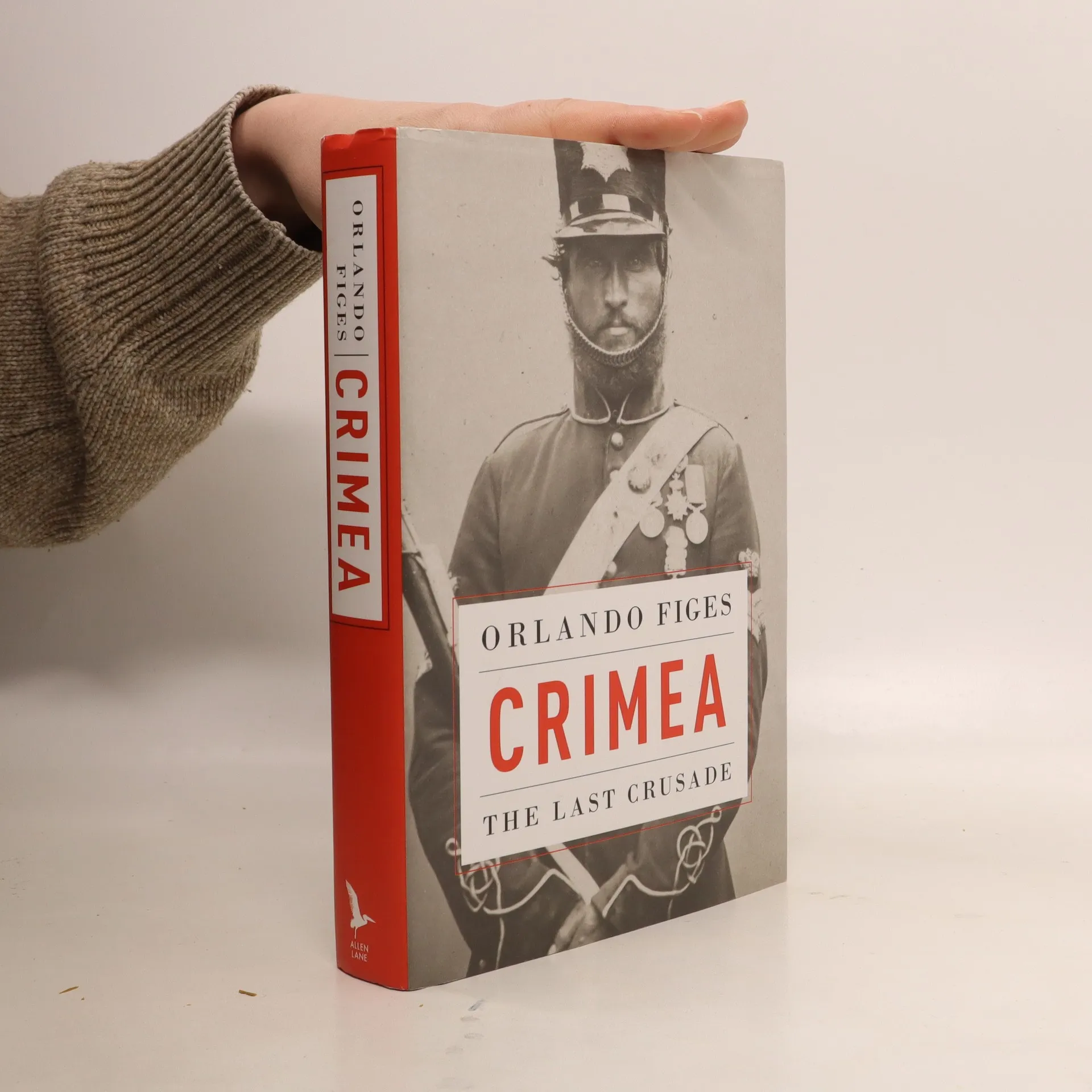
Wojna krymska była brutalnym konfliktem, który zabił co najmniej milion ludzi i zmusił Rosję do walki z potężną koalicją Wielkiej Brytanii, Francji i Imperium Osmańskiego. Konflikt ten toczył się o terytorium, z obawą, że upadek państwa Osmanów umożliwi Rosji kontrolę nad rozległymi obszarami od Bałkanów po Zatokę Perską. Miał również charakter religijny, z niebezpiecznym przekonaniem, że Rosja powinna sprawować władzę nad wszystkimi prawosławnymi chrześcijanami. Książka Orlanda Figesa przedstawia nową perspektywę na tę wojnę, ukazującą okrucieństwo i niekompetencję. Był to pierwszy nowoczesny konflikt, dokumentowany przez fotografie i relacje prasowe, a jednocześnie wojna tradycyjna, z analfabetami w szeregach żołnierzy i oficerami-amatorami, co prowadziło do ogromnych strat z powodu chorób. Autor opisuje znane epizody, takie jak szarża Lekkiej Brygady czy oblężenie Sewastopola, ale także kulturę Krymu, zniszczoną przez walki. Figes korzysta z różnorodnych źródeł, aby ukazać doświadczenia uczestników, od brytyjskiego żołnierza w okopie po cara Mikołaja, zmagającego się z własnymi ograniczeniami w dążeniu do religijnego zbawienia.
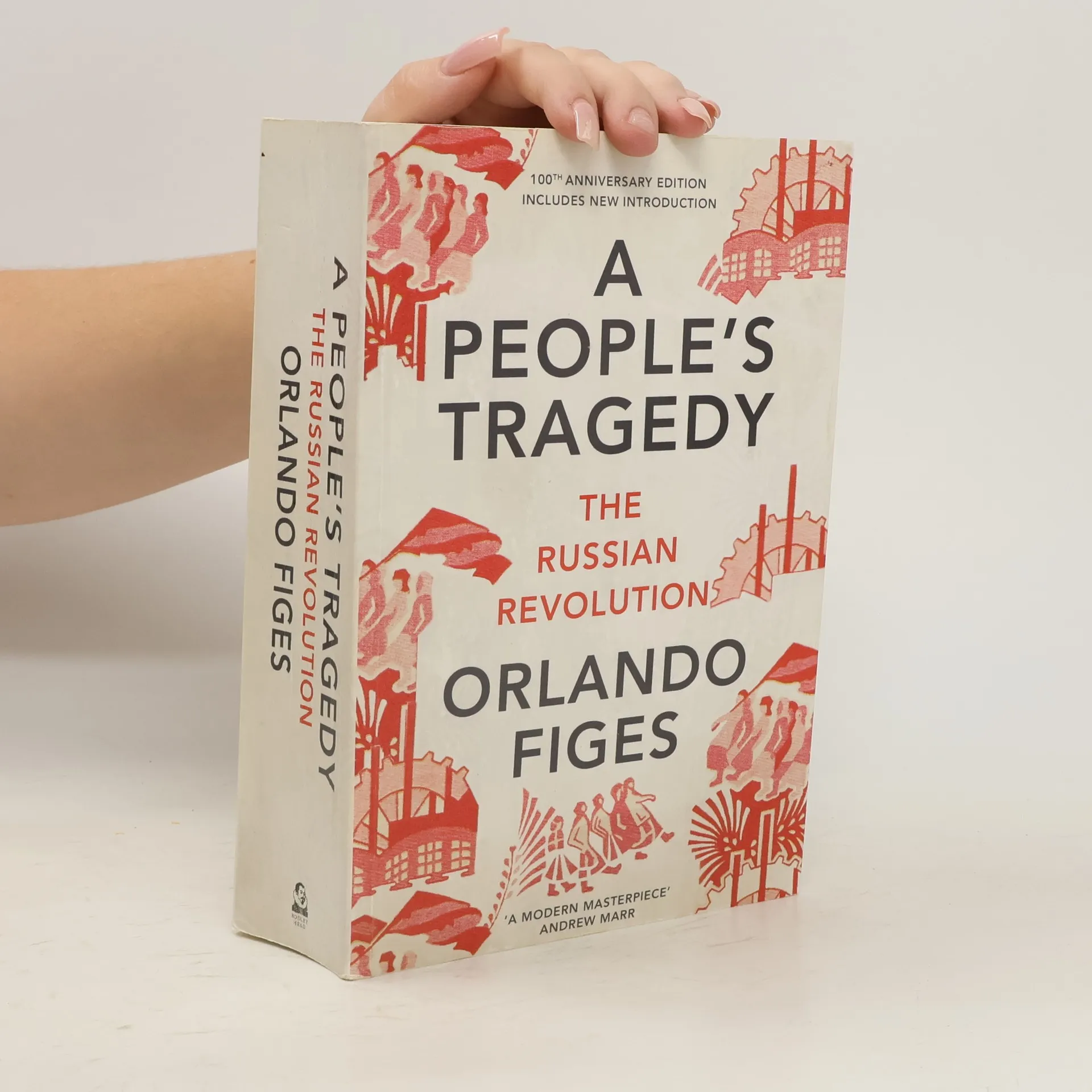
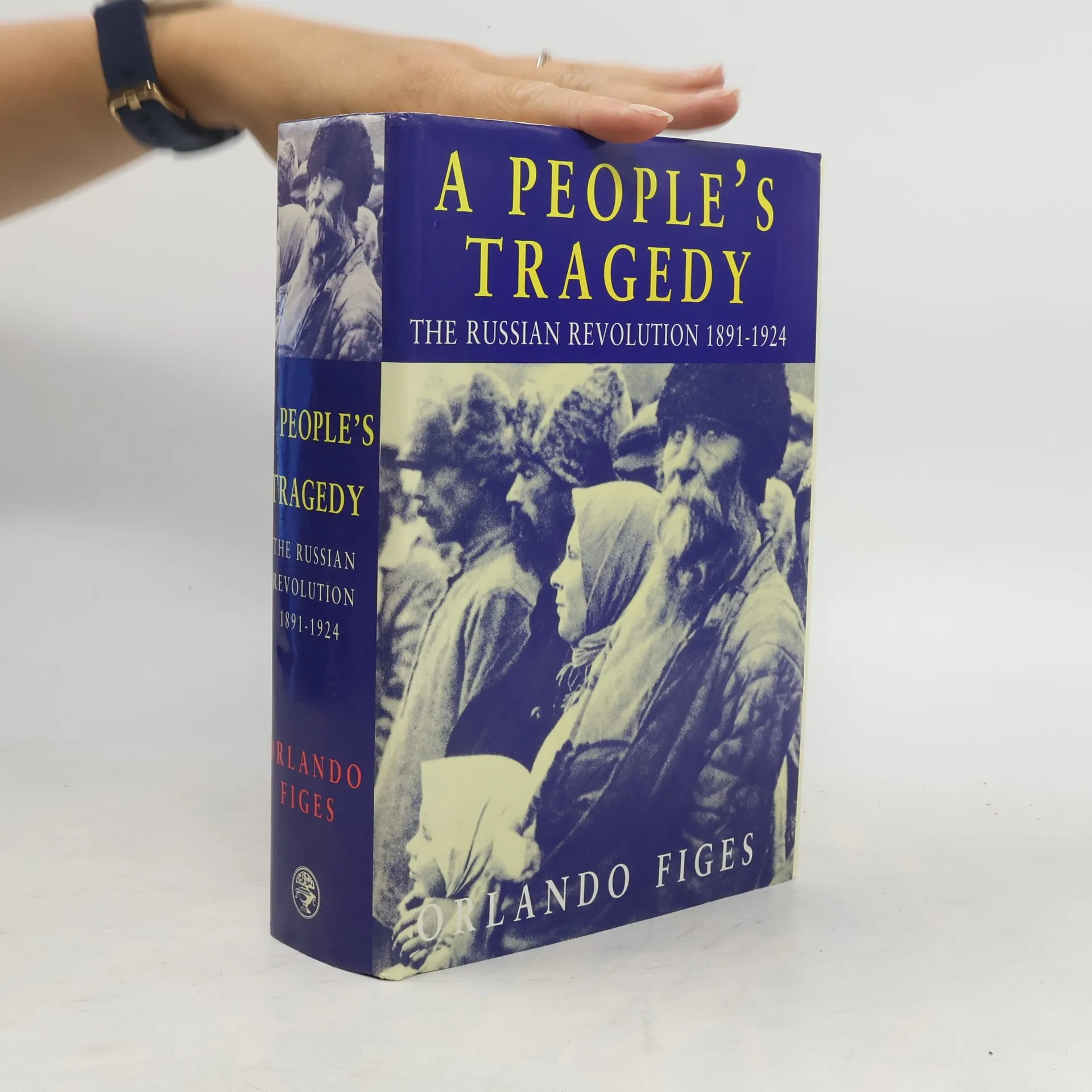
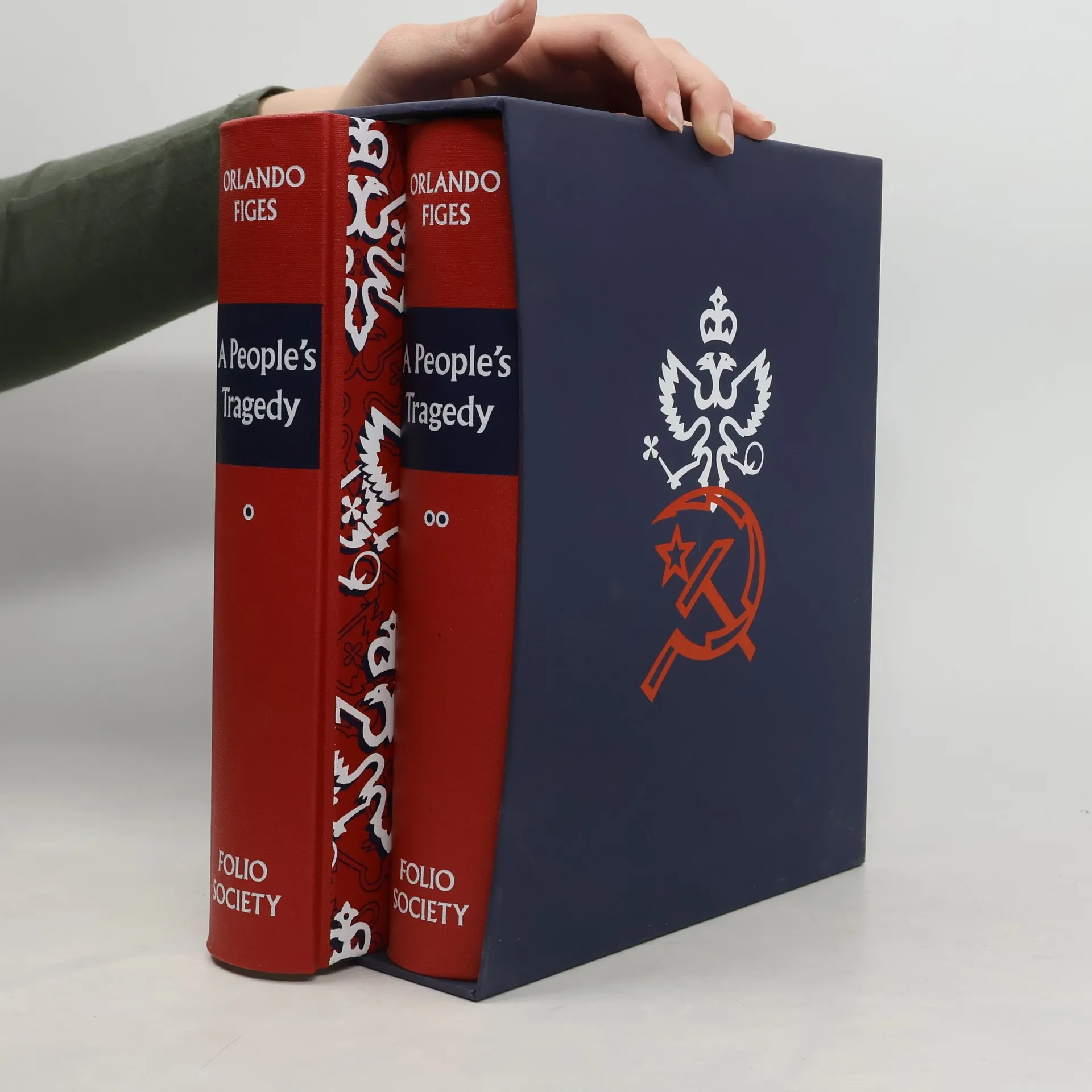
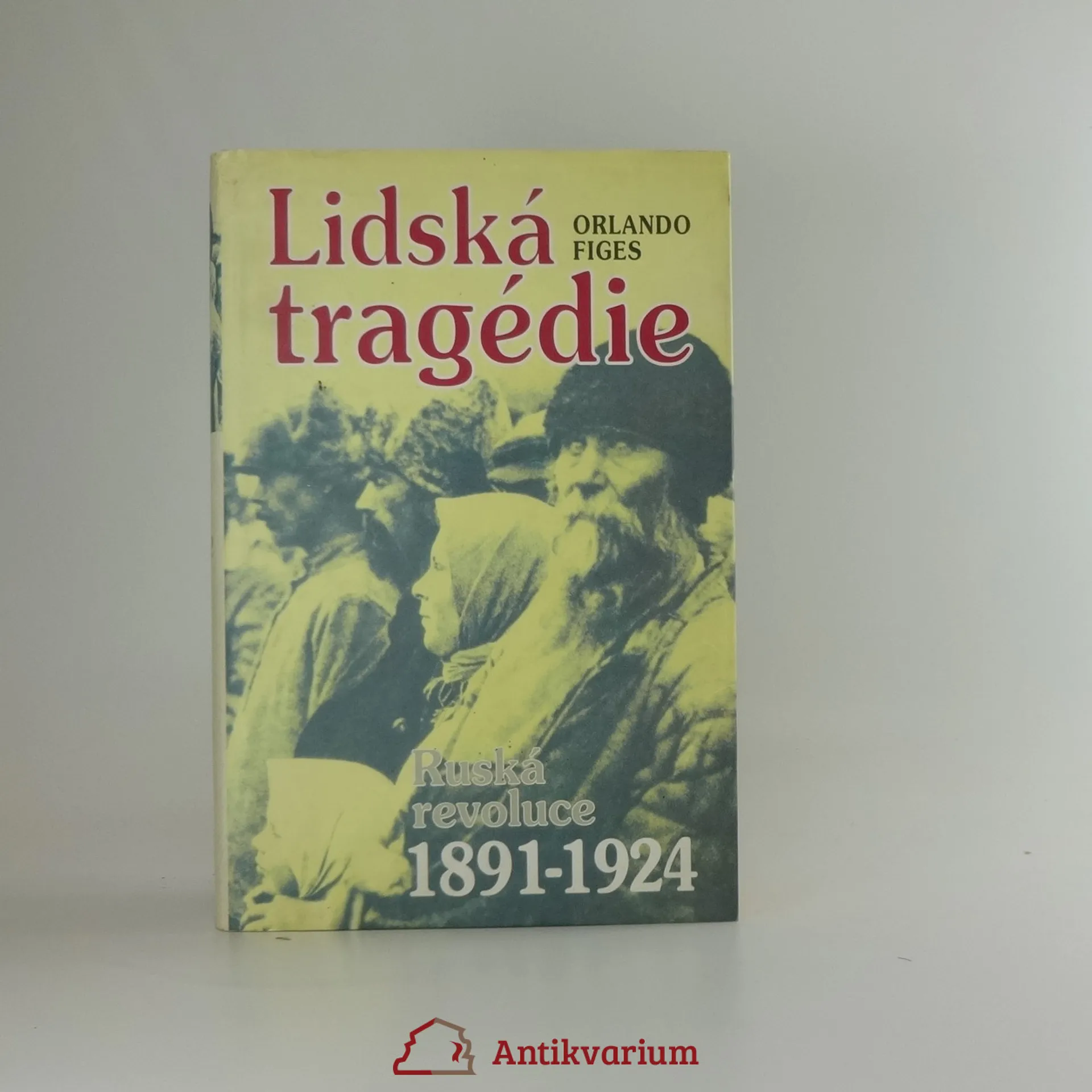
Unrivalled in scope and brimming with human drama, A People's Tragedy is the most vivid, moving and comprehensive history of the Russian Revolution available today. 'A modern masterpiece' Andrew Marr 'The most moving account of the Russian Revolution since Doctor Zhivago' Independent Opening with a panorama of Russian society, from the cloistered world of the Tsar to the brutal life of the peasants, A People's Tragedy follows workers, soldiers, intellectuals and villagers as their world is consumed by revolution and then degenerates into violence and dictatorship. Drawing on vast original research, Figes conveys above all the shocking experience of the revolution for those who lived it, while providing the clearest and most cogent account of how and why it unfolded. Illustrated with over 100 photographs and now including a new introduction that reflects on the revolution's centennial legacy, A People's Tragedy is a masterful and definitive record of one of the most important events in modern history.
Vast in scope and rich in original research, this profound account of the Russian Revolution captures the event's epic yet human scale. The author presents a panorama of Russian society before the revolution and narrates the violent erasure of these social forces. The narrative is enhanced by individual stories drawn from private writings, following figures like the patriotic general Brusilov, the progressive peasant Semenov, and the critical socialist Maxim Gorky, as they witness their hopes crumble and their world disintegrate. This unique perspective portrays the revolution as a tragedy for both the Russian people and individuals caught in its turmoil. The author emphasizes that the major social forces—peasants, workers, soldiers, and the empire's subject peoples—were not merely victims of the Bolsheviks but also active participants in their own complex revolutionary narratives. The text argues that the failure of democracy in 1917 was deeply rooted in Russian culture and social history, suggesting that what began as a people's revolution harbored the seeds of its degeneration into violence and dictatorship. This work serves as a compelling exploration of one of the century's most significant events.
Russia under the old regime - The crisis of authority - Russia in revolution (February 1917-March 1918) - The civil war and the making of the Soviet system (1918-24); Lenin - Marx - Stalin - Kerensky - Trotskysk_____________
Vast in scope, based on exhaustive original research, and written with passion, narrative skill and human sympathy, this book offers an account of the Russian Revolution for a new generation.
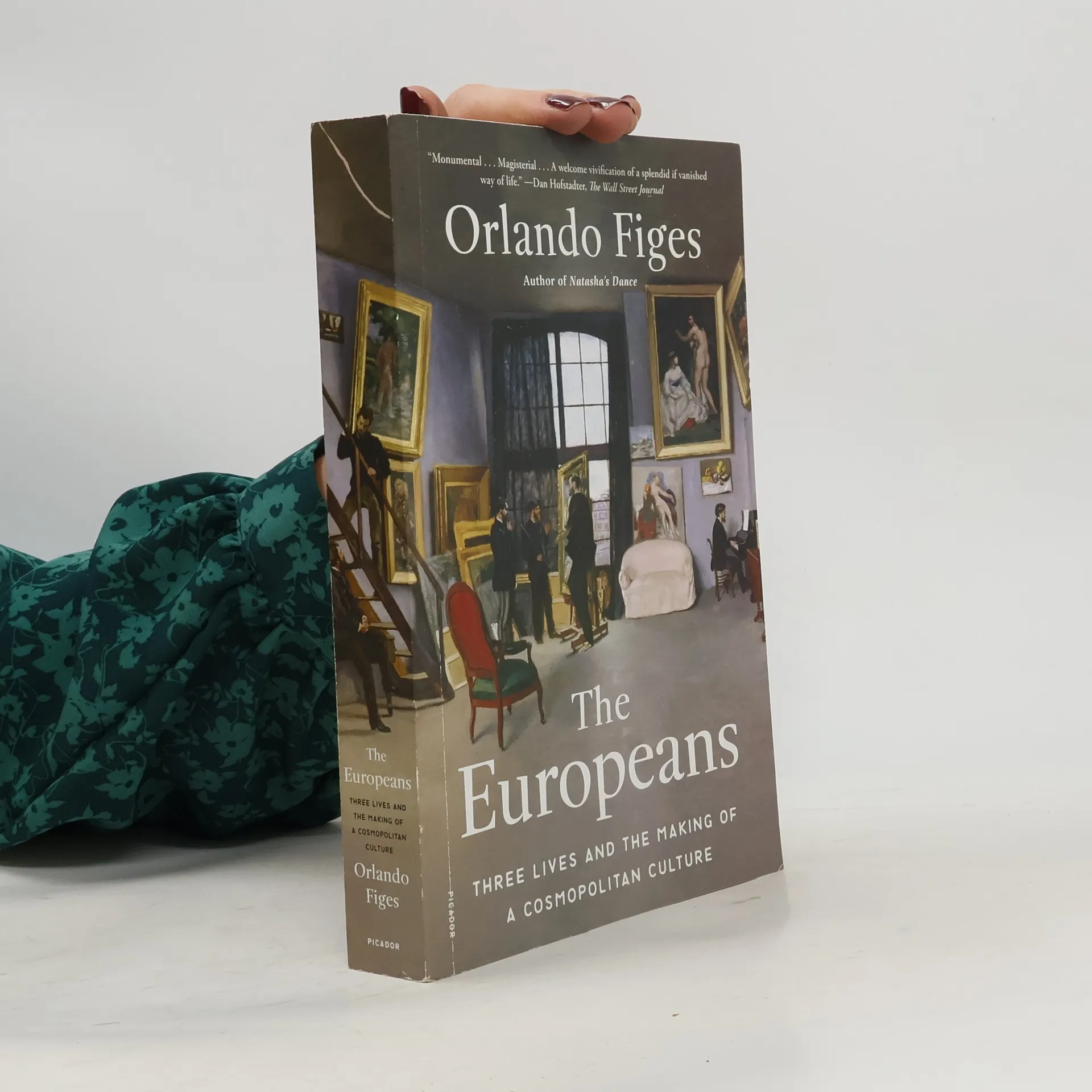
The Europeans is a richly enthralling, panoramic cultural history of nineteenth-century Europe, told through the intertwined lives of three remarkable people- a great singer, Pauline Viardot, a great writer, Ivan Turgenev, and a great connoisseur, Pauline's husband Louis. Their ambitious lives and complex loves were bound up with an astonishing array of writers, composers and painters all trying to make their way through the exciting, prosperous European cultural landscape that came about as a result of huge economic and technological change. This culture - through trains, telegraphs and printing - allowed artists of all kinds to exchange ideas and make a living, as they travelled across the whole continent from the British Isles to Imperial Russia. The Europeans is Orlando Figes' masterpiece. It describes huge changes through intimate details, little-known stories and through the lens of Turgenev and the Viardots' touching, strange love triangle. Events which we now see as central to European high culture are made completely fresh, allowing the reader to revel in the sheer precariousness with which the great salons, premieres and bestsellers came into existence.
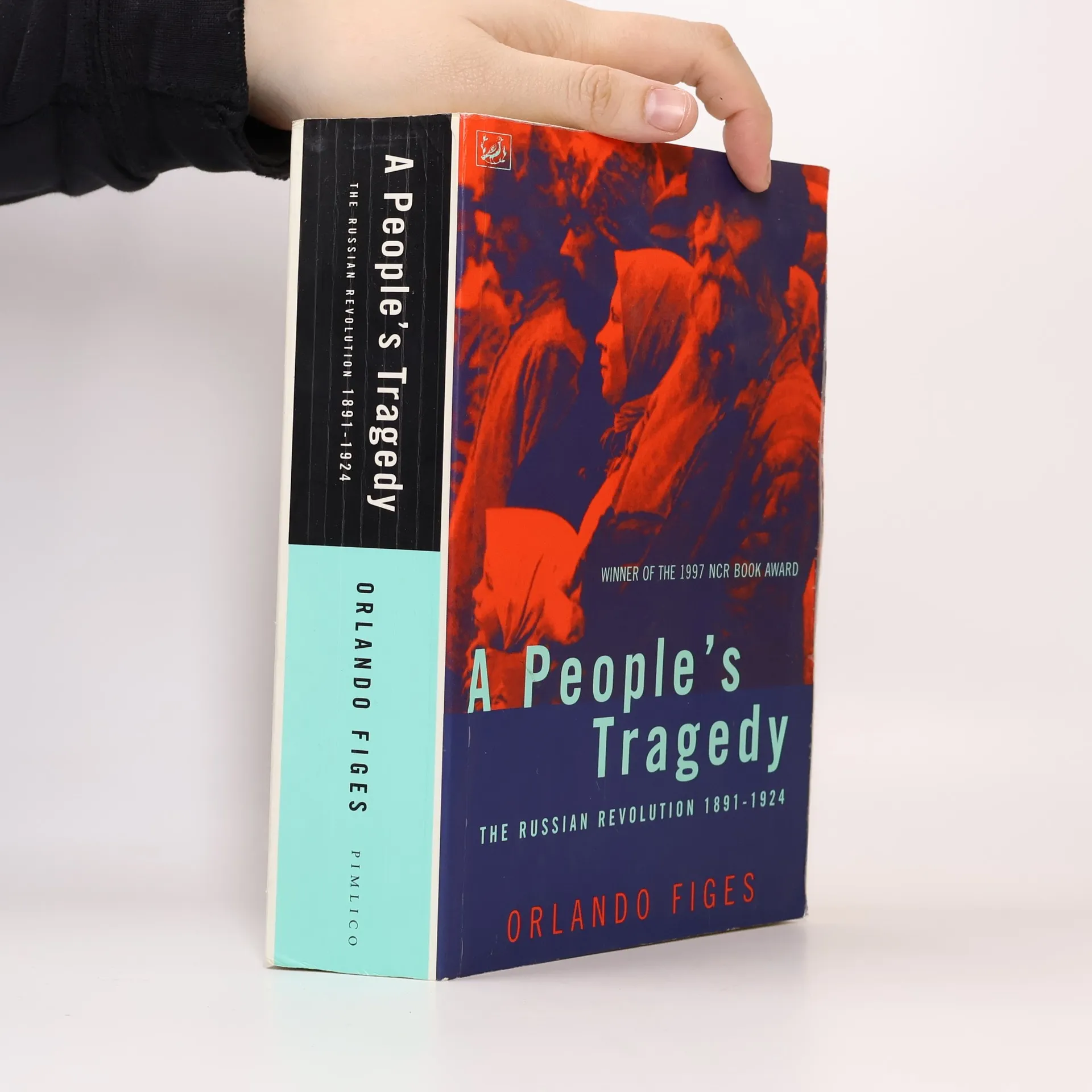
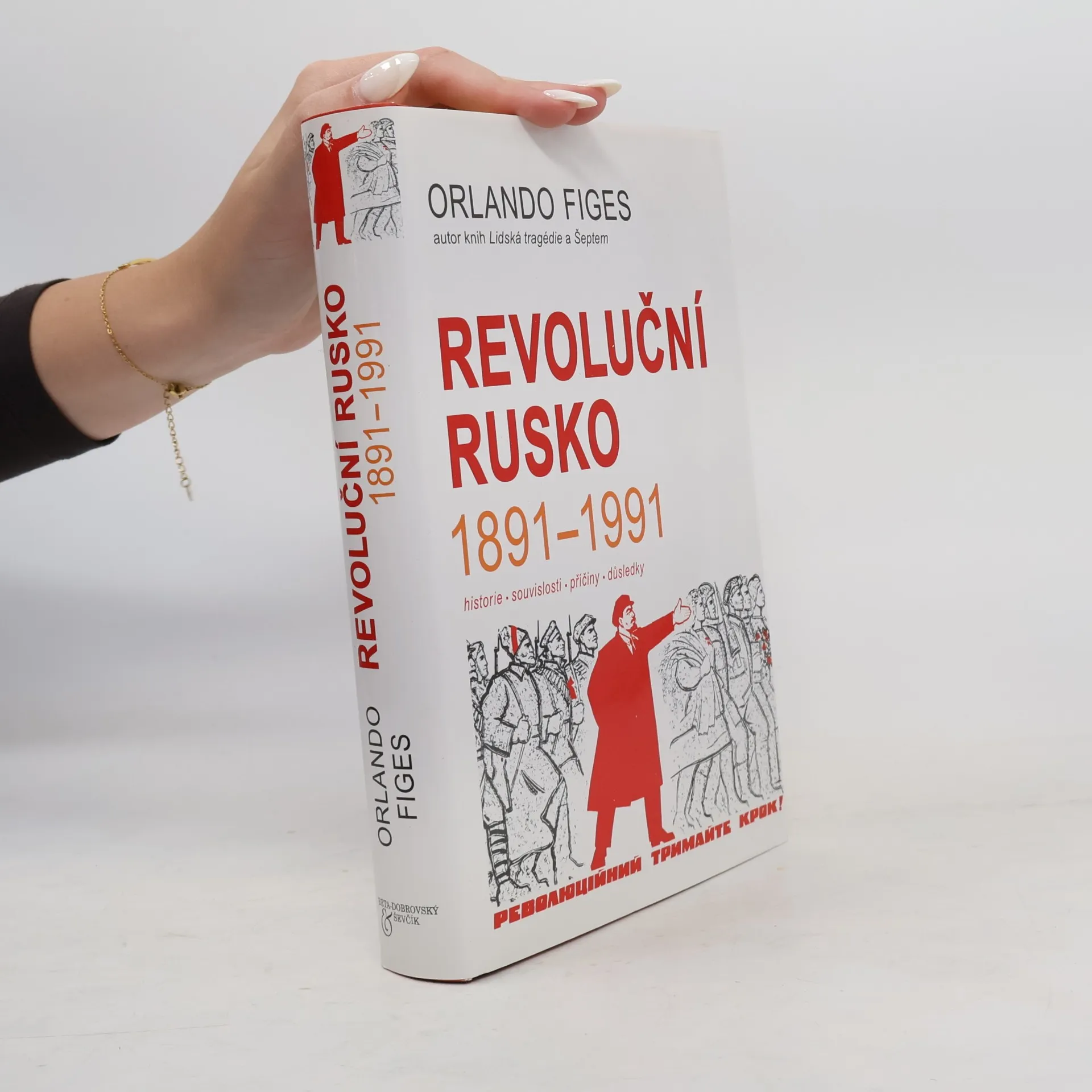
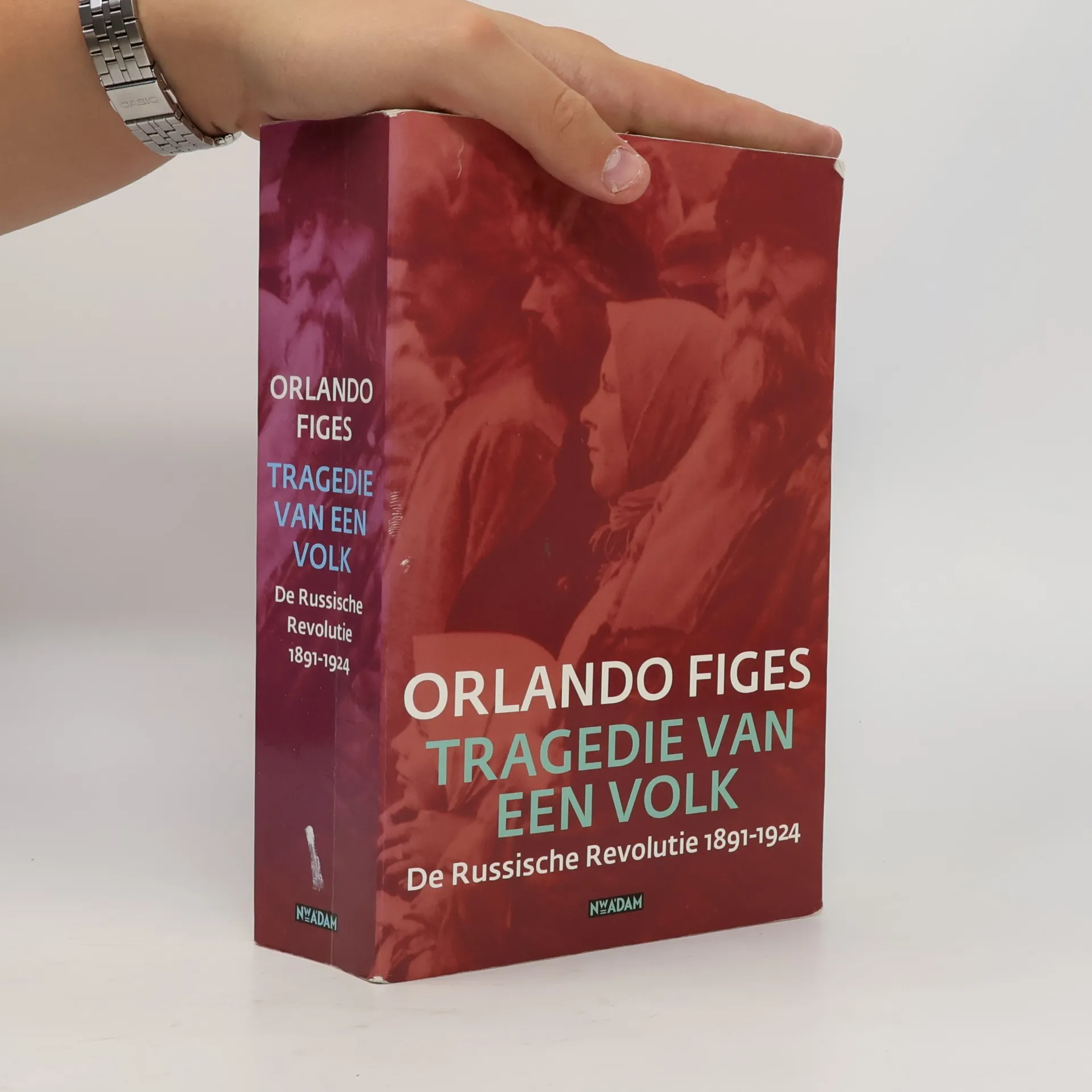
In his latest book, the great historian of Russia, Orlando Figes, offers an original perspective on the Russian Revolution, viewing this historical upheaval not as a standalone event but as a century-long attempt to realize utopian dreams. With his elegant and insightful narrative, he provides a clarifying, new perspective on the Russian Revolution. While other historians have focused on the years before and after 1917, Figes demonstrates how the revolution, although it changed form between the famine of 1891 and the fall of the Soviet regime in 1991, was driven throughout the entire century by the same ideological fire. Figes outlines three generations, evoking an accessible and shocking portrayal of several key moments of the twentieth century in his authoritative and distinctive style.
The Crimean War, a pivotal conflict of the mid-19th century, resulted in the deaths of at least 800,000 men and saw Russia facing a powerful coalition of Britain, France, and the Ottoman Empire. Driven by territorial ambitions and fears of the Ottoman Empire's collapse, the war was also fueled by a fervent belief among the Tsar and his ministers that they were on a crusade to protect Orthodox Christians and control the Holy Land. This conflict was marked by deep-seated hatreds, particularly the pervasive Russophobia throughout Europe. Orlando Figes' major work reexamines this extraordinary war, highlighting its modern aspects—such as extensive photography, the telegraph, and its status as the first 'newspaper war'—while also showcasing traditional elements, including illiterate soldiers and high disease casualties. Iconic events like the Charge of the Light Brigade and the Siege of Sebastopol are covered, alongside a broader understanding of the diverse nationalities involved. The war's impact extended beyond Crimea to the Danube principalities, the Baltic, and the Caucasus, with British ambitions for partitioning Russia. Figes draws on a wealth of untapped sources to provide insight into the lived experiences of those affected, from ordinary soldiers in harsh conditions to Tsar Nicholas, who relentlessly sought religious salvation.
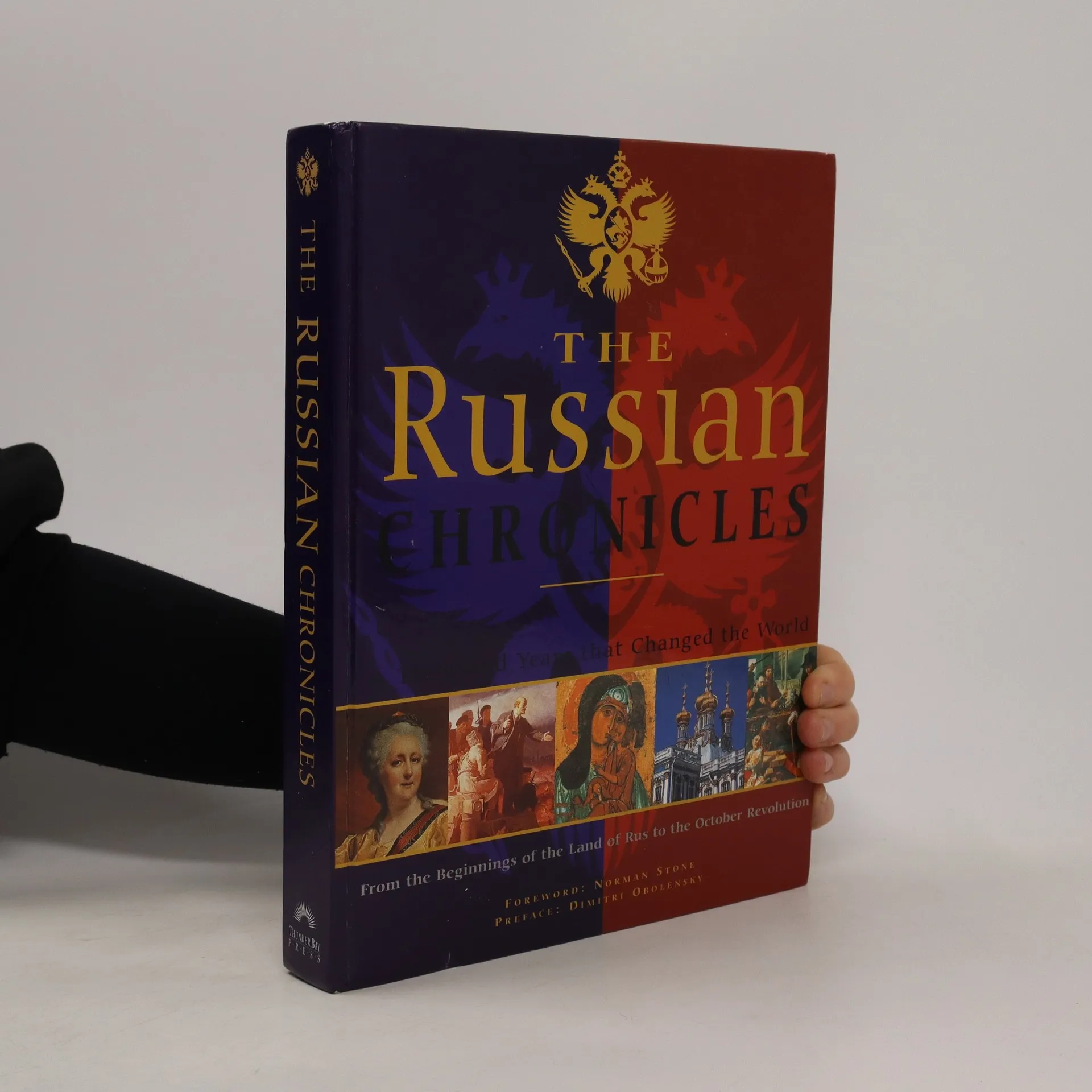
Through chronicles etched on parchment, folk song, private letters & official reports, the Russian people themselves speak out & tell the story of this troubled land from its beginning to the 1917 Revolution.
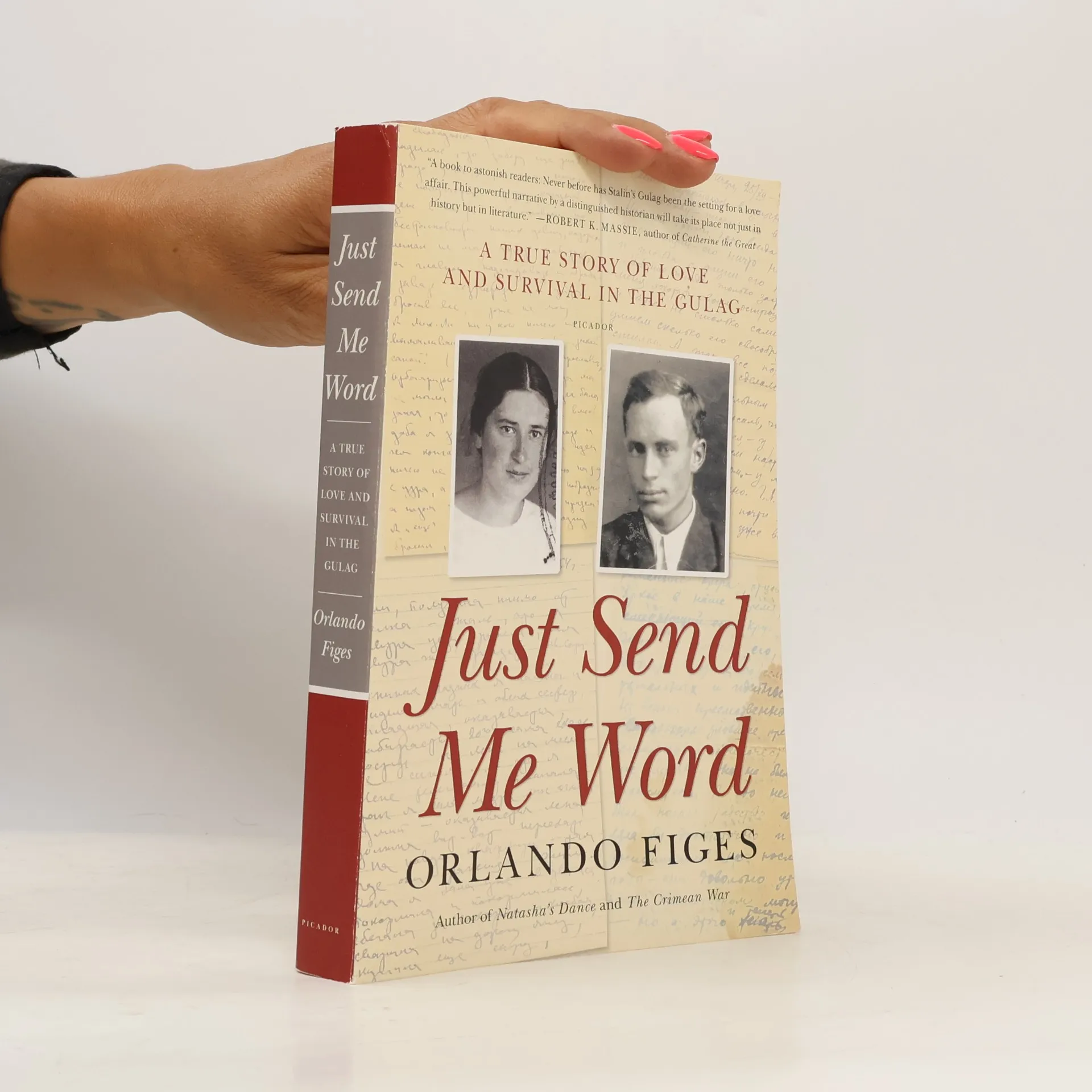
"A book to astonish readers: never before has Stalin's Gulag been the setting for a love affair. This powerful narrative by a distinguished historian will take its place not just in history but in literature." -- Robert K. Massie, author of Catherine the Great Author of Natasha's Dance and The Crimean War In 1946, after five years as a prisoner--first as a Soviet Union POW in Nazi concentration camps, then as a deportee (falsely accused of treason) in Russia's Arctic Gulag--twenty-nine-year-old Lev Mishchenko unexpectedly received a letter from Sveta, the sweetheart he had hardly dared hope was still alive. Amazingly, over the next eight years the lovers managed to exchange more than 1,500 messages, and even to smuggle Sveta herself into the camp for secret meetings. Their recently discovered correspondence is the only known real-time record of life in Stalin's Gulag, unmediated and uncensored. Orlando Figes draws on Lev and Sveta's letters as well as KGB archives and recent interviews to brilliantly reconstruct the broader world in which their story unfolded. With the powerful narrative drive of a novel, Just Send Me Word reveals a passion and endurance that triumphed over the tragic forces of history.
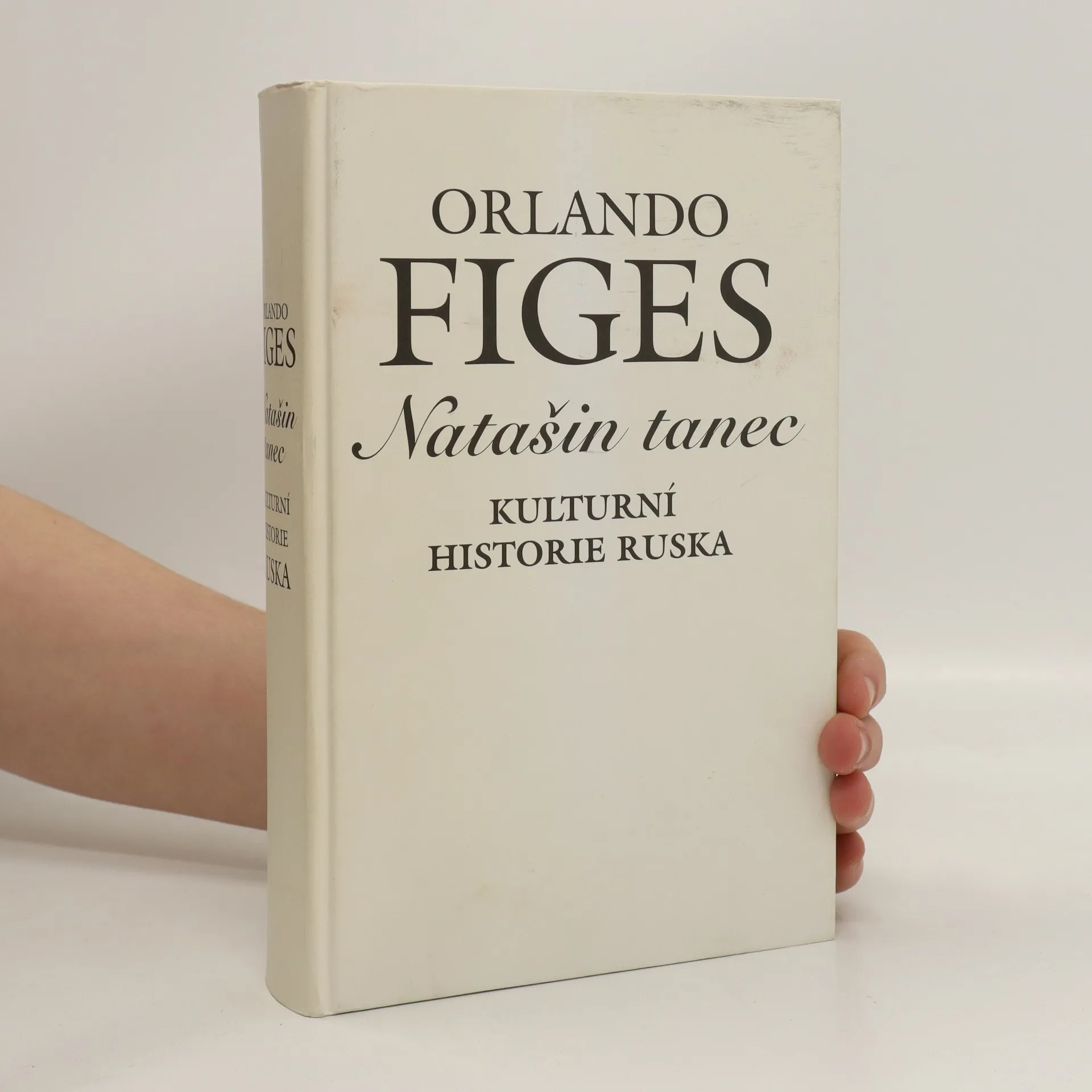
Jak již napovídá podtitul knihy, jedná se o dějiny kultury. V této knize nejde ale jen o poezii, hudbu či výtvarné umění, píše se zde i o obyčejném životě, o lidových zvycích a víře. Natašin tanec, to je Figesova bezprecedentně objevná a inspirující výprava do Ruska, za jeho kulturou a obyvateli.
Nová kniha renomovaného autora Orlanda Figese strhujícím způsobem líčí kulturní historií Evropy devatenáctého století. Její panoramatický příběh vypráví prostřednictvím propletených životů tří pozoruhodných lidí: skvělé zpěvačky Pauliny Viardotové, jejího manžela Louise a skvělého spisovatele Ivana Turgeněva. Jejich vášnivé, ambiciózní životy byly svázány s celou řadou úžasných umělců – spisovatelů, hudebních skladatelů a malířů snažících se najít své uplatnění ve vzrušující, prosperující a skutečně celoevropské kultuře, která vznikla jako důsledek obrovských ekonomických a technologických změn. Tato kultura – prostřednictvím vlaků, telegrafu a tisku – umožnila umělcům všeho druhu vyměňovat si nápady a zároveň si vydělávat na živobytí. Navíc jim zpřístupnila cestování po celém kontinentu, od Britských ostrovů po carské Rusko. Umělci tak začali využívat výhod nového kosmopolitního věku. Kniha Evropané je Figesovým mistrovským dílem. Prostřednictvím intimních detailů a málo známých příběhů, a především optikou Ivana Turgeněva a manželů Viardotových – tohoto dojemného a poněkud zvláštního milostného trojúhelníku – popisuje obrovské historické změny. Události, které dnes řadíme k těm základním v dějinách evropské vysoké kultury, v knize znovu ožívají a čtenáři je tak umožněno vychutnat si dobu, kdy byly tyto události cela čerstvé, dobu, v níž vznikaly velké salony
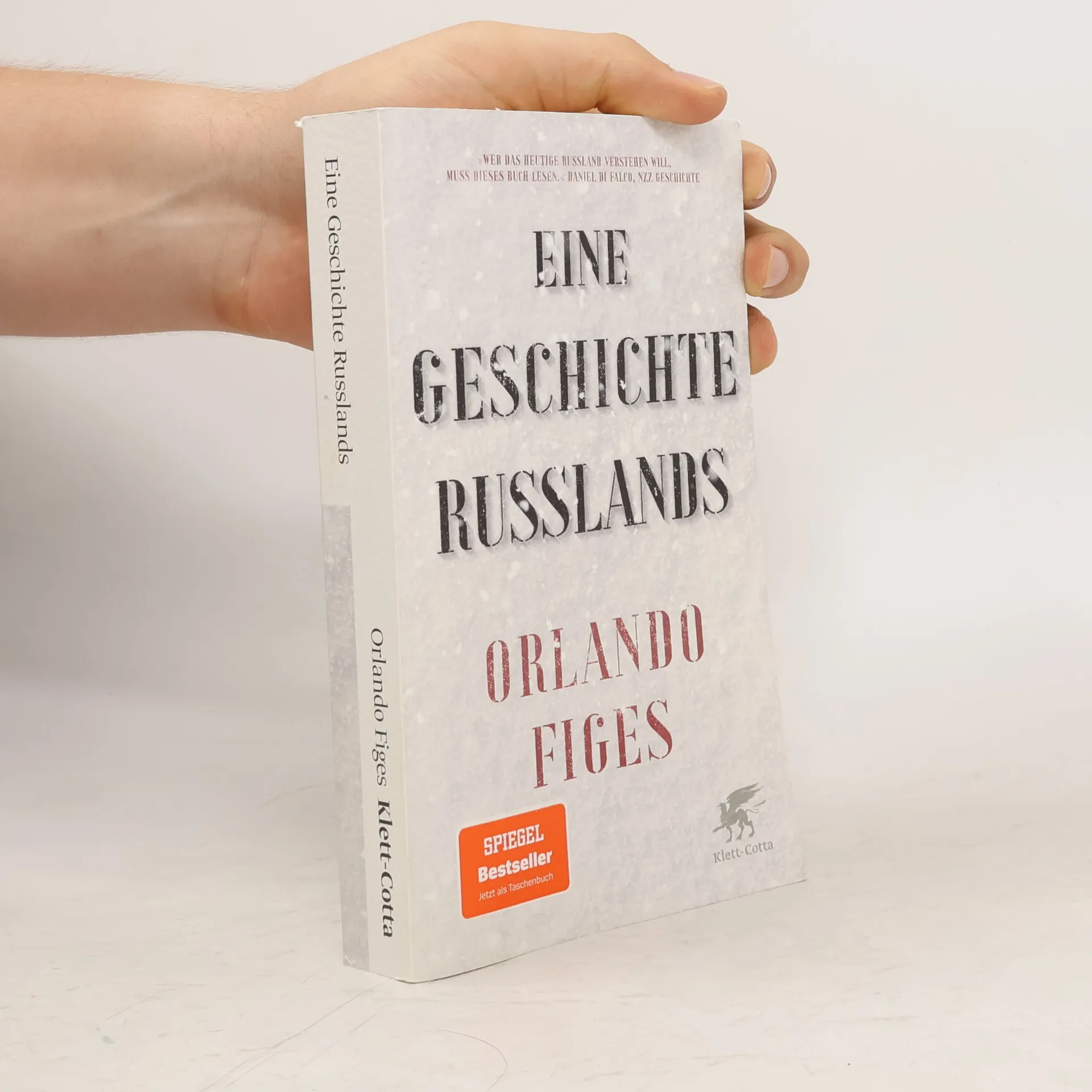
Die fesselnde Erzählung von Russlands Geschichte durch Orlando Figes entfaltet ein großes Panorama der russischen Seele, von Mythen über kulturelle Errungenschaften bis hin zur Weltpolitik des 20. Jahrhunderts und der Gegenwart. Figes nimmt die Leser mit auf eine packende Reise durch die Zeit, in der er die Selbstwahrnehmung der Russen und deren ständige Neuerfindung thematisiert. Er beleuchtet die Anfänge als Jäger und Sammler und das Leben der Bauern im ersten nachchristlichen Jahrtausend. Die Jahrhunderte der Monarchie, das Zarenreich, der Totalitarismus nach der Oktoberrevolution 1917 und die Perestroika Gorbatschows bis zu Putins Krieg werden souverän rekapituliert.
Der Autor deutet die Mythen, Ereignisse und Ideologien, die das Denken und Handeln Russlands prägen, und thematisiert die Notwendigkeit einer Autokratie, die Verehrung des "Heiligen Zaren" sowie den russischen kollektivistischen Geist. Figes gelingt es meisterhaft, die zentralen Aspekte der russischen Geschichte herauszuarbeiten, sodass deren innere und äußere Dramatik sichtbar wird. Dieses hochaktuelle Werk ist unerlässlich für alle, die das heutige Russland und seine Konflikte verstehen wollen. Figes' brillante Prosa bringt die Geschichte und Kultur Russlands so nahe, dass man ihren Herzschlag spüren kann.
Práce renomovaného odborníka na moderní ruské dějiny přibližuje ruskou revoluci v širším časovém záběru - její společenské kořeny a upevňování institutů revoluční moci. Příběh začíná v devadesátých letech devatenáctého století, ve chvíli skutečného počátku revoluční krize, přesněji v roce 1891, kdy reakce veřejnosti na hladomor poprvé vychýlila střelku do směru, který vedl nevyhnutelně ke srážce s carským samoděržavím. Končí v roce 1924 Leninovou smrtí ve chvíli, kdy revoluce opsala celý kruh a kdy byly položeny základy všech hlavních stalinských institucí, ne-li rovnou všech praktik.
Uznávaný odborník Orlando Figes nezkoumá Říjnovou revoluci jako izolovanou událost, ale jako staletý koloběh násilí s utopickými cíli. Ve vytříbeném a pronikavém díle nabízí nečekaný pohled na známé dění. Ukazuje, že revoluce si uchovávala tytéž idealistické cíle od svého počátku v roce 1891 až do roku 1991, kdy se zhroutil Sovětský svaz, protože až do samého konce sovětští vůdci věřili, že jsou nositeli leninských idejí. Figesův text přináší zásadní změnu v přístupu a vyhodnocení jedné z nejvýznamnějších událostí dvacátého století.
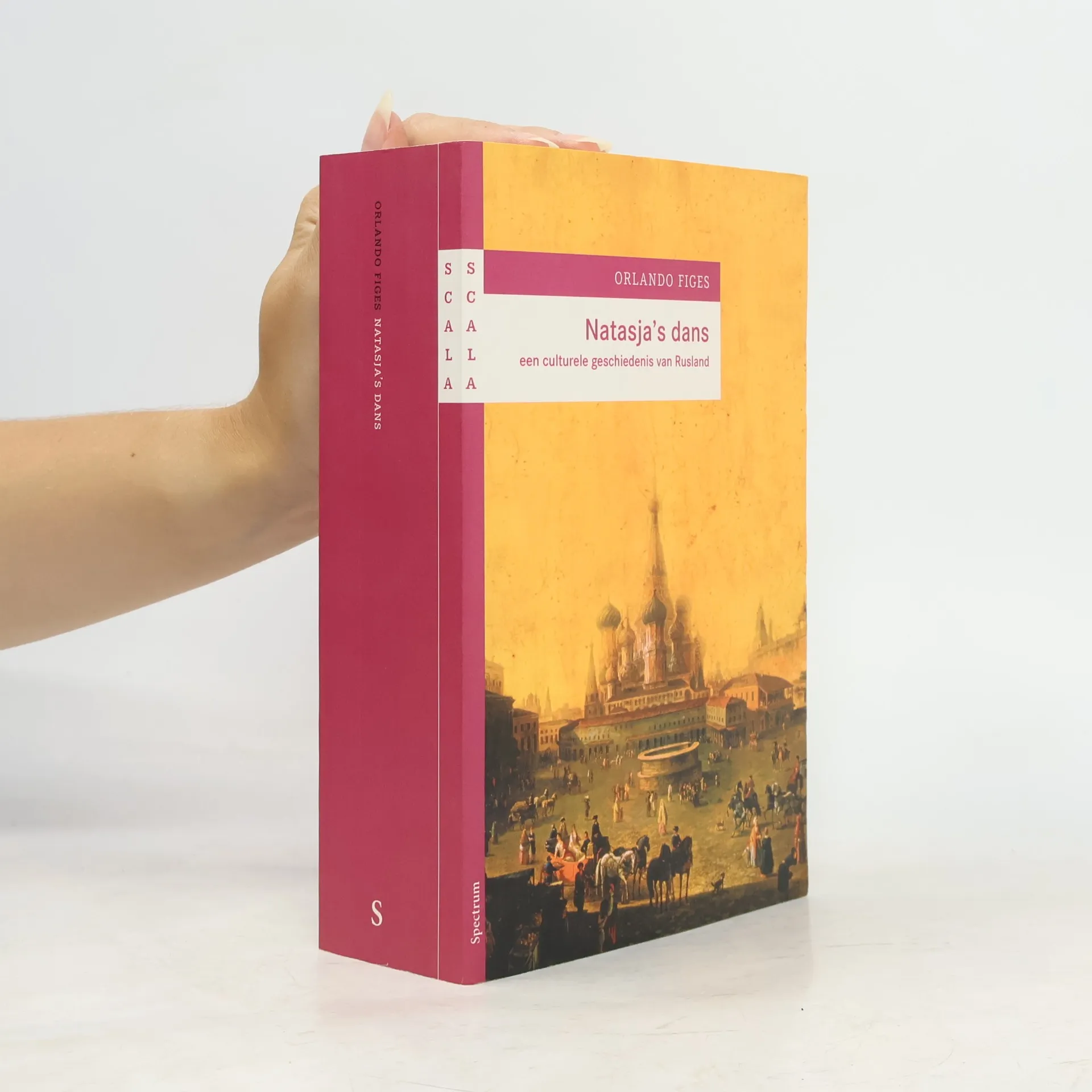
In Natasja’s dans onderzoekt Figes het unieke karakter van de Russische identiteit en cultuur. Natasja’s dans is een grootse en toegankelijke geschiedschrijving van de gouden eeuw van de Russische cultuur. Zowel beeldende kunsten, muziek, literatuur als filosofie komen aan bod. In een samenleving zonder vrijheid van meningsuiting was kunst een belangrijke uitlaatklep. Figes neemt de lezer mee op een intrigerende reis. Van Poesjkin en Gogol in het begin van de 19e eeuw tot Pasternak en Sjostakovitsj in de jaren dertig van de 20e eeuw.
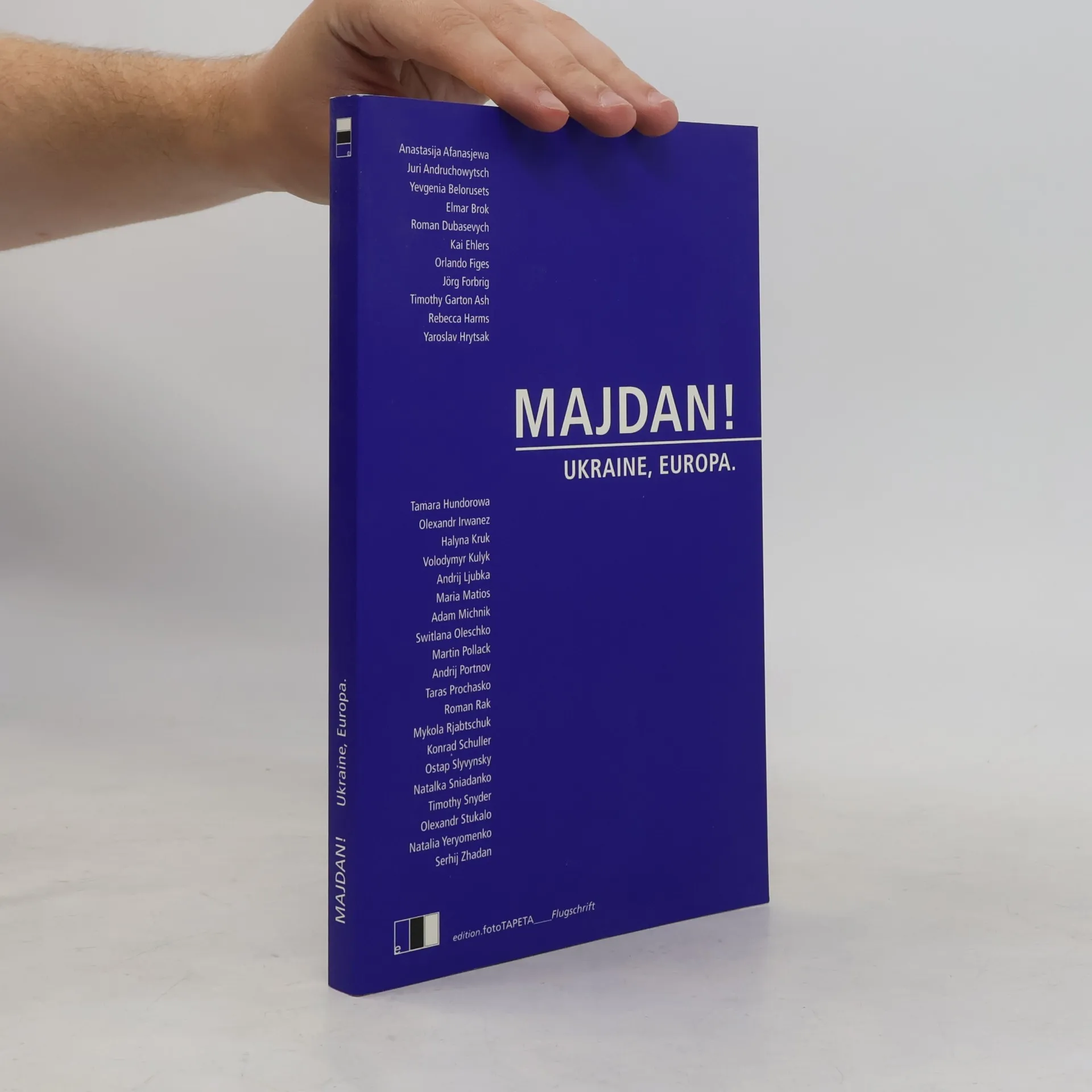
Allein in einer Nacht im Februar am Majdan sind es mindestens 25 Menschen, die bei den Zusammenstößen ums Leben kommen, seit Beginn der Proteste in der Ukraine sterben mehr als 80 Menschen, über Tausend werden verletzt. Erst die vielen Opfer – so die brutale Logik dieses Aufstands – brachten das Machtsystem des Wiktor Janukowytsch zum Einsturz. Mit den Schüssen vom Majdan besiegelte das Regime sein eigenes Ende.In diesem Buch kommen vor allem Stimmen aus der Ukraine selbst zu Wort, Schriftstellerinnen, Dichter, Intellektuelle. Aber auch Autoren aus anderen Ländern beschreiben den historischen Prozess. Das Buch wird zur Momentaufnahme eines Aufstands. Die Zeit, um die es geht ist: jetzt. Mit dem Buch betreiben wir Geschichtsschreibung des Augenblicks.Texte vonAnastasija Afanasjewa | Juri Andruchowytsch | Yevgenia Belorusets | Elmar Brok | Roman Dubasevych | Kai Ehlers | Orlando Figes | Jörg Forbrig | Timothy Garton Ash | Rebecca Harms | Yaroslaw Hrytsak | Tamara Hundorowa | Olexandr Irwanez | Halyna Kruk | Wolodymyr Kulyk | Andrij Ljubka | Maria Matios | Adam Michnik | Switlana Oleschko | Martin Pollack | Andrij Portnov | Taras Prochasko | Roman Rak | Mykola Rjabtschuk | Konrad Schuller | Ostap Slyvynsky | Natalka Sniadanko | Timothy Snyder | Olexandr Stukalo | Natalia Yeryomenko | Serhij Zhadan