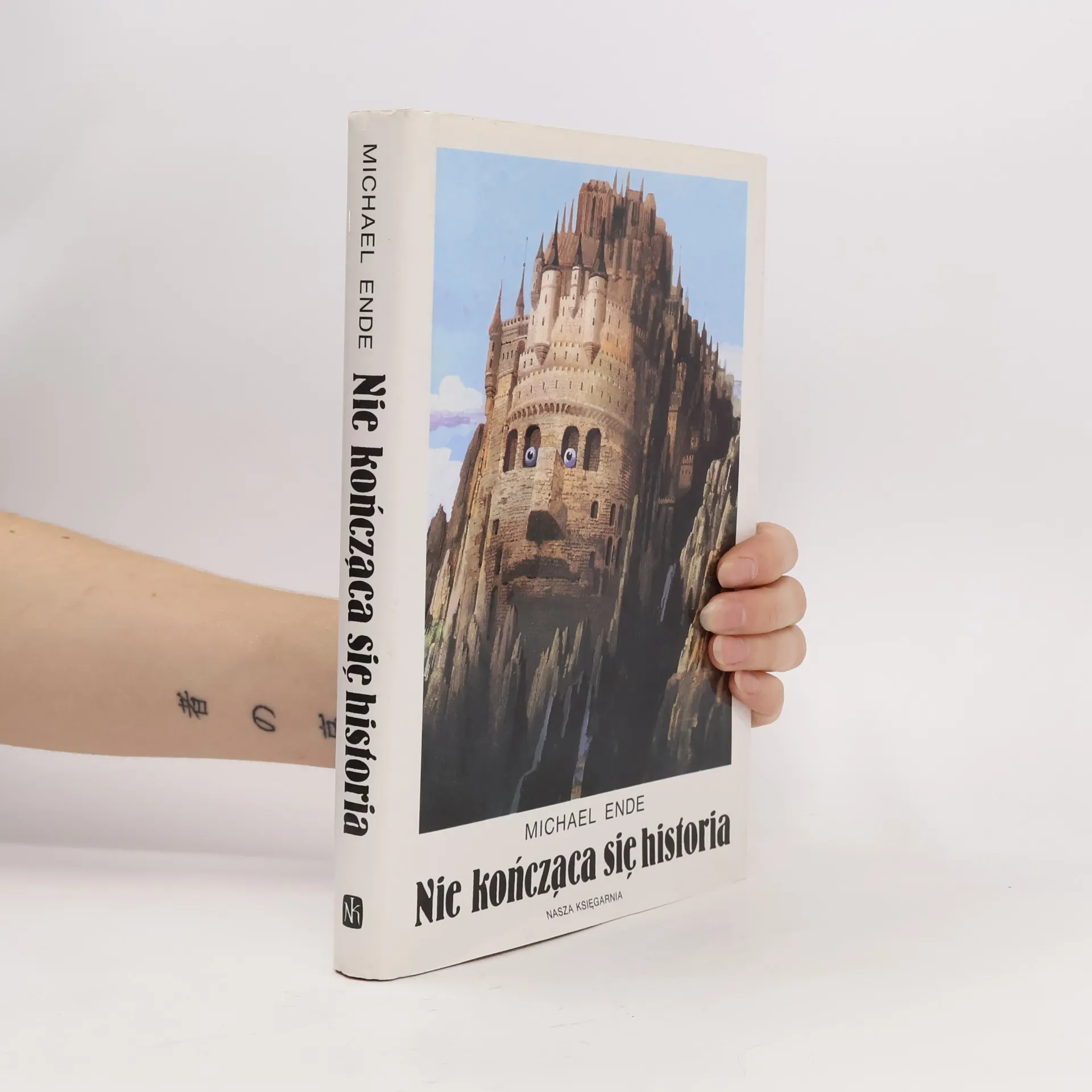
Bastian Baltazar Buks wchodzi przypadkiem do antykwariatu, gdzie znajduje starą zakurzoną księgę zatytułowaną Nie Kończąca Się Historia. Czytając ją, przenosi się do cudownej krainy fantazji pożeranej przez tajemniczą Nicość. Dzieje się tak, ponieważ ludzie nie wierzą już w marzenia. Ale Bastian przestaje być zwyczajnym chłopcem i staje się bohaterem tej opowieści. To właśnie on może uratować Cesarzową oraz powstrzymać zagładę całej Fantazjany...
It is 1967, in a Viennese hospital. In separate wards: the narrator named Thomas Bernhard, is stricken with a lung ailment; his friend Paul, nephew of Ludwig Wittgenstein, is suffering fom one of his periodic bouts of madness. Bernhard traces the growth of an intense friendship between two eccentric, obsessive men who share a passion for music, a strange sense of humor, brutal honesty, and a disgust for bourgeois Vienna. "[Wittgenstein's Nephew is] a meditative fugue for mad, brilliant voices on the themes of death, death-in-life and the artist's and thinker's role in society . . . oddly moving and funny at the same time."—Joseph Coates, Chicago Tribune "Mr. Bernhard's memoir about Paul Wittgenstein is a 'confession and a guilty homage to their friendship; it takes the place of the graveside speech he never delivered. In its obsessive, elegant rhythms and narrative eloquence, it resembles a tragic aria by Richard Strauss. . . . This is a memento mori that approaches genius.'"—Richard Locke, Wall Street Journal
Meet Oskar Matzerath, "the eternal three-year-old drummer." On his third birthday, Oskar decides he will never grow up or become a politician or grocer, remaining physically the same for years while clinging to his drum. This story unfolds in Danzig, a city on the Polish-German border, where Oskar, a twisted puer aeternis, possesses a scream that can shatter glass. First published in 1959, the narrative depicts the Nazi era, revealing a world filled with corrupt politicians and brutal grocers. Oskar's experiences include witnessing the burning of a synagogue, where a grocer takes the opportunity to warm himself over the flames. As Oskar matures (but not in stature), the portents of war escalate into conflict, with Danzig becoming a battleground between Poles and Germans in 1939. Throughout his life, Oskar embarks on various adventures: joining traveling musicians, leading anarchists, falling in love, and becoming a recording artist. Ultimately, he is convicted of murder and confined to a mental hospital. The story employs savage comedy and magical realism to explore the madness of war and the darkness within humanity that enables such horrors. Grass's humor is sharp, evoking both laughter and pain, making this novel a significant contribution to the literature of World War II.
W najnowszej książce Güntera Grassa autentyczność góruje nad fikcją, a pamięć nad wyobraźnią. Autor, wspominając swoje dwadzieścia młodych lat, stawia siebie w roli głównej, przeplatając ciepłe, nostalgiczne i gorzkie wspomnienia. Akcja rozpoczyna się 1 września 1939 roku, kiedy to wybuch drugiej wojny światowej oznacza kres dzieciństwa dla 12-letniego gdańszczanina. Zakończenie książki to rok 1959, kiedy to odbywa się premiera Blaszanego bębenka, co staje się początkiem jego literackiej kariery. Między tymi datami autor opisuje burzliwe czasy, dramatyczne losy, młodzieńcze zaślepienia i zaniechania, które po latach są surowo oceniane. Główne motywy to bolesny rozrachunek z przeszłością, miłość do matki, kobiet i rodzinnego Gdańska, a także walka o przetrwanie w trudnych warunkach wojennych i powojennych. Książka zyskała ogromne zainteresowanie na całym świecie, zwłaszcza po ujawnieniu przez autora tajemnicy, że w wieku 17 lat służył jako czołgista w Waffen-SS. Dla wielu fanów było to zaskoczenie, a dla krytyków pretekst do ataków. Ten wojenny epizod wydaje się jednak jedynie skazą na życiorysie wielkiego pisarza, gdańskiego patrioty i orędownika niemiecko-polskiego pojednania.
Cassandra, daughter of the King of Troy, is endowed with the gift of prophecy but fated never to be believed. After ten years of brutal war, Troy has fallen to the Greek army, and Cassandra is now a prisoner of war, shackled outside the gates of a foreign fortress, Agamemnon's Mycenae. Through memories of her childhood and reflections on the long years of conflict, Cassandra pieces together the legendary fall of her city. A woman living in an age of heroes, Cassandra reveals the untold personal story that has been lost among the triumphs of Achilles and Hector.
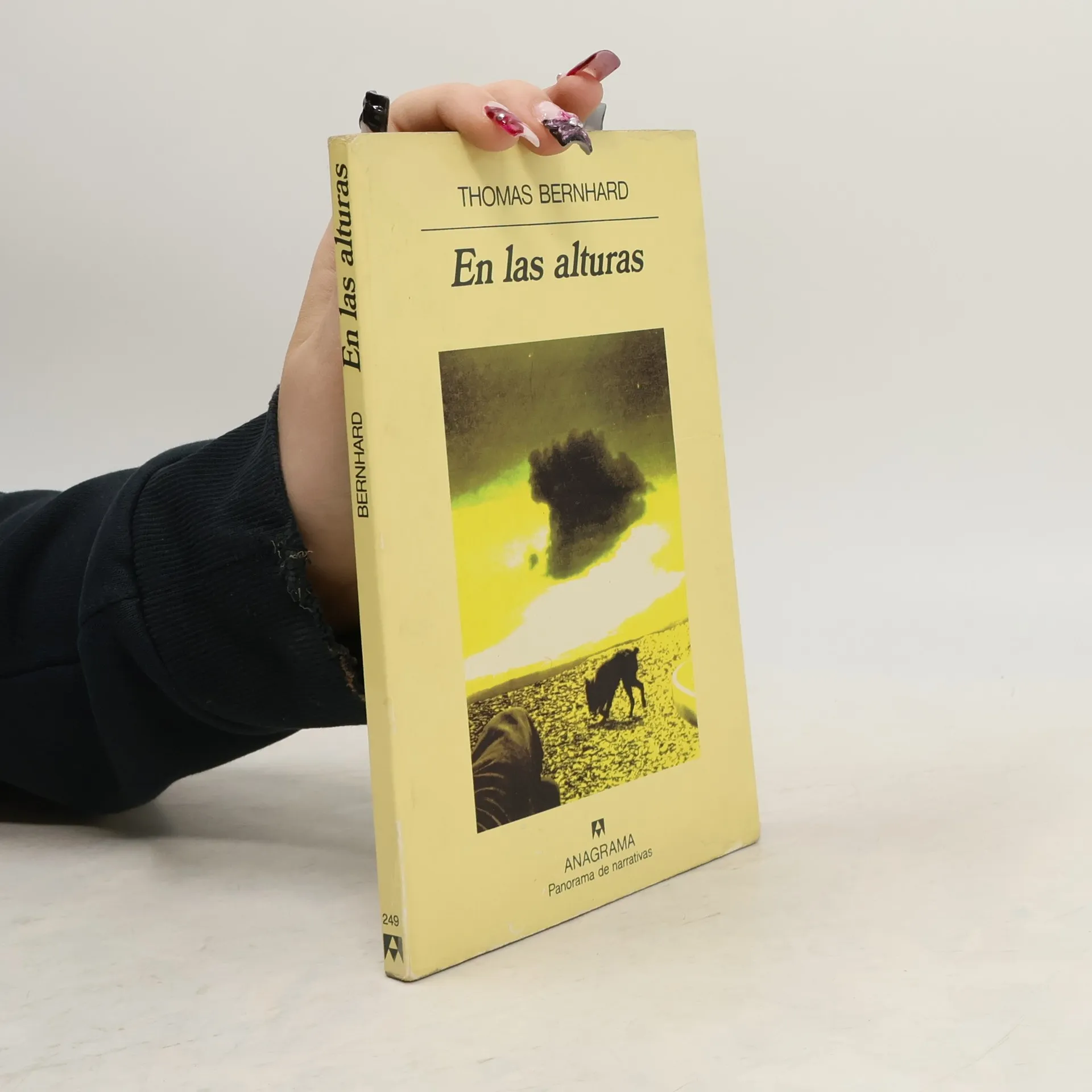
Anotar, utilizar la falta de consideración hacia todo y, por consiguiente, también hacia sí mismo: se podría ser el lema que encabezara este libro, un gran poema en forma de relato. Partiendo de innumerables retazos de pensamiento, observaciones y alusiones, Thomas Bernhard esboza una verificación del mundo y de sí mismo cuyo objetivo es el conocimiento: Me preparo para mí mismo; todo esto no es más que una preparación para mí mismo . Entretejidos, hay jirones de un fin de semana en un hostal que 'el cronista de tribunales' visita para encontrarse allá con 'la señorita'. Aparecen otros personajes: el hostelero, el jardinero, el chófer, la cantante, los asilados del vecino manicomio, pero también la voz del catedrático, a quien el amor ha precipitado en la infelicidad, o la figura de la judía, a quien atormenta el vecino. Entre esos seres - repelido por ellos, pero atraído también, una y otra vez - vive el narrador. Sin embargo, en realidad su única compañía es su perro, que está alrededor de él, con él, dentro de él. Sorprende ver con qué claridad pueden encontrarse ya casi todos los elementos de la imaginación de Thomas Bernhard en este libro, escrito antes de Helada . Por añadidura, su autor se muestra abierto, delicado y vulnerable hasta tal punto, que tal vez pudiéramos llamarlo su obra más personal.