

Cztery kobiety – żołnierka, uczona, poetka i lwica salonowa – znalazły się po przeciwnych stronach gwałtownej rebelii. Z chwilą wybuchu wojny ich lojalność, cele i przekonania doprowadzają do konfliktu między nimi. Wszystkie obawiają się, że pamięć o nich zaginie. Posługując się piórem i mieczem, ciałem i głosem, walczą nie tylko o przetrwanie, lecz również o to, by znaleźć się wśród tych, którzy nadają kształt historii. Długo oczekiwana powieść ulokowana w tym samym świecie, co debiut Sofii Samatar, Cudzoziemiec w Olondrii, który otrzymał nagrodę World Fantasy, jest sagą o imperium i o rodzinie – jej przyjaźniach, jej wzajemnym oddaniu i straszliwych, śmiercionośnych tajemnicach. Samatar zadaje pytania o to, kto tworzy historię i kto potrafi ją przetrwać, a także o to, jak jej gwałtowne zaburzenia zmieniają życie wszystkich, bez względu na to, czy ich pragnęli, czy nie.
Sofia Samatar Książki


Jevick, syn handlarza pieprzu, wychowywał się na opowieściach o Olondrii, odległej krainie, gdzie książki – niezwykle rzadkie w jego ojczyźnie – są czymś często spotykanym. Po śmierci ojca Jevick wyrusza zamiast niego na coroczną wyprawę handlową do Olondrii. Jego życie wydaje się biskie doskonałości, ale gdy raduje się Świętem Ptaków, zaczyna go prześladować duch niepiśmiennej dziewczyny z jego ojczyzny. Zdesperowany Jevick szuka pomocy u olondryjskich kapłanów i staje się pionkiem w rozgrywce między dwiema najpotężniejszymi frakcjami w imperium. Pojawia się groźba wojny domowej. Jevick musi stawić czoło duchowi i poznać jego historię. Ta próba stanowi wyzwanie dla jego wyobrażeń o sztuce i życiu, o domu i wygnaniu... 'Zwróćmy uwagę na tę oszołamiającą i świetnie napisaną powieść. Debiutancka książka Sofii Samatar jest jednoczeście fascynującą epicką fantasy, jak i wyrazem miłości do opowieści, poezji oraz języka. Samatar pisze jak dziedziczka Ursuli K. LeGuin oraz Gene’a Wolfe’a' – Kelly Link 'Opowieść o duchach i książkach, o zdradzie i tajemnicy, niezwykle pomysłowa i pięknie napisana' – Jeffrey Ford 'Wspaniały styl, piękny, zmysłowy i precyzyjny – historia o duchach w stylu Prousta' – Paul Witcover
Opacities is a book about writing, publishing, and friendship. Rooted in an epistolary relationship between Sofia Samatar and a friend and fellow writer, this collection of meditations traces Samatar's attempt to rediscover the intimacy of writing In a series of compressed, dynamic prose pieces, Samatar blends letters from her friend with notes on literature, turning to Édouard Glissant to study the necessary opacity of identity, to Theresa Hak Kyung Cha for a model of literary kinship, and to a variety of others, including Clarice Lispector, Maurice Blanchot, and Rainer Maria Rilke, for insights on the experience and practice of writing. In so doing, Samatar addresses a number of questions about the writing life: Why does publishing feel like the opposite of writing? How can a black woman navigate interviews and writing conferences without being reduced to a symbol? Are writers located in their biographies or in their texts? And above all, how can the next book be written? Blurring the line between author and character and between correspondence and literary criticism, Opacities delivers a personal, contemplative exploration of writing where it lives, among impassioned conversations and the work of beloved writers.
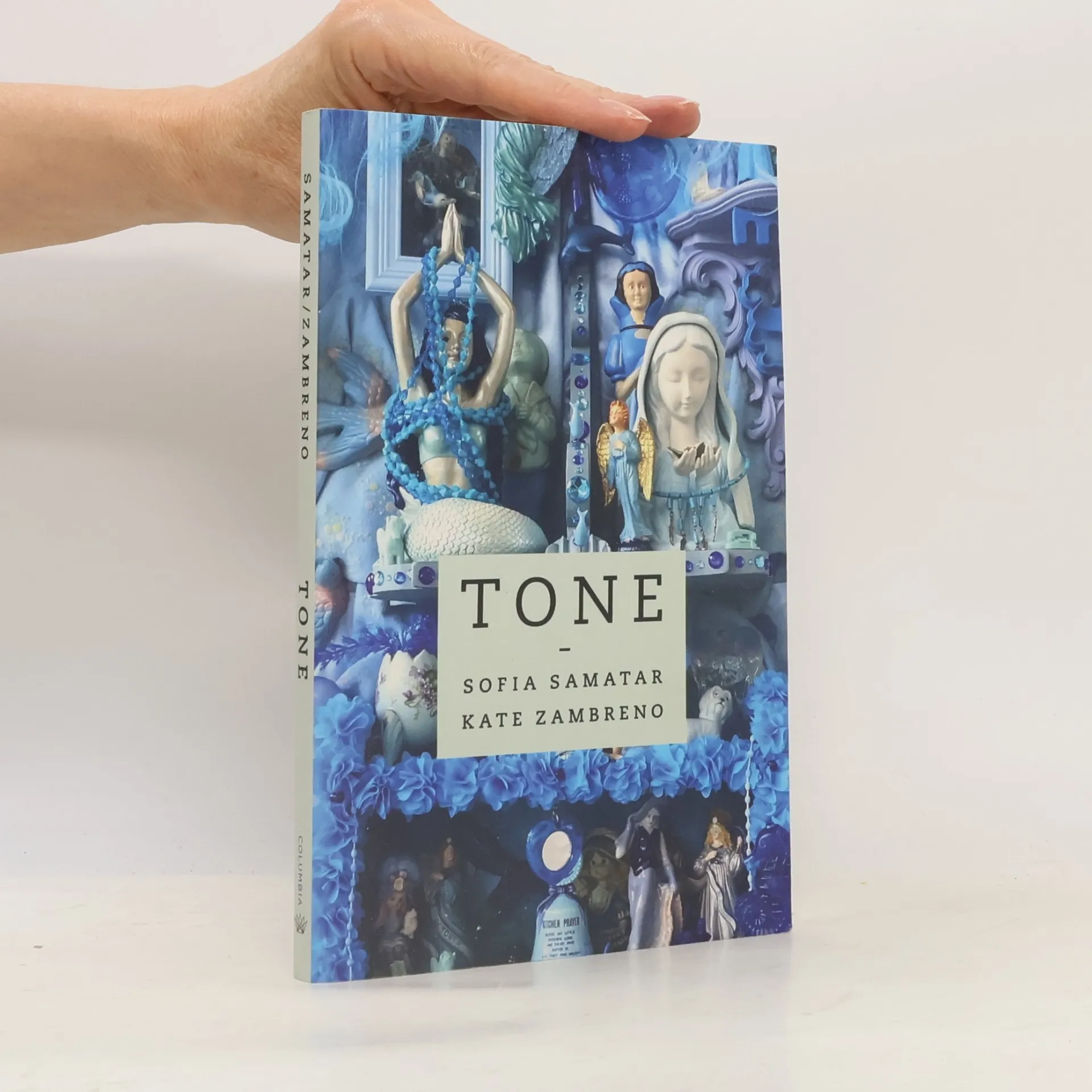
Tone
- 144 strony
- 6 godzin czytania
Tone is a collaborative study of literary tone, exploring its implications for community, politics, and ecology.
The White Mosque
- 304 strony
- 11 godzin czytania
A rich history of wanderers, exiles and intruders. A haunting personal journey through Central Asia. An intimate reflection on mixed identity shaped by cultural crossings. In the late 1800s, a group of German-speaking Mennonites fled Russia for Muslim Central Asia, to await Christ's return. Over a century later, Sofia Samatar traces their gruelling journey across desert and mountains, and its improbable fruit: a small Christian settlement inside the Khanate of Khiva. Named 'The White Mosque' after the Mennonites' whitewashed church, the village-a community of peace, prophecy, music and martyrs-lasted fifty years. Within this curious tale, Sofia discovers a tapestry of characters connected by the ancient Silk Road: a fifteenth-century astronomer-king; an intrepid Swiss woman traveller; the first Uzbek photographer; a free spirit of the Harlem Renaissance. Along the way, in a voice both warm and wise, she explores her own complex upbringing as an American Mennonite of colour, the daughter of a Swiss-American Christian and a Somali Muslim. On this pilgrimage to a lost village and a near-forgotten history, Samatar traces the porous borders of identity and narrative. When you leave your tribe, what remains? How do we enter the stories of others? And how, out of life's buried archives and startling connections, does a person construct a self?
The Practice, the Horizon, and the Chain
- 128 stron
- 5 godzin czytania
Celebrated author Sofia Samatar presents a mystical, revolutionary space adventure for the exhausted dreamer in this brilliant science fiction novella tackling the carceral state and violence embedded in the ivory tower while embodying the legacy of Ursula K. Le Guin.