

The Reef Aquarium Volume Science, Art, and Technology Reefkeeping science involves the interplay of biology, chemistry, and physics. However, a reef aquarium is not simply a product of scientific knowledge. The application of engineering and its product technology, makes it possible to duplicate the specific biological, chemical, and physical requirements of a coral reef in a relatively small volume of water. This third volume in The Reef Aquarium series, provides the most thorough description of the science behind the creation of a captive reef, and critically reviews and explains the different philosophical approaches to reef aquarium design. It also describes and illustrates the existing as well as emerging technology for building reef aquariums, to help guide the selection of equipment, its proper use, and installation. While science and technology afford the blank canvas and tools to build a suitable life support system, the plants, animals, and of course the aquarist provide the final ingredient that we call art. This art also involves the system design as it relates to the living space, the aesthetic appearance of the display, and its ease of maintenance, safety, and functionality. To this end, this book provides a wealth of information regarding aquascaping techniques, which combine art, biology, and physics; and invaluable information regarding plumbing, electrical, and other aspects of the aquarium design that combine art and engineering. Lastly, this book discusses the benefits and potential environmental impacts of the marine aquarium hobby, the challenges for its future, and possible new directions. The Reef Aquarium volume three is the essential manual for all reef aquarium hobbyists, professional aquarists, and coral reef researchers who study, create, and enjoy coral reef ecosystems in the confines of an aquarium. Book Daniel N. Ramirez
Julian Sprung Kolejność książek (chronologicznie)
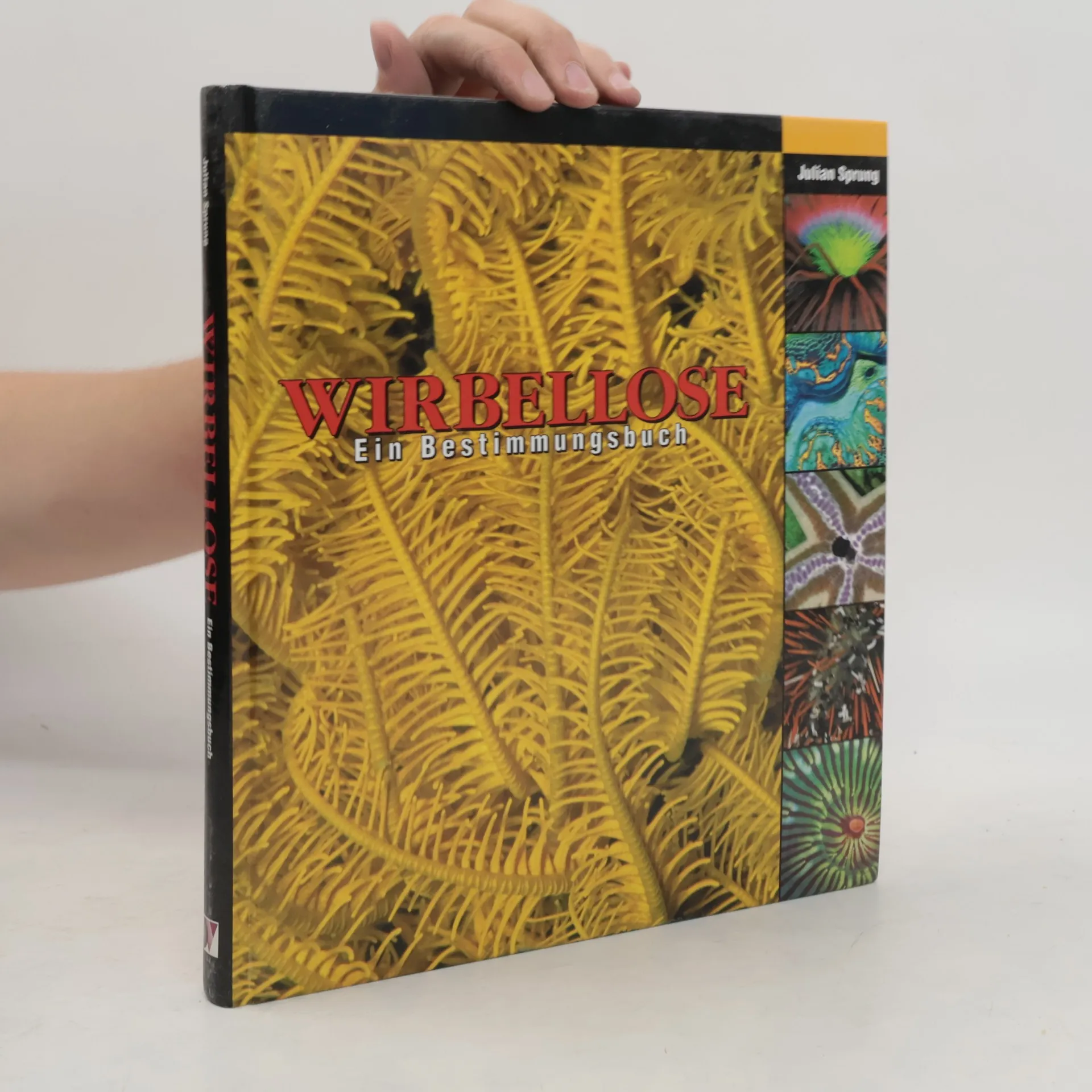


Ergänzend zum Bestimmungsbuch „Korallen“ zeigt der Autor hier mit detailreichen Farbaufnahmen Hunderte von Wirbellosen, denen man in den Riffen der Welt begegnet. Er informiert über Körperbau und Entwicklung, Lebensraum, Ernährung und Vergesellschaftung sowie die Möglichkeiten der Aquarienhaltung. Ein faszinierender Überblick über Niedere Tiere.
Ein umfassendes Bestimmungsbuch für Aquarianer, Taucher und andere Naturfreunde, das Hunderte verschiedener Arten in detailreichen Farbaufnahmen zeigt und damit die Mehrheit der Korallengattungen abdeckt, denen man in den Riffen der Welt begegnet. Dieses Buch hilft auch, Korallen von ähnlichen Organismen zu unterscheiden, etwa Hydrozoen, Krustenanemonen oder Scheibenanemonen. Neben der Beschreibung der Korallen finden sich Angaben zu ihrem Verbreitungsgebiet und zu ähnlichen Arten. Für Aquarianer, die solche Korallen im Aquarium halten und vermehren, enthalten die Beschreibungen tabellarische Grafiken, die über den Bedarf der Koralle an Licht, Wasserströmung und Nahrung informieren sowie über ihre Aquarienhaltbarkeit, ihre Nesselfähigkeit sowie die richtige Platzierung im Aquarium.