

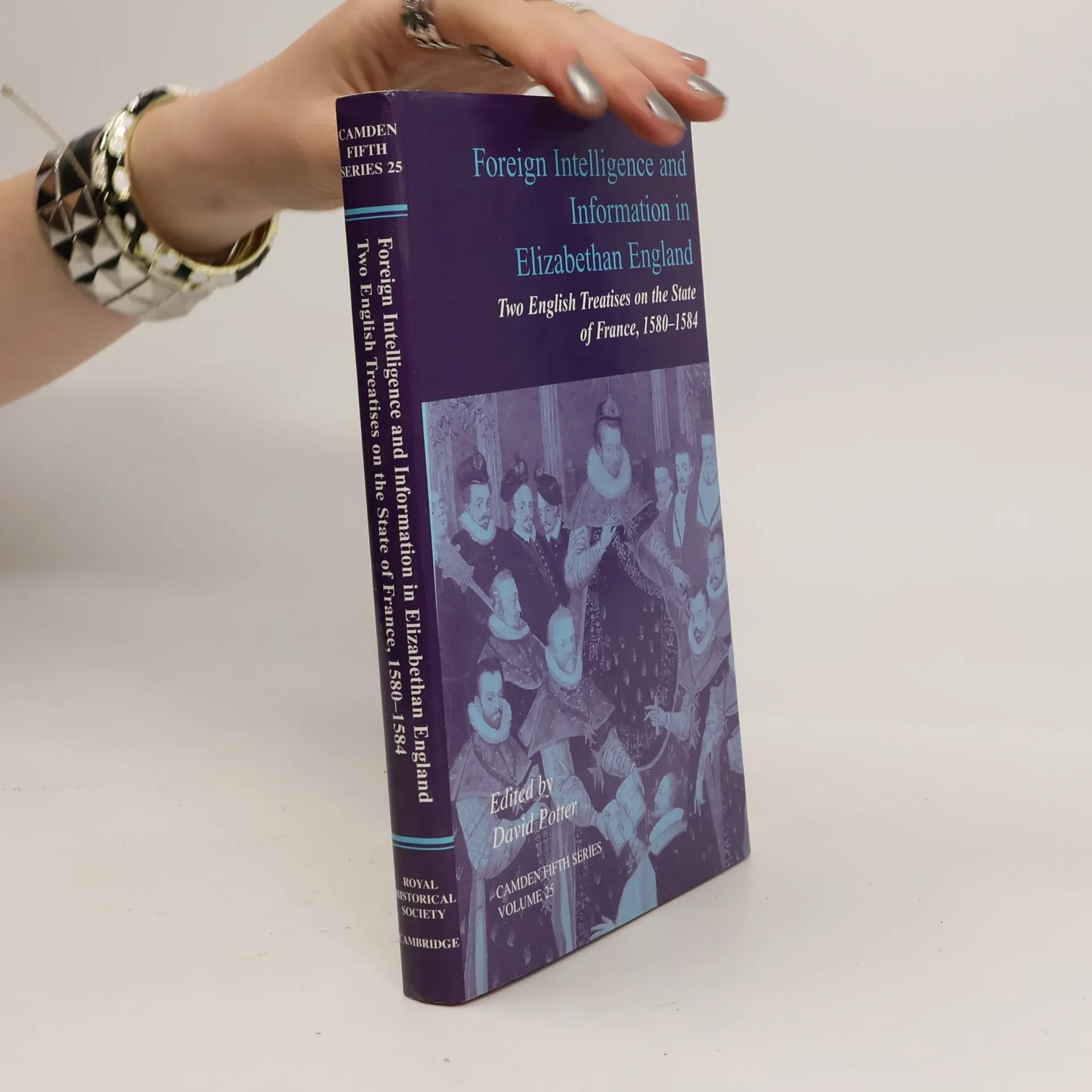
Camden Fifth Series - 25: Foreign Intelligence and Information in Elizabethan England
Two English Treatises on the State of France, 1580-1584
Autorzy
Więcej o książce
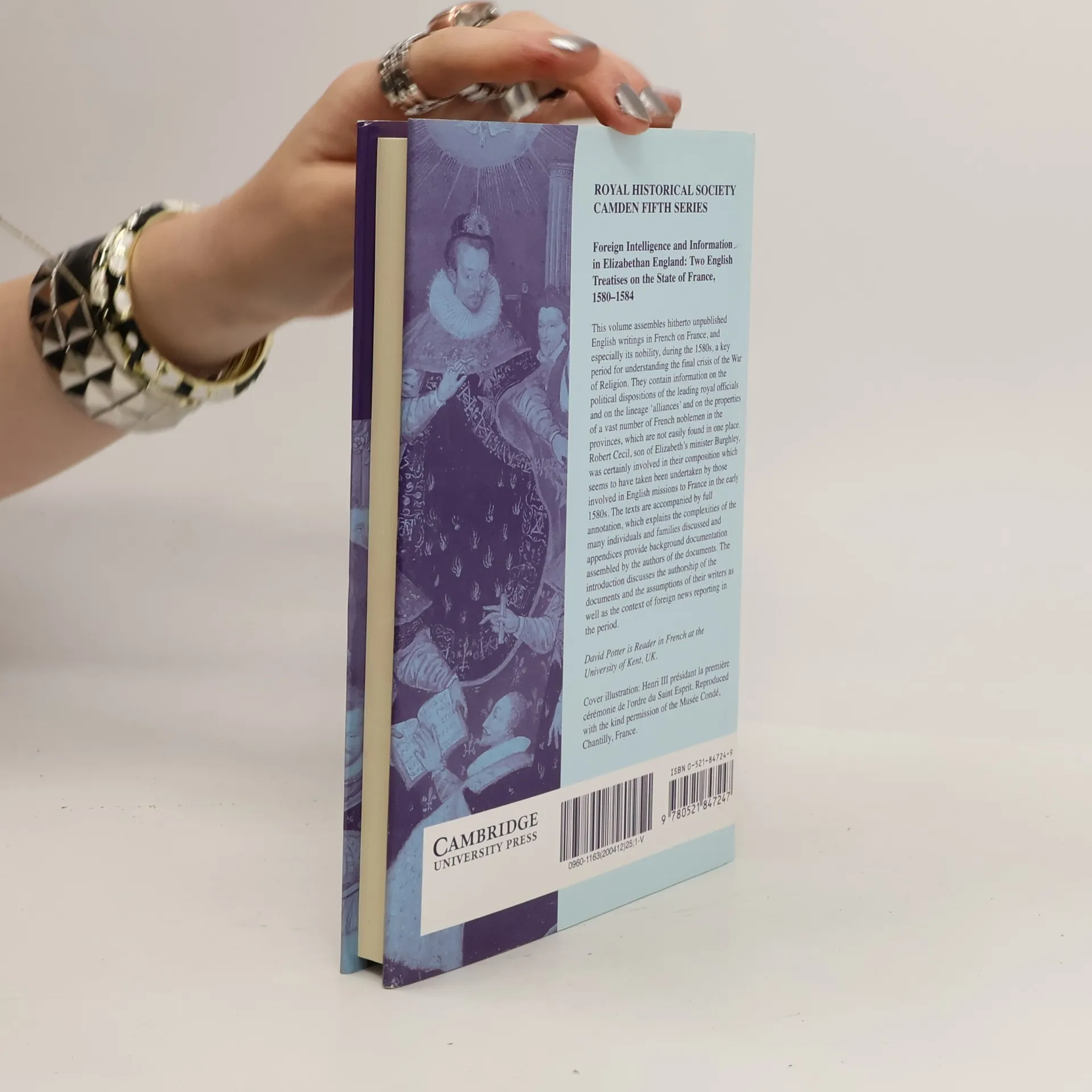
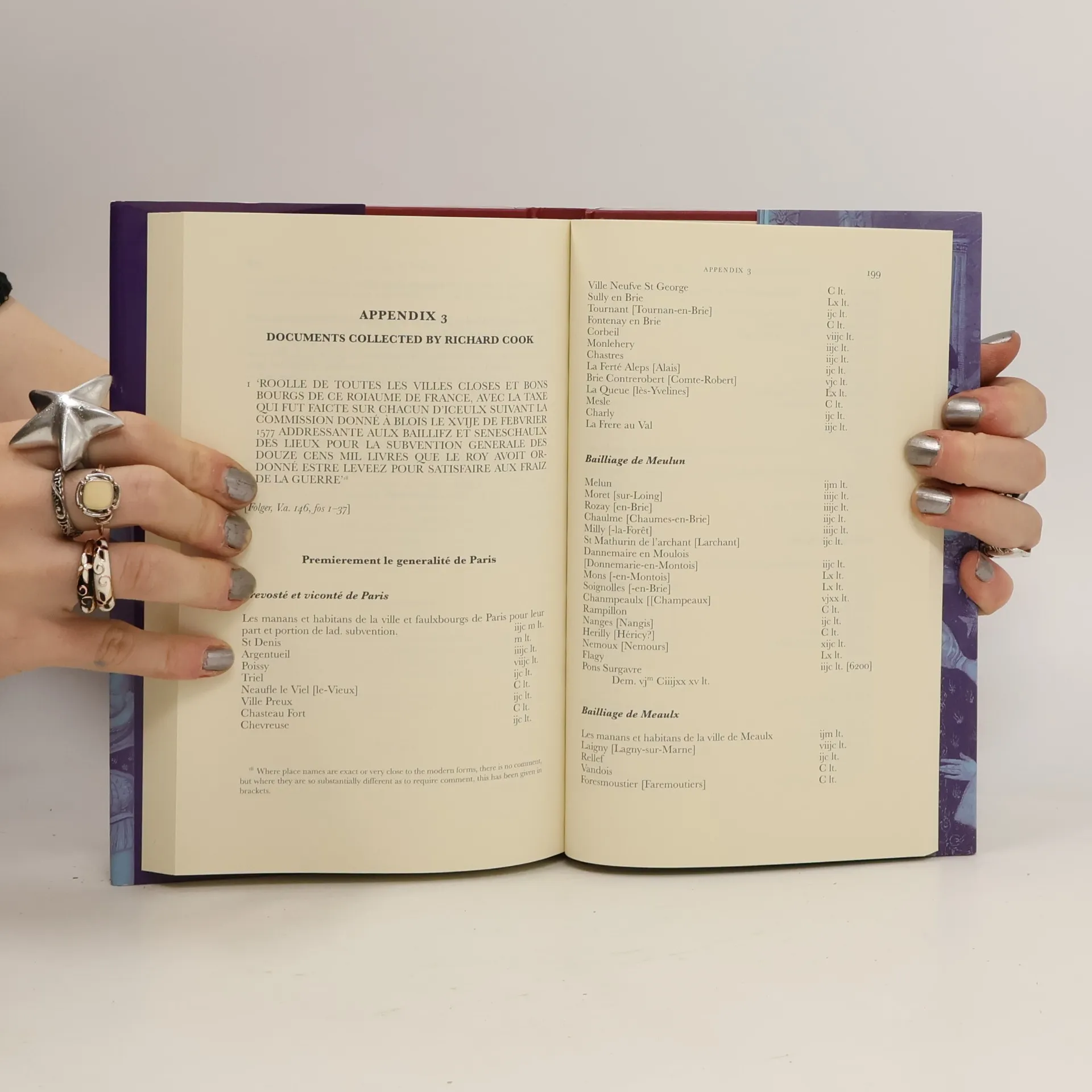
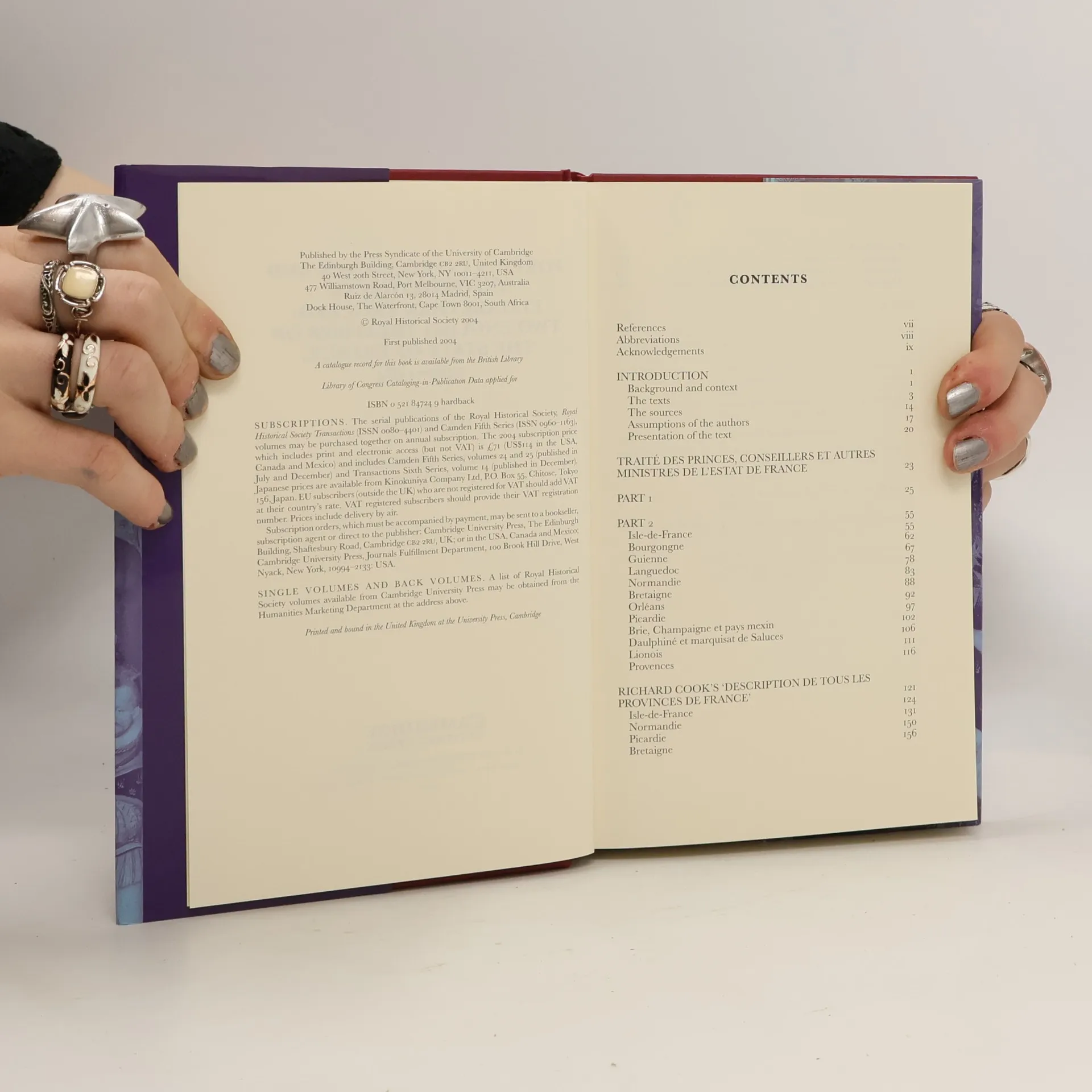
This volume assembles hitherto unpublished English writings in French on France, and especially its nobility, during the 1580s, a key period for understanding the final crisis of the War of Religion. They contain information on the political dispositions of the leading royal officials and on the lineage 'alliances' and the properties of a vast number of French noblemen in the provinces. Robert Cecil, son of Elizabeth's minister Burghley, was certainly involved in their composition, which seems to have been written by those involved in English missions to France in the early 1580s.
Zakup książki
Camden Fifth Series - 25: Foreign Intelligence and Information in Elizabethan England, David Linley Potter
- Język

- Rok wydania
- 2004
- Oprawa
- (twarda),
- Stan książki
- Bardzo dobry
- Cena
- 53,79 zł
Metody płatności
Nikt jeszcze nie ocenił.
- Tytuł
- Camden Fifth Series - 25: Foreign Intelligence and Information in Elizabethan England
- Podtytuł
- Two English Treatises on the State of France, 1580-1584
- Język
- angielski
- Autorzy
- David Linley Potter
- Wydawca
- Cambridge University Press
- Rok wydania
- 2004
- Oprawa
- twarda
- Liczba stron
- 272
- ISBN10
- 0521847249
- ISBN13
- 9780521847247
- Seria
- Tagi
- Tematy historyczne, Francja, Europa, Wielka Brytania, Historia Europy, Teorie polityczne, Stosunki międzynarodowe, Zachodnia Europa, Źródła historyczne
- Opis
- This volume assembles hitherto unpublished English writings in French on France, and especially its nobility, during the 1580s, a key period for understanding the final crisis of the War of Religion. They contain information on the political dispositions of the leading royal officials and on the lineage 'alliances' and the properties of a vast number of French noblemen in the provinces. Robert Cecil, son of Elizabeth's minister Burghley, was certainly involved in their composition, which seems to have been written by those involved in English missions to France in the early 1580s.