


St Katherine's Hospital, Ledbury c.1230-1547
Autorzy
Więcej o książce
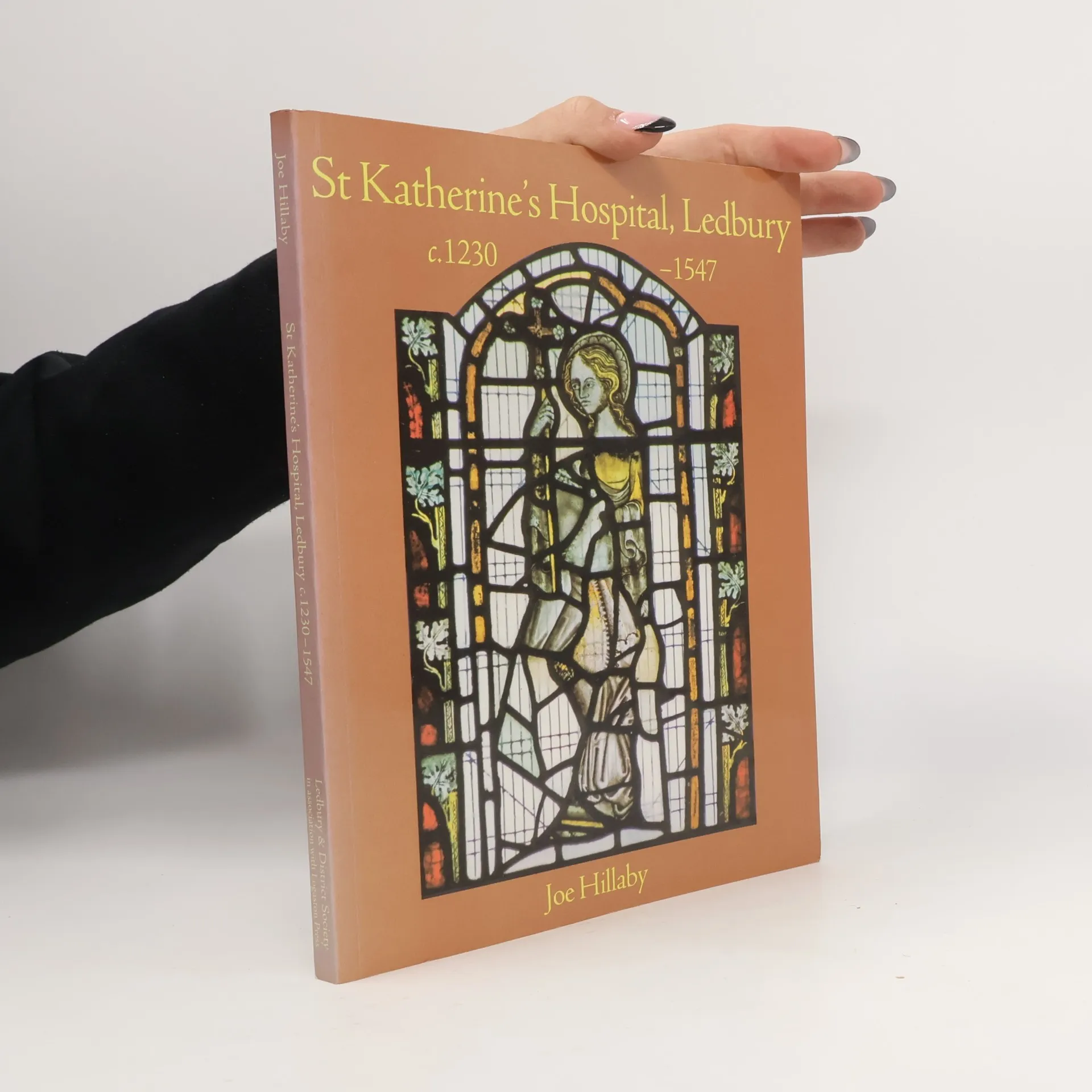
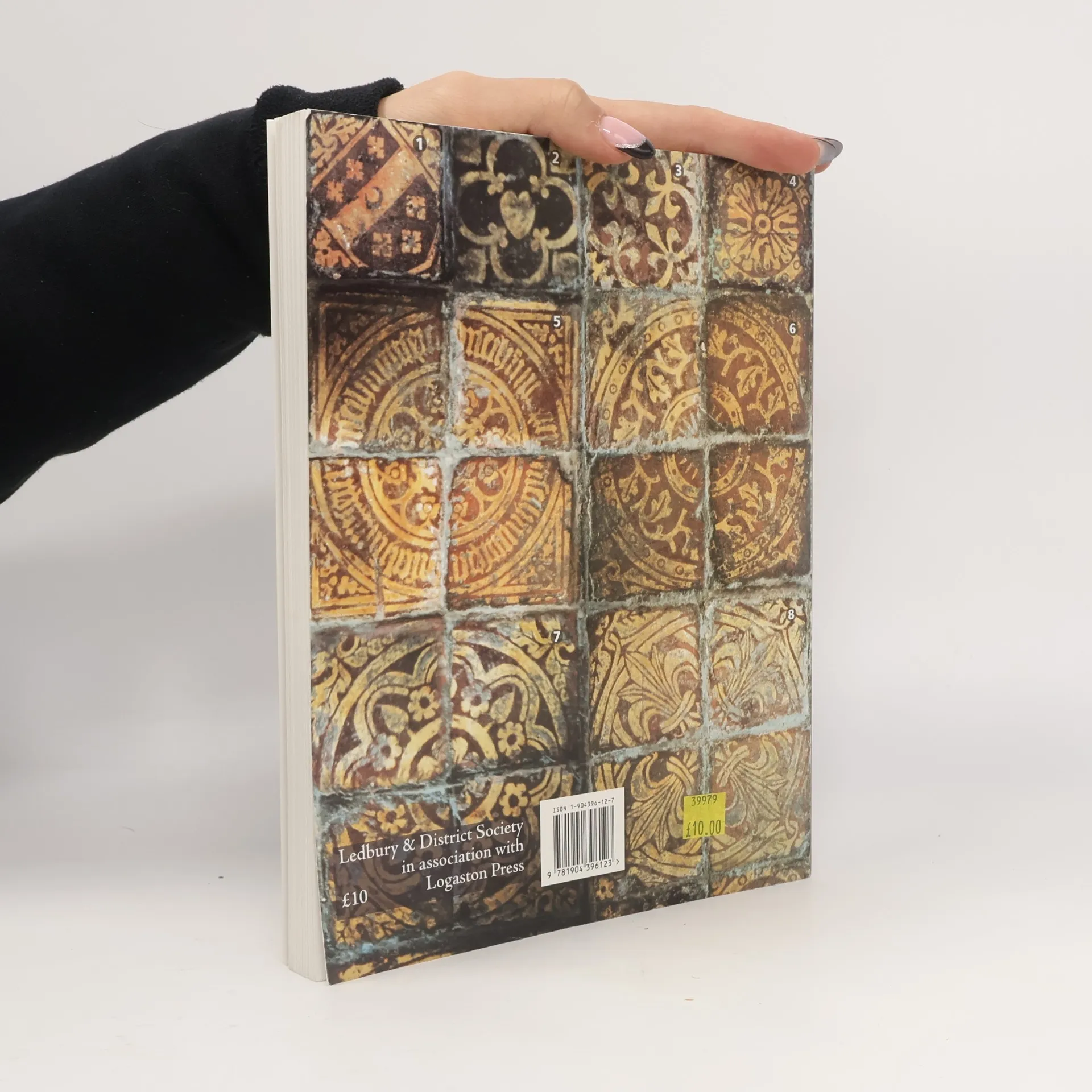
St Katherine's Hospital in Ledbury was founded c.1230 by the Bishop Hugh Foliot to serve the poor and infirm and to provide a chantry chapel for daily prayers to be offered to the souls of its founders and benefactors. This book tells the history of St Katherine's Hospital based on deeds, court rolls, accounts and various other documents held in the archives of the Dean and Chapter of Hereford Cathedral. At its height the hospital owned a large estate and the sources provide insights into the workings and administration of the people, lands, farms and buildings it oversaw. The religious side of St Katherine's is also examinied in detail in terms of the parish in which it stood, appropriated churches, the impact of religious reform, relics, patronage and religious administration, especially noting the stained glass and late medieval tiled pavement within the chapel.
Zakup książki
St Katherine's Hospital, Ledbury c.1230-1547, Joseph G. Hillaby
- Język

- Rok wydania
- 2003
- Oprawa
- (miękka),
- Stan książki
- Bardzo dobry
- Cena
- 28,69 zł
Metody płatności
Nikt jeszcze nie ocenił.
- Tytuł
- St Katherine's Hospital, Ledbury c.1230-1547
- Język
- angielski
- Autorzy
- Joseph G. Hillaby
- Wydawca
- Logaston Press
- Rok wydania
- 2003
- Oprawa
- miękka
- Liczba stron
- 153
- ISBN10
- 1904396127
- ISBN13
- 9781904396123
- Seria
- Opis
- St Katherine's Hospital in Ledbury was founded c.1230 by the Bishop Hugh Foliot to serve the poor and infirm and to provide a chantry chapel for daily prayers to be offered to the souls of its founders and benefactors. This book tells the history of St Katherine's Hospital based on deeds, court rolls, accounts and various other documents held in the archives of the Dean and Chapter of Hereford Cathedral. At its height the hospital owned a large estate and the sources provide insights into the workings and administration of the people, lands, farms and buildings it oversaw. The religious side of St Katherine's is also examinied in detail in terms of the parish in which it stood, appropriated churches, the impact of religious reform, relics, patronage and religious administration, especially noting the stained glass and late medieval tiled pavement within the chapel.