

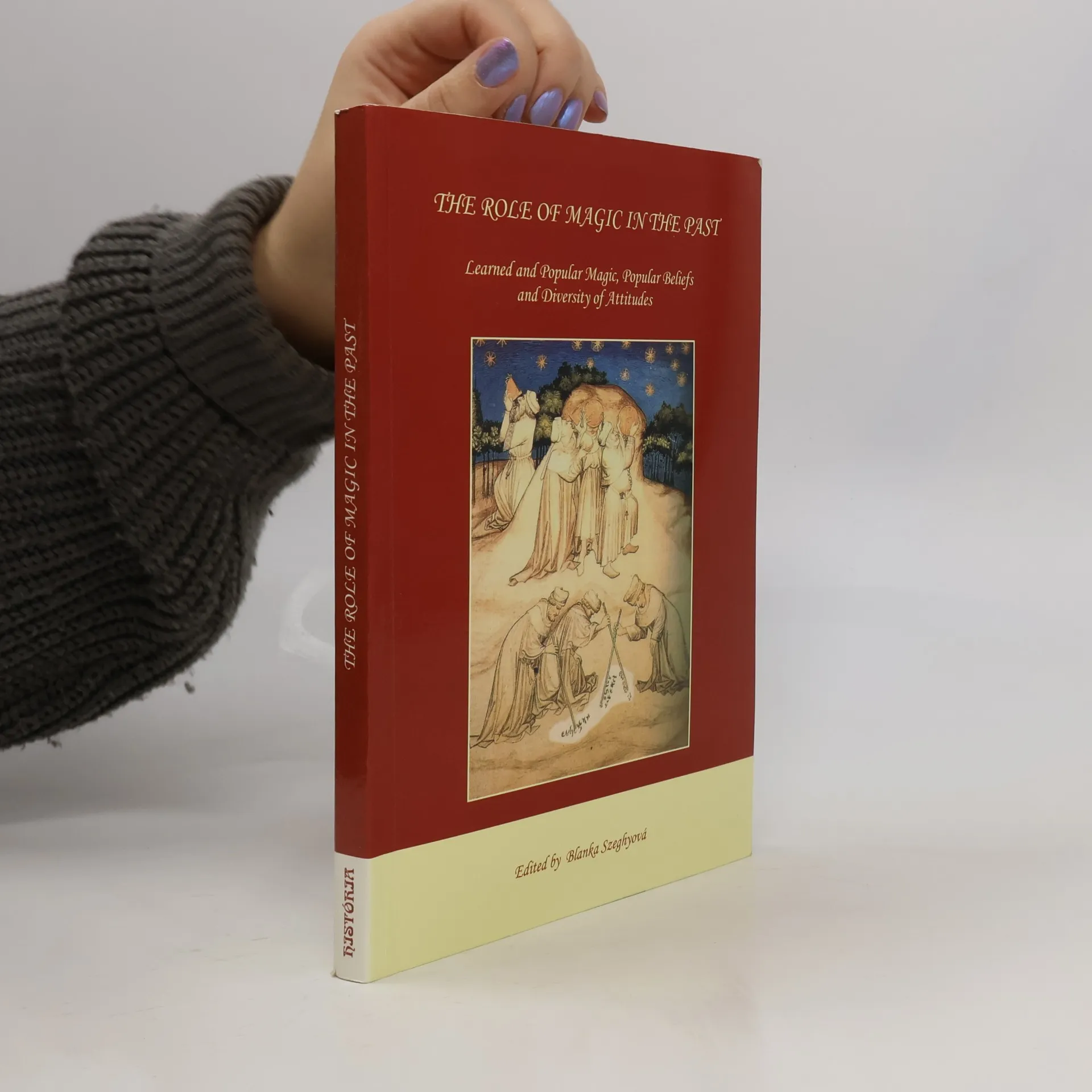

The Role of Magic in the Past
Learned and Popular Magic, Popular Beliefs and Diversity of Attitudes
Autorzy
Więcej o książce
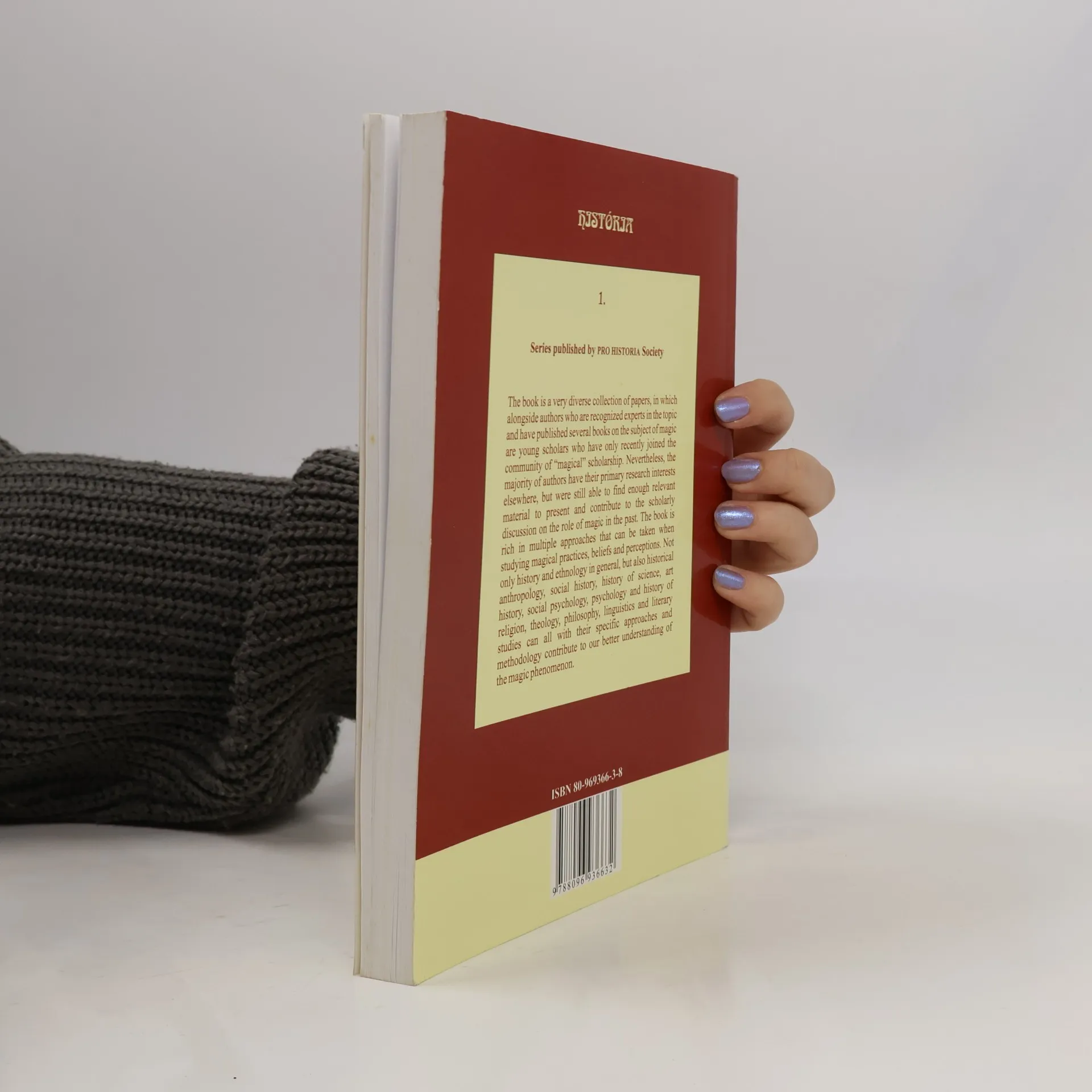
The book is a very diverse collection of papers, in which alongside authors who are recognized experts in the topic and have published several books on the subject of magic are young scholars who have only recently joined the community of “magical” scholarship. Nevertheless, the majority of authors have their primary research interests elsewhere, but were still able to find enough relevant material to present and contribute to the scholarly discussion on the role of magic in the past. The book is rich in multiple approaches that can be taken when studying magical practices, beliefs and perceptions. Not only history and ethnology in general, but also historical anthropology, social history, history of science, art history, social psychology, psychology and history of religion, theology, philosophy, linguistics and literary studies can all with their specific approaches and methodology contribute to our better understanding of the magic phenomenon.
Zakup książki
The Role of Magic in the Past, Blanka Szeghyová
- Język

- Rok wydania
- Oprawa
- (miękka),
- Stan książki
- Uszkodzony
- Cena
- 100,99 zł
Metody płatności
Nikt jeszcze nie ocenił.
- Tytuł
- The Role of Magic in the Past
- Podtytuł
- Learned and Popular Magic, Popular Beliefs and Diversity of Attitudes
- Język
- angielski
- Autorzy
- Blanka Szeghyová
- Wydawca
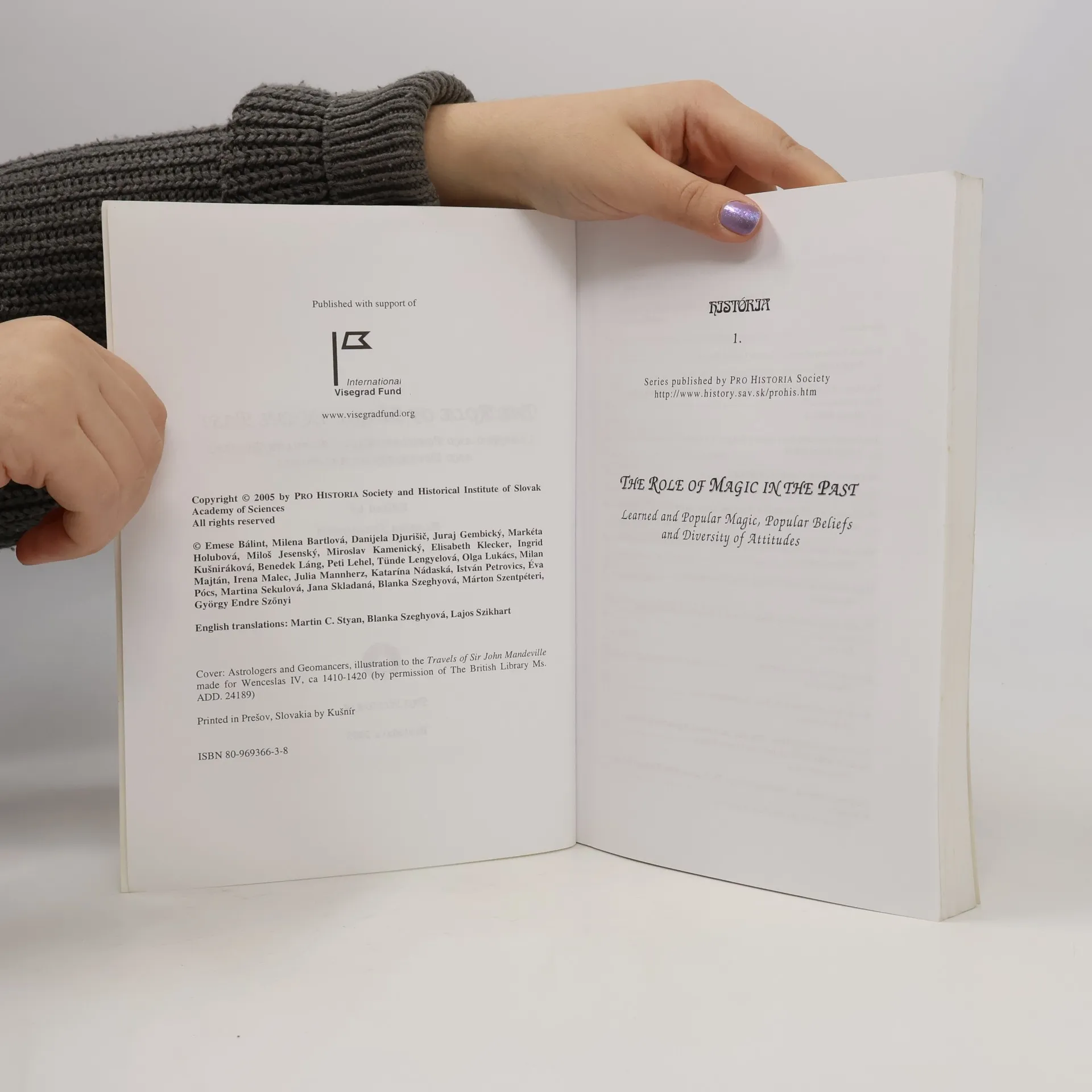
- PRO HISTORIA Society
- Oprawa
- miękka
- ISBN10
- 8096936638
- ISBN13
- 9788096936632
- Seria
- Tagi
- Opis
- The book is a very diverse collection of papers, in which alongside authors who are recognized experts in the topic and have published several books on the subject of magic are young scholars who have only recently joined the community of “magical” scholarship. Nevertheless, the majority of authors have their primary research interests elsewhere, but were still able to find enough relevant material to present and contribute to the scholarly discussion on the role of magic in the past. The book is rich in multiple approaches that can be taken when studying magical practices, beliefs and perceptions. Not only history and ethnology in general, but also historical anthropology, social history, history of science, art history, social psychology, psychology and history of religion, theology, philosophy, linguistics and literary studies can all with their specific approaches and methodology contribute to our better understanding of the magic phenomenon.