

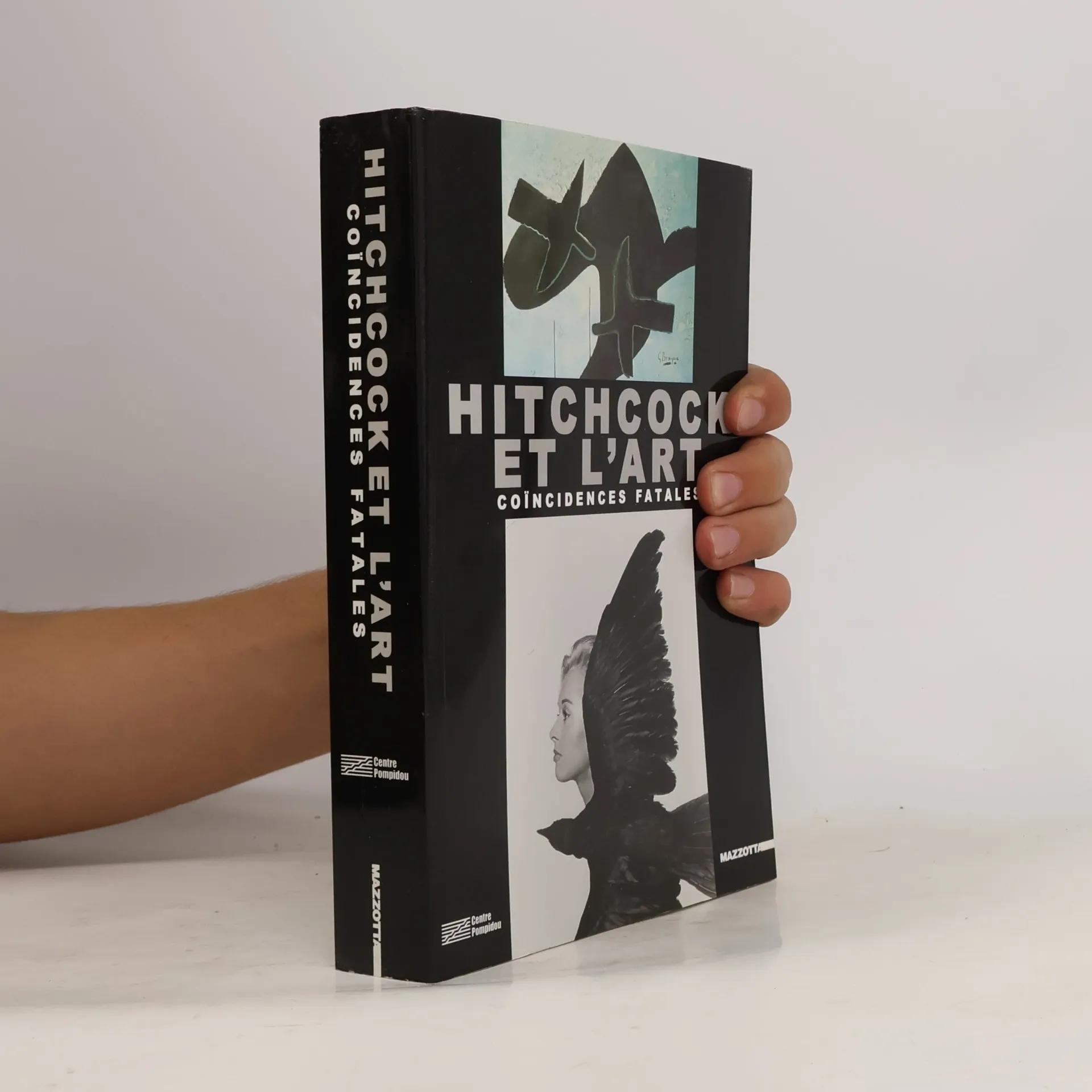
Hitchcock et l'art
Coïncidences fatales
Autorzy
Więcej o książce
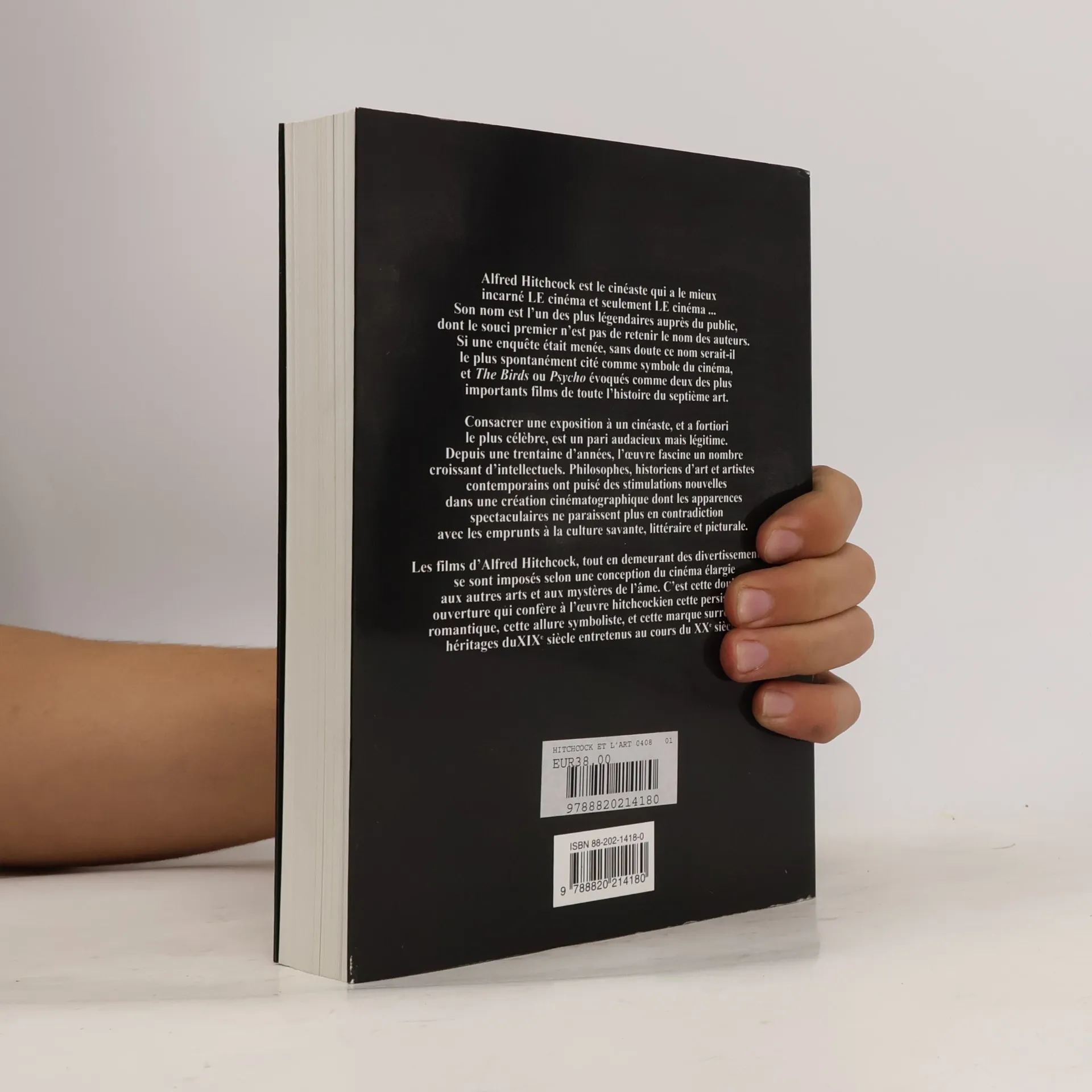
Alfred Hitchcock is THE filmmaker who most specifically embodied the cinema, and only the cinema. His is one of the legendary names among moviegoers, who as a group are not particularly concerned with remembering the names of the authors of the films we see. If a survey were held, though, the name Alfred Hitchcock would doubtless be the one most spontaneously recalled as representative of the cinema, and The Birds and Psycho cited as two of the most famous works in the entire history of film.Devoting an exhibition to a filmmaker - let alone the most famous filmmaker of all - is a daunting but legitimate challenge. For three decades Hitchcock's work has fascinated ever-growing numbers of intellectuals. Philosophers, art historians and contemporary artists have all found new inspirations fir their own works within a body of cinematic work whose apparent emphasis on spectacle no longer apears at odds with its borrowings from learned, literary and pictorial culture.The films fo Alfred Hitchcock, while remaining first and foremost popular entertainment, command attention because they stemmed from a broader view of cinema that encompassed other art forms as well as the mysteries of the human soul. It is this dual openness that grants the Hitchcockian oevre its Romantic constancy, Symbolist style and Surrealist influence - legacies of the 19th century maintained during the 20th.
Zakup książki
Hitchcock et l'art, Guy Cogeval, Dominique Païni
- Język

- Rok wydania
- 2000
- Oprawa
- (miękka)
Metody płatności
Nikt jeszcze nie ocenił.
- Tytuł
- Hitchcock et l'art
- Podtytuł
- Coïncidences fatales
- Język
- angielski
- Autorzy
- Guy Cogeval, Dominique Païni
- Wydawca
- Mazzotta Edizione
- Rok wydania
- 2000
- Oprawa
- miękka
- Liczba stron
- 498
- ISBN10
- 8820214180
- ISBN13
- 9788820214180
- Seria
- Tagi
- Katalogi wystaw
- Opis
- Alfred Hitchcock is THE filmmaker who most specifically embodied the cinema, and only the cinema. His is one of the legendary names among moviegoers, who as a group are not particularly concerned with remembering the names of the authors of the films we see. If a survey were held, though, the name Alfred Hitchcock would doubtless be the one most spontaneously recalled as representative of the cinema, and The Birds and Psycho cited as two of the most famous works in the entire history of film.Devoting an exhibition to a filmmaker - let alone the most famous filmmaker of all - is a daunting but legitimate challenge. For three decades Hitchcock's work has fascinated ever-growing numbers of intellectuals. Philosophers, art historians and contemporary artists have all found new inspirations fir their own works within a body of cinematic work whose apparent emphasis on spectacle no longer apears at odds with its borrowings from learned, literary and pictorial culture.The films fo Alfred Hitchcock, while remaining first and foremost popular entertainment, command attention because they stemmed from a broader view of cinema that encompassed other art forms as well as the mysteries of the human soul. It is this dual openness that grants the Hitchcockian oevre its Romantic constancy, Symbolist style and Surrealist influence - legacies of the 19th century maintained during the 20th.