

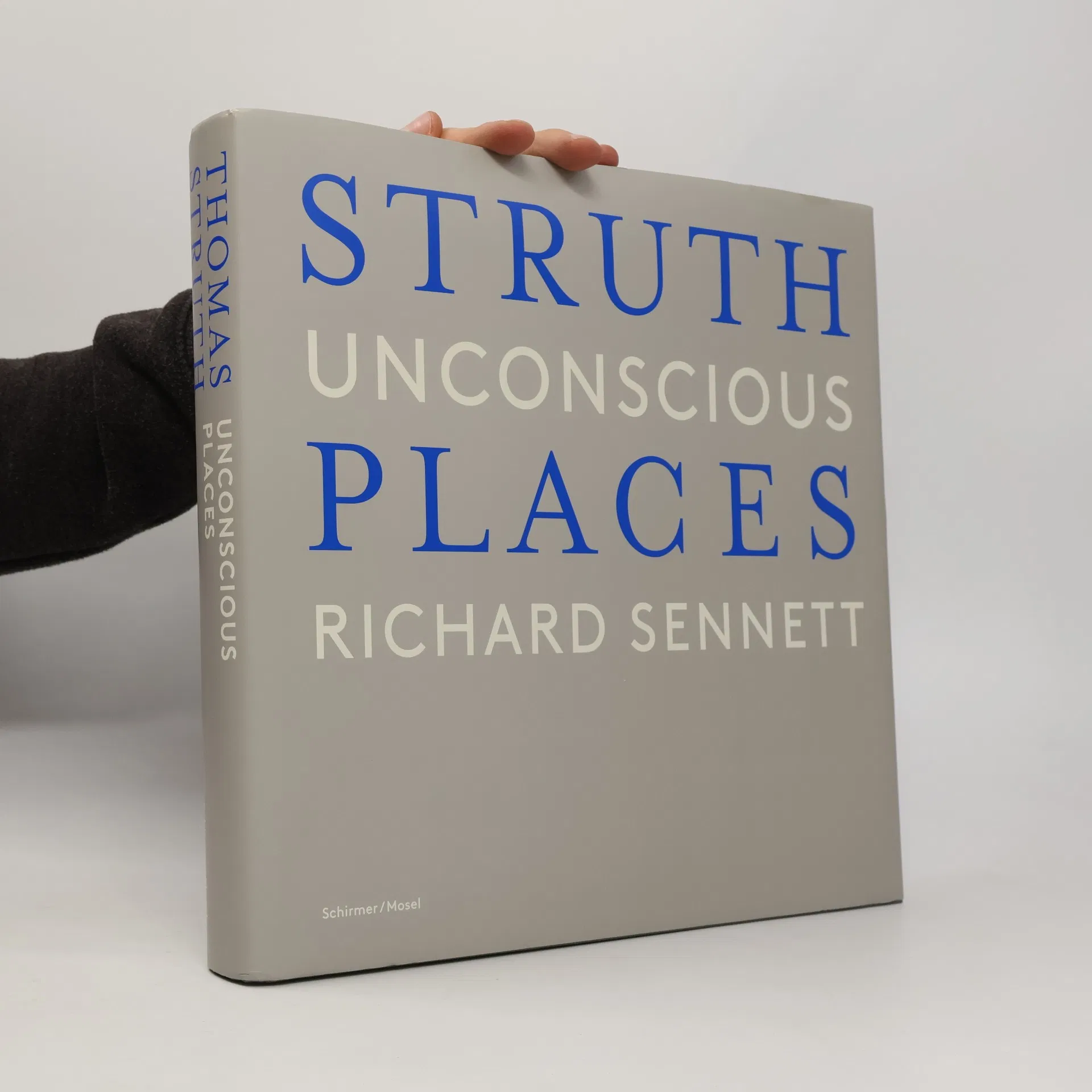
Thomas Struth
Unconscious Places - Englische Ausgabe mit Deutscher Textbeilage
Autorzy
Więcej o książce
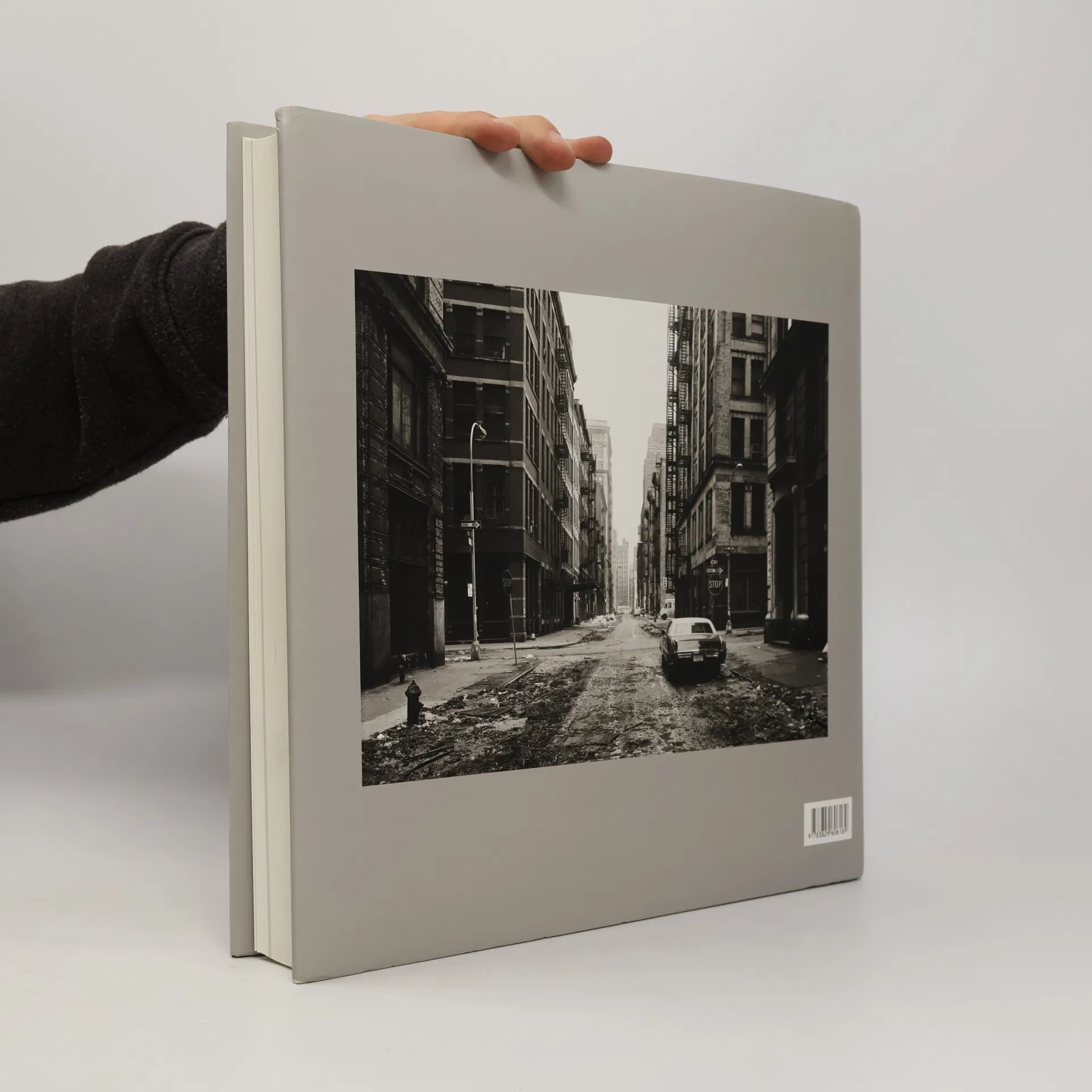
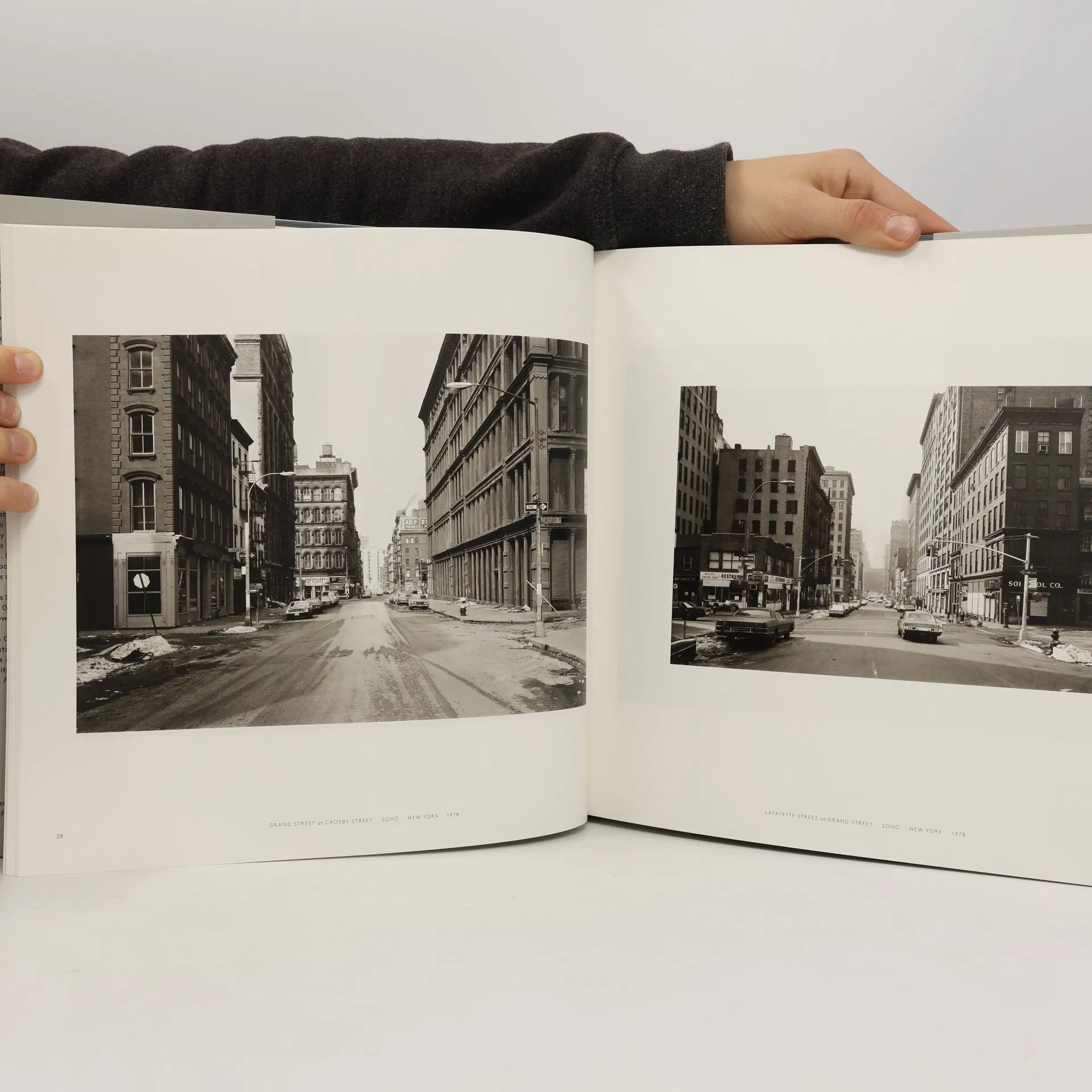
Mundane buildings, nondescript streets, anonymous facades—these are the features that first strike in viewing Thomas Struth’s pictures of streets—"unconscious places". Both in black-and-white and in color, Struth uses a frontal, eye-height view, with no optical distortion to disrupt the impression that what we see is a neutral, objective recording of reality. At the same time, Struth’s urban landscapes are also a critical depiction of different human habitats. This volume presents a comprehensive survey of Struth’s street views from the 1970s to 2010: narrow lanes in Edinburgh, Wuhan, Naples, and Erfurt; satellite towns in Paris, Leverkusen, Chicago, and Pyongyang; thoroughfares in Brussels, Lima, and Los Angeles; grand boulevards in St. Petersburg, New York City, and Beijing. Frequently there is an almost total absence of people in his cityscapes, which provides a feeling of desolation. In contrast, his famous Shibuya Crossing, Tokyo, is bustling with people and billboards.

Zakup książki
Thomas Struth, Richard Sennett, Thomas Struth
- Język

- Rok wydania
- 2012
- Oprawa
- (twarda)
Metody płatności
Nikt jeszcze nie ocenił.
- Tytuł
- Thomas Struth
- Podtytuł
- Unconscious Places - Englische Ausgabe mit Deutscher Textbeilage
- Język
- angielski
- Autorzy
- Richard Sennett, Thomas Struth
- Wydawca
- Schirmer Mosel
- Rok wydania
- 2012
- Oprawa
- twarda
- Liczba stron
- 300
- ISBN10
- 3829606184
- ISBN13
- 9783829606189
- Seria
- Kategorie
- Opis
- Mundane buildings, nondescript streets, anonymous facades—these are the features that first strike in viewing Thomas Struth’s pictures of streets—"unconscious places". Both in black-and-white and in color, Struth uses a frontal, eye-height view, with no optical distortion to disrupt the impression that what we see is a neutral, objective recording of reality. At the same time, Struth’s urban landscapes are also a critical depiction of different human habitats. This volume presents a comprehensive survey of Struth’s street views from the 1970s to 2010: narrow lanes in Edinburgh, Wuhan, Naples, and Erfurt; satellite towns in Paris, Leverkusen, Chicago, and Pyongyang; thoroughfares in Brussels, Lima, and Los Angeles; grand boulevards in St. Petersburg, New York City, and Beijing. Frequently there is an almost total absence of people in his cityscapes, which provides a feeling of desolation. In contrast, his famous Shibuya Crossing, Tokyo, is bustling with people and billboards.