

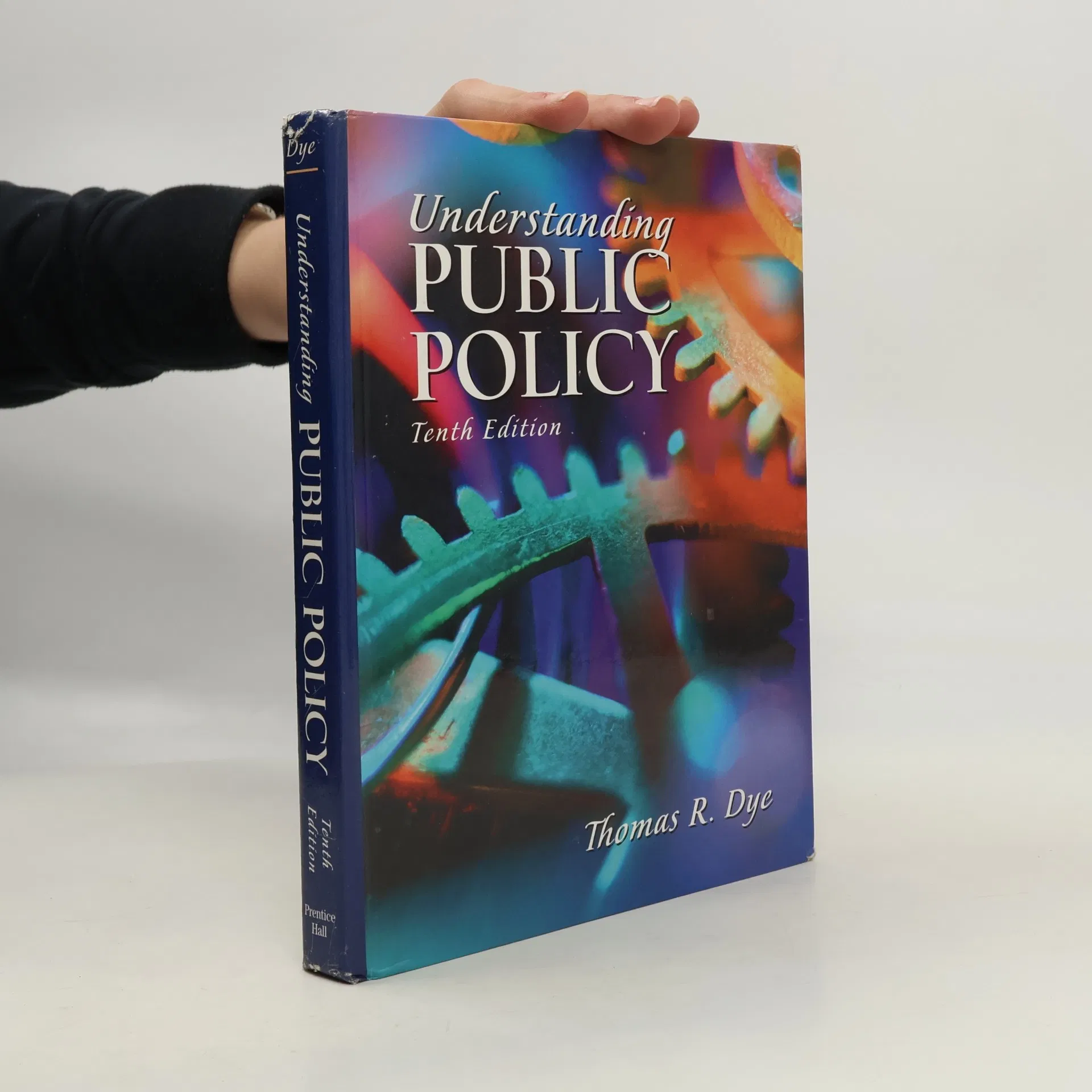

Understanding Public Policy: Tenth Edition
Autorzy
Więcej o książce
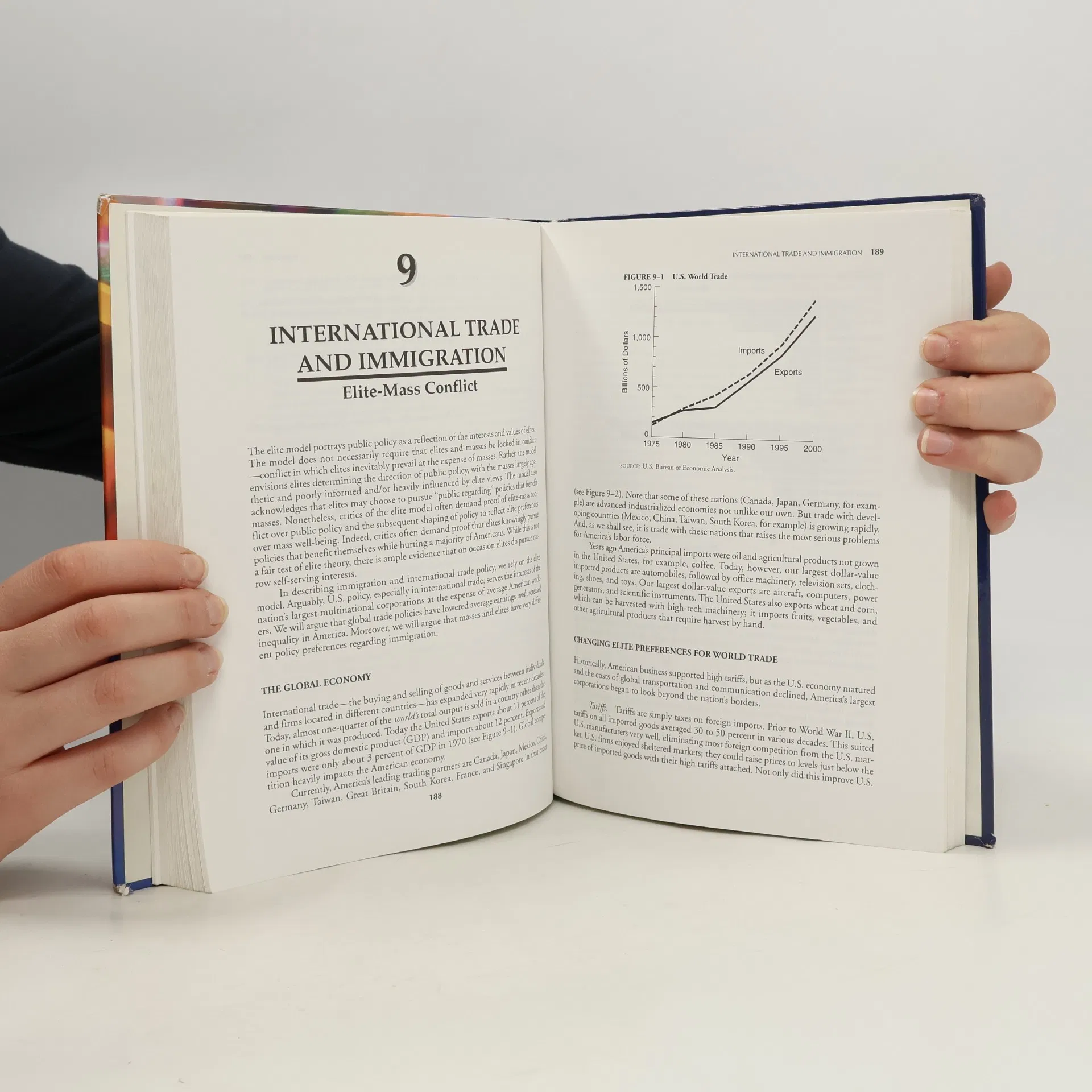
Cutting-edge in approach, this book gives readers concrete "tools" for not only understanding public policy in general, but for analyzing "specific" public policies. It focuses on "what" policies governments pursue, "why" governments pursue the policies they do, and what the "consequences" of these policies are. Very contemporary in perspective, it introduces eight analytical models currently used by political scientists to describe and explain political life and then, using these various analytical models--singly and in combination--explores specific public policies in a variety of key domestic policy areas. Explores eight analytic models--rationalism, incrementalism, elitism, interest group conflict, institutionalism, game theory, public choice, and the familiar policy process model. Uses the various analytic models to describe and explain public policy in such areas as criminal justice, health and welfare, education, economic policy, taxation, international trade and immigration, environmental protection, civil rights, federalism, and national defense. For anyone interested in the complex dynamics of the public policy making process in relation to a broad range of contemporary issues.
Zakup książki
Understanding Public Policy: Tenth Edition, Thomas R. Dye
- Język

- Rok wydania
- 2001
- Oprawa
- (twarda),
- Stan książki
- Uszkodzony
- Cena
- 43,79 zł
Metody płatności
Nikt jeszcze nie ocenił.
- Tytuł
- Understanding Public Policy: Tenth Edition
- Język
- angielski
- Autorzy
- Thomas R. Dye
- Wydawca
- Prentice Hall
- Rok wydania
- 2001
- Oprawa
- twarda
- Liczba stron
- 354
- ISBN10
- 0130260088
- ISBN13
- 9780130260086
- Seria
- Tagi
- Polityka, USA, Teorie polityczne
- Opis
- Cutting-edge in approach, this book gives readers concrete "tools" for not only understanding public policy in general, but for analyzing "specific" public policies. It focuses on "what" policies governments pursue, "why" governments pursue the policies they do, and what the "consequences" of these policies are. Very contemporary in perspective, it introduces eight analytical models currently used by political scientists to describe and explain political life and then, using these various analytical models--singly and in combination--explores specific public policies in a variety of key domestic policy areas. Explores eight analytic models--rationalism, incrementalism, elitism, interest group conflict, institutionalism, game theory, public choice, and the familiar policy process model. Uses the various analytic models to describe and explain public policy in such areas as criminal justice, health and welfare, education, economic policy, taxation, international trade and immigration, environmental protection, civil rights, federalism, and national defense. For anyone interested in the complex dynamics of the public policy making process in relation to a broad range of contemporary issues.