

Parametry
- 494 strony
- 18 godzin czytania
Więcej o książce
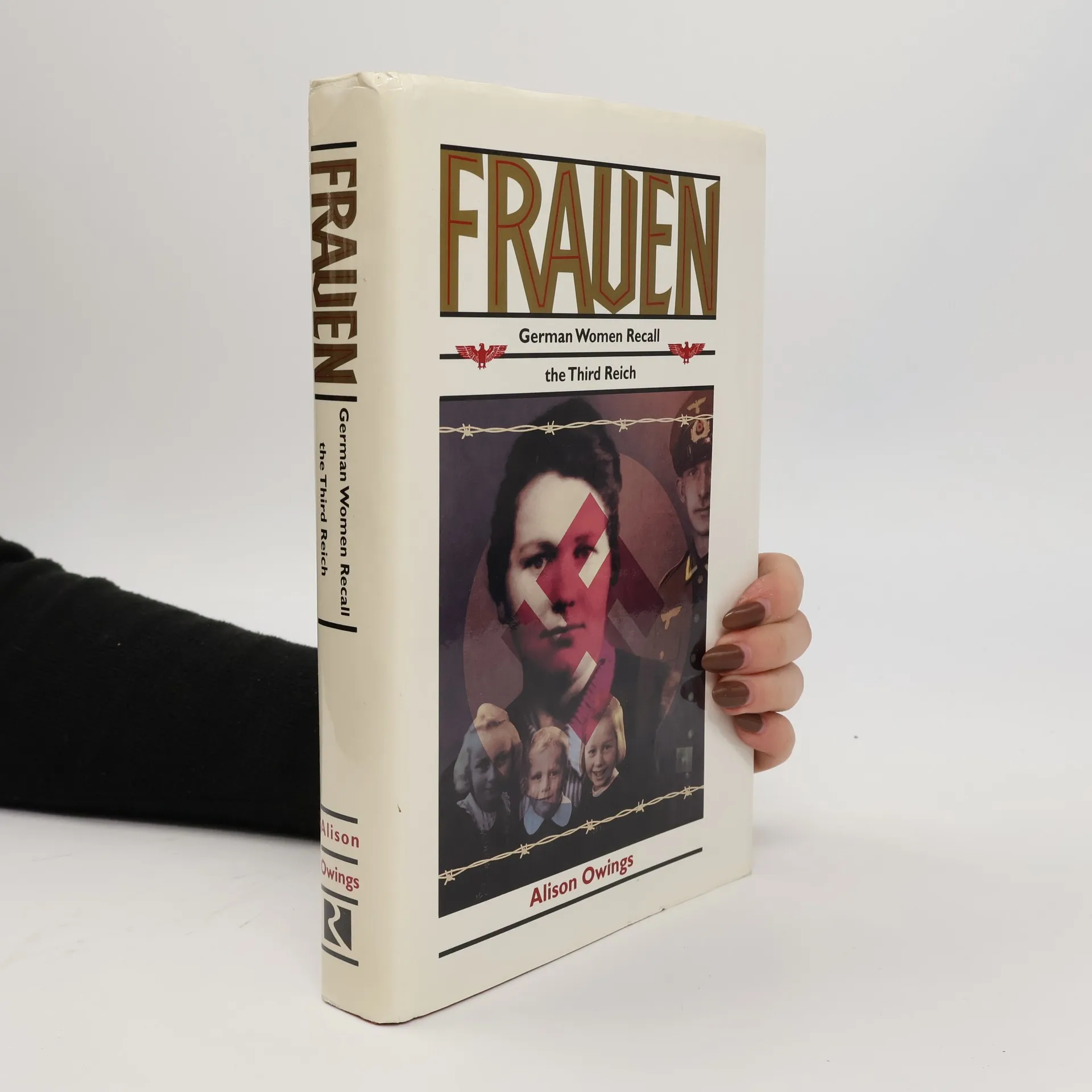
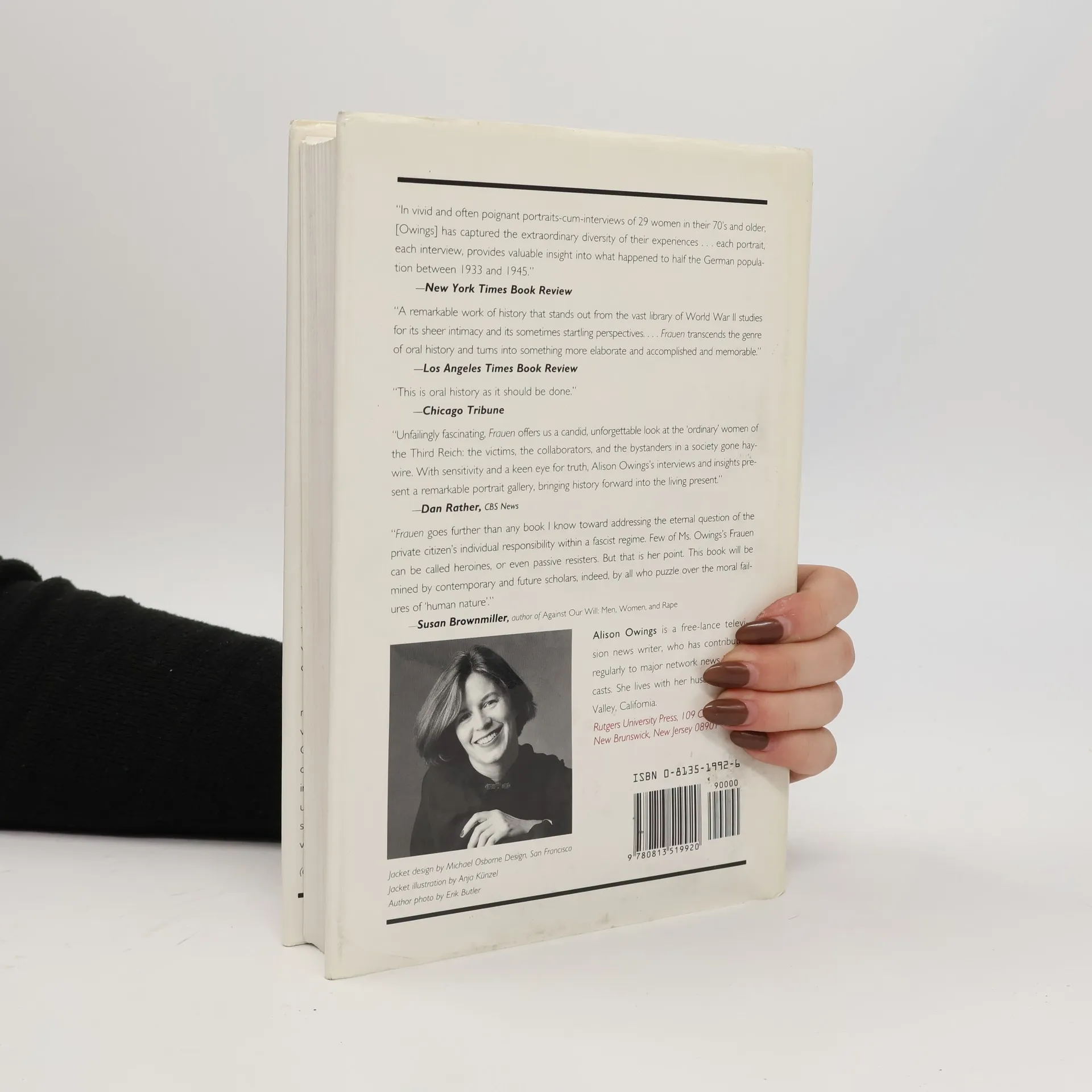
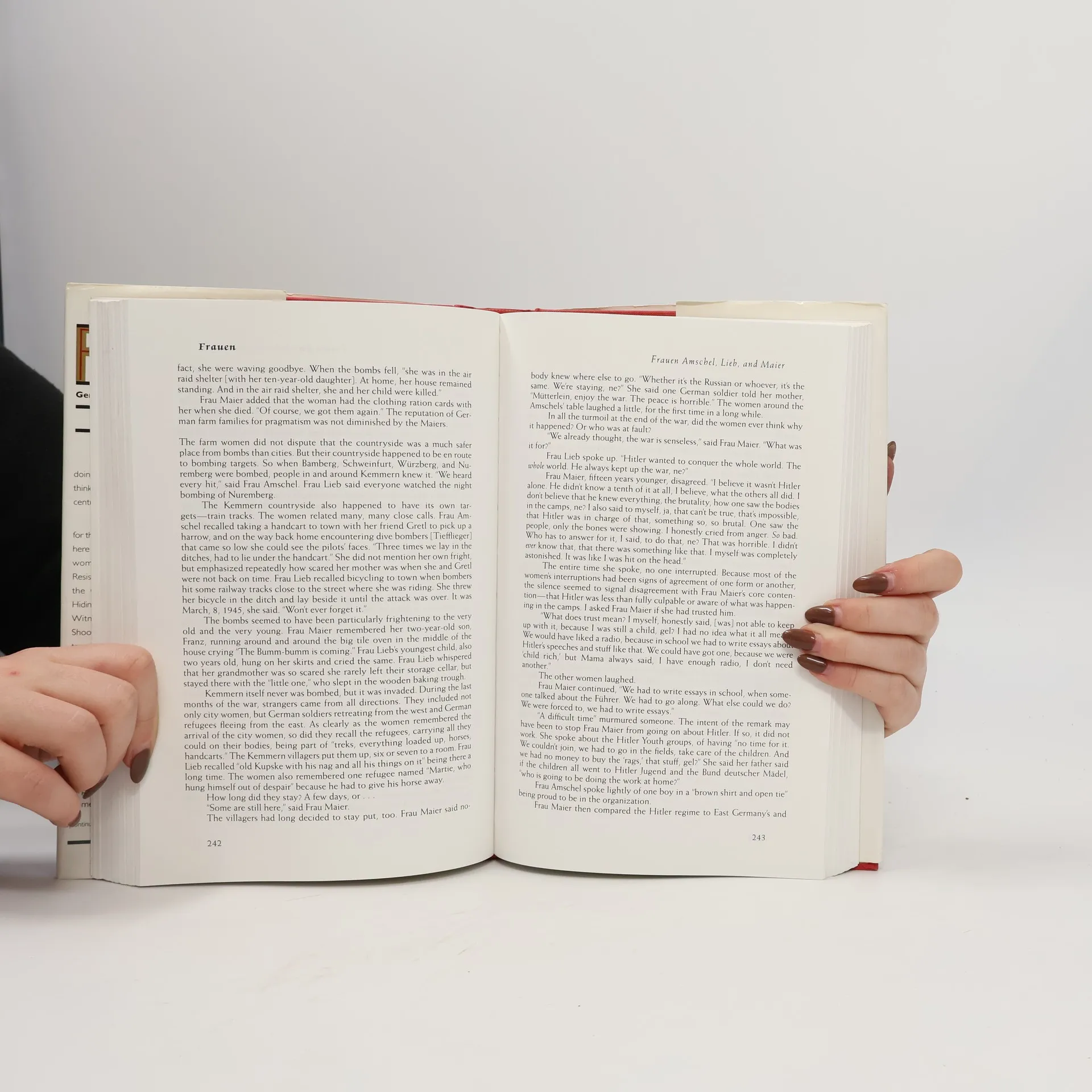
What were the women of Germany doing during the Third Reich? What were they thinking? A half-century later, their voices emerge in this compelling narrative. Alison Owings interviewed twenty-nine German women, capturing their diverse experiences: working for the Resistance, joining the Nazi Party, outsmarting the Gestapo, harboring Jewish friends, and witnessing pivotal events like "Kristallnacht" and the firebombing of Dresden. These women share their emotions—enthusiasm, doubt, fear, guilt, and anguish—reflecting on their actions and the choices of those around them. Owings was invited into their homes, where her fluency in colloquial German and her non-Jewish, non-German background fostered trust, allowing these women to unlock their pasts. Their revelations may surprise American readers, just as they surprised the women themselves. This intimate exploration of "the enemy" offers a unique perspective on those who lived under a regime, highlighting the impact of policies on everyday lives. The interviews challenge us to reconsider our own potential actions in similar circumstances, steering clear of easy answers and prompting deeper reflection on morality and complicity.


Zakup książki
Frauen, Alison Owings
- Język

- Rok wydania
- 1993
- Oprawa
- (twarda)
Metody płatności
Brakuje nam tutaj Twojej recenzji.
- Tytuł
- Frauen
- Podtytuł
- German Women Recall the Third Reich
- Język
- angielski
- Autorzy
- Alison Owings
- Wydawca
- Rutgers University Press
- Rok wydania
- 1993
- Oprawa
- twarda
- Liczba stron
- 494
- ISBN10
- 0813519926
- ISBN13
- 9780813519920
- Seria
- Kategorie
- Oryginalna nazwa
- Frauen
- Ocena
- 4,1 z 5
- Opis
- What were the women of Germany doing during the Third Reich? What were they thinking? A half-century later, their voices emerge in this compelling narrative. Alison Owings interviewed twenty-nine German women, capturing their diverse experiences: working for the Resistance, joining the Nazi Party, outsmarting the Gestapo, harboring Jewish friends, and witnessing pivotal events like "Kristallnacht" and the firebombing of Dresden. These women share their emotions—enthusiasm, doubt, fear, guilt, and anguish—reflecting on their actions and the choices of those around them. Owings was invited into their homes, where her fluency in colloquial German and her non-Jewish, non-German background fostered trust, allowing these women to unlock their pasts. Their revelations may surprise American readers, just as they surprised the women themselves. This intimate exploration of "the enemy" offers a unique perspective on those who lived under a regime, highlighting the impact of policies on everyday lives. The interviews challenge us to reconsider our own potential actions in similar circumstances, steering clear of easy answers and prompting deeper reflection on morality and complicity.