

Więcej o książce
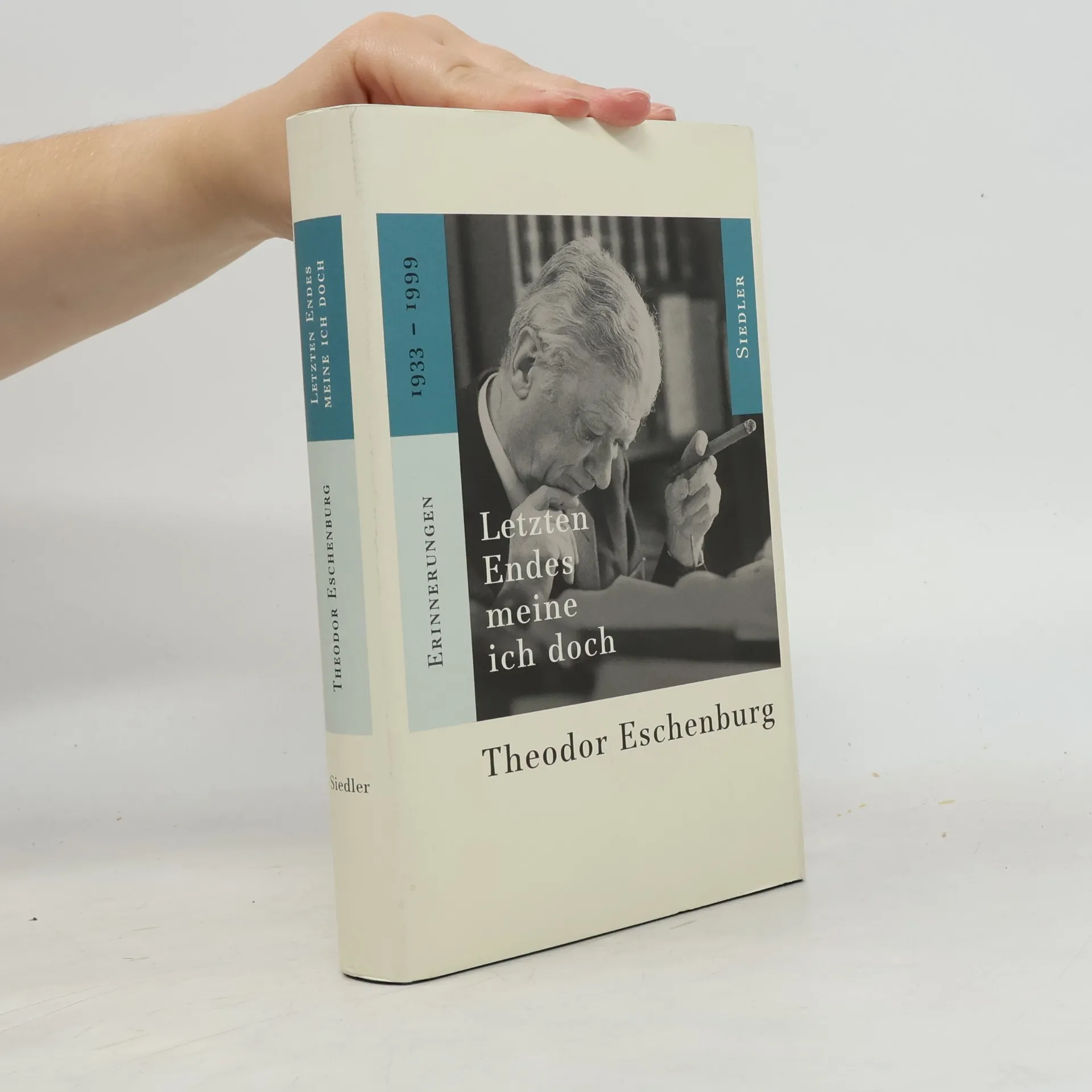
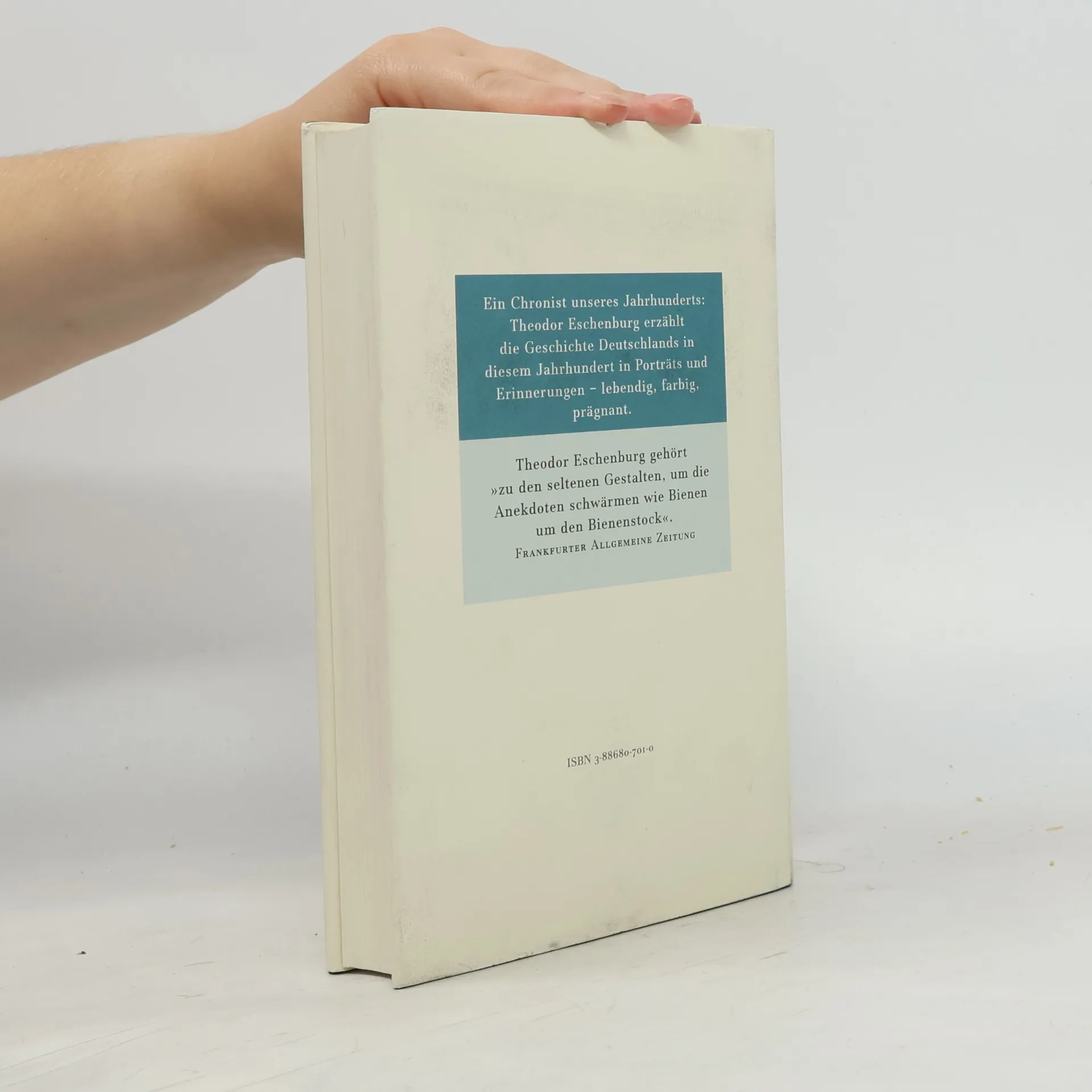
Theodor Eschenburg, who passed away in the summer of 1999 at the age of 94, dedicated his final days to completing the second volume of his memoirs, covering 1933 to 1999. When combined with the first volume, his reflections on the Kaiserreich and the Weimar Republic, he emerges as a chronicler of the century. His writing is vibrant, anecdotal, and concise, capturing history through personal stories. He recounts how he sought refuge in small industry after his political engagement under Stresemann, briefly joined the Motor-SS, and spent bomb-filled nights in Berlin-Zehlendorf with notable figures like Ludwig Erhard and Karl Blessing, discussing post-war plans. Eschenburg later became a refugee commissioner in Württemberg-Hohenzollern and a political science professor in Tübingen. He contributed to "Die Zeit" and became a prominent publicist and debate speaker. He participated in the famous Munich Conference, witnessing the division of Germany. Throughout his life, he interacted with influential politicians, including Konrad Adenauer and Willy Brandt, using individual stories to illustrate broader historical trends. Born in Kiel in 1904, he held various significant positions, authored numerous works, and passed away in Tübingen in 1999.


Zakup książki
Letzten Endes meine ich doch, Theodor Eschenburg
- Język

- Rok wydania
- 2000
- Oprawa
- (twarda),
- Stan książki
- Dobry
- Cena
- 4,11 zł
Metody płatności
Brakuje nam tutaj Twojej recenzji.
- Tytuł
- Letzten Endes meine ich doch
- Język
- niemiecki
- Autorzy
- Theodor Eschenburg
- Wydawca
- Siedler
- Rok wydania
- 2000
- Oprawa
- twarda
- ISBN10
- 3886807010
- ISBN13
- 9783886807017
- Seria
- Tagi
- Niemcy
- Ocena
- 3 z 5
- Opis
- Theodor Eschenburg, who passed away in the summer of 1999 at the age of 94, dedicated his final days to completing the second volume of his memoirs, covering 1933 to 1999. When combined with the first volume, his reflections on the Kaiserreich and the Weimar Republic, he emerges as a chronicler of the century. His writing is vibrant, anecdotal, and concise, capturing history through personal stories. He recounts how he sought refuge in small industry after his political engagement under Stresemann, briefly joined the Motor-SS, and spent bomb-filled nights in Berlin-Zehlendorf with notable figures like Ludwig Erhard and Karl Blessing, discussing post-war plans. Eschenburg later became a refugee commissioner in Württemberg-Hohenzollern and a political science professor in Tübingen. He contributed to "Die Zeit" and became a prominent publicist and debate speaker. He participated in the famous Munich Conference, witnessing the division of Germany. Throughout his life, he interacted with influential politicians, including Konrad Adenauer and Willy Brandt, using individual stories to illustrate broader historical trends. Born in Kiel in 1904, he held various significant positions, authored numerous works, and passed away in Tübingen in 1999.