

Parametry
- 320 stron
- 12 godzin czytania
Więcej o książce
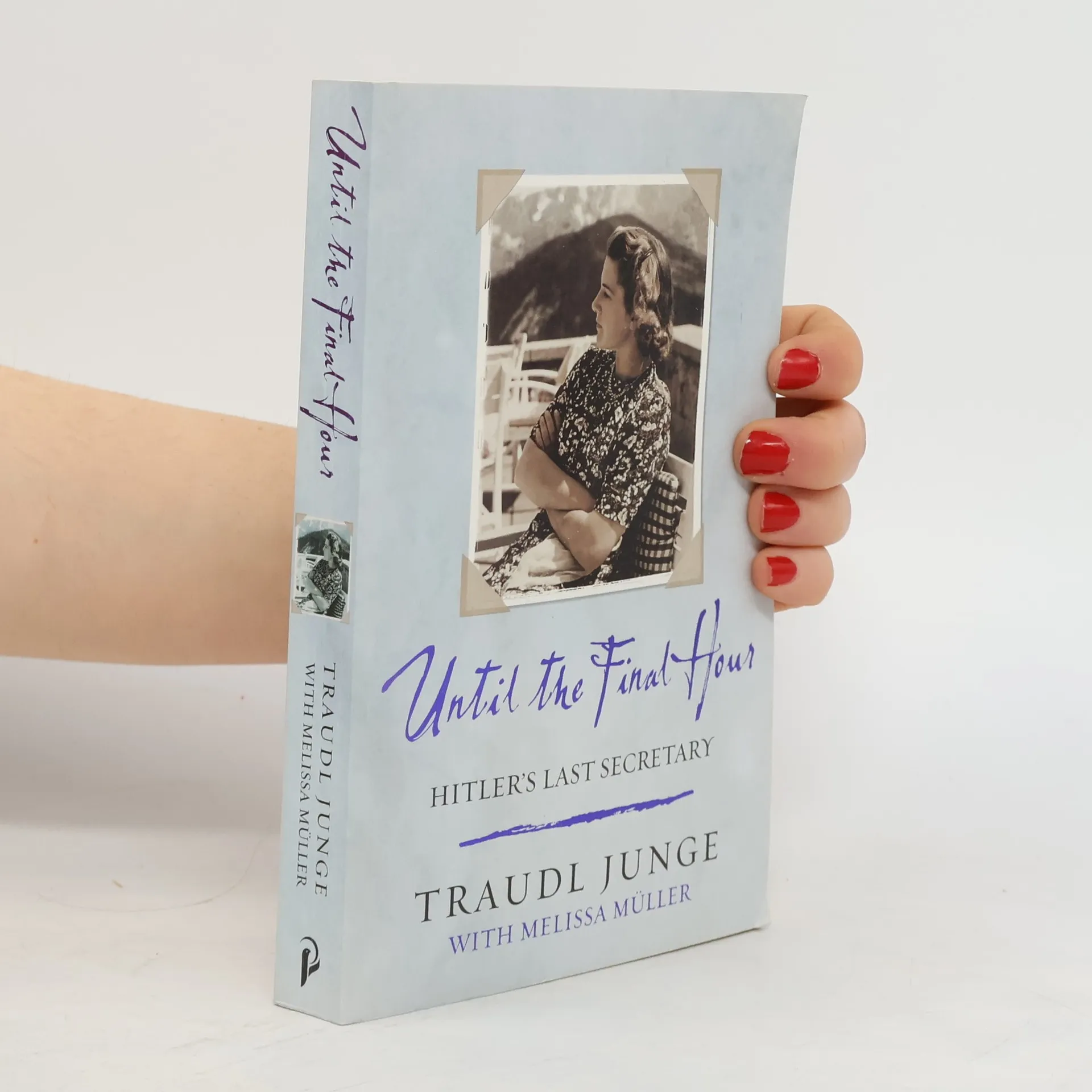
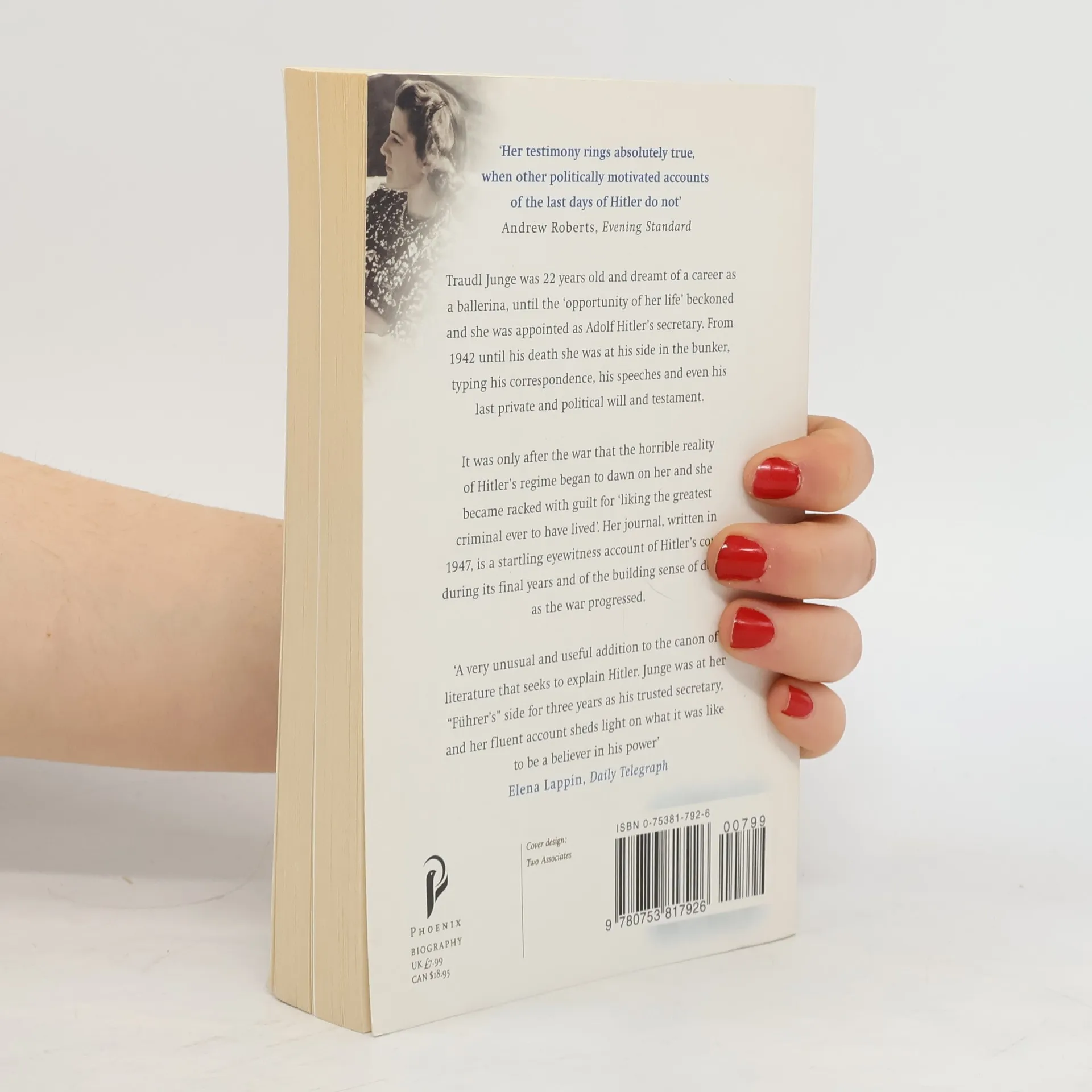
'To have such an uncomplicated, unaffected witness present at some of the key defining moments of the 20th century was fortunate for historians. Frau Junge's book has sold 100,000 copies in Germany and it is easy to see why: her testimony rings absolutely true, when other politically motivated accounts of the last days of Hitler do not' Andrew Roberts, Evening StandardTraudl Junge was 22 years old and dreamt of a career as a ballerina, until the 'opportunity of her life' beckoned and she was appointed as Adolf Hitler's secretary. From 1942 until his death she was at his side in the bunker, typing his correspondence, his speeches and even his last private and political will and testament.It was only after the war that the horrible reality of Hitler's regime began to dawn on her, and she became racked with guilt for 'liking the greatest criminal ever to have lived.' Her journal, written in 1947, is a startling eyewitness account of Hitler's court during its final years, and of the building sense of doom as the war progressed.




Zakup książki
Until the Final Hour, Traudl Junge, Melissa Müller
- Język

- Rok wydania
- 2004
- Oprawa
- (miękka)
Metody płatności
Brakuje nam tutaj Twojej recenzji.
- Tytuł
- Until the Final Hour
- Język
- angielski
- Autorzy
- Traudl Junge, Melissa Müller
- Wydawca
- Phoenix
- Rok wydania
- 2004
- Oprawa
- miękka
- Liczba stron
- 320
- ISBN10
- 0753817926
- ISBN13
- 9780753817926
- Seria
- Kategorie
- Ocena
- 4 z 5
- Opis
- 'To have such an uncomplicated, unaffected witness present at some of the key defining moments of the 20th century was fortunate for historians. Frau Junge's book has sold 100,000 copies in Germany and it is easy to see why: her testimony rings absolutely true, when other politically motivated accounts of the last days of Hitler do not' Andrew Roberts, Evening StandardTraudl Junge was 22 years old and dreamt of a career as a ballerina, until the 'opportunity of her life' beckoned and she was appointed as Adolf Hitler's secretary. From 1942 until his death she was at his side in the bunker, typing his correspondence, his speeches and even his last private and political will and testament.It was only after the war that the horrible reality of Hitler's regime began to dawn on her, and she became racked with guilt for 'liking the greatest criminal ever to have lived.' Her journal, written in 1947, is a startling eyewitness account of Hitler's court during its final years, and of the building sense of doom as the war progressed.