

Więcej o książce
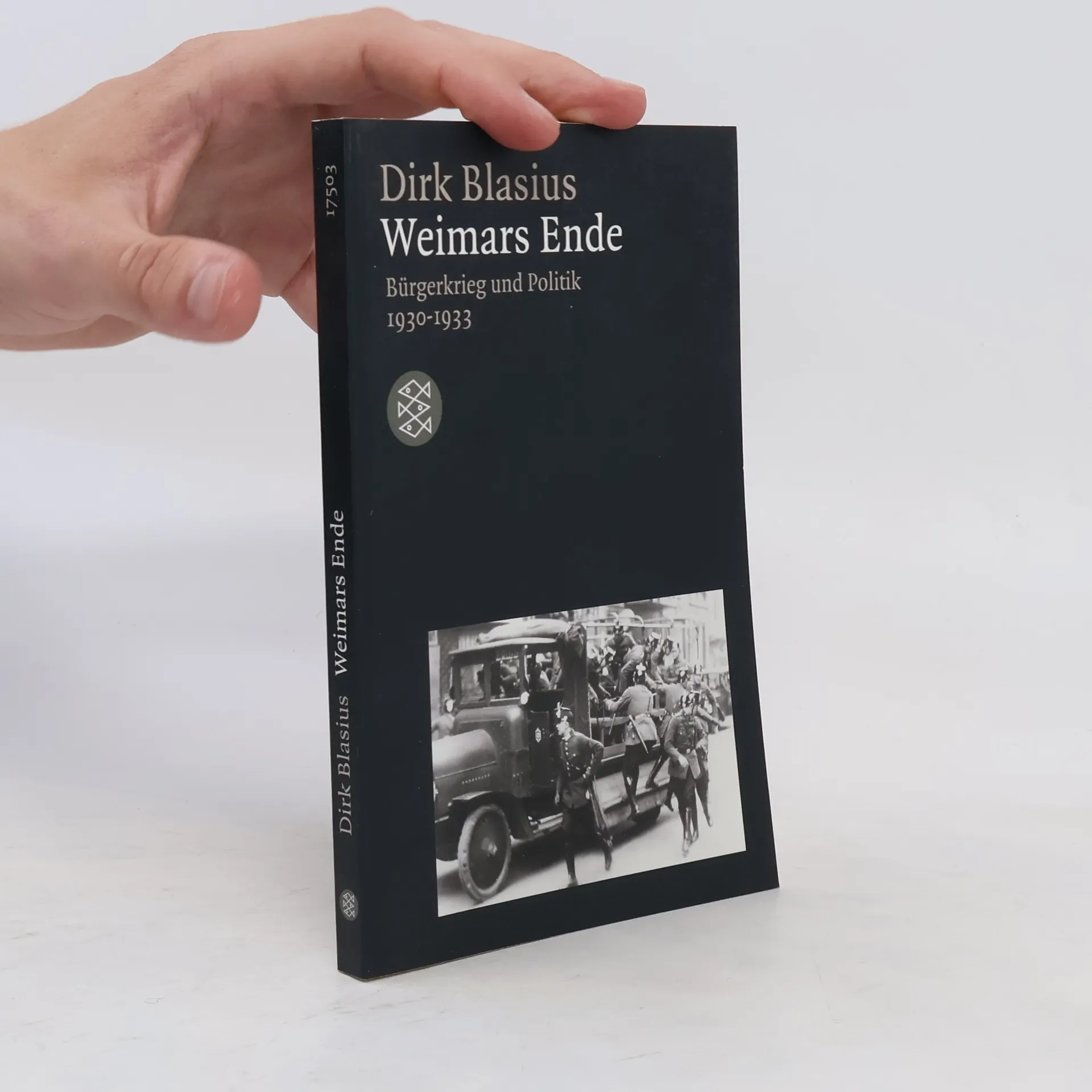
Dirk Blasius examines the link between political violence and state violence from 1930 to 1933, framing the collapse of the Weimar Republic as a civil war. His analysis highlights the interplay between political dynamics and the prevalence of violence during this critical period. Despite the wealth of historical knowledge available, research on late Weimar remains focused on understanding the transitional years that facilitated the rise of the Nazi dictatorship. Blasius, known for his previous work on Carl Schmitt, places civil war at the heart of his exploration. He argues that the disintegration of the Weimar Republic is closely tied to the destabilizing forces affecting the bourgeois order in early 1930s Germany. His interest lies in the power struggles among political factions amidst civil conflict, emphasizing the relationship between political direction and the extent of violence, which he meticulously analyzes through primary sources. This approach reveals that the concept of civil war serves as both an experiential and interpretative framework for contemporaries, ultimately exposing how the Weimar state was undermined from within.


Zakup książki
Weimars Ende, Dirk Blasius
- Język

- Rok wydania
- 2008
- Oprawa
- (miękka)
Metody płatności
Brakuje nam tutaj Twojej recenzji.
- Tytuł
- Weimars Ende
- Język
- niemiecki
- Autorzy
- Dirk Blasius
- Wydawca
- Fischer-Taschenbuch-Verl.
- Rok wydania
- 2008
- Oprawa
- miękka
- Liczba stron
- 188
- ISBN10
- 3596175038
- ISBN13
- 9783596175031
- Seria
- Ocena
- 3,75 z 5
- Opis
- Dirk Blasius examines the link between political violence and state violence from 1930 to 1933, framing the collapse of the Weimar Republic as a civil war. His analysis highlights the interplay between political dynamics and the prevalence of violence during this critical period. Despite the wealth of historical knowledge available, research on late Weimar remains focused on understanding the transitional years that facilitated the rise of the Nazi dictatorship. Blasius, known for his previous work on Carl Schmitt, places civil war at the heart of his exploration. He argues that the disintegration of the Weimar Republic is closely tied to the destabilizing forces affecting the bourgeois order in early 1930s Germany. His interest lies in the power struggles among political factions amidst civil conflict, emphasizing the relationship between political direction and the extent of violence, which he meticulously analyzes through primary sources. This approach reveals that the concept of civil war serves as both an experiential and interpretative framework for contemporaries, ultimately exposing how the Weimar state was undermined from within.