




Więcej o książce
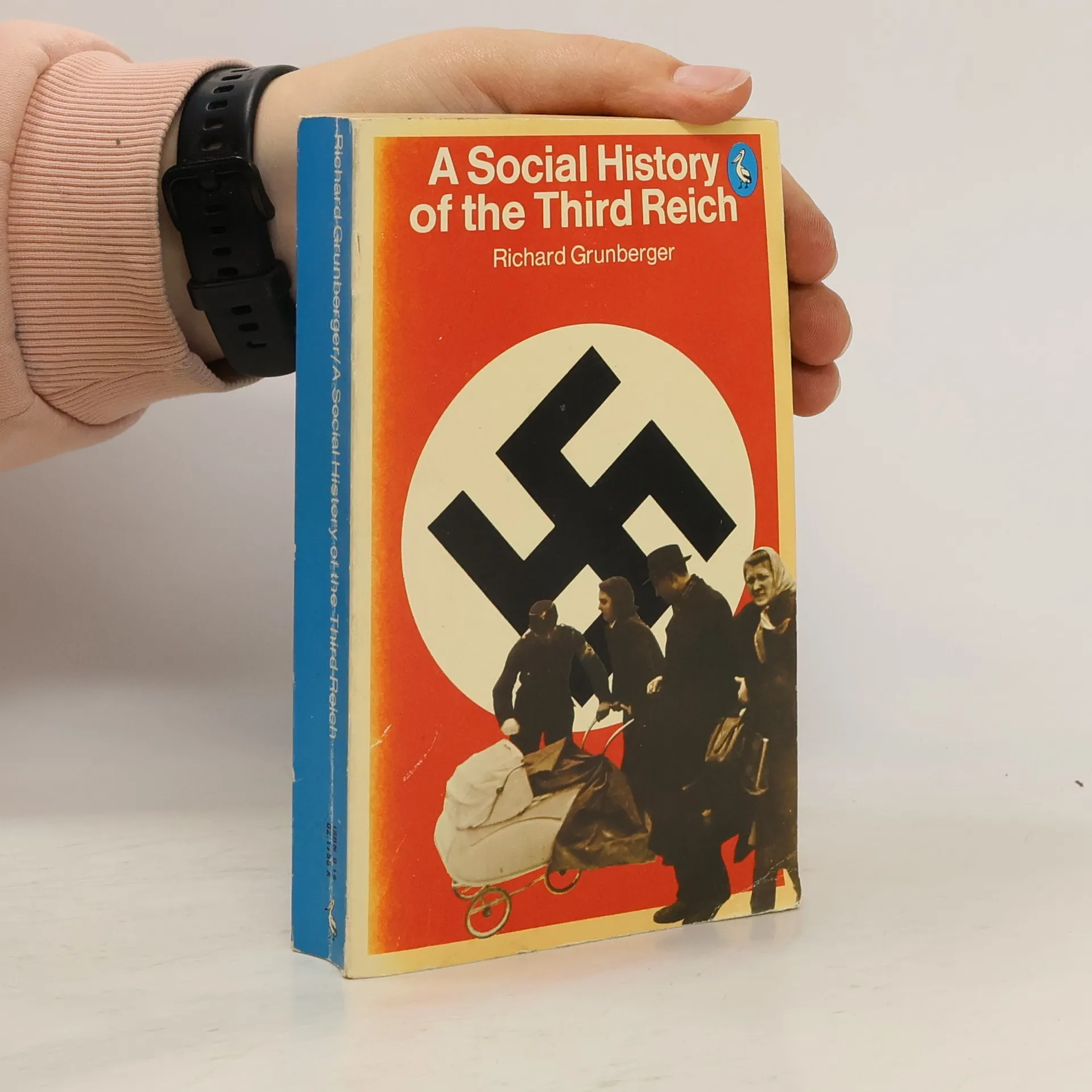
After Hitler came to power in Germany, everything changed, even bread. Corruption was strictly punished, unless it involved party elites. Opponents of the regime were deemed "the refuse of nature." There was a cult of "restoring women's natural dignity." The Party dictated what could be publicly said, whom to buy from, which newspapers to read, what theater to attend, and how to raise children. A Social History of the Third Reich is the only book that comprehensively describes daily life in Nazi Germany. In thirty chapters, each dedicated to a different aspect of life, Richard Grunberger illustrates how the twelve years of the Third Reich impacted education and culture, how old media were destroyed and new ones created, the practicalities of the new family policy, the legal persecution of Jews and homosexuals, and how quickly language and humor changed. This essential reading highlights the thin line between law and lawlessness and how easily a nation can descend into collective madness.

Zakup książki
A Social History of the Third Reich, Richard Grunberger
- Język

- Rok wydania
- 1974
- Oprawa
- (miękka)
Metody płatności
Brakuje nam tutaj Twojej recenzji.
- Tytuł
- A Social History of the Third Reich
- Język
- angielski
- Autorzy
- Richard Grunberger
- Wydawca
- Penguin Books
- Rok wydania
- 1974
- Oprawa
- miękka
- Seria
- Kategorie
- Ocena
- 4,05 z 5
- Opis
- After Hitler came to power in Germany, everything changed, even bread. Corruption was strictly punished, unless it involved party elites. Opponents of the regime were deemed "the refuse of nature." There was a cult of "restoring women's natural dignity." The Party dictated what could be publicly said, whom to buy from, which newspapers to read, what theater to attend, and how to raise children. A Social History of the Third Reich is the only book that comprehensively describes daily life in Nazi Germany. In thirty chapters, each dedicated to a different aspect of life, Richard Grunberger illustrates how the twelve years of the Third Reich impacted education and culture, how old media were destroyed and new ones created, the practicalities of the new family policy, the legal persecution of Jews and homosexuals, and how quickly language and humor changed. This essential reading highlights the thin line between law and lawlessness and how easily a nation can descend into collective madness.