

Więcej o książce
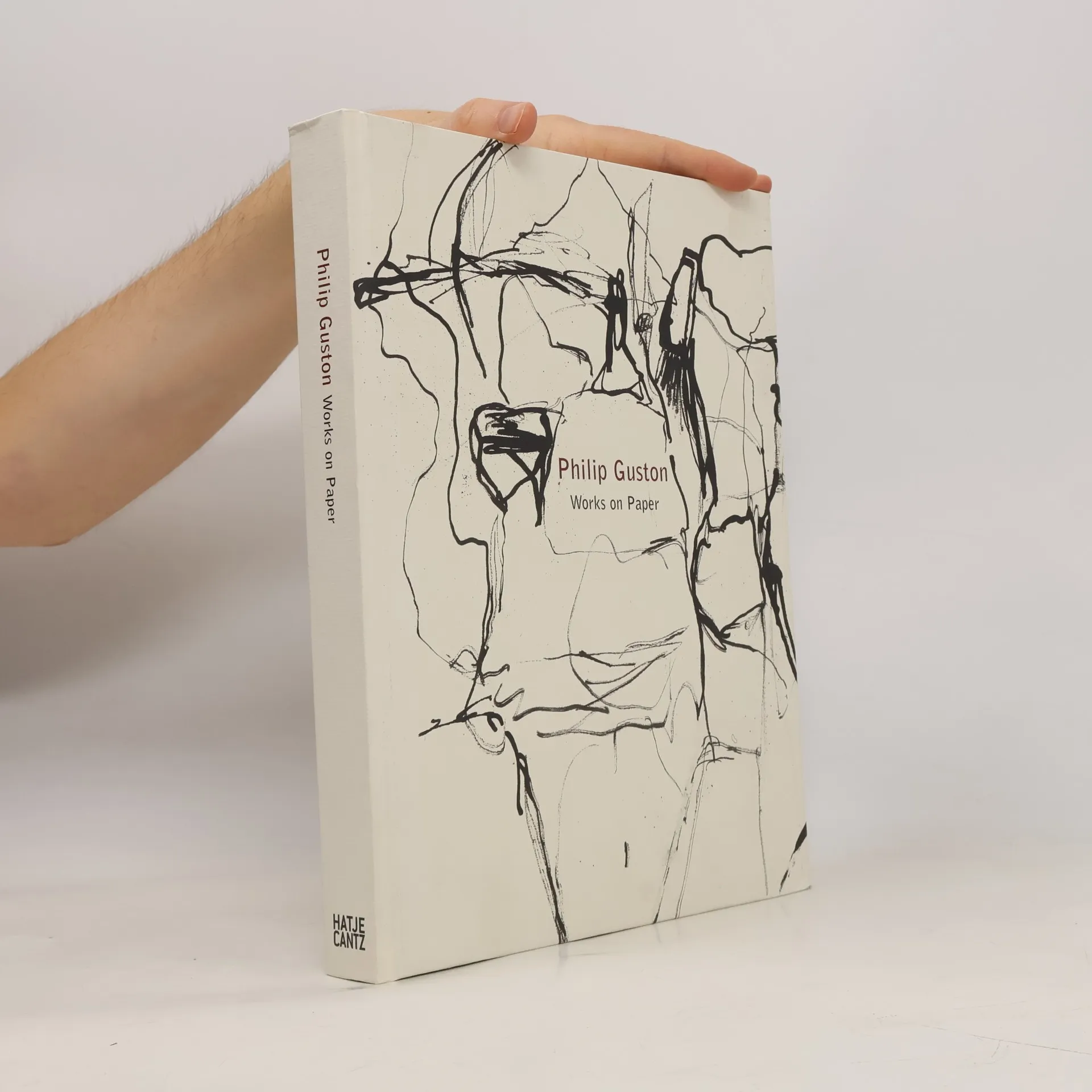
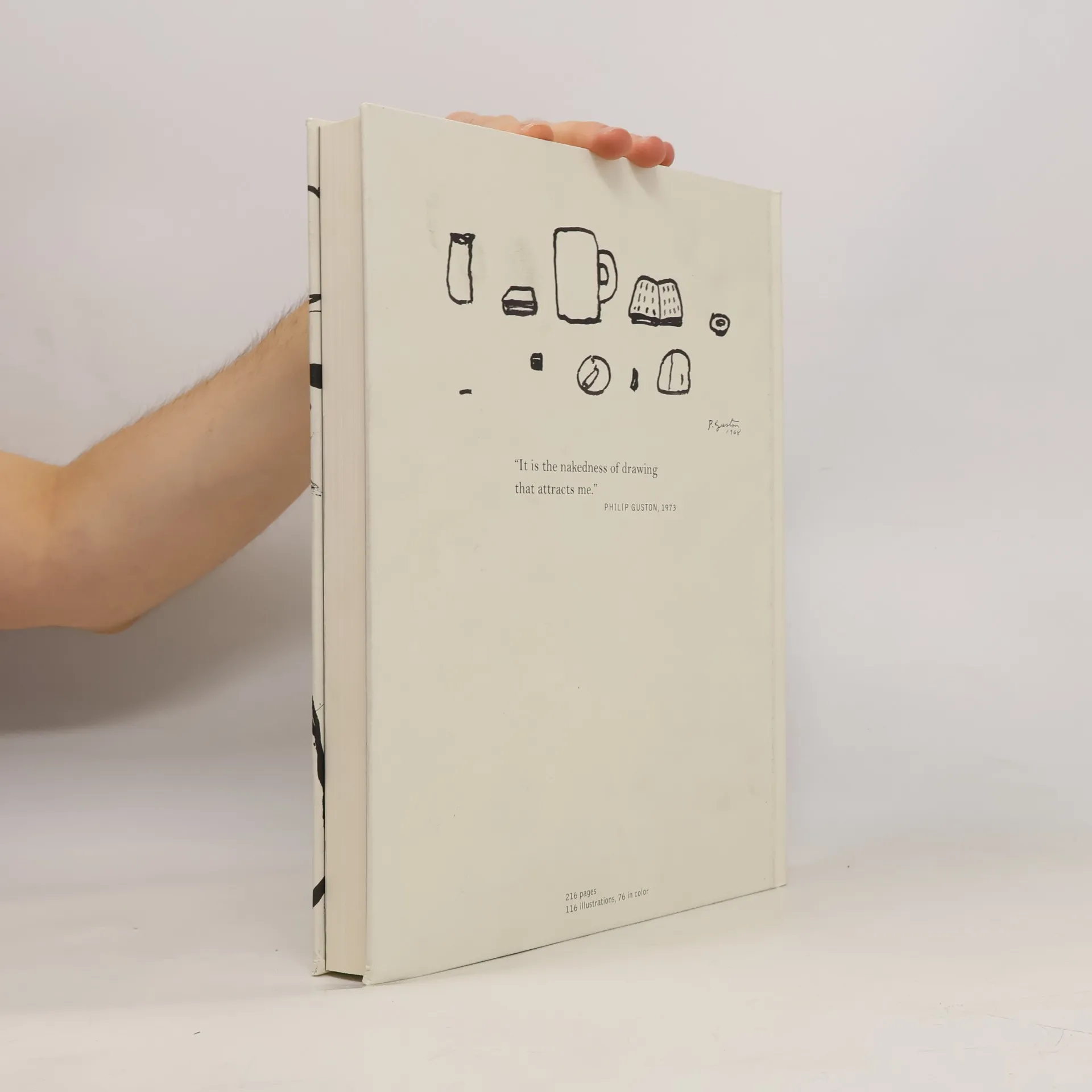
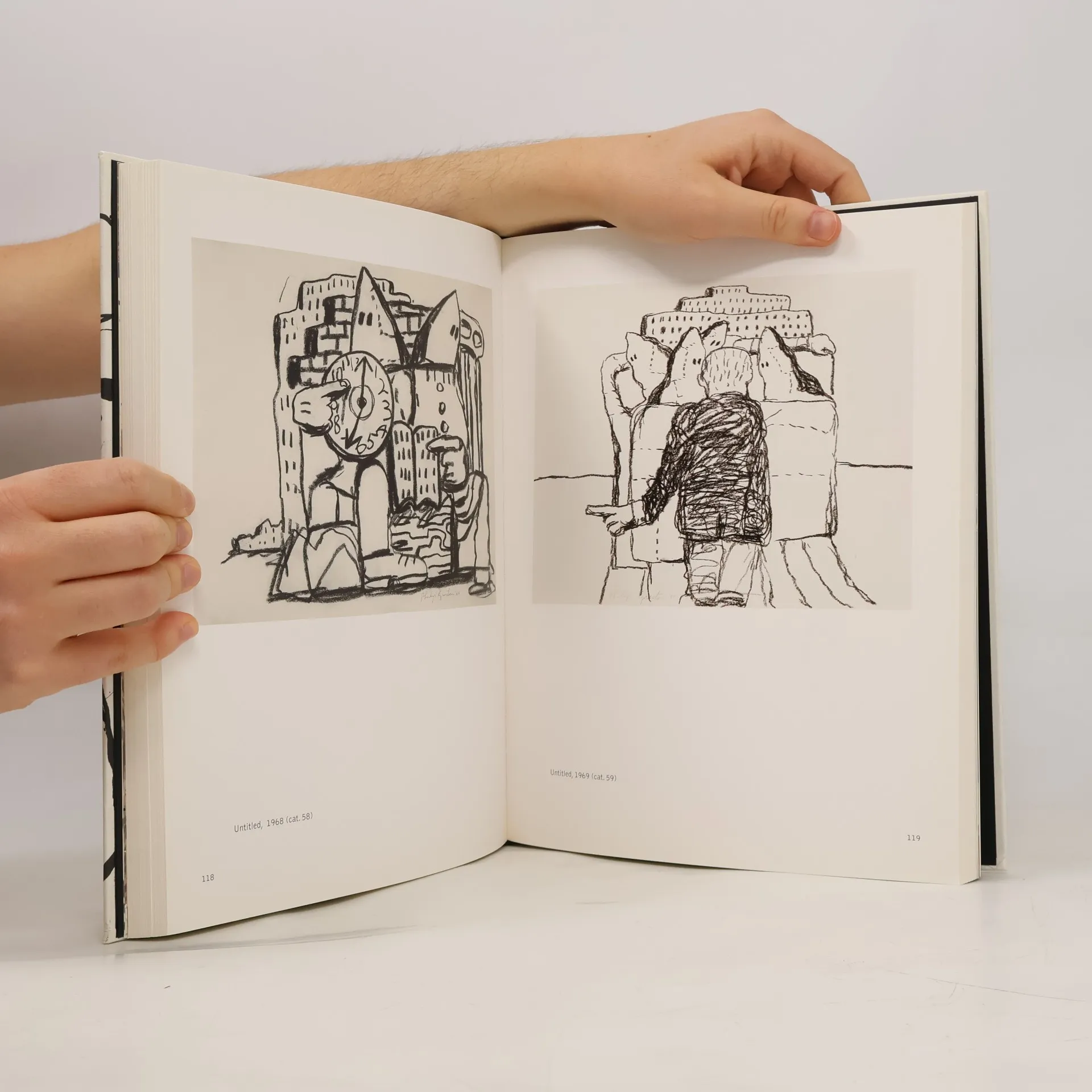
Painter Philip Guston's return to figuration in the late 1960s was plotted and rehearsed in his drawing practice, in which he veered between what he referred to as "pure drawing" (abstract) and figurative drawing (a shoe, a chair, a nail, an open book, a hooded head). As he groped his way into this strange and clunky vocabulary, Guston discovered an incredible world awaiting him, and realized, as he put it, that "I wanted to tell stories!"Guston's drawing was also a vehicle for collaboration--with poets such as Clark Coolidge and Bill Berkson--and for satire--the Poor Richard series. His draftsmanship betrays such early influences as the cartoons of Frink and George Herriman, perhaps instances of the "impure" art that flooded back into his practice after he abandoned abstraction. With a selection of about 100 drawings, mostly from the artist's estate, Philip Works on Paper tracks the evolution of this major American artist's drawing from the 1940s to 1980.

Zakup książki
Philip Guston, Christoph Schreier
- Język

- Rok wydania
- 2007
- Oprawa
- (twarda),
- Stan książki
- Dobry
- Cena
- 321,65 zł
Metody płatności
Brakuje nam tutaj Twojej recenzji.
- Tytuł
- Philip Guston
- Język
- angielski
- Autorzy
- Christoph Schreier
- Wydawca
- Hatje Cantz
- Rok wydania
- 2007
- Oprawa
- twarda
- Liczba stron
- 216
- ISBN10
- 3775719091
- ISBN13
- 9783775719094
- Seria
- Kategorie
- Tagi
- Katalogi wystaw
- Ocena
- 4,3 z 5
- Opis
- Painter Philip Guston's return to figuration in the late 1960s was plotted and rehearsed in his drawing practice, in which he veered between what he referred to as "pure drawing" (abstract) and figurative drawing (a shoe, a chair, a nail, an open book, a hooded head). As he groped his way into this strange and clunky vocabulary, Guston discovered an incredible world awaiting him, and realized, as he put it, that "I wanted to tell stories!"Guston's drawing was also a vehicle for collaboration--with poets such as Clark Coolidge and Bill Berkson--and for satire--the Poor Richard series. His draftsmanship betrays such early influences as the cartoons of Frink and George Herriman, perhaps instances of the "impure" art that flooded back into his practice after he abandoned abstraction. With a selection of about 100 drawings, mostly from the artist's estate, Philip Works on Paper tracks the evolution of this major American artist's drawing from the 1940s to 1980.