



Więcej o książce
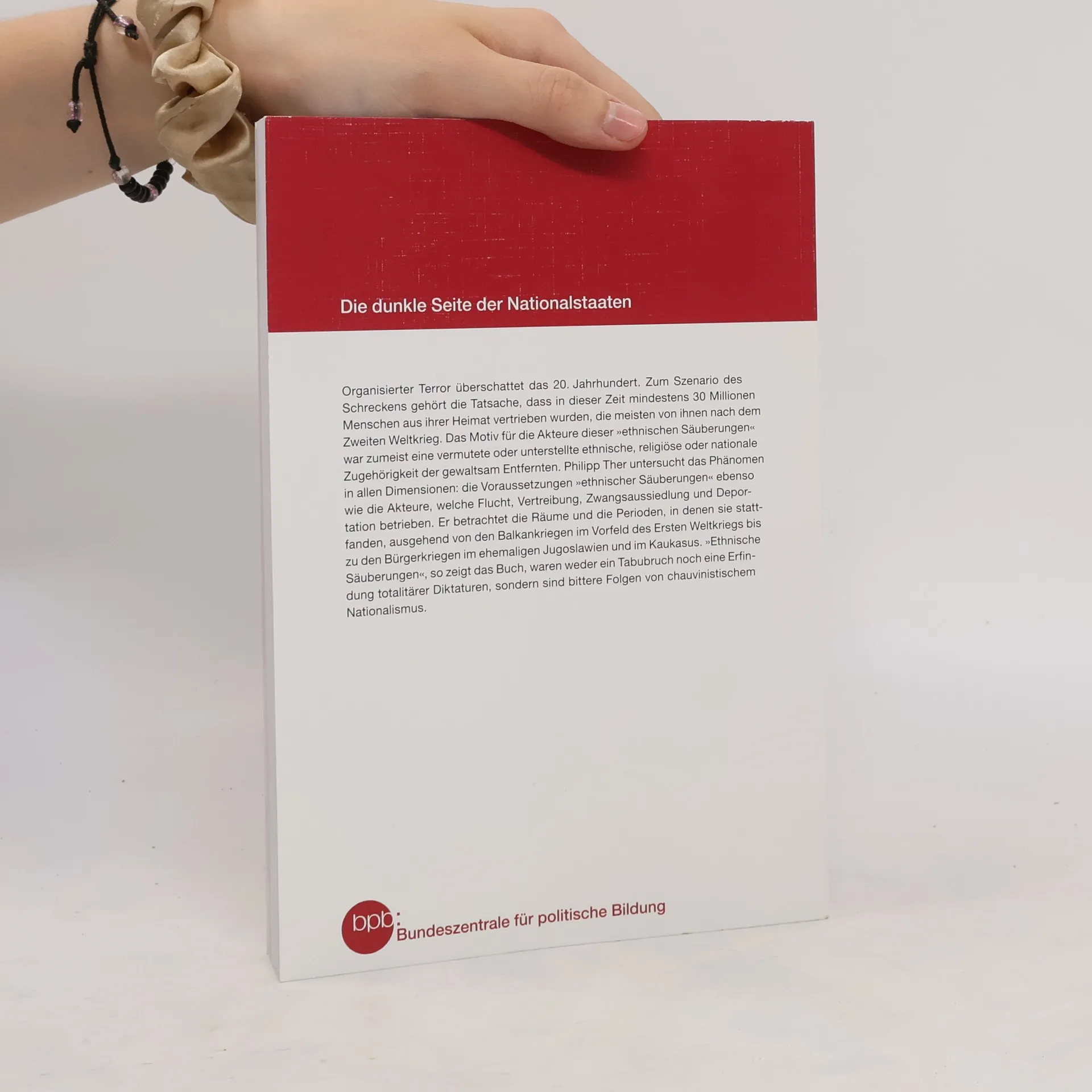
“Ethnic cleansings” are not solely the deeds of dictators, but have also been perpetrated by democratically elected politicians. They are the result of modern nationalism and the creation of sovereign national states in the 19th and 20th centuries. This book provides fundamental insights into one of the darkest chapters of modern Europe. It deals with the prerequisites necessary for »ethnic cleansings« to occur, and with the times and persons responsible for the displacement, forced relocation and deportation of entire peoples. This report is not limited to Eastern Europe, but also highlights the role of the Western powers. The author gives a sweeping look at the Balkan wars just before World War I to the »ethnic cleansings« during and as a result of World War II up to the civil wars in former Yugoslavia and the Caucasus in the 1990s.


Zakup książki
Die dunkle Seite der Nationalstaaten, Philipp Ther
- Język

- Rok wydania
- 2012
Metody płatności
Brakuje nam tutaj Twojej recenzji.
- Tytuł
- Die dunkle Seite der Nationalstaaten
- Język
- niemiecki
- Autorzy
- Philipp Ther
- Wydawca
- bpb
- Rok wydania
- 2012
- Liczba stron
- 304
- ISBN10
- 3838903250
- ISBN13
- 9783838903255
- Seria
- Kategorie
- Tagi
- Tematy historyczne, Fikcja wojenna, Morderstwa, Wojny, XX wiek, II Wojna Światowa, I Wojna Światowa, Wygnanie
- Ocena
- 3,65 z 5
- Opis
- “Ethnic cleansings” are not solely the deeds of dictators, but have also been perpetrated by democratically elected politicians. They are the result of modern nationalism and the creation of sovereign national states in the 19th and 20th centuries. This book provides fundamental insights into one of the darkest chapters of modern Europe. It deals with the prerequisites necessary for »ethnic cleansings« to occur, and with the times and persons responsible for the displacement, forced relocation and deportation of entire peoples. This report is not limited to Eastern Europe, but also highlights the role of the Western powers. The author gives a sweeping look at the Balkan wars just before World War I to the »ethnic cleansings« during and as a result of World War II up to the civil wars in former Yugoslavia and the Caucasus in the 1990s.