

Więcej o książce
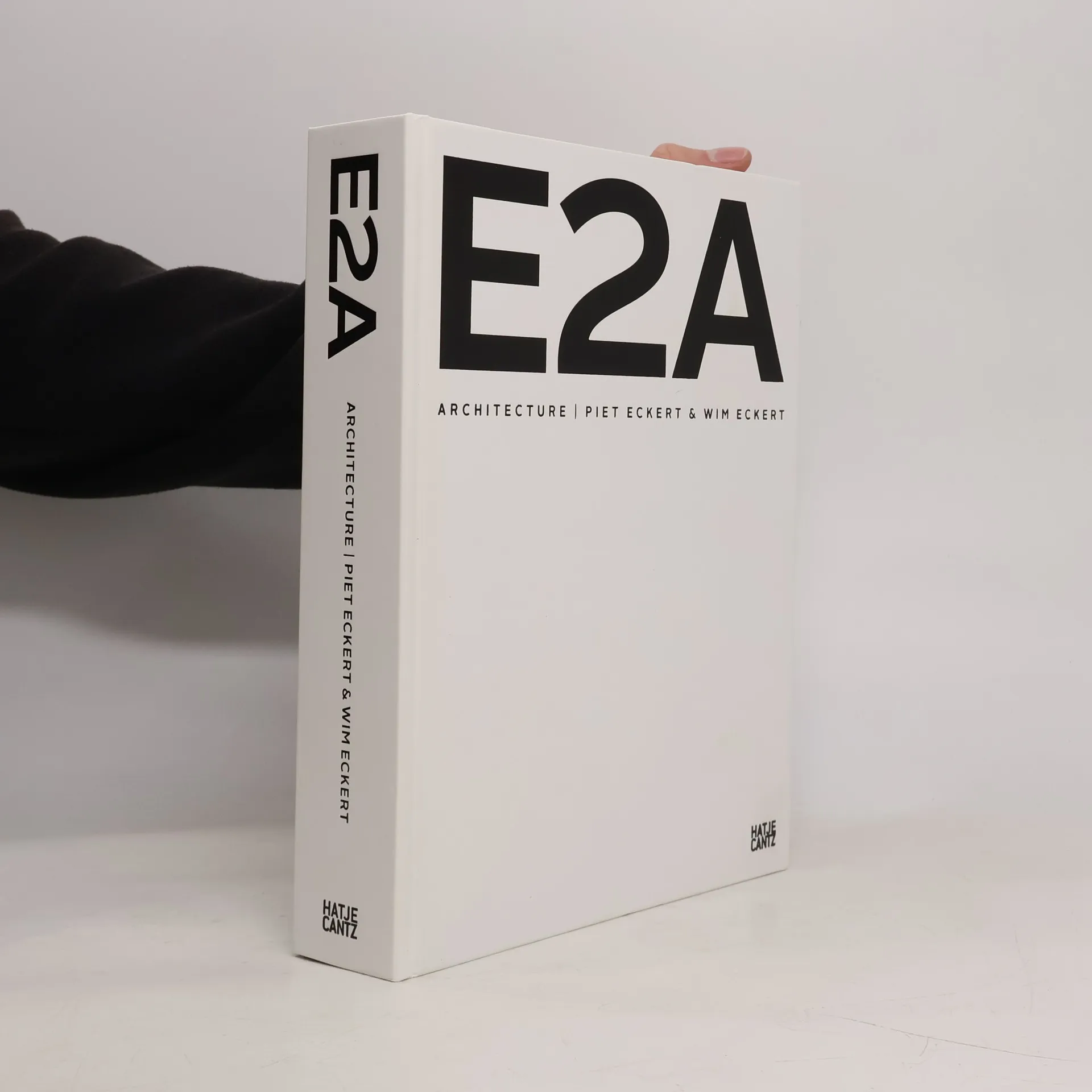
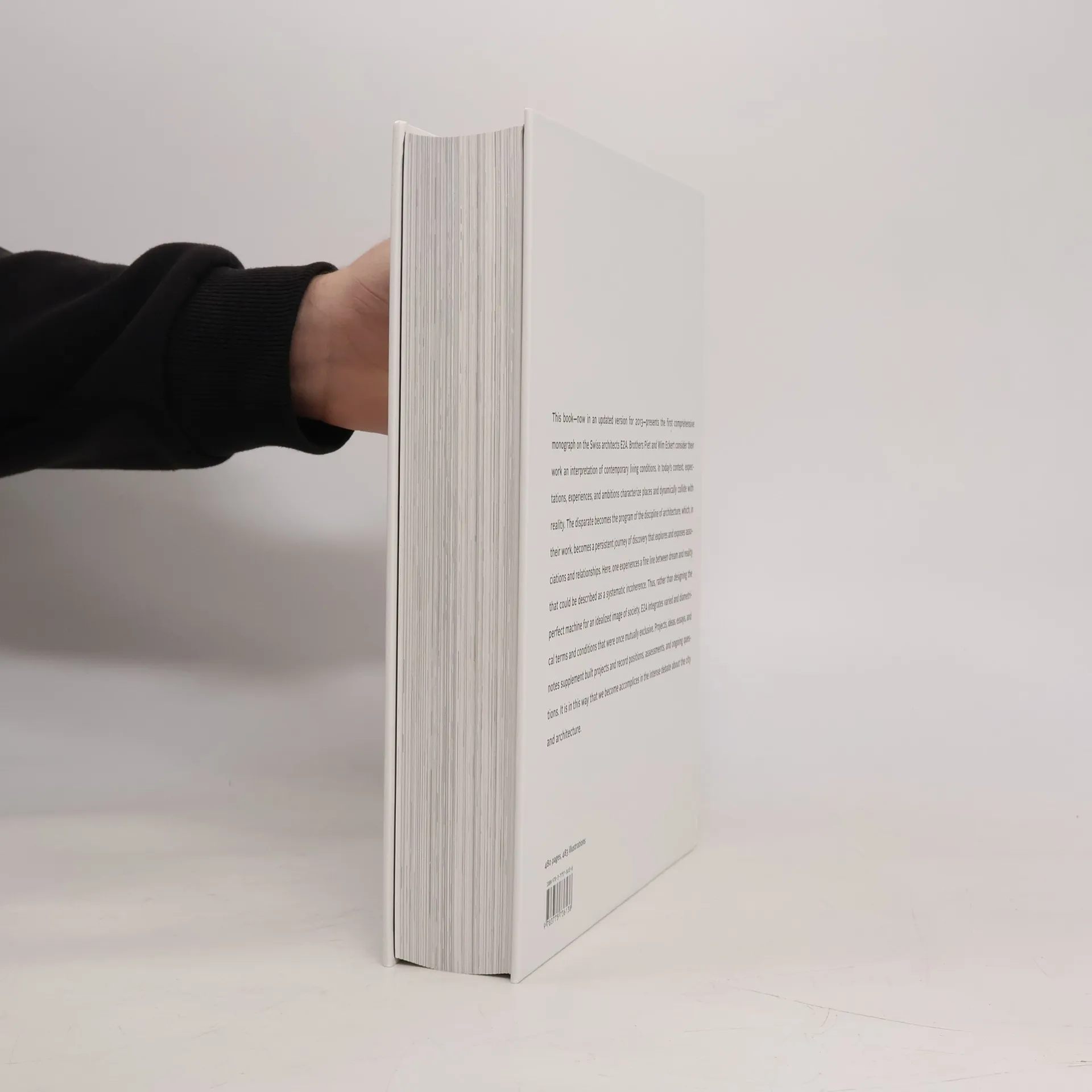
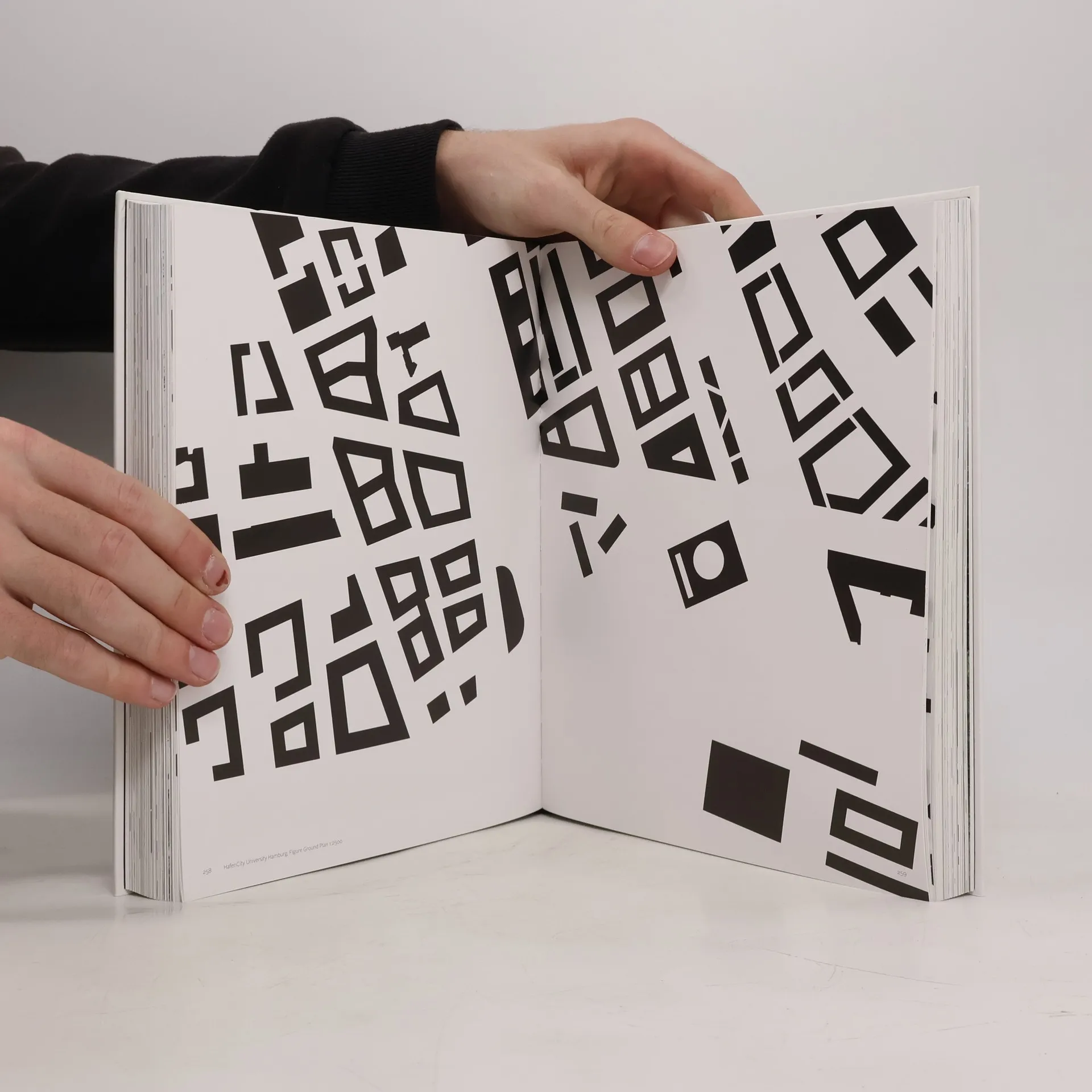
This revised and updated edition is a comprehensive monograph on the Swiss architects E2A. Brothers Piet and Wim Eckert see their work as an interpretation of contemporary living conditions. In today’s context, expectations, experiences, and ambitions characterize places and clash with reality. The incompatible becomes the platform of the discipline of architecture, and in the work by the two architects it becomes a prolonged journey of discovery during which associations and relationships are explored and exposed. Here, one experiences a fine line between dream and reality that could be described as systematic incoherence. Thus, rather than designing the perfect machine for an idealized image of society, E2A integrate different and diametrically opposed conditions that were once mutually exclusive. Projects, ideas, essays, and notes supplement building projects and record positions, assessments, and ongoing questions. In this way the reader becomes a witness to an intense debate on the city and its architecture.


Zakup książki
E2A Architecture, Piet Eckert, Wim Eckert, Michèle Bianchi, Tibor Joanelly, Niklas Maak, Via Lewandowsky, Martino Stierli, Frank Weinert
- Język

- Rok wydania
- 2013
- Oprawa
- (twarda)
Metody płatności
Brakuje nam tutaj Twojej recenzji.
- Tytuł
- E2A Architecture
- Język
- angielski
- Autorzy
- Piet Eckert, Wim Eckert, Michèle Bianchi, Tibor Joanelly, Niklas Maak, Via Lewandowsky, Martino Stierli, Frank Weinert
- Wydawca
- Hatje Cantz
- Rok wydania
- 2013
- Oprawa
- twarda
- Liczba stron
- 480
- ISBN10
- 3775736131
- ISBN13
- 9783775736138
- Seria
- Tagi
- Architektura
- Ocena
- 4,5 z 5
- Opis
- This revised and updated edition is a comprehensive monograph on the Swiss architects E2A. Brothers Piet and Wim Eckert see their work as an interpretation of contemporary living conditions. In today’s context, expectations, experiences, and ambitions characterize places and clash with reality. The incompatible becomes the platform of the discipline of architecture, and in the work by the two architects it becomes a prolonged journey of discovery during which associations and relationships are explored and exposed. Here, one experiences a fine line between dream and reality that could be described as systematic incoherence. Thus, rather than designing the perfect machine for an idealized image of society, E2A integrate different and diametrically opposed conditions that were once mutually exclusive. Projects, ideas, essays, and notes supplement building projects and record positions, assessments, and ongoing questions. In this way the reader becomes a witness to an intense debate on the city and its architecture.