


Więcej o książce
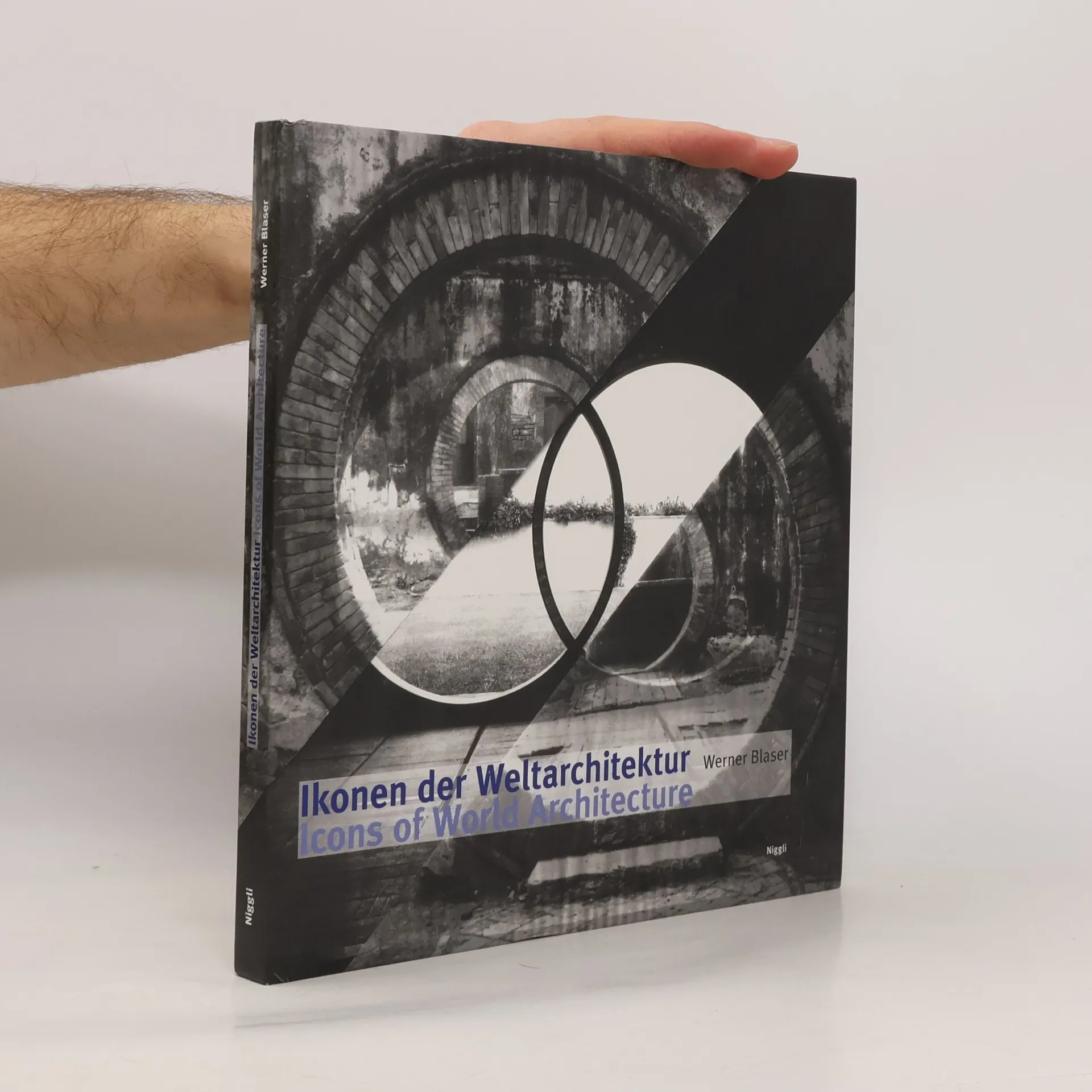
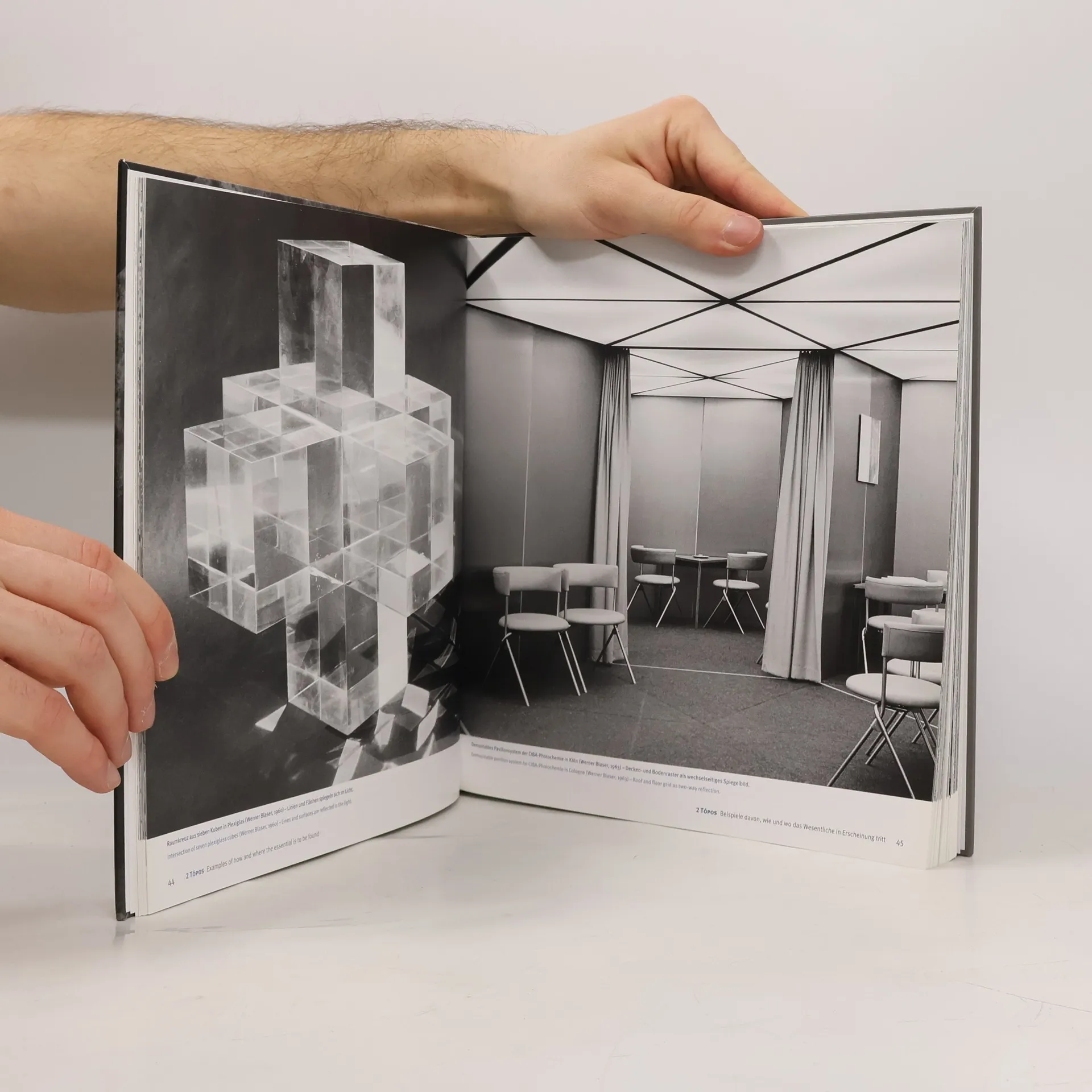
The question "What constitutes good architecture?" has long intrigued Werner Blaser, who embarks on a quest to find an answer in this comprehensive work. By analyzing notable buildings, he reveals various aspects and interconnections that define architectural quality. Utilizing photographs from his extensive archive, Blaser enhances his insights with brief explanatory texts, illustrating the fundamental principles of architecture and perception. He explores the relationship between the Finnish landscape and Alvar Aalto's works, highlights natural principles in Santiago Calatrava's architecture, and examines Renzo Piano's use of light. The book also addresses the influence of local construction traditions and regional materials in the designs of Jørn Utzon, Frank Lloyd Wright, and traditional Chinese and Indian architecture. Juxtaposed photographs of Mies van der Rohe, Norman Foster, and Helmut Jahn with Blaser's own projects showcase the continuity of time-honored construction principles. The final chapter delves into the relationship between archetype and image, as well as the significance of silence in construction. Blaser's encounters with architectural giants like Aalto and Mies van der Rohe have shaped his understanding, leading him to identify fundamental similarities between Western classical Modernism and traditional architecture from the Middle East and Asia.


Zakup książki
Icons of World Architecture, Werner Blaser
- Język

- Rok wydania
- 2012
- Oprawa
- (inna)
Metody płatności
Nikt jeszcze nie ocenił.
- Tytuł
- Icons of World Architecture
- Język
- angielski
- Autorzy
- Werner Blaser
- Wydawca
- Niggli
- Rok wydania
- 2012
- Oprawa
- inna
- Liczba stron
- 176
- ISBN10
- 7212079723
- ISBN13
- 9787212079727
- Seria
- Tagi
- Architektura
- Opis
- The question "What constitutes good architecture?" has long intrigued Werner Blaser, who embarks on a quest to find an answer in this comprehensive work. By analyzing notable buildings, he reveals various aspects and interconnections that define architectural quality. Utilizing photographs from his extensive archive, Blaser enhances his insights with brief explanatory texts, illustrating the fundamental principles of architecture and perception. He explores the relationship between the Finnish landscape and Alvar Aalto's works, highlights natural principles in Santiago Calatrava's architecture, and examines Renzo Piano's use of light. The book also addresses the influence of local construction traditions and regional materials in the designs of Jørn Utzon, Frank Lloyd Wright, and traditional Chinese and Indian architecture. Juxtaposed photographs of Mies van der Rohe, Norman Foster, and Helmut Jahn with Blaser's own projects showcase the continuity of time-honored construction principles. The final chapter delves into the relationship between archetype and image, as well as the significance of silence in construction. Blaser's encounters with architectural giants like Aalto and Mies van der Rohe have shaped his understanding, leading him to identify fundamental similarities between Western classical Modernism and traditional architecture from the Middle East and Asia.