



Więcej o książce
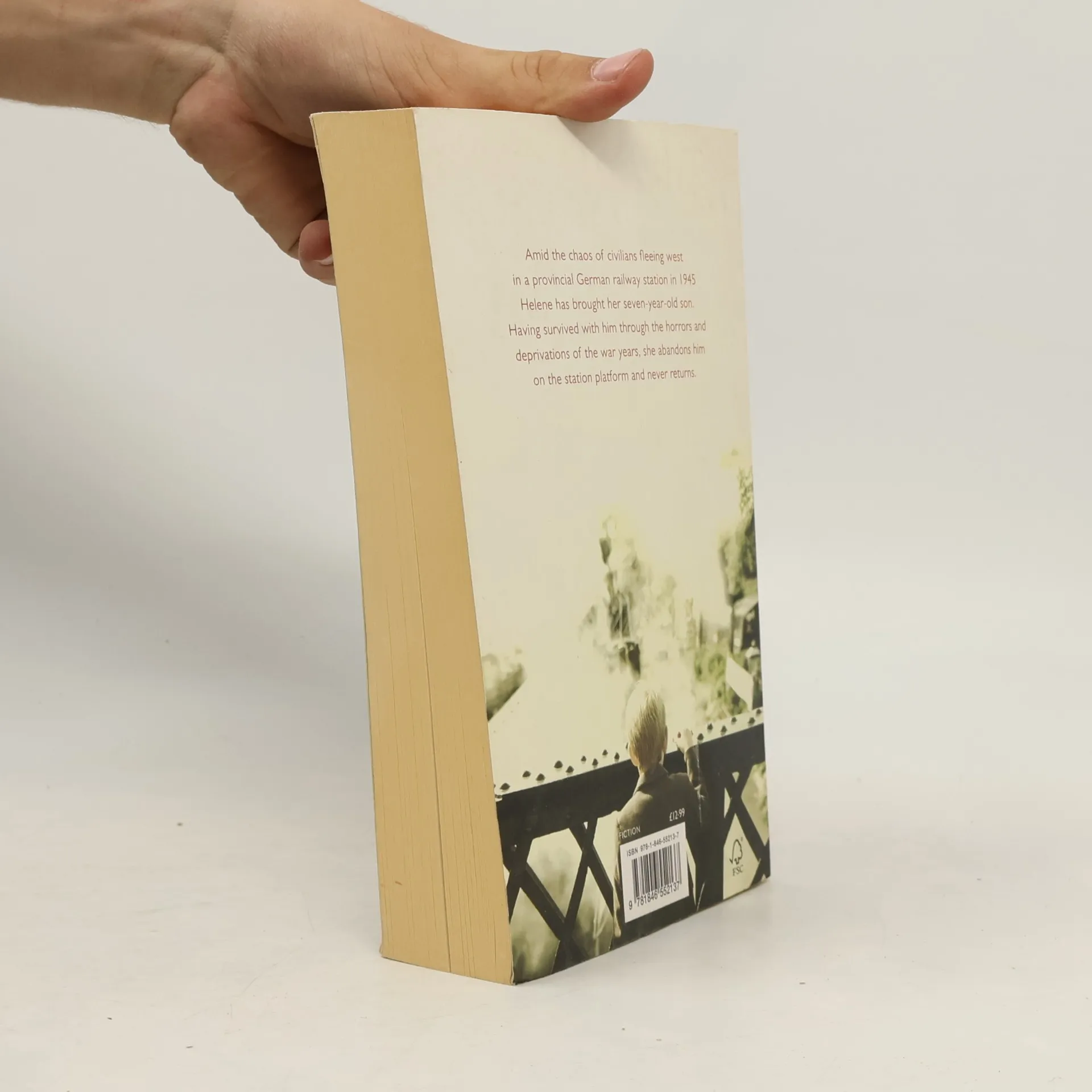
Winner of the German Book Prize, this dark marvel of a novel by a fresh young voice tells a family story across two world wars and generations in Germany. The narrative opens in 1945, where Helene stands at a railway station with her seven-year-old son amid the chaos of civilians fleeing west. After enduring the horrors of war, she abandons him on the platform and never returns. The story then shifts to Helene’s childhood with her sister Martha in rural Germany, abruptly disrupted by the First World War. Their father is sent to the eastern front, and their Jewish mother retreats into mental confusion. In the early 1920s, after their father's death, Helene and Martha move to Berlin. Helene falls in love with philosophy student Carl, but his death before their engagement leaves her life feeling meaningless, leading her to find solace in her work as a nurse. At a party, she meets an ambitious civil engineer who wants to build motorways for the Reich and marry her. Their disastrous marriage produces a son, but Helene struggles to provide the love he needs. This unforgettable debut sheds light on early-twentieth-century Germany, revealing the citizens' denial—the “blindness of the heart” that survival demanded—while inviting readers to reflect on the historical context of the unfolding events.




Zakup książki
The Blind Side of the Heart, Julia Franck
- Język

- Rok wydania
- 2009
- Oprawa
- (miękka),
- Stan książki
- Dobry
- Cena
- 10,50 zł
Metody płatności
Brakuje nam tutaj Twojej recenzji.
- Tytuł
- The Blind Side of the Heart
- Język
- angielski
- Autorzy
- Julia Franck
- Wydawca
- Harvill Secker
- Rok wydania
- 2009
- Oprawa
- miękka
- Liczba stron
- 432
- ISBN10
- 1846552133
- ISBN13
- 9781846552137
- Seria
- Kategorie
- Tagi
- Tematy historyczne, Miłość, Rodzina, Literatura niemiecka, Niemcy, Fikcja wojenna, Wojny, II Wojna Światowa, Berlin, Żydzi, Ucieczka, Nadzieja, Dzieciństwo, NRD, Samotność, Trzeci Rzesza (1933-1945), Okres powojenny, Służby specjalne, Faszyzm, Wojna Światowa, Niemcy, Stasi (tajna policja i wywiad NRD), Obóz, Matki i synowie
- Pierwsze wydanie
- 2007
- Oryginalna nazwa
- Die Mittagsfrau
- Ocena
- 3,65 z 5
- Opis
- Winner of the German Book Prize, this dark marvel of a novel by a fresh young voice tells a family story across two world wars and generations in Germany. The narrative opens in 1945, where Helene stands at a railway station with her seven-year-old son amid the chaos of civilians fleeing west. After enduring the horrors of war, she abandons him on the platform and never returns. The story then shifts to Helene’s childhood with her sister Martha in rural Germany, abruptly disrupted by the First World War. Their father is sent to the eastern front, and their Jewish mother retreats into mental confusion. In the early 1920s, after their father's death, Helene and Martha move to Berlin. Helene falls in love with philosophy student Carl, but his death before their engagement leaves her life feeling meaningless, leading her to find solace in her work as a nurse. At a party, she meets an ambitious civil engineer who wants to build motorways for the Reich and marry her. Their disastrous marriage produces a son, but Helene struggles to provide the love he needs. This unforgettable debut sheds light on early-twentieth-century Germany, revealing the citizens' denial—the “blindness of the heart” that survival demanded—while inviting readers to reflect on the historical context of the unfolding events.