

Więcej o książce
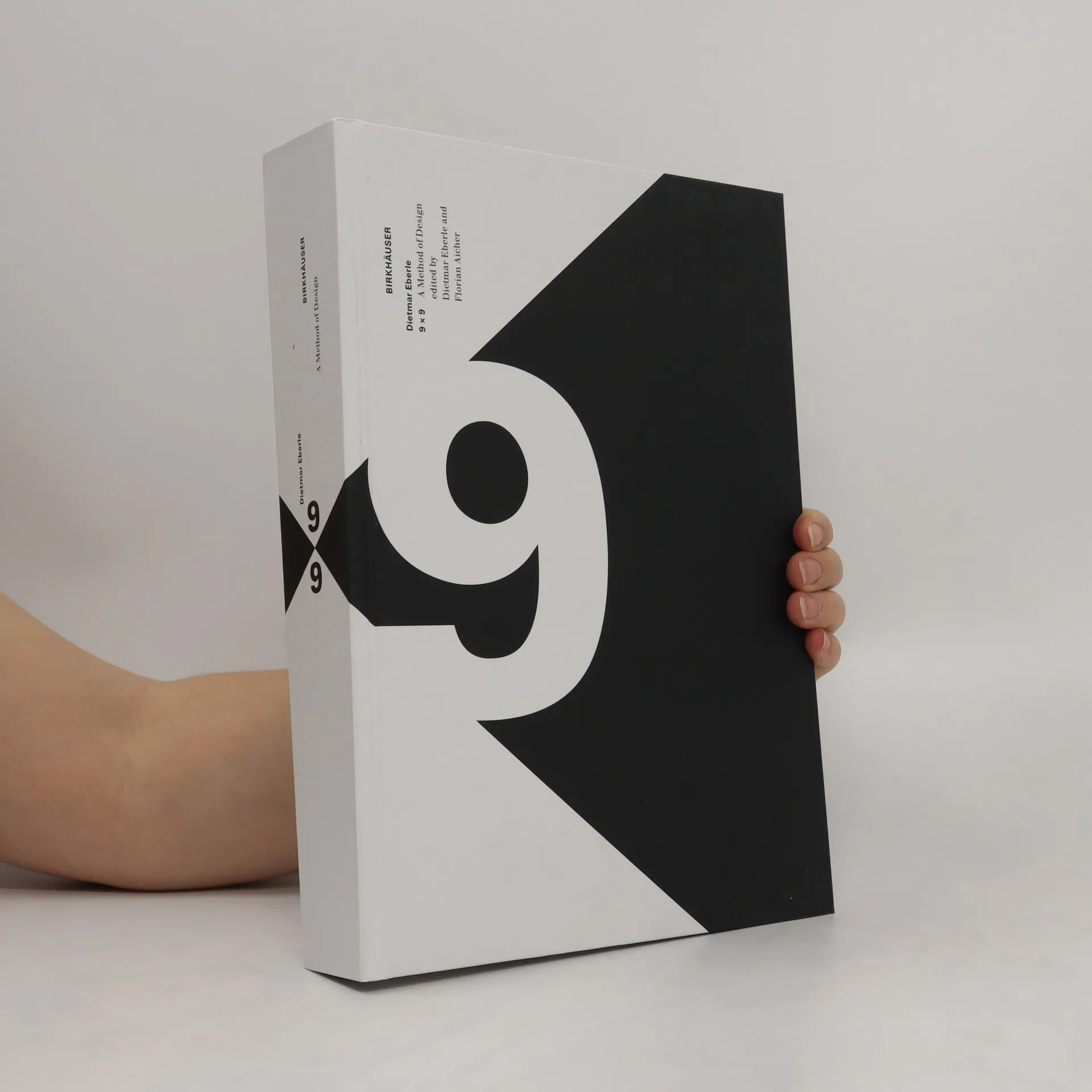
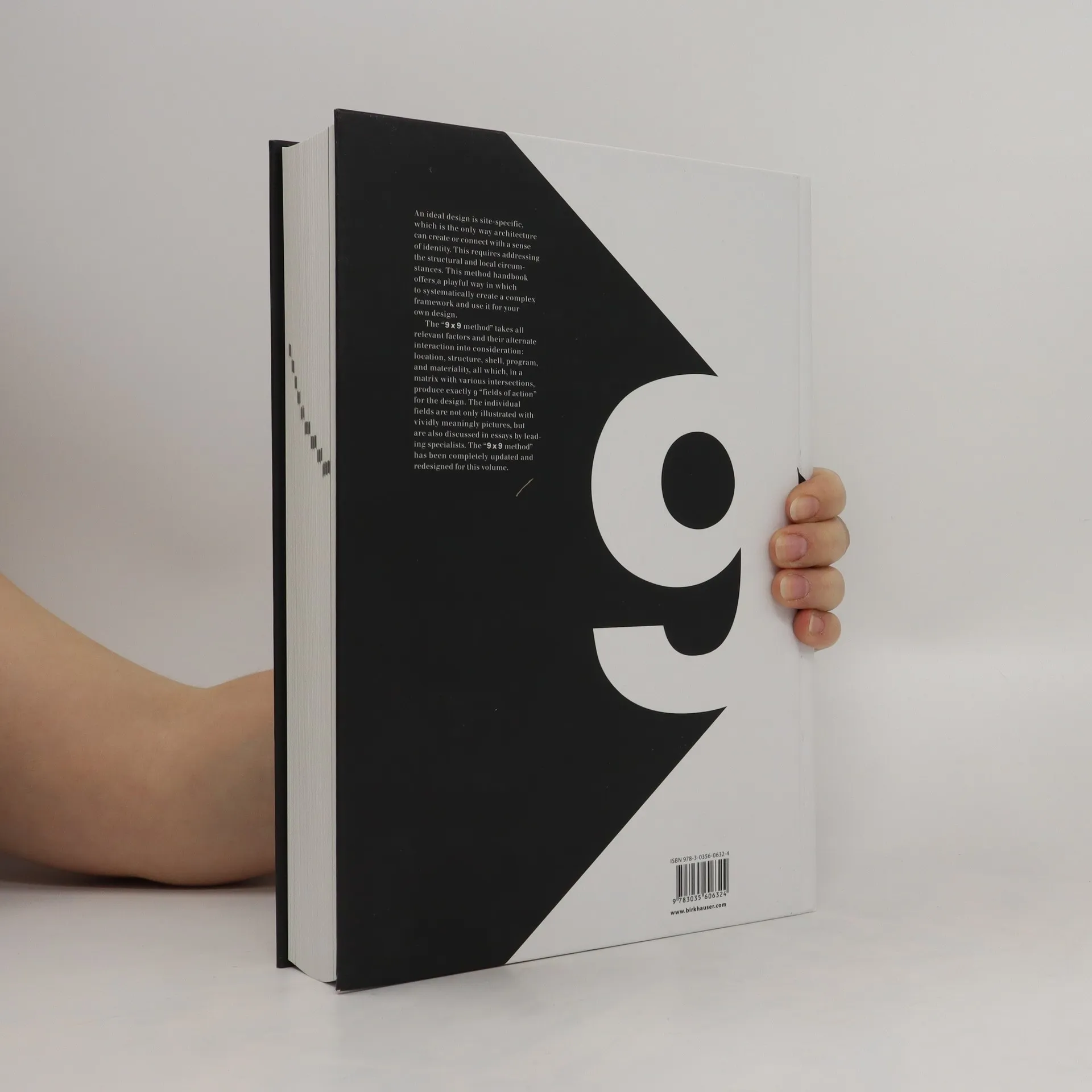
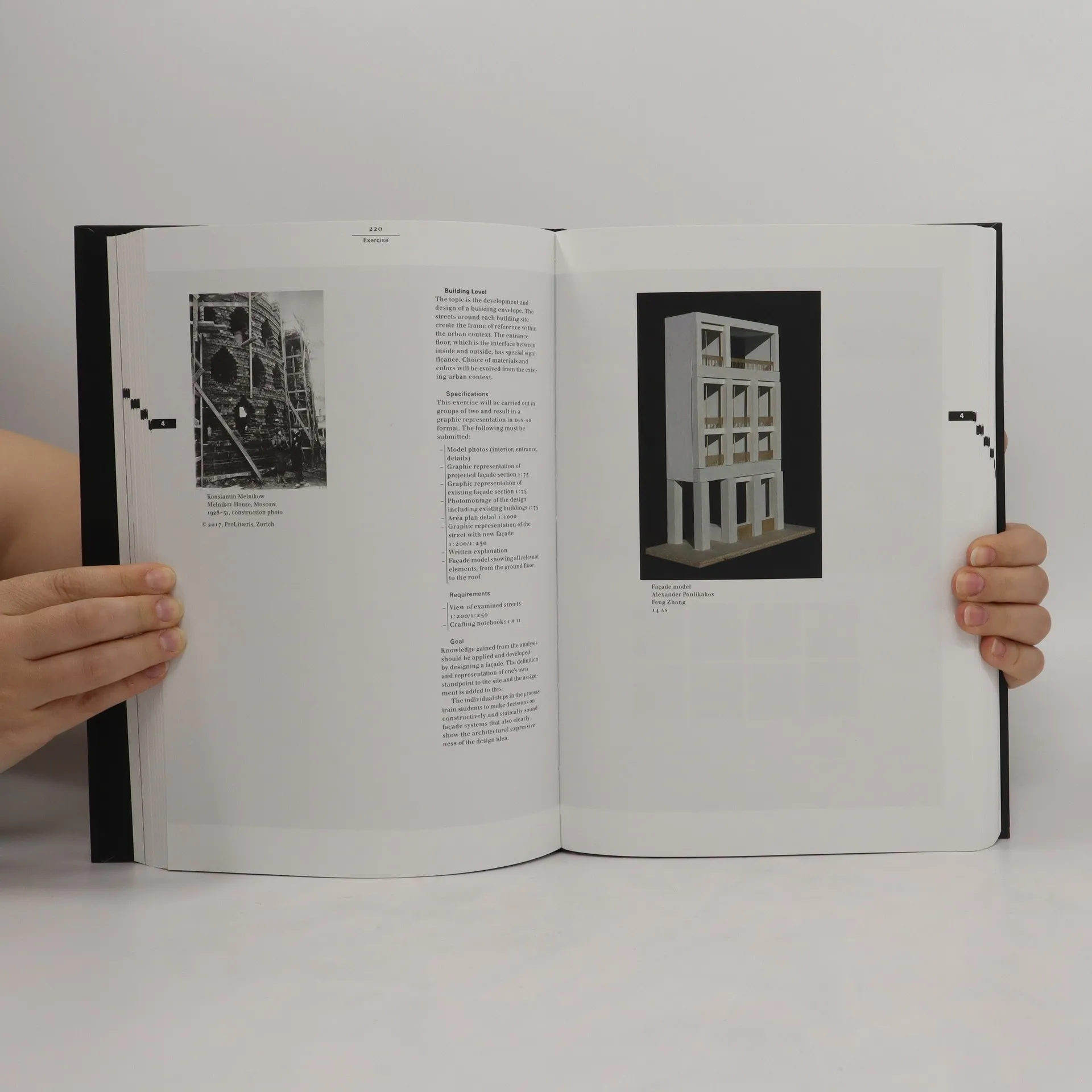
An ideal design is site-specific, which is the only way architecture can create or connect with a specific sense of identity. This requires addressing the structural and local circumstances. This method handbook offers a playful way in which to systematically ascertain a complex framework and use it for your own design. The „9 x 9 method“ takes all relevant factors and their alternate interaction into consideration: location, structure, shell, program, and materiality, all which, in a matrix with various intersections, produce exactly 9 „fields of action“ for the design. The individual „fields“ are not only illustrated visually with meaningful and eidetic pictures, but are also discussed in texts by leading specialists. For this book, the „9 x 9 method“ was completely re-worked and redesigned. Authors: Florian Aicher, Jia Beisi, Adam Caruso, Dietmar Eberle, Franziska Hauser, Vittorio Magnago Lampugnani, Michele Lanza, Arno Lederer, Silvain Malfroy, Adrian Meyer, Marcello Nasso, Fritz Neumeyer, András Pálffy, Miroslav Šik, Laurent Stalder, Eberhard Tröger.

Zakup książki
9 x 9 - a method of design, Dietmar Eberle
- Język

- Rok wydania
- 2018
- Oprawa
- (twarda)
Metody płatności
Brakuje nam tutaj Twojej recenzji.
- Tytuł
- 9 x 9 - a method of design
- Język
- angielski
- Autorzy
- Dietmar Eberle
- Wydawca
- Birkhäuser Verlag GmbH
- Rok wydania
- 2018
- Oprawa
- twarda
- Liczba stron
- 544
- ISBN10
- 3035606323
- ISBN13
- 9783035606324
- Seria
- Tagi
- Architektura
- Ocena
- 4 z 5
- Opis
- An ideal design is site-specific, which is the only way architecture can create or connect with a specific sense of identity. This requires addressing the structural and local circumstances. This method handbook offers a playful way in which to systematically ascertain a complex framework and use it for your own design. The „9 x 9 method“ takes all relevant factors and their alternate interaction into consideration: location, structure, shell, program, and materiality, all which, in a matrix with various intersections, produce exactly 9 „fields of action“ for the design. The individual „fields“ are not only illustrated visually with meaningful and eidetic pictures, but are also discussed in texts by leading specialists. For this book, the „9 x 9 method“ was completely re-worked and redesigned. Authors: Florian Aicher, Jia Beisi, Adam Caruso, Dietmar Eberle, Franziska Hauser, Vittorio Magnago Lampugnani, Michele Lanza, Arno Lederer, Silvain Malfroy, Adrian Meyer, Marcello Nasso, Fritz Neumeyer, András Pálffy, Miroslav Šik, Laurent Stalder, Eberhard Tröger.