

Więcej o książce
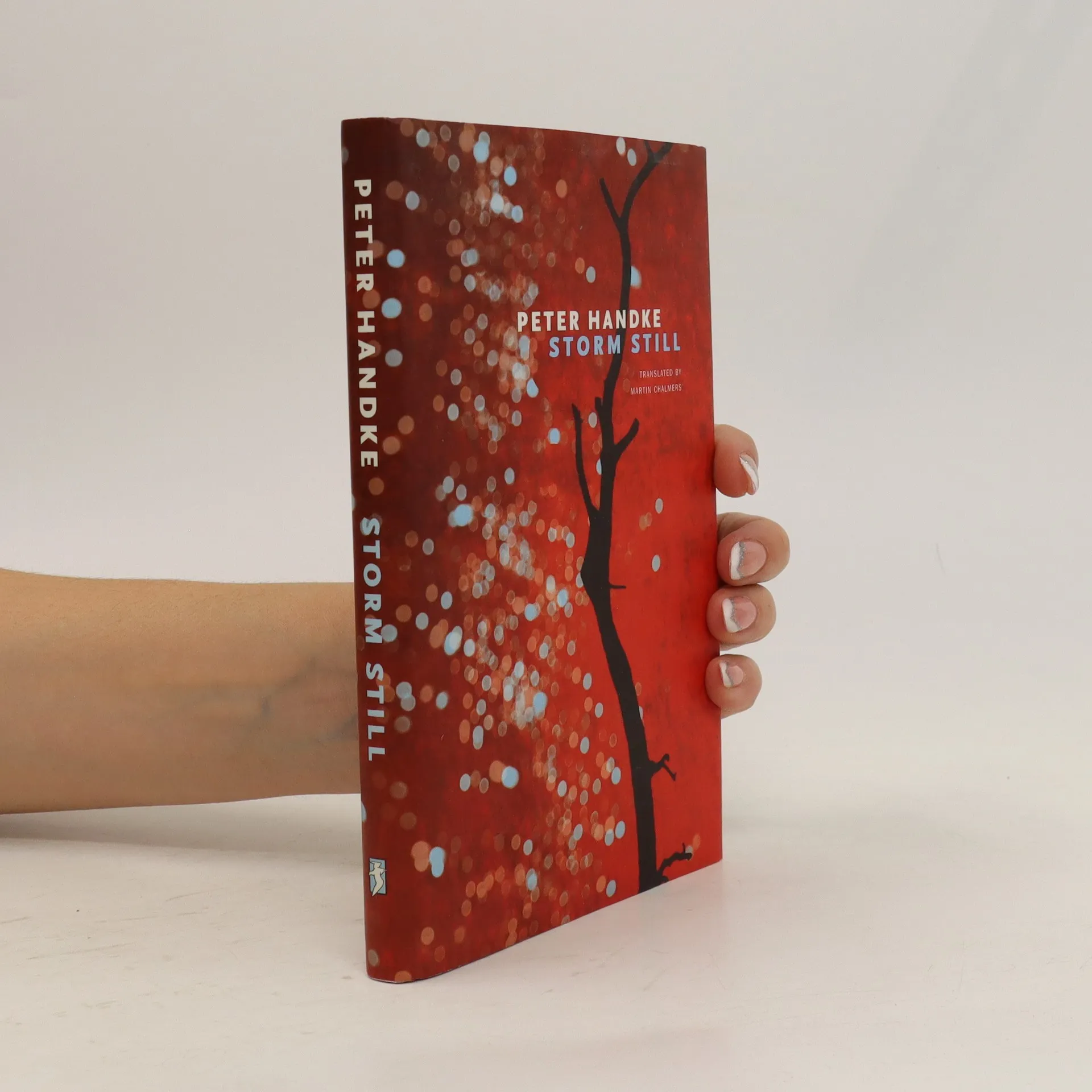
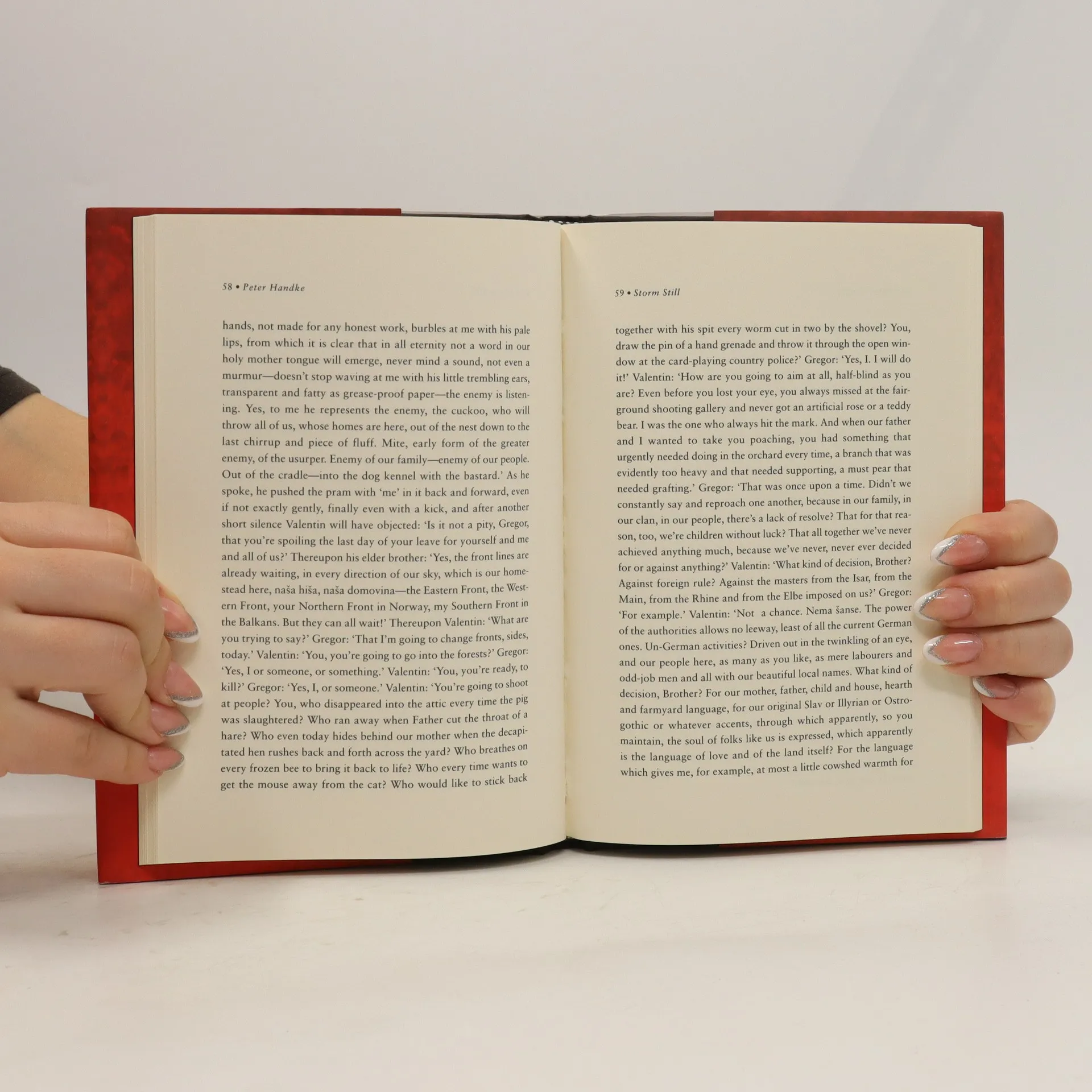
Peter Handke, a prominent figure in Austrian literature, has crafted a body of work influenced by significant historical events. However, the influence of his mother, whose life encompassed the Weimar Republic, both world wars, and the postwar era, is even more profound. In his latest work, Handke revisits his birthplace in Carinthia, Austria, where the living and the dead of a family converse on the Jaunfeld plain, central to Austria's Slovenian community. Presented as a series of monologues, this narrative captures the Slovene minority's struggle against Nazism alongside their deep connection to the land. It reflects on Handke's own roots, intertwining themes from his previous writings and revisiting familiar characters. The text navigates the complexities of conflict and peace, war and prewar, as well as the changing seasons. The fate of an orchard symbolizes the destiny of a people. Readers will find numerous delights in Handke's prose, characterized by subtlety and delicacy, as it intricately weaves together layers of meaning. This work exemplifies the potential direction of the French New Novel, had it evolved further.



Zakup książki
Storm still, Peter Handke
- Język

- Rok wydania
- 2014
- Oprawa
- (twarda)
Metody płatności
Brakuje nam tutaj Twojej recenzji.
- Tytuł
- Storm still
- Język
- angielski
- Autorzy
- Peter Handke
- Wydawca
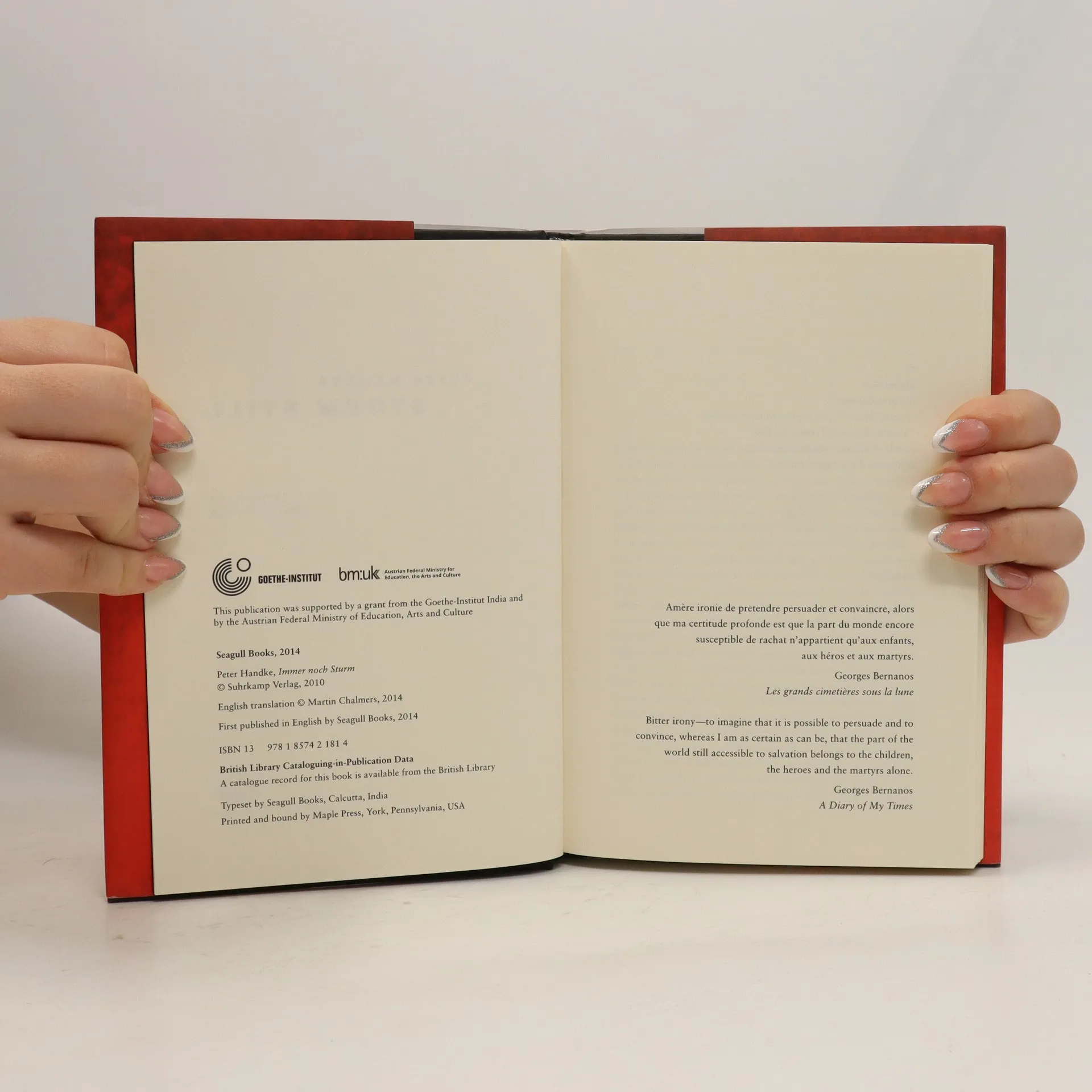
- Seagull Books London Ltd
- Rok wydania
- 2014
- Oprawa
- twarda
- Liczba stron
- 123
- ISBN10
- 0857421816
- ISBN13
- 9780857421814
- Seria
- Kategorie
- Ocena
- 3,7 z 5
- Opis
- Peter Handke, a prominent figure in Austrian literature, has crafted a body of work influenced by significant historical events. However, the influence of his mother, whose life encompassed the Weimar Republic, both world wars, and the postwar era, is even more profound. In his latest work, Handke revisits his birthplace in Carinthia, Austria, where the living and the dead of a family converse on the Jaunfeld plain, central to Austria's Slovenian community. Presented as a series of monologues, this narrative captures the Slovene minority's struggle against Nazism alongside their deep connection to the land. It reflects on Handke's own roots, intertwining themes from his previous writings and revisiting familiar characters. The text navigates the complexities of conflict and peace, war and prewar, as well as the changing seasons. The fate of an orchard symbolizes the destiny of a people. Readers will find numerous delights in Handke's prose, characterized by subtlety and delicacy, as it intricately weaves together layers of meaning. This work exemplifies the potential direction of the French New Novel, had it evolved further.