

Parametry
- 328 stron
- 12 godzin czytania
Więcej o książce
As the Internet evolves, it poses new threats to democracy. Social media platforms like Facebook efficiently sort users into like-minded groups, creating echo chambers that intensify existing views. This division often leads to misunderstandings between people with differing political beliefs and allows terrorist groups to exploit these platforms for harmful purposes. In this insightful work, the author explores how the Internet fosters political fragmentation, polarization, and extremism, and suggests solutions. By reexamining the relationship between democracy and the online world, the author highlights phenomena such as "cybercascades," "confirmation bias," and the role of "polarization entrepreneurs." These factors threaten the shared conversations and experiences essential for a healthy democracy. To counteract this fragmentation, the author proposes practical and legal reforms aimed at enhancing democratic deliberation online. These changes would encourage unplanned interactions, exposing users to diverse perspectives and ideas beyond their usual feeds. The concept of #Republic can serve as a hopeful rallying cry for the inclusive democracy that diverse societies require, emphasizing the need for a more connected and understanding public discourse.


Zakup książki
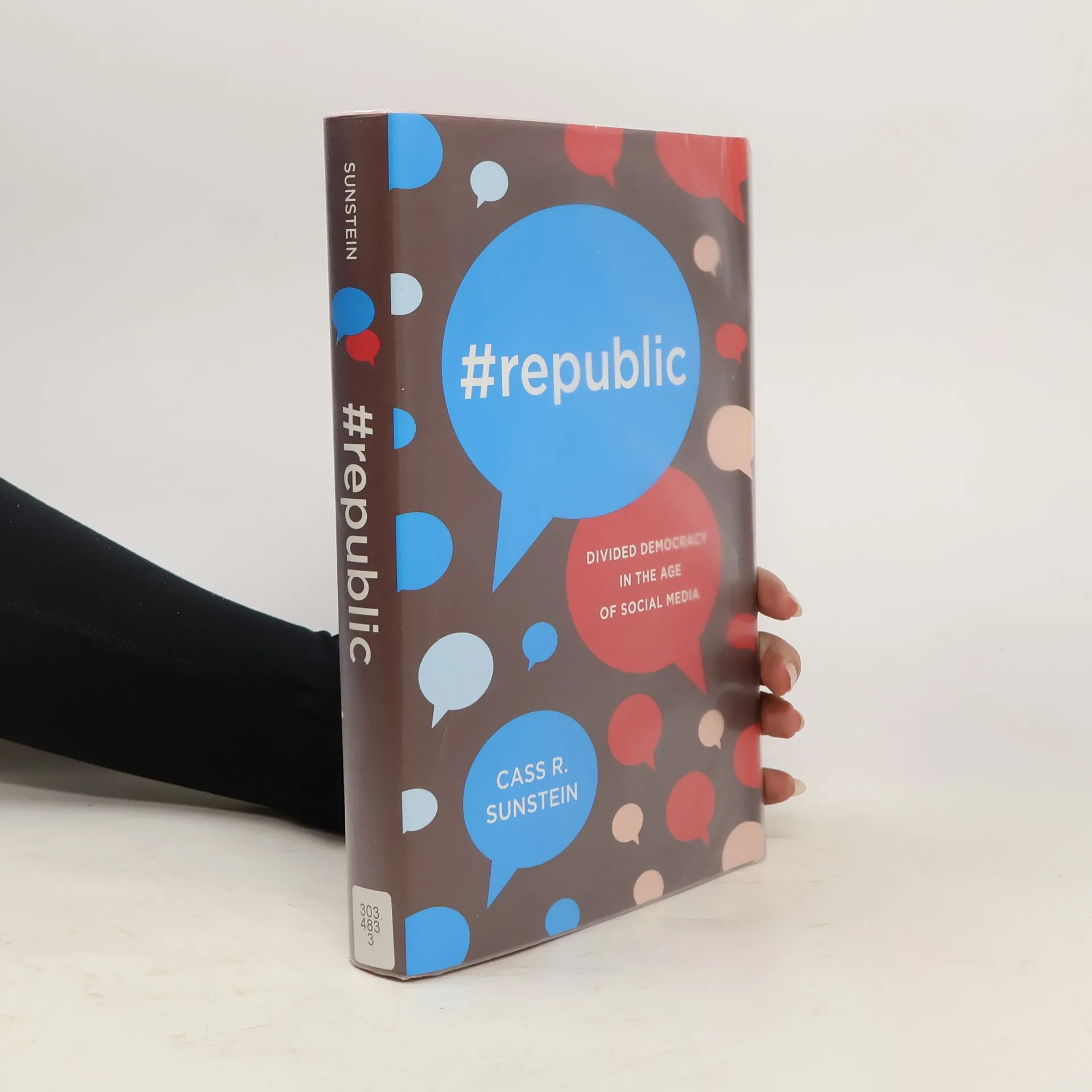
#Republic, Cass R. Sunstein
- Język

- Rok wydania
- 2017
- Oprawa
- (twarda)
Metody płatności
Brakuje nam tutaj Twojej recenzji.
- Tytuł
- #Republic
- Język
- angielski
- Autorzy
- Cass R. Sunstein
- Wydawca
- Princeton University Press
- Rok wydania
- 2017
- Oprawa
- twarda
- Liczba stron
- 328
- ISBN10
- 0691175519
- ISBN13
- 9780691175515
- Seria
- Kategorie
- Ocena
- 3,3 z 5
- Opis
- As the Internet evolves, it poses new threats to democracy. Social media platforms like Facebook efficiently sort users into like-minded groups, creating echo chambers that intensify existing views. This division often leads to misunderstandings between people with differing political beliefs and allows terrorist groups to exploit these platforms for harmful purposes. In this insightful work, the author explores how the Internet fosters political fragmentation, polarization, and extremism, and suggests solutions. By reexamining the relationship between democracy and the online world, the author highlights phenomena such as "cybercascades," "confirmation bias," and the role of "polarization entrepreneurs." These factors threaten the shared conversations and experiences essential for a healthy democracy. To counteract this fragmentation, the author proposes practical and legal reforms aimed at enhancing democratic deliberation online. These changes would encourage unplanned interactions, exposing users to diverse perspectives and ideas beyond their usual feeds. The concept of #Republic can serve as a hopeful rallying cry for the inclusive democracy that diverse societies require, emphasizing the need for a more connected and understanding public discourse.