

Parametry
- 72 strony
- 3 godziny czytania
Więcej o książce
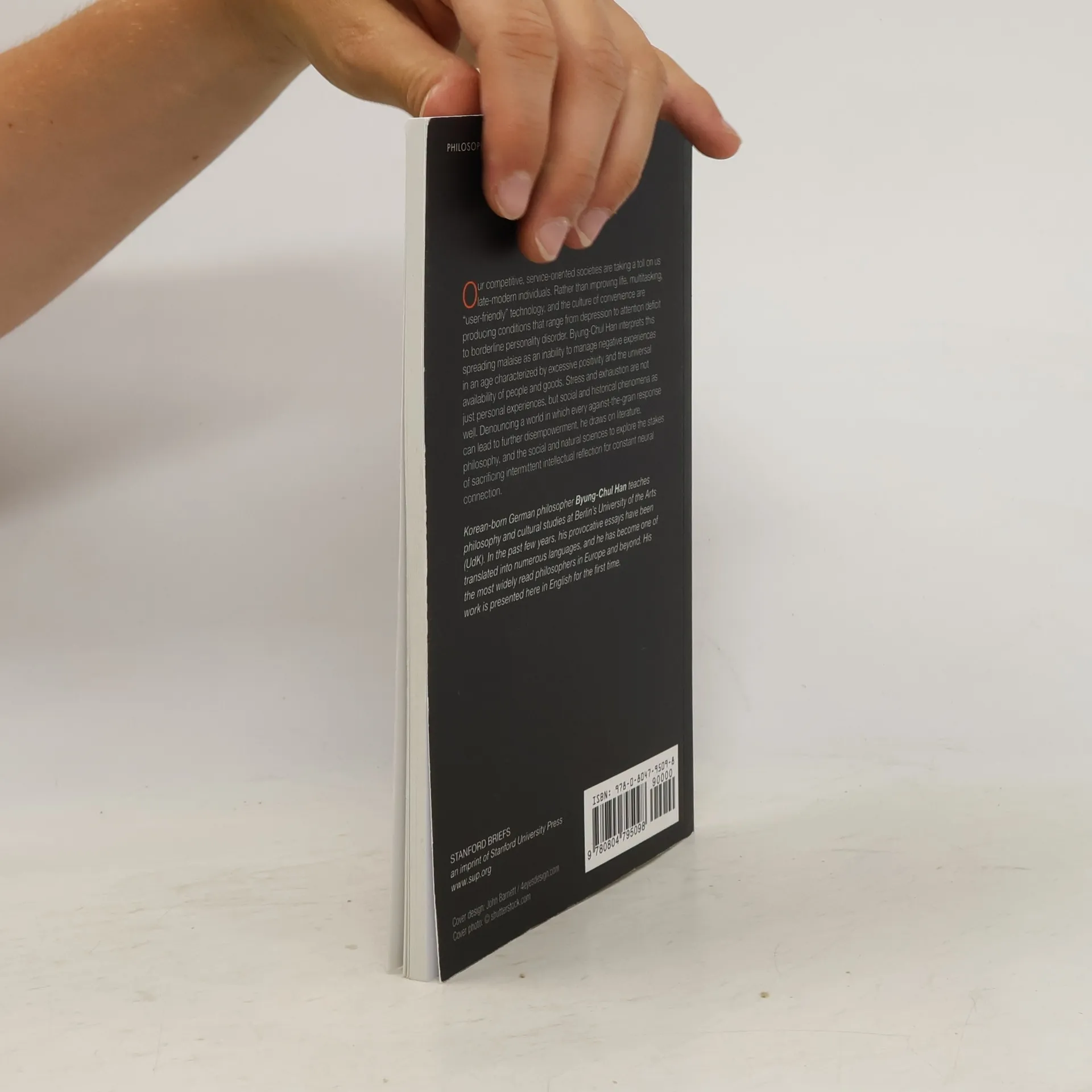
Our competitive, service-oriented societies are taking a toll on the late-modern individual. Rather than improving life, multitasking, "user-friendly" technology, and the culture of convenience are producing disorders that range from depression to attention deficit disorder to borderline personality disorder. Byung-Chul Han interprets the spreading malaise as an inability to manage negative experiences in an age characterized by excessive positivity and the universal availability of people and goods. Stress and exhaustion are not just personal experiences, but social and historical phenomena as well. Denouncing a world in which every against-the-grain response can lead to further disempowerment, he draws on literature, philosophy, and the social and natural sciences to explore the stakes of sacrificing intermittent intellectual reflection for constant neural connection.


Zakup książki
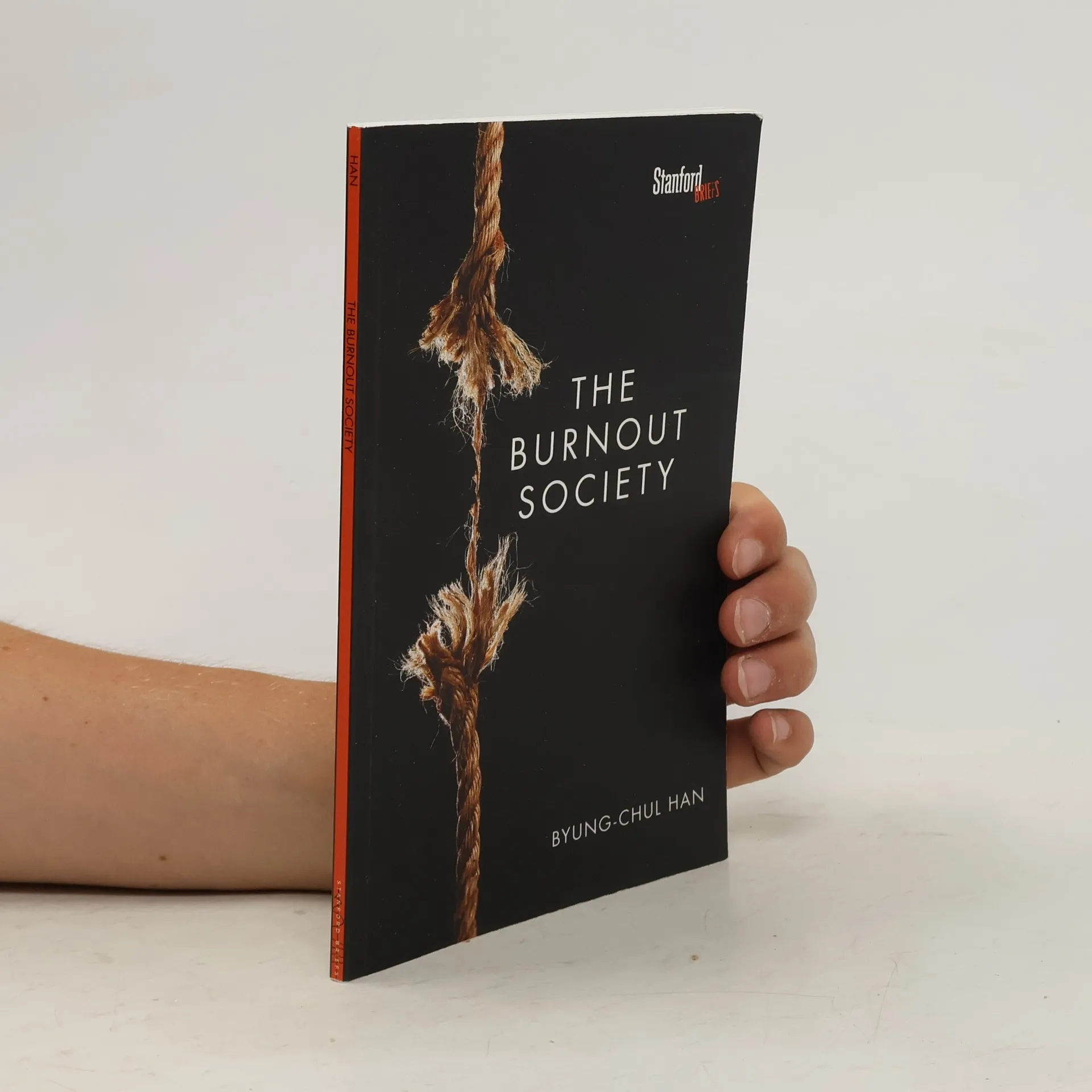
The burnout society, Han Byung Chul
- Język

- Rok wydania
- 2015
- Oprawa
- (miękka)
Metody płatności
Brakuje nam tutaj Twojej recenzji.
- Tytuł
- The burnout society
- Język
- angielski
- Autorzy
- Han Byung Chul
- Wydawca
- Stanford University Press
- Rok wydania
- 2015
- Oprawa
- miękka
- Liczba stron
- 72
- ISBN10
- 0804795096
- ISBN13
- 9780804795098
- Seria
- Kategorie
- Tagi
- Tematyka psychologiczna, Tematyka filozoficzna, Polityka, Prezenty dla dziadka, Społeczeństwo, Kultura, Teorie naukowe, XXI wiek, Refleksje & Przemyślenia, Wolność, Zespół wypalenia zawodowego, Problemy psychiczne, Zaburzenia uwagi, ADD, ADHD, Transformacja społeczeństwa
- Ocena
- 3,9 z 5
- Opis
- Our competitive, service-oriented societies are taking a toll on the late-modern individual. Rather than improving life, multitasking, "user-friendly" technology, and the culture of convenience are producing disorders that range from depression to attention deficit disorder to borderline personality disorder. Byung-Chul Han interprets the spreading malaise as an inability to manage negative experiences in an age characterized by excessive positivity and the universal availability of people and goods. Stress and exhaustion are not just personal experiences, but social and historical phenomena as well. Denouncing a world in which every against-the-grain response can lead to further disempowerment, he draws on literature, philosophy, and the social and natural sciences to explore the stakes of sacrificing intermittent intellectual reflection for constant neural connection.