

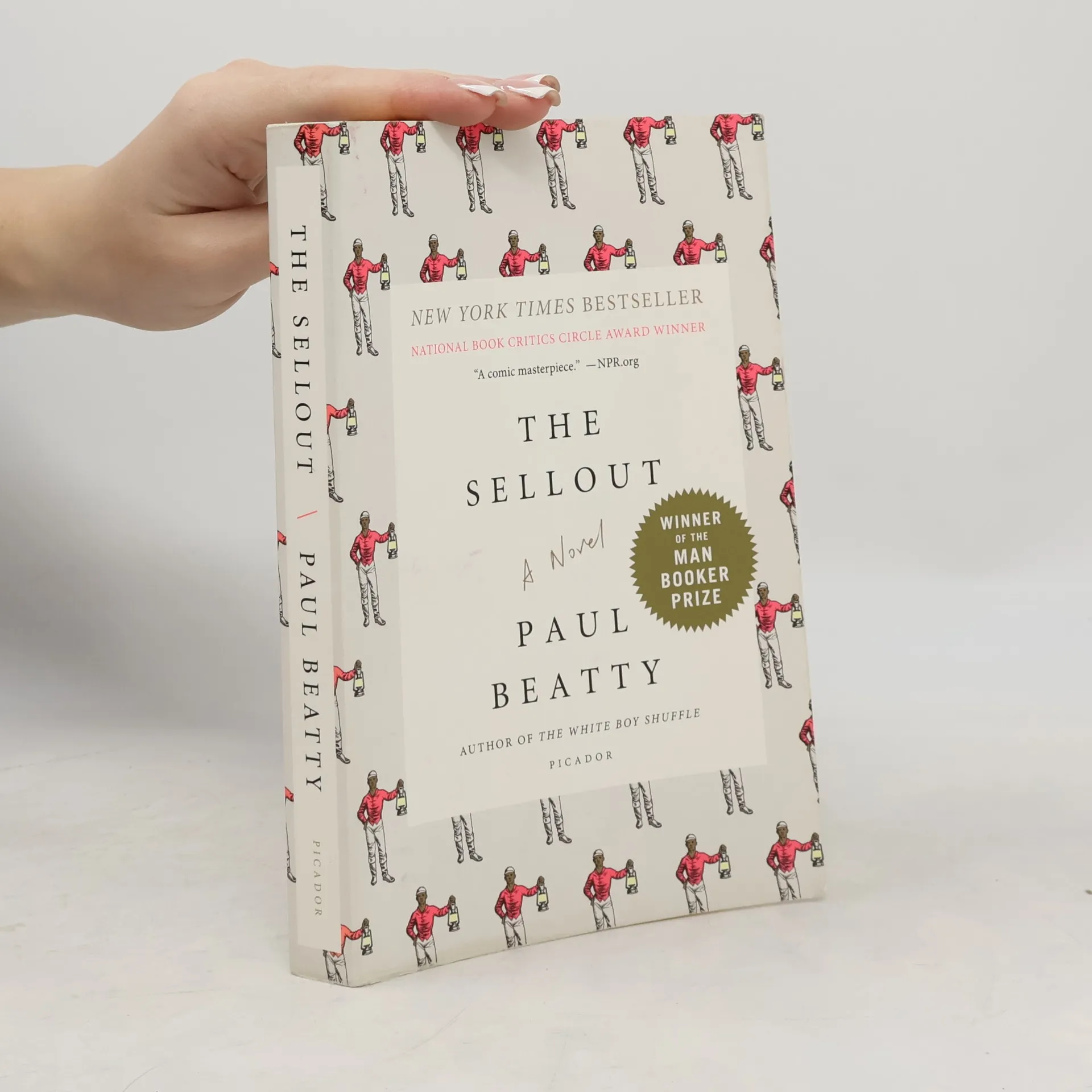
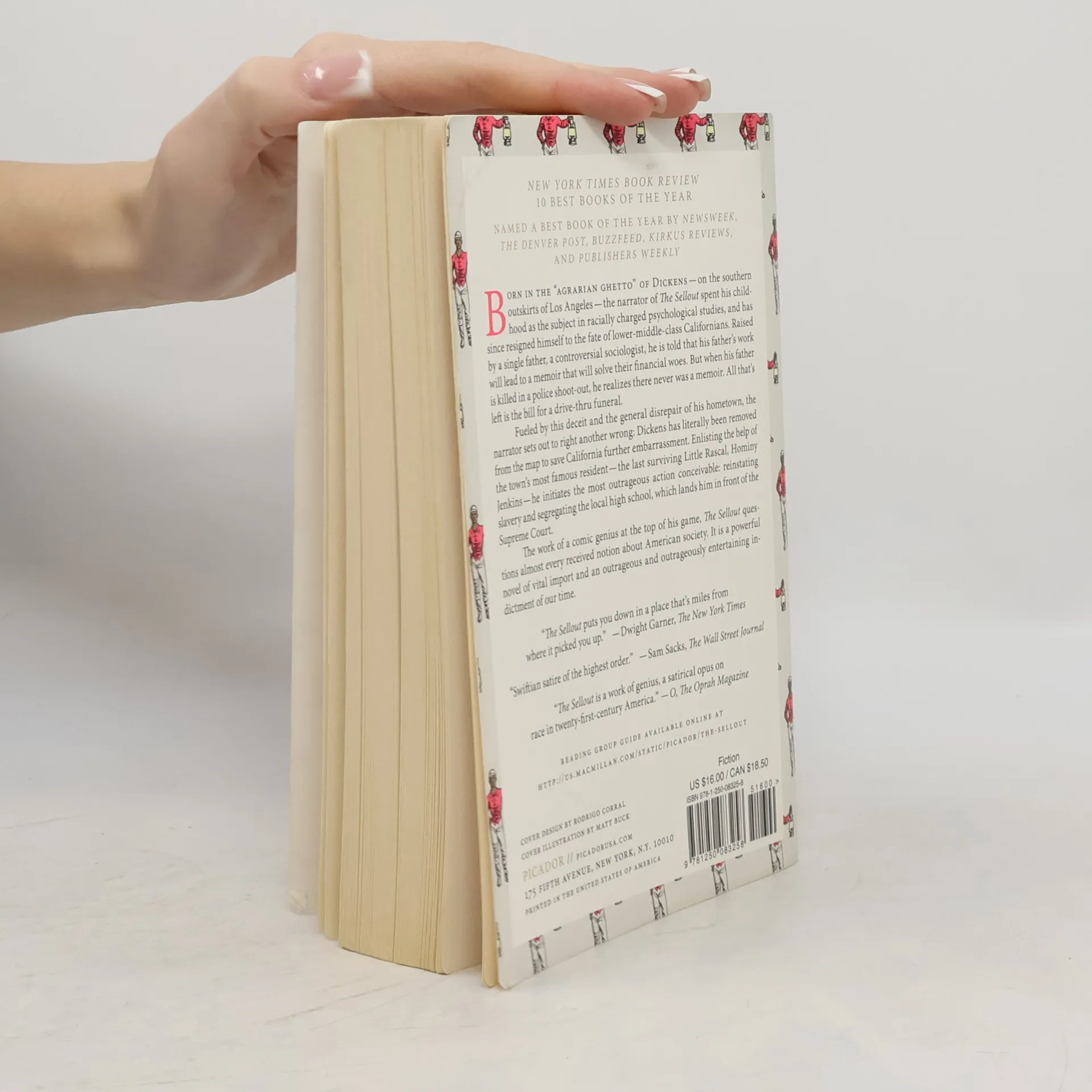
Więcej o książce
A biting satire about a young man's isolated upbringing and a race trial that leads him to the Supreme Court, this novel showcases a comic genius at the height of his craft. It challenges the core principles of the U.S. Constitution, urban life, the civil rights movement, father-son dynamics, and the quest for racial equality—embodied in the black Chinese restaurant. The narrator, raised in the "agrarian ghetto" of Dickens on the outskirts of Los Angeles, resigns himself to a life of lower-middle-class stagnation, reflecting on the cracks in his childhood bedroom ceiling. His upbringing under a single father, a controversial sociologist, subjects him to racially charged psychological studies, leading him to believe his father's work will culminate in a memoir that could solve their financial struggles. However, after his father's death in a police shoot-out, he discovers the memoir never existed, leaving him with only a bill for a drive-thru funeral. Driven by this betrayal and the decay of his hometown, he embarks on a mission to restore Dickens, which has been erased from the map. Teaming up with the town's most famous resident, the last surviving Little Rascal, he undertakes the outrageous act of reinstating slavery and segregating the local high school, ultimately landing him in the Supreme Court.


Zakup książki
The sellout, Paul Beatty
- Język

- Rok wydania
- 2016
- Oprawa
- (miękka),
- Stan książki
- Dobry
- Cena
- 14,29 zł
Metody płatności
Brakuje nam tutaj Twojej recenzji.
- Tytuł
- The sellout
- Język
- angielski
- Autorzy
- Paul Beatty
- Wydawca
- Picador
- Rok wydania
- 2016
- Oprawa
- miękka
- Liczba stron
- 304
- ISBN10
- 1250083257
- ISBN13
- 9781250083258
- Seria
- Kategorie
- Tagi
- Humor, Literatura współczesna, USA, Literatura amerykańska, Rasa & Rasizm, Satyra, Tożsamość, Literatura afroamerykańska, Moralność, Sprawiedliwość, Los Angeles, Niewolnictwo, Nagroda Bookera, Poprawność polityczna
- Pierwsze wydanie
- 2015
- Oryginalna nazwa
- The Sellout
- Ocena
- 3,85 z 5
- Opis
- A biting satire about a young man's isolated upbringing and a race trial that leads him to the Supreme Court, this novel showcases a comic genius at the height of his craft. It challenges the core principles of the U.S. Constitution, urban life, the civil rights movement, father-son dynamics, and the quest for racial equality—embodied in the black Chinese restaurant. The narrator, raised in the "agrarian ghetto" of Dickens on the outskirts of Los Angeles, resigns himself to a life of lower-middle-class stagnation, reflecting on the cracks in his childhood bedroom ceiling. His upbringing under a single father, a controversial sociologist, subjects him to racially charged psychological studies, leading him to believe his father's work will culminate in a memoir that could solve their financial struggles. However, after his father's death in a police shoot-out, he discovers the memoir never existed, leaving him with only a bill for a drive-thru funeral. Driven by this betrayal and the decay of his hometown, he embarks on a mission to restore Dickens, which has been erased from the map. Teaming up with the town's most famous resident, the last surviving Little Rascal, he undertakes the outrageous act of reinstating slavery and segregating the local high school, ultimately landing him in the Supreme Court.