

Parametry
- 487 stron
- 18 godzin czytania
Więcej o książce
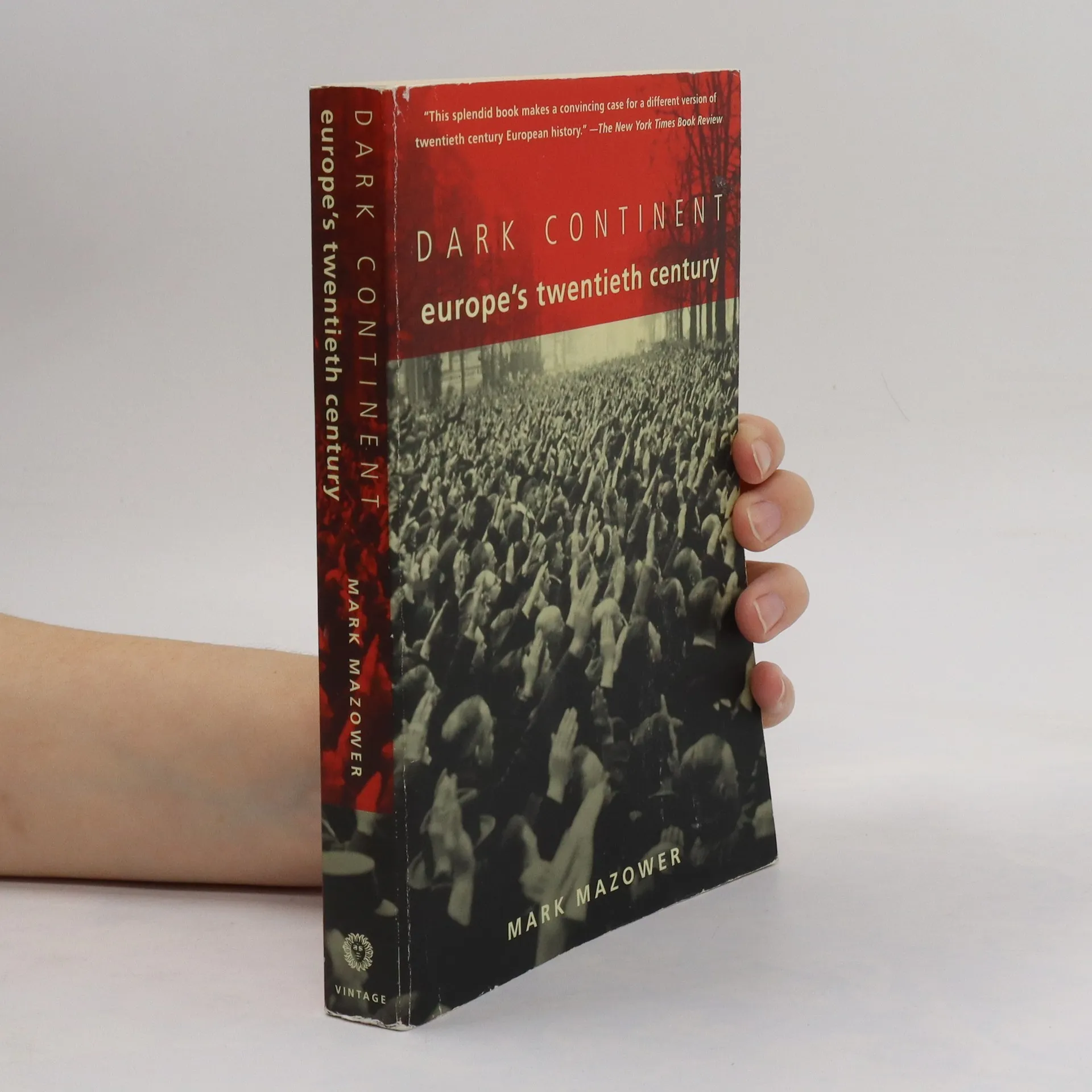
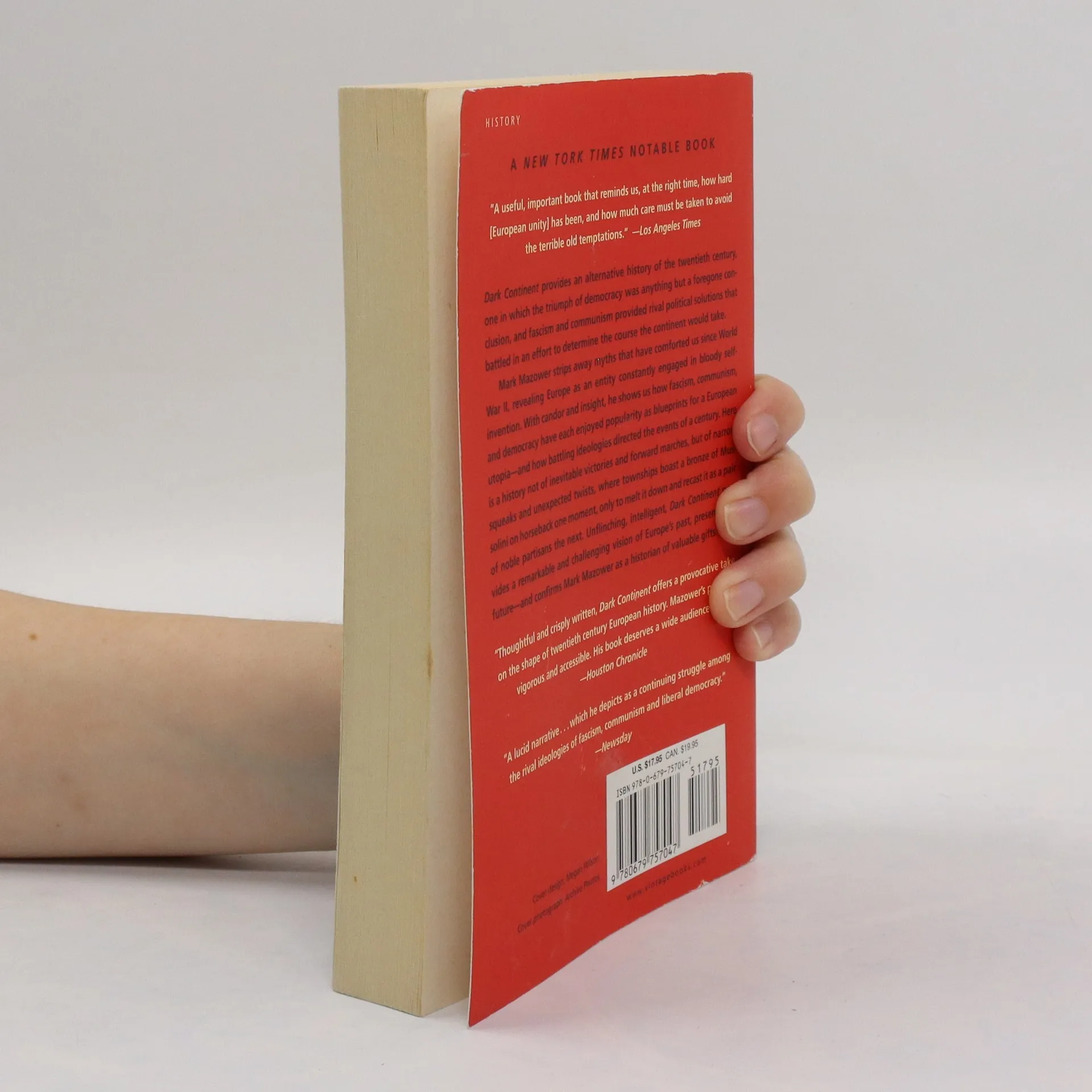
An unflinching and intelligent alternative history of the twentieth century that provides a provocative vision of Europe's past, present, and future."[A] splendid book." — The New York Times Book ReviewDark Continent provides an alternative history of the twentieth century, one in which the triumph of democracy was anything but a forgone conclusion and fascism and communism provided rival political solutions that battled and sometimes triumphed in an effort to determine the course the continent would take.Mark Mazower strips away myths that have comforted us since World War II, revealing Europe as an entity constantly engaged in a bloody project of self-invention. Here is a history not of inevitable victories and forward marches, but of narrow squeaks and unexpected twists, where townships boast a bronze of Mussolini on horseback one moment, only to melt it down and recast it as a pair of noble partisans the next.






Zakup książki
Dark Continent: Europe's Twentieth Century, Mark Mazower
- Język

- Rok wydania
- 2000
- Oprawa
- (miękka)
Metody płatności
Brakuje nam tutaj Twojej recenzji.
- Tytuł
- Dark Continent: Europe's Twentieth Century
- Język
- angielski
- Autorzy
- Mark Mazower
- Rok wydania
- 2000
- Oprawa
- miękka
- Liczba stron
- 487
- ISBN10
- 067975704X
- ISBN13
- 9780679757047
- Seria
- Kategorie
- Oryginalna nazwa
- Dark continent
- Ocena
- 4 z 5
- Opis
- An unflinching and intelligent alternative history of the twentieth century that provides a provocative vision of Europe's past, present, and future."[A] splendid book." — The New York Times Book ReviewDark Continent provides an alternative history of the twentieth century, one in which the triumph of democracy was anything but a forgone conclusion and fascism and communism provided rival political solutions that battled and sometimes triumphed in an effort to determine the course the continent would take.Mark Mazower strips away myths that have comforted us since World War II, revealing Europe as an entity constantly engaged in a bloody project of self-invention. Here is a history not of inevitable victories and forward marches, but of narrow squeaks and unexpected twists, where townships boast a bronze of Mussolini on horseback one moment, only to melt it down and recast it as a pair of noble partisans the next.