


Parametry
- 288 stron
- 11 godzin czytania
Więcej o książce
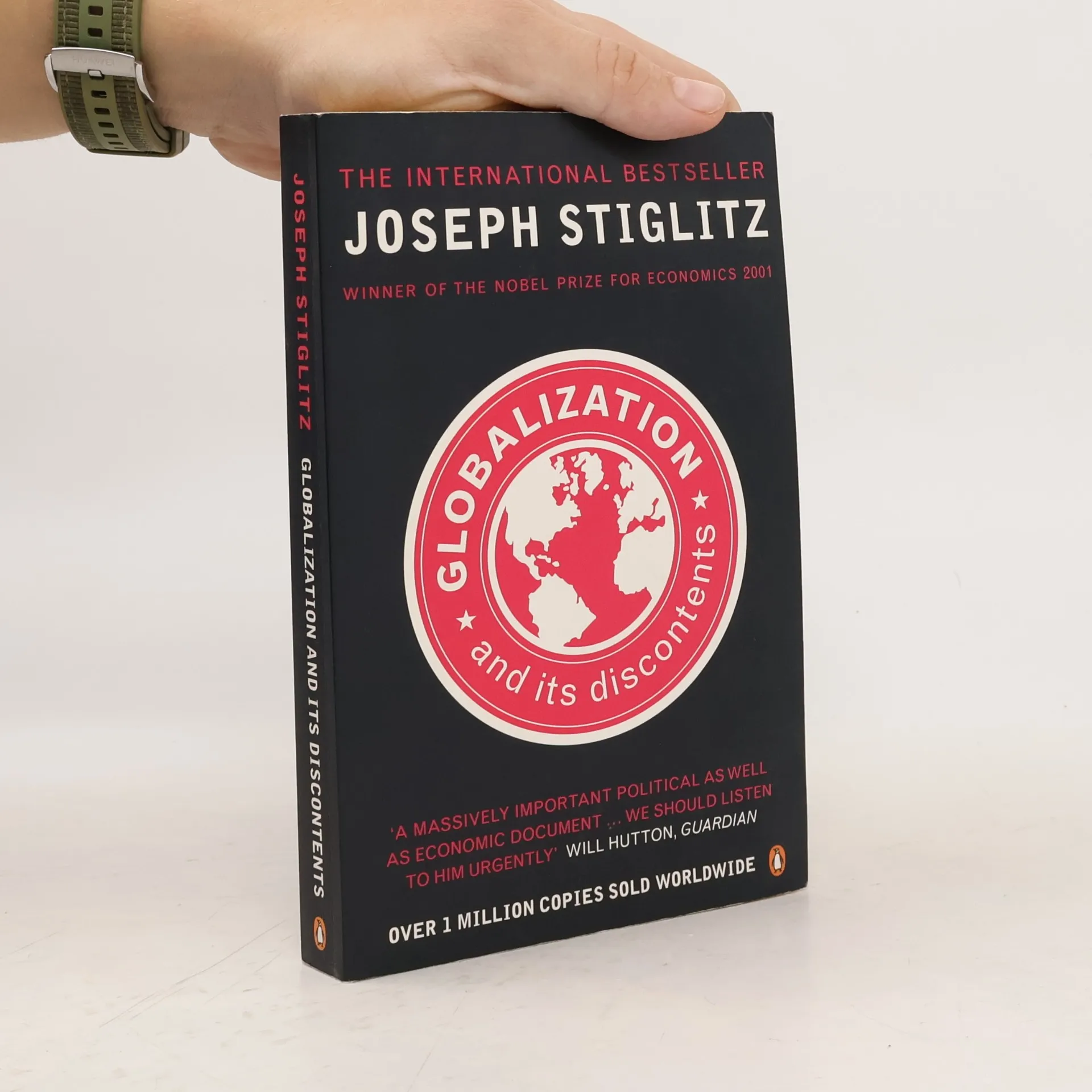
From Nobel laureate Joseph Stiglitz, this bestselling exposé reveals the powerful organizations that shape our lives. Globalization is failing, harming those it was intended to help, and the tide is shifting. As chief economist at the World Bank, Stiglitz gained unique insights into globalization's management. He critiques the IMF and WTO for promoting fair trade while imposing damaging economic policies on developing nations. He highlights how free market 'shock therapy' has left millions in East Asia and Russia worse off than before and argues that the West has manipulated the global agenda for its own financial gain. Stiglitz believes globalization can still be a force for good, but a shift in the balance of power is essential. He presents concrete solutions for a better future. Critics laud the work as a crucial political and economic commentary, urging urgent attention to Stiglitz's insights. A rare voice challenging the complacent global establishment, he emerges as a worthy successor to Keynes. Stiglitz, a prominent economist, served as Chief Economist at the World Bank and chaired President Clinton's Council of Economic Advisers. He is currently a professor at Columbia University and authored several bestselling works.





W magazynie mamy łącznie książkiGlobalization and its discontents(2002)
Zakup książki
Globalization and its discontents, Joseph E. Stiglitz
- Język

- Rok wydania
- 2002
- Oprawa
- (miękka),
- Stan książki
- Dobry
- Cena
- 17,65 zł
Metody płatności
Brakuje nam tutaj Twojej recenzji.
- Tytuł
- Globalization and its discontents
- Język
- angielski
- Autorzy
- Joseph E. Stiglitz
- Wydawca
- Penguin Books
- Rok wydania
- 2002
- Oprawa
- miękka
- Liczba stron
- 288
- ISBN10
- 014101038x
- ISBN13
- 9780141010380
- Seria
- Kategorie
- Pierwsze wydanie
- 2002
- Oryginalna nazwa
- Globalization and Its Discontents
- Ocena
- 3,9 z 5
- Opis
- From Nobel laureate Joseph Stiglitz, this bestselling exposé reveals the powerful organizations that shape our lives. Globalization is failing, harming those it was intended to help, and the tide is shifting. As chief economist at the World Bank, Stiglitz gained unique insights into globalization's management. He critiques the IMF and WTO for promoting fair trade while imposing damaging economic policies on developing nations. He highlights how free market 'shock therapy' has left millions in East Asia and Russia worse off than before and argues that the West has manipulated the global agenda for its own financial gain. Stiglitz believes globalization can still be a force for good, but a shift in the balance of power is essential. He presents concrete solutions for a better future. Critics laud the work as a crucial political and economic commentary, urging urgent attention to Stiglitz's insights. A rare voice challenging the complacent global establishment, he emerges as a worthy successor to Keynes. Stiglitz, a prominent economist, served as Chief Economist at the World Bank and chaired President Clinton's Council of Economic Advisers. He is currently a professor at Columbia University and authored several bestselling works.