

Parametry
Więcej o książce
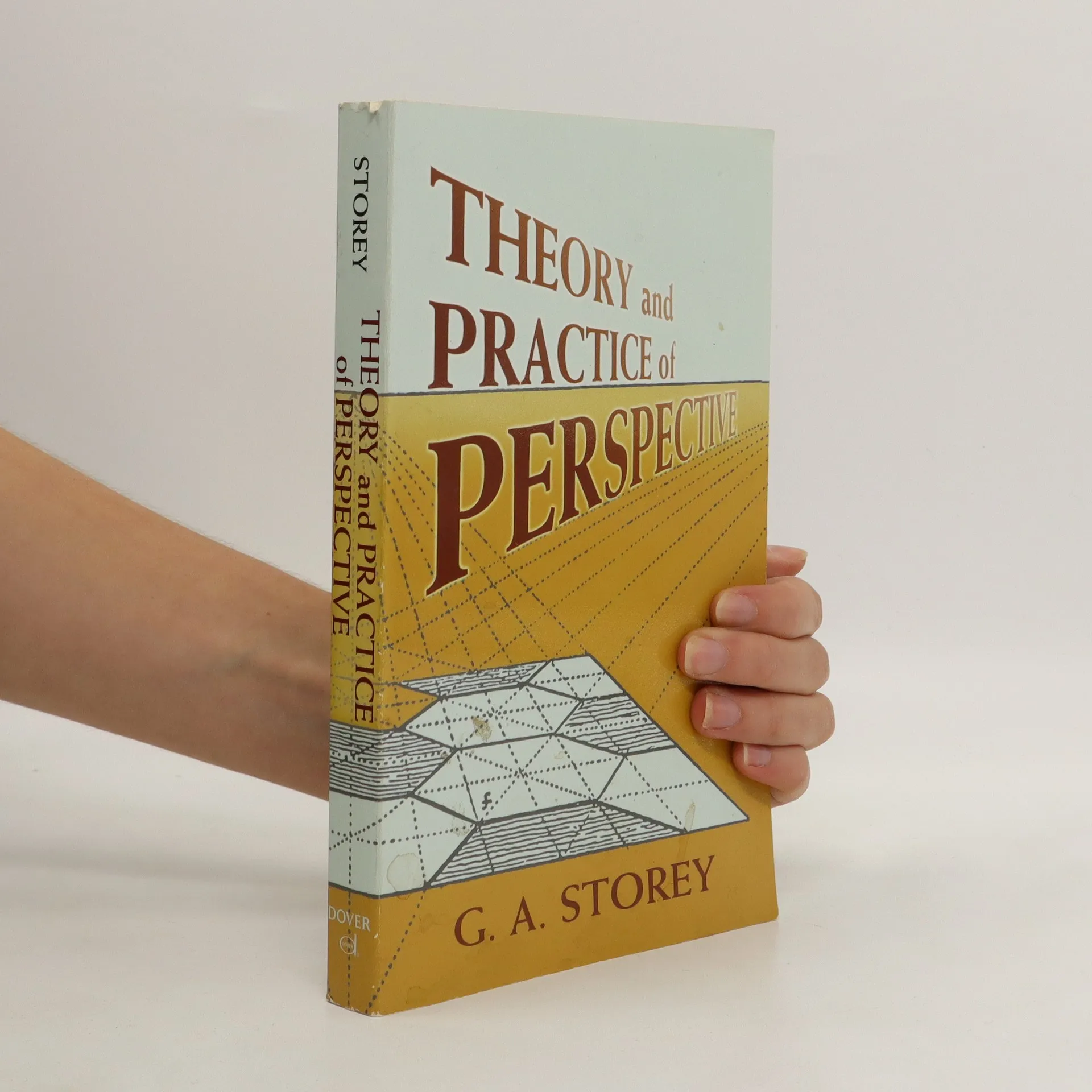
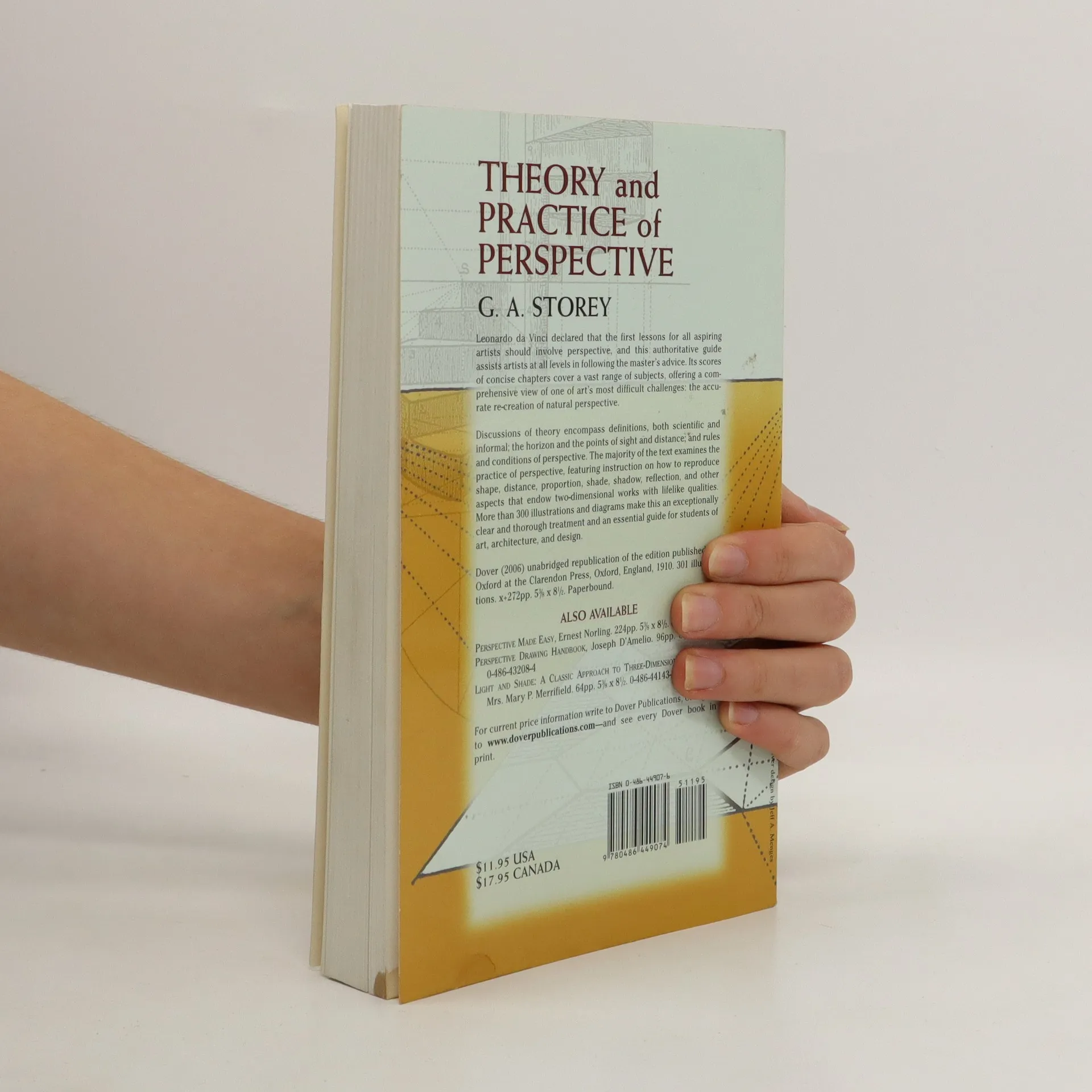
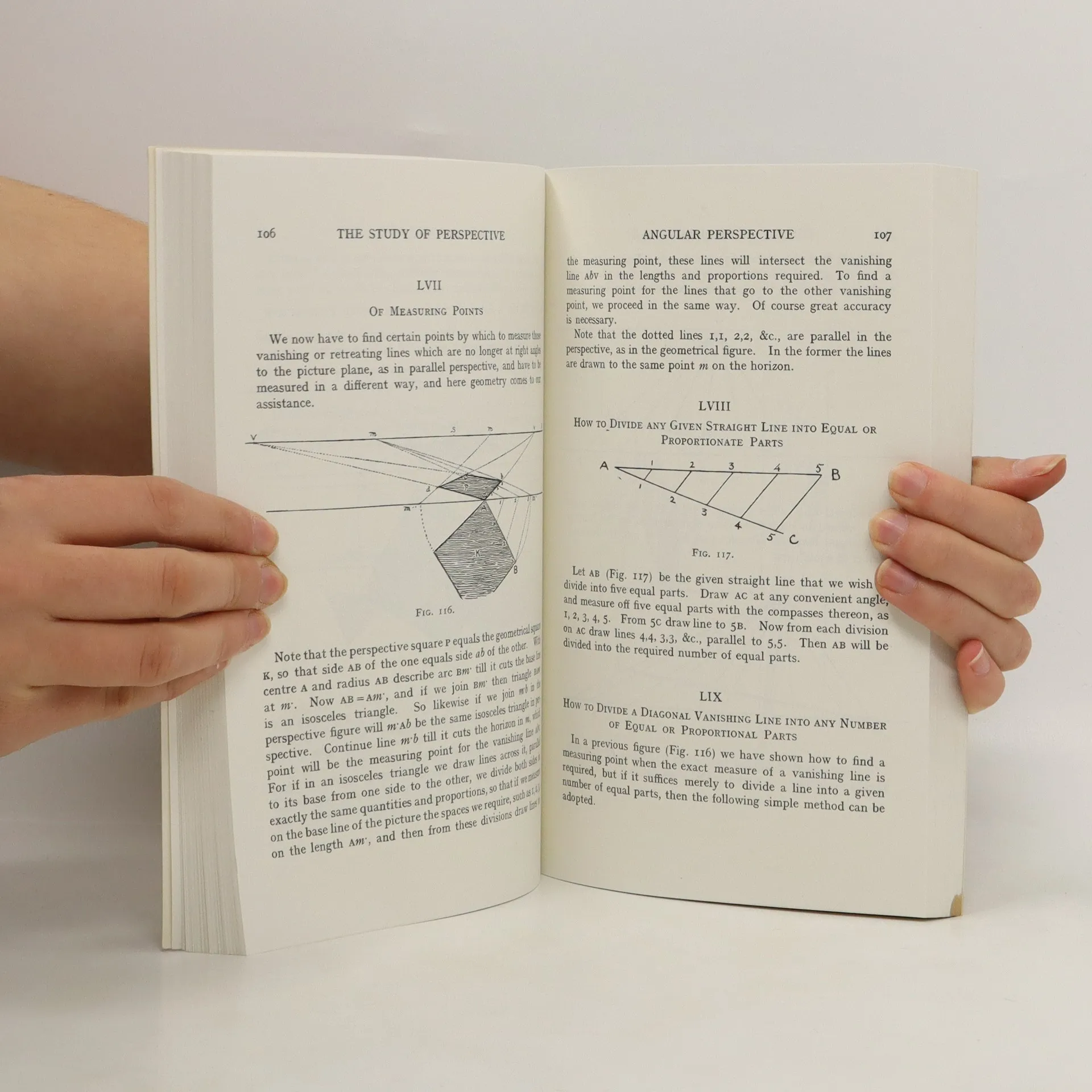
Leonardo da Vinci declared that the first lessons for all aspiring artists should involve perspective, and this authoritative guide assists artists at all levels in following the master's advice. Its scores of concise chapters cover a vast range of subjects, offering a comprehensive view of one of art's most difficult the accurate re-creation of natural perspective.Discussions of theory encompass definitions, both scientific and informal; the horizon and the points of sight and distance; and rules and conditions of perspective. The majority of the text examines the practice of perspective, featuring instruction on how to reproduce shape, distance, proportion, shade, shadow, reflection, and other aspects that endow two-dimensional works with lifelike qualities. More than 300 illustrations and diagrams make this an exceptionally clear and thorough treatment and an essential guide for students of art, architecture, and design.


Zakup książki
Theory and Practice of Perspective, G. A. Storey
- Język

- Rok wydania
- 2006
- Oprawa
- (miękka)
Metody płatności
Brakuje nam tutaj Twojej recenzji.
- Tytuł
- Theory and Practice of Perspective
- Język
- angielski
- Autorzy
- G. A. Storey
- Wydawca
- Courier Corporation
- Rok wydania
- 2006
- Oprawa
- miękka
- ISBN10
- 0486449076
- ISBN13
- 9780486449074
- Seria
- Kategorie
- Ocena
- 3,85 z 5
- Opis
- Leonardo da Vinci declared that the first lessons for all aspiring artists should involve perspective, and this authoritative guide assists artists at all levels in following the master's advice. Its scores of concise chapters cover a vast range of subjects, offering a comprehensive view of one of art's most difficult the accurate re-creation of natural perspective.Discussions of theory encompass definitions, both scientific and informal; the horizon and the points of sight and distance; and rules and conditions of perspective. The majority of the text examines the practice of perspective, featuring instruction on how to reproduce shape, distance, proportion, shade, shadow, reflection, and other aspects that endow two-dimensional works with lifelike qualities. More than 300 illustrations and diagrams make this an exceptionally clear and thorough treatment and an essential guide for students of art, architecture, and design.