



Parametry
- 272 strony
- 10 godzin czytania
Więcej o książce
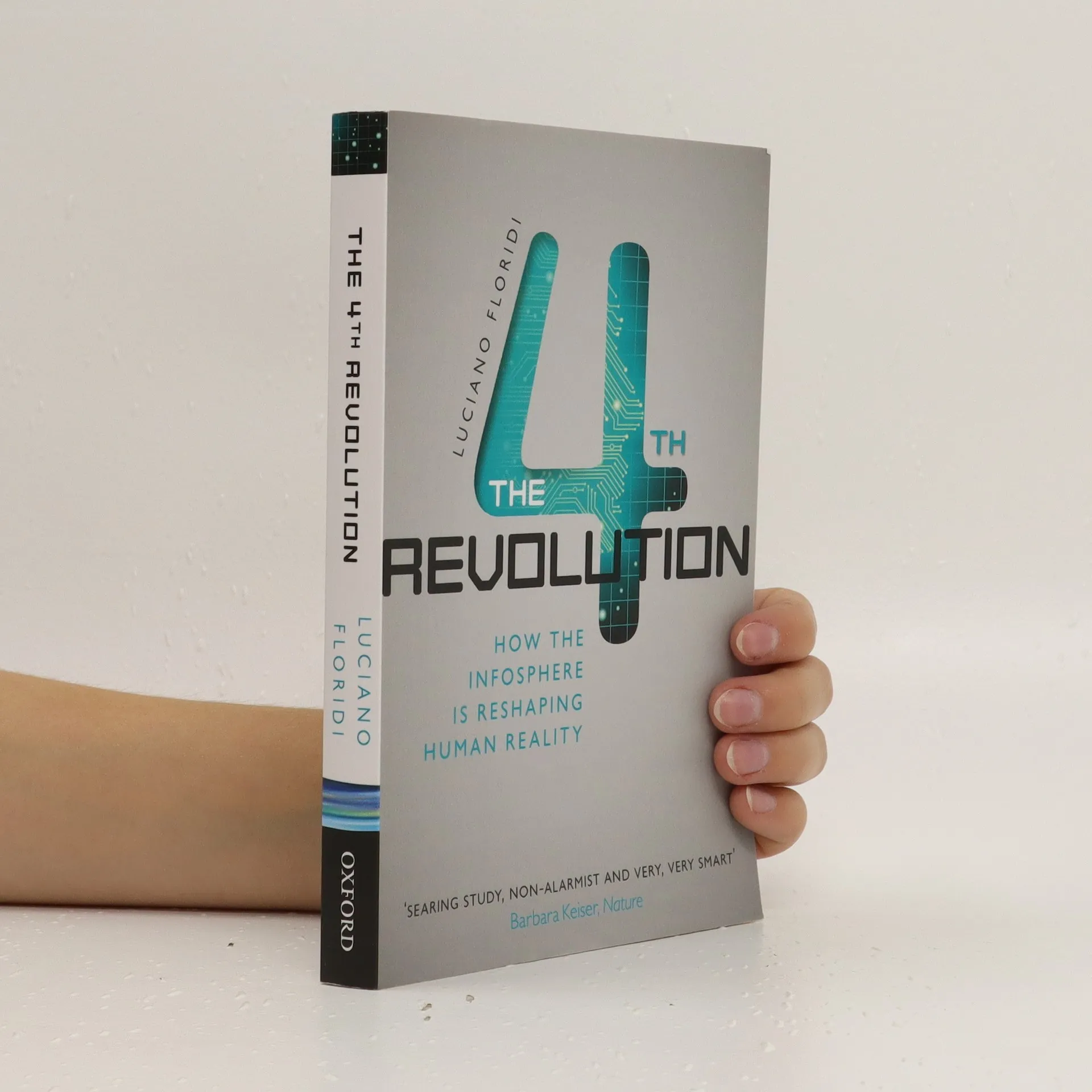
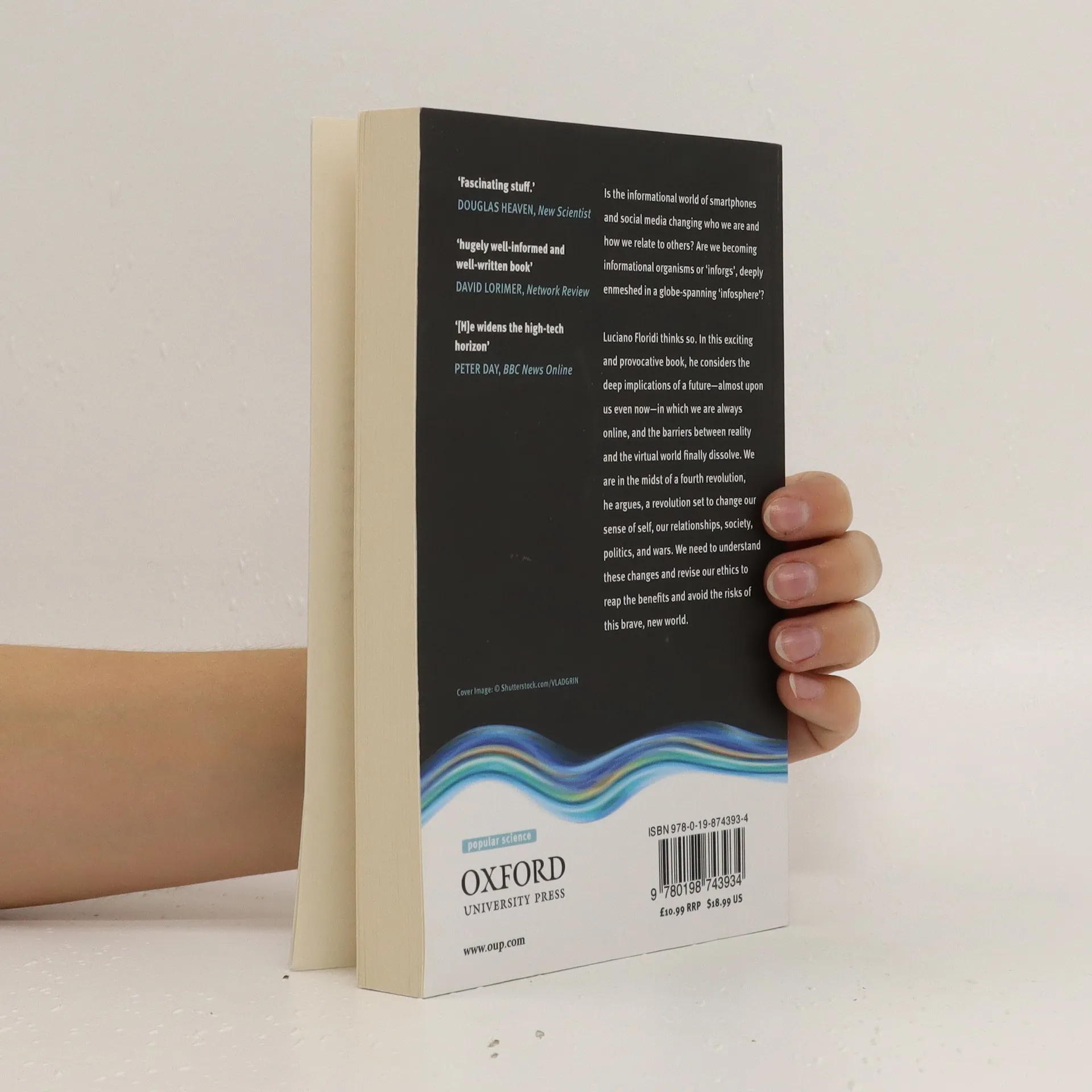
Who are we, and how do we relate to each other? Luciano Floridi, a leading contemporary philosopher, explores how developments in Information and Communication Technologies (ICTs) are reshaping these fundamental questions. As the lines between online and offline life blur, we become interconnected and surrounded by smart objects, integrating into an "infosphere." The personas we adopt on social media increasingly influence our 'real' lives, leading us to live in a state Floridi calls "onlife." This metaphysical shift signifies a fourth revolution, akin to those initiated by Copernicus, Darwin, and Freud. "Onlife" permeates our daily activities—shopping, working, learning, caring for health, entertainment, and relationships, as well as interactions with law, finance, and politics, even warfare. ICTs act as environmental forces that create and transform our realities. To harness their benefits, we must consider the implicit risks: will these technologies empower or constrain us? Floridi argues for an expanded ecological and ethical perspective that encompasses both natural and artificial realities, advocating for an 'e' in environmentalism that effectively addresses the challenges posed by our digital technologies and information society.




Zakup książki
The fourth revolution : how the infosphere is reshaping human reality, Luciano Floridi
- Język

- Rok wydania
- 2014
- Oprawa
- (miękka)
Metody płatności
Brakuje nam tutaj Twojej recenzji.
- Tytuł
- The fourth revolution : how the infosphere is reshaping human reality
- Język
- angielski
- Autorzy
- Luciano Floridi
- Wydawca
- Oxford University Press
- Rok wydania
- 2014
- Oprawa
- miękka
- Liczba stron
- 272
- ISBN10
- 0198743939
- ISBN13
- 9780198743934
- Seria
- Kategorie
- Tagi
- Tematyka filozoficzna, Polityka, Nauka, Technologia, Prezenty dla dziadka, Społeczeństwo, Sztuczna inteligencja, Informacje, Społeczeństwo Informacyjne
- Pierwsze wydanie
- 2014
- Oryginalna nazwa
- The Fourth Revolution
- Ocena
- 3,7 z 5
- Opis
- Who are we, and how do we relate to each other? Luciano Floridi, a leading contemporary philosopher, explores how developments in Information and Communication Technologies (ICTs) are reshaping these fundamental questions. As the lines between online and offline life blur, we become interconnected and surrounded by smart objects, integrating into an "infosphere." The personas we adopt on social media increasingly influence our 'real' lives, leading us to live in a state Floridi calls "onlife." This metaphysical shift signifies a fourth revolution, akin to those initiated by Copernicus, Darwin, and Freud. "Onlife" permeates our daily activities—shopping, working, learning, caring for health, entertainment, and relationships, as well as interactions with law, finance, and politics, even warfare. ICTs act as environmental forces that create and transform our realities. To harness their benefits, we must consider the implicit risks: will these technologies empower or constrain us? Floridi argues for an expanded ecological and ethical perspective that encompasses both natural and artificial realities, advocating for an 'e' in environmentalism that effectively addresses the challenges posed by our digital technologies and information society.