

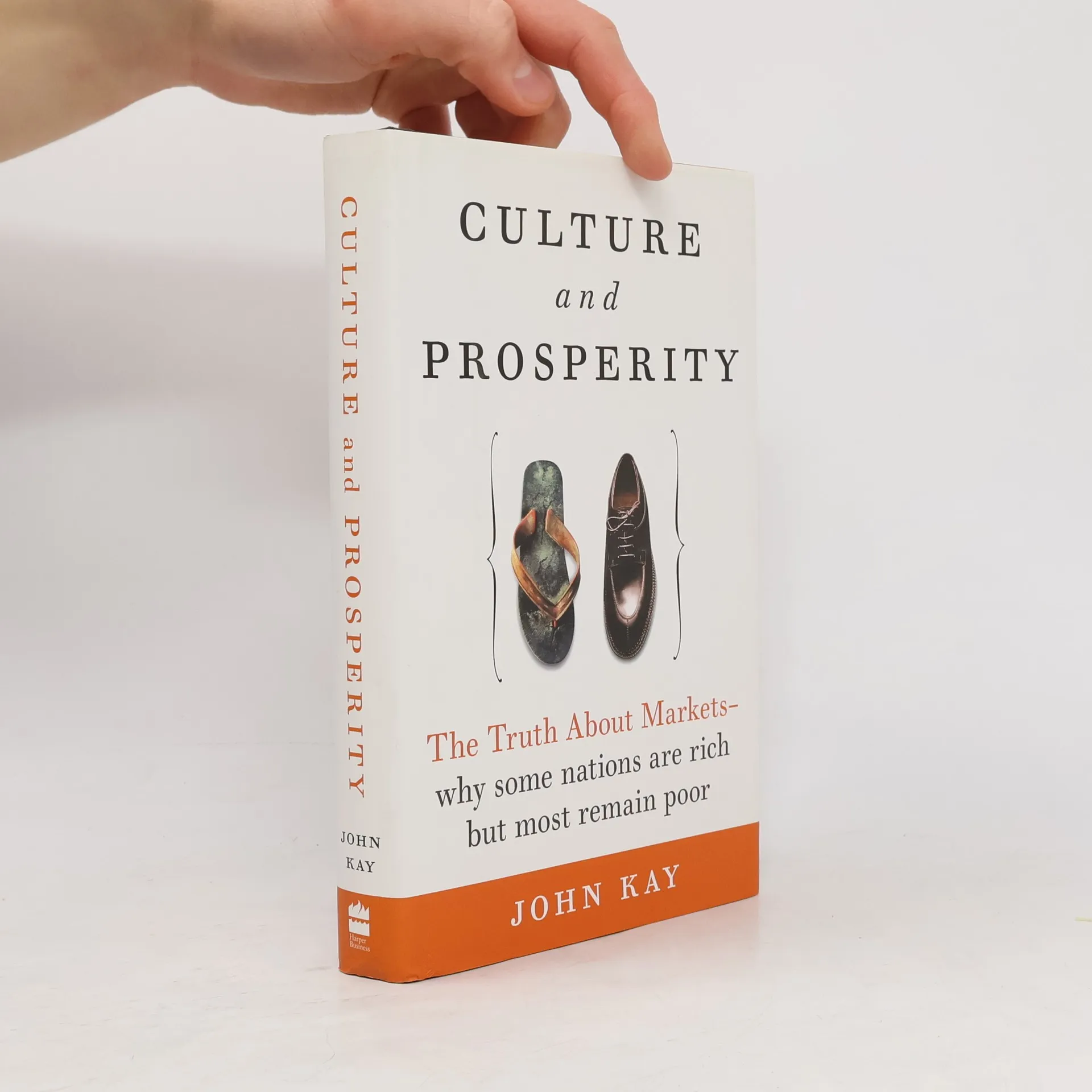
Culture and Prosperity
The Truth About Markets - Why Some Nations Are Rich but Most Remain Poor
Autorzy
Ocena książki
Więcej o książce
A witty and accessible tour de force immersed in the latest economic thinking, this indispensable guide offers insights into the politics of globalization. It argues that a combination of lightly regulated capitalism and liberal democracy — the American business model — is not only suitable for the U.S. but also a universal path to freedom and prosperity. Following a decade of market revolutions worldwide, beginning with the Berlin Wall's collapse, the effectiveness of market economies is clear, yet a more nuanced understanding of their strengths and limitations is essential. In this illuminating analysis, the author critiques the oversimplified portrayal of market operations often embraced by politicians and business leaders, questioning its accuracy in depicting the American economy's success. The narrative invites close reading and reflection, challenging assumptions about economic life from a fresh perspective. By exploring diverse locations, from Lake Zurich to Mumbai and San Remo to Christie's, the author reveals the intricate connections between a nation's social, political, and cultural context and its economic performance. This thought-provoking work is poised to become a classic in understanding contemporary economic dynamics.


Zakup książki
Culture and Prosperity, John Kay
- Język

- Rok wydania
- 2004
- Oprawa
- (twarda)
Metody płatności
Brakuje nam tutaj Twojej recenzji.
- Tytuł
- Culture and Prosperity
- Podtytuł
- The Truth About Markets - Why Some Nations Are Rich but Most Remain Poor
- Język
- angielski
- Autorzy
- John Kay
- Wydawca
- Harper Business
- Rok wydania
- 2004
- Oprawa
- twarda
- Liczba stron
- 432
- ISBN10
- 0060587059
- ISBN13
- 9780060587055
- Seria
- Kategorie
- Tagi
- Tematy historyczne, Biznes, Polityka, Finanse
- Ocena
- 3,85 z 5
- Opis
- A witty and accessible tour de force immersed in the latest economic thinking, this indispensable guide offers insights into the politics of globalization. It argues that a combination of lightly regulated capitalism and liberal democracy — the American business model — is not only suitable for the U.S. but also a universal path to freedom and prosperity. Following a decade of market revolutions worldwide, beginning with the Berlin Wall's collapse, the effectiveness of market economies is clear, yet a more nuanced understanding of their strengths and limitations is essential. In this illuminating analysis, the author critiques the oversimplified portrayal of market operations often embraced by politicians and business leaders, questioning its accuracy in depicting the American economy's success. The narrative invites close reading and reflection, challenging assumptions about economic life from a fresh perspective. By exploring diverse locations, from Lake Zurich to Mumbai and San Remo to Christie's, the author reveals the intricate connections between a nation's social, political, and cultural context and its economic performance. This thought-provoking work is poised to become a classic in understanding contemporary economic dynamics.