

Parametry
- 352 strony
- 13 godzin czytania
Więcej o książce
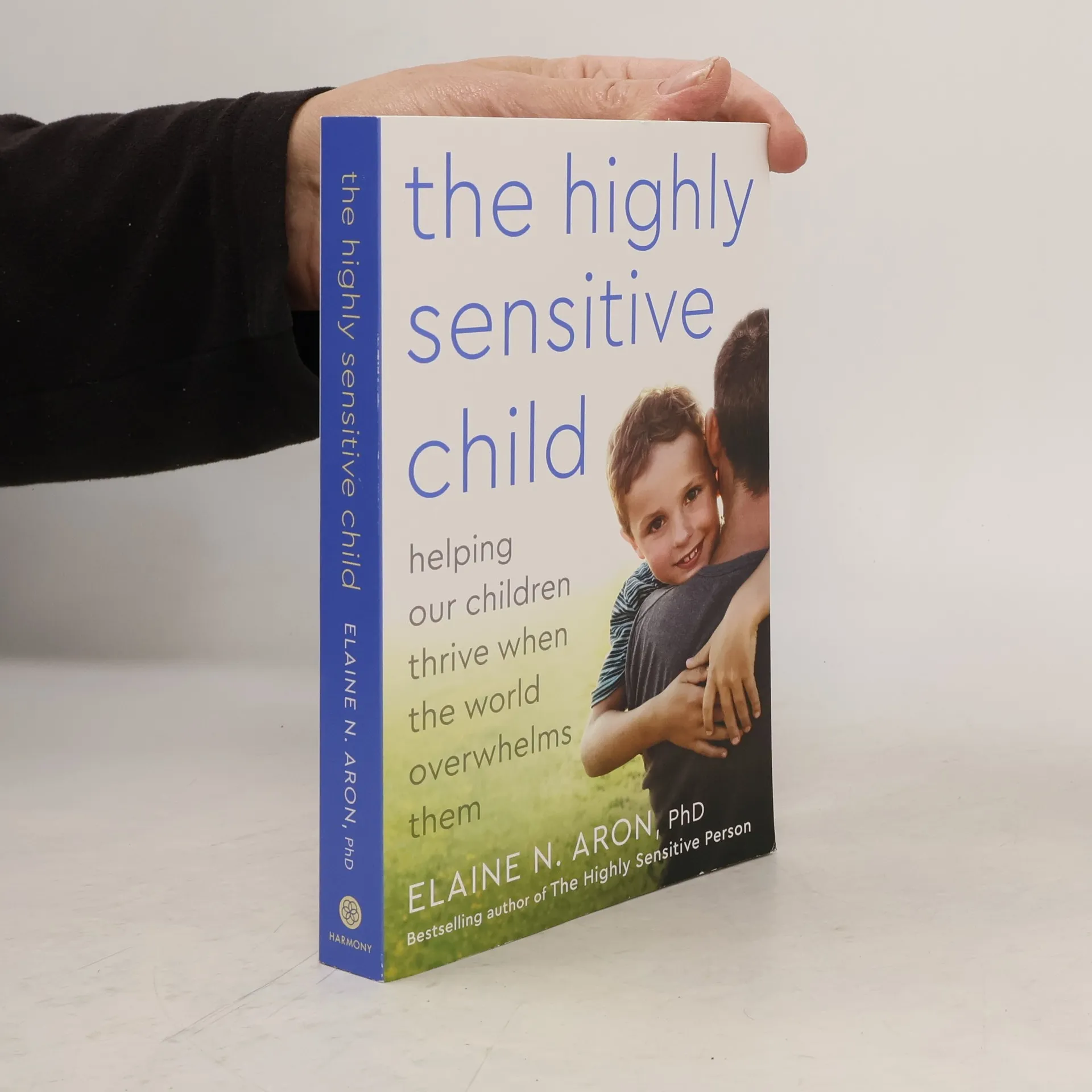
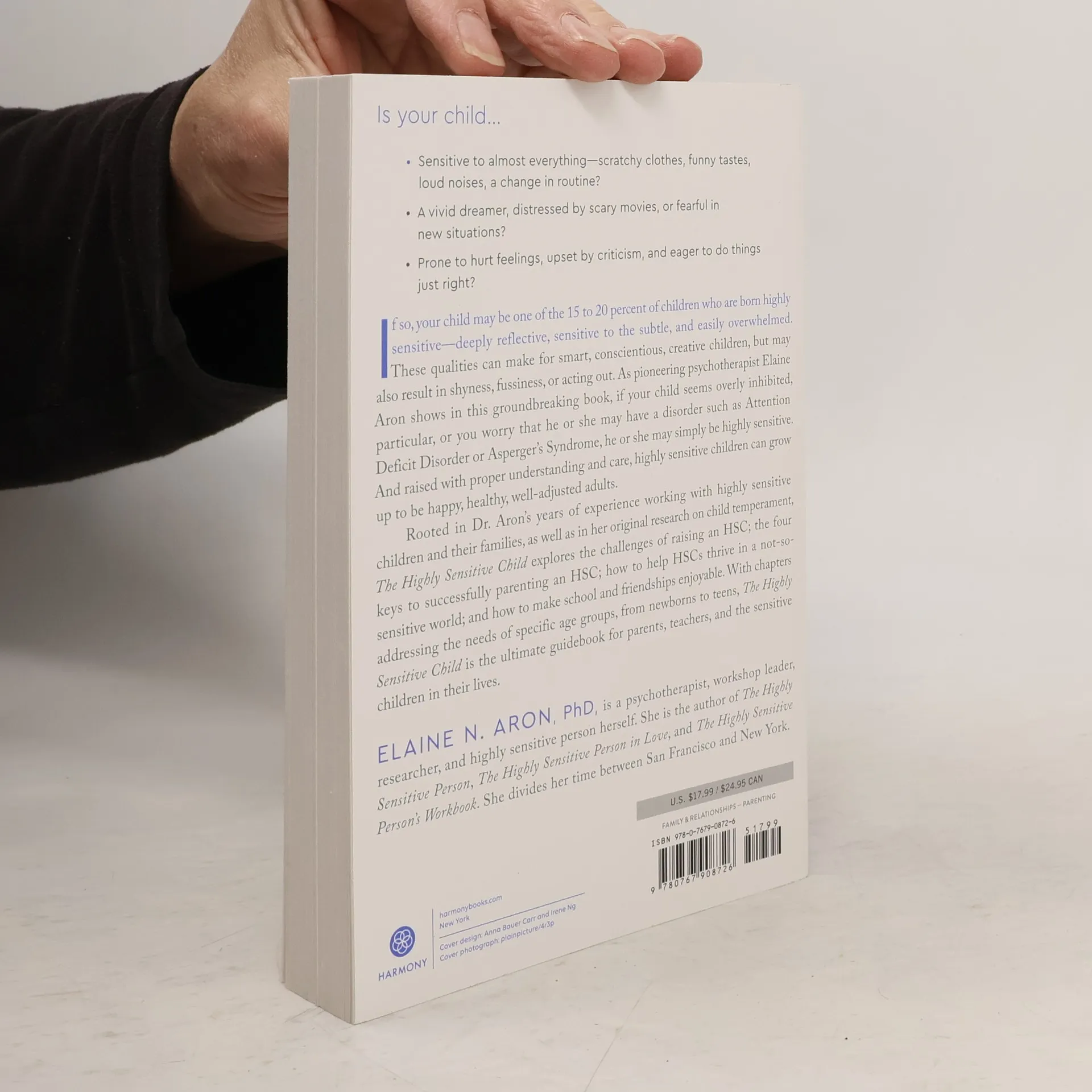
This groundbreaking parenting guide addresses the trait of “high sensitivity” in children, authored by the psychologist and bestselling author of The Highly Sensitive Person. Dr. Elaine Aron, who first identified high sensitivity and its impact on individuals, now focuses on the 15 to 20 percent of children born with this trait. These highly sensitive children are often deeply reflective, sensitive to subtleties, and easily overwhelmed. While these qualities can lead to intelligence, creativity, and conscientiousness, they may also result in shyness, fussiness, or behavioral issues. Dr. Aron suggests that if a child appears overly inhibited or particular, they might simply be highly sensitive rather than having a neurodevelopmental disorder like ADHD or autism. With the right understanding and care, these children can develop into happy, healthy adults. Drawing on her extensive experience and research, the guide explores the challenges of parenting highly sensitive children, offering four keys to successful parenting, strategies for helping them thrive, and tips for enhancing their school and social experiences. It includes chapters tailored to specific age groups, making it an essential resource for parents, teachers, and sensitive children alike.




Zakup książki
The Highly Sensitive Child, Elaine Aron
- Język

- Rok wydania
- 2002
- Oprawa
- (miękka)
Metody płatności
Brakuje nam tutaj Twojej recenzji.
- Tytuł
- The Highly Sensitive Child
- Język
- angielski
- Autorzy
- Elaine Aron
- Wydawca
- Harmony
- Rok wydania
- 2002
- Oprawa
- miękka
- Liczba stron
- 352
- ISBN10
- 0767908724
- ISBN13
- 9780767908726
- Seria
- Oryginalna nazwa
- The highly sensitive child
- Ocena
- 3,95 z 5
- Opis
- This groundbreaking parenting guide addresses the trait of “high sensitivity” in children, authored by the psychologist and bestselling author of The Highly Sensitive Person. Dr. Elaine Aron, who first identified high sensitivity and its impact on individuals, now focuses on the 15 to 20 percent of children born with this trait. These highly sensitive children are often deeply reflective, sensitive to subtleties, and easily overwhelmed. While these qualities can lead to intelligence, creativity, and conscientiousness, they may also result in shyness, fussiness, or behavioral issues. Dr. Aron suggests that if a child appears overly inhibited or particular, they might simply be highly sensitive rather than having a neurodevelopmental disorder like ADHD or autism. With the right understanding and care, these children can develop into happy, healthy adults. Drawing on her extensive experience and research, the guide explores the challenges of parenting highly sensitive children, offering four keys to successful parenting, strategies for helping them thrive, and tips for enhancing their school and social experiences. It includes chapters tailored to specific age groups, making it an essential resource for parents, teachers, and sensitive children alike.