



Seria
Parametry
- 318 stron
- 12 godzin czytania
Więcej o książce
Pressures for transformational change have become a regular feature of most fields of human endeavour. Master-thinkers and visionaries alike reframed existing divisions as connecting relationships, bringing together as dynamic systems the supposed opposites of parts and wholes, stability and change, individuals and society, and rational and creative thinking. This reframing of opposites as interconnected wholes led to realisation of the power of a collective mind. This book offers ways and means of creating the synergies that are crucial in harnessing that power towards a desired transformational change to a just and sustainable future. It describes how and why our current decision-making on any complex issue is marked by clashes between the different interests involved. In particular, the book pursues ways of bringing together government, specialised and community interests at the local, regional and personal scales in a collective transformation process. Practical examples signal the emergence of a new knowledge tradition that promises to be as powerful as the scientific enlightenment Written in accessible language, this book will be insightful reading for anyone struggling with transformational change, especially researchers, students and professionals in the fields of administration, governance, environmental management, international development, politics, public health, public law, sociology, and community development.



Zakup książki
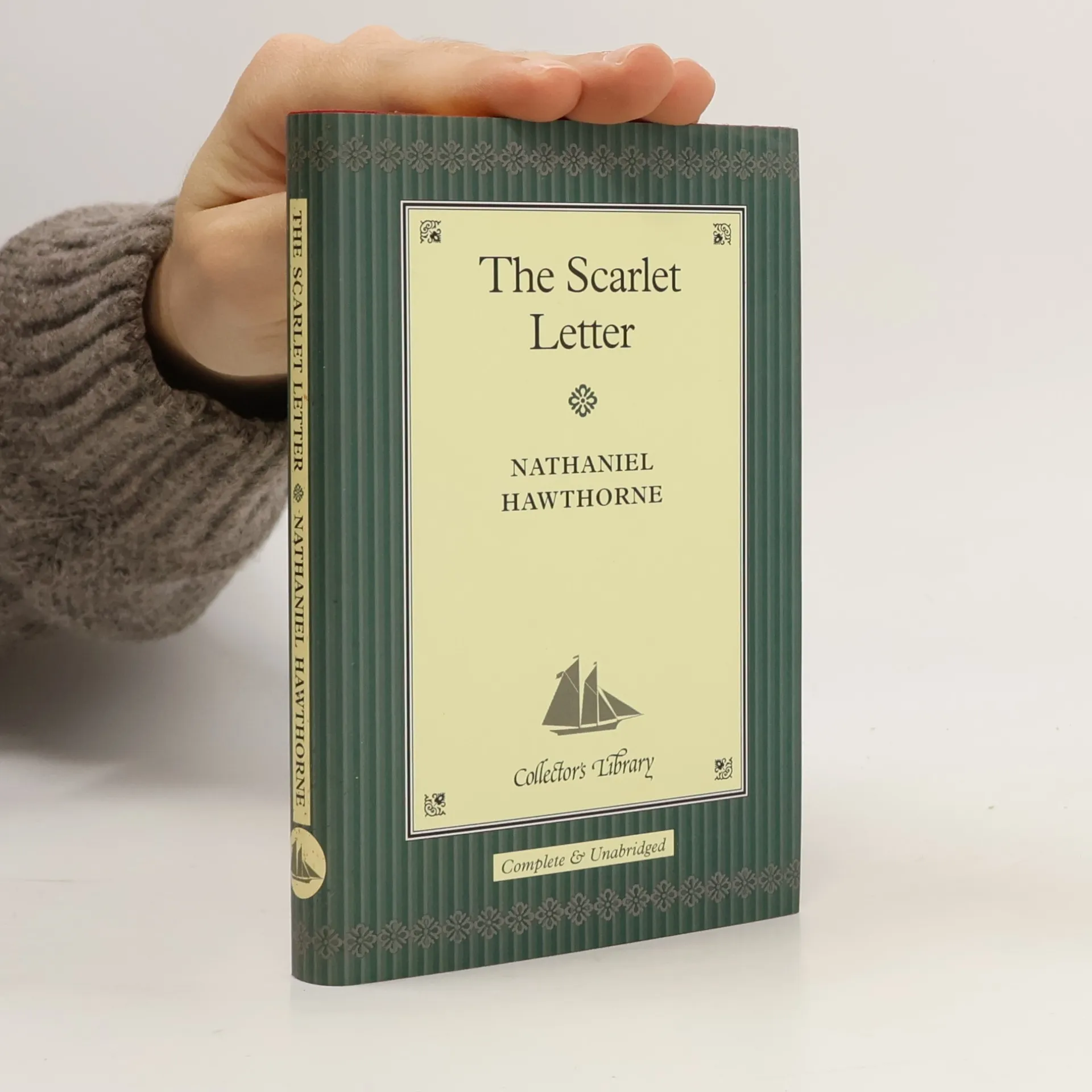
The Scarlet Letter, Nathaniel Hawthorne
- Język

- Rok wydania
- 2003
- Oprawa
- (twarda),
- Stan książki
- Bardzo dobry
- Cena
- 35,99 zł
Metody płatności
Brakuje nam tutaj Twojej recenzji.
- Tytuł
- The Scarlet Letter
- Język
- angielski
- Autorzy
- Nathaniel Hawthorne
- Wydawca
- Collector's Library
- Rok wydania
- 2003
- Oprawa
- twarda
- Liczba stron
- 318
- ISBN10
- 1904633129
- ISBN13
- 9781904633129
- Seria
- Manga Classics
- Tagi
- Tematy religijne, Miłość, USA, Dzieci, Literatura amerykańska, Szkoła, Tajemnice, Filmowa adaptacja, Ameryka, XVII wiek, Niewierność, Moralność, Uprzedzenia, Samotne rodzicielstwo, Boston, Nowa Anglia, Purytanie
- Pierwsze wydanie
- 1850
- Oryginalna nazwa
- The Scarlet Letter
- Ocena
- 3,45 z 5
- Opis
- Pressures for transformational change have become a regular feature of most fields of human endeavour. Master-thinkers and visionaries alike reframed existing divisions as connecting relationships, bringing together as dynamic systems the supposed opposites of parts and wholes, stability and change, individuals and society, and rational and creative thinking. This reframing of opposites as interconnected wholes led to realisation of the power of a collective mind. This book offers ways and means of creating the synergies that are crucial in harnessing that power towards a desired transformational change to a just and sustainable future. It describes how and why our current decision-making on any complex issue is marked by clashes between the different interests involved. In particular, the book pursues ways of bringing together government, specialised and community interests at the local, regional and personal scales in a collective transformation process. Practical examples signal the emergence of a new knowledge tradition that promises to be as powerful as the scientific enlightenment Written in accessible language, this book will be insightful reading for anyone struggling with transformational change, especially researchers, students and professionals in the fields of administration, governance, environmental management, international development, politics, public health, public law, sociology, and community development.