

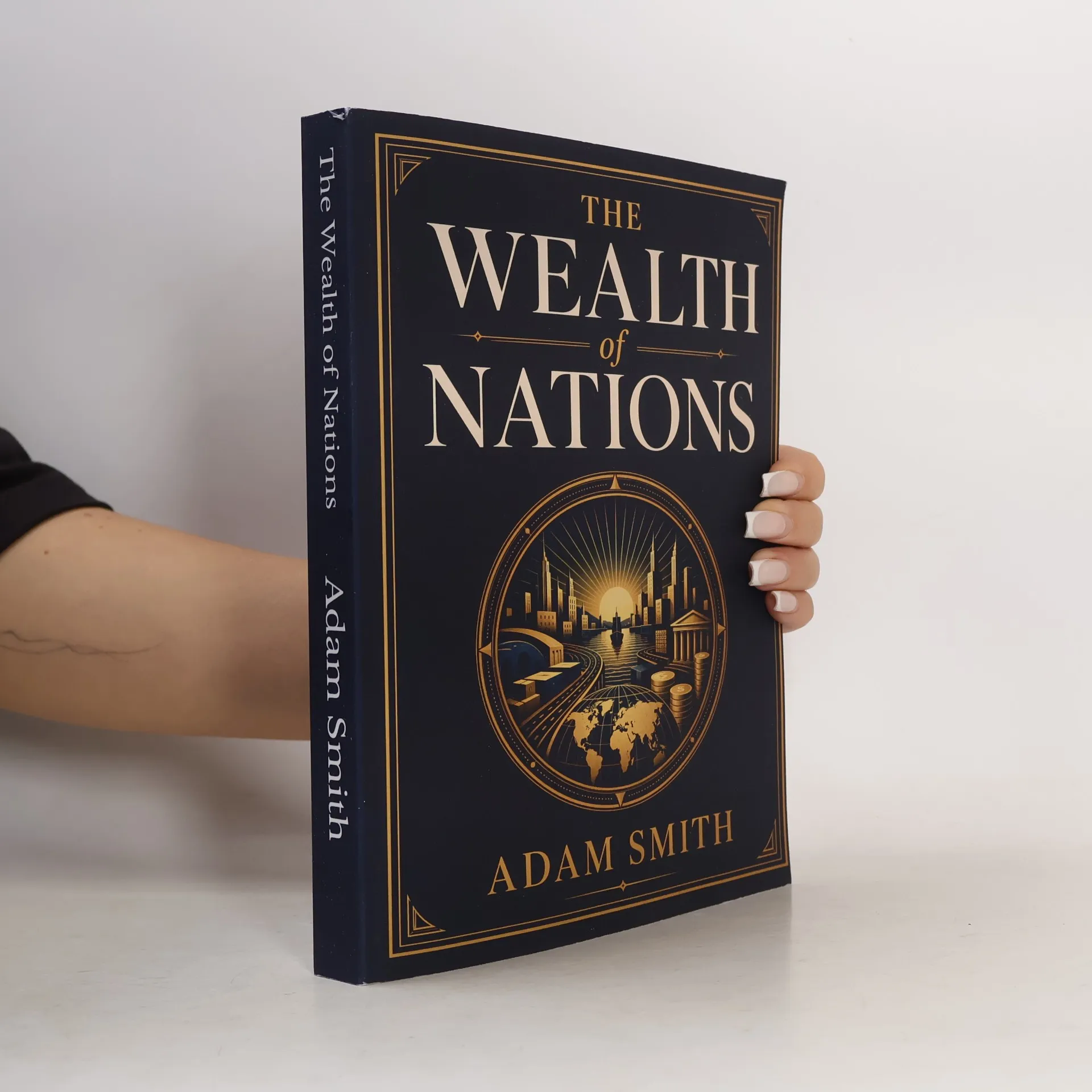


Więcej o książce
This classic work is essential for any thoughtful individual. Despite some outdated elements in Adam Smith's reasoning, it remains foundational to capitalism. While Marx later challenged Smith's ideas, Smith largely prevailed in the debate. Unfortunately, some misuse this text to justify the oppression of the weak, reflecting their own greed rather than Smith's intentions. The book articulates the economic principles of capitalism with clarity, presenting both compelling and troubling examples of the injustices that arise from interfering with free markets. It emphasizes the individual's capacity to enhance their wealth while advocating for the natural liberty of all. Smith does not claim that free markets eliminate suffering; rather, he argues that economic freedom offers the best chance for individuals to achieve happiness and adapt swiftly to market changes. Importantly, he does not endorse the inherent goodness of businesses, recognizing their tendency to manipulate supply for profit. Instead, he posits that a free market can effectively counteract such price-setting power. Additionally, the text warns that political decisions that seem compassionate may lead to unintended cruelty and suffering due to resulting supply shortages. The examples presented remain pertinent for evaluating contemporary political choices in today's so-called free market economies.



Zakup książki
The Wealth of Nations, Adam Smith
- Język

- Rok wydania
- 2013
- Oprawa
- (miękka),
- Stan książki
- Bardzo dobry
- Cena
- 39,04 zł
Metody płatności
Brakuje nam tutaj Twojej recenzji.
- Tytuł
- The Wealth of Nations
- Język
- angielski
- Autorzy
- Adam Smith
- Rok wydania
- 2013
- Oprawa
- miękka
- Liczba stron
- 426
- ISBN10
- 1494844737
- ISBN13
- 9781494844738
- Seria
- Kategorie
- Ocena
- 3,9 z 5
- Opis
- This classic work is essential for any thoughtful individual. Despite some outdated elements in Adam Smith's reasoning, it remains foundational to capitalism. While Marx later challenged Smith's ideas, Smith largely prevailed in the debate. Unfortunately, some misuse this text to justify the oppression of the weak, reflecting their own greed rather than Smith's intentions. The book articulates the economic principles of capitalism with clarity, presenting both compelling and troubling examples of the injustices that arise from interfering with free markets. It emphasizes the individual's capacity to enhance their wealth while advocating for the natural liberty of all. Smith does not claim that free markets eliminate suffering; rather, he argues that economic freedom offers the best chance for individuals to achieve happiness and adapt swiftly to market changes. Importantly, he does not endorse the inherent goodness of businesses, recognizing their tendency to manipulate supply for profit. Instead, he posits that a free market can effectively counteract such price-setting power. Additionally, the text warns that political decisions that seem compassionate may lead to unintended cruelty and suffering due to resulting supply shortages. The examples presented remain pertinent for evaluating contemporary political choices in today's so-called free market economies.