

Więcej o książce
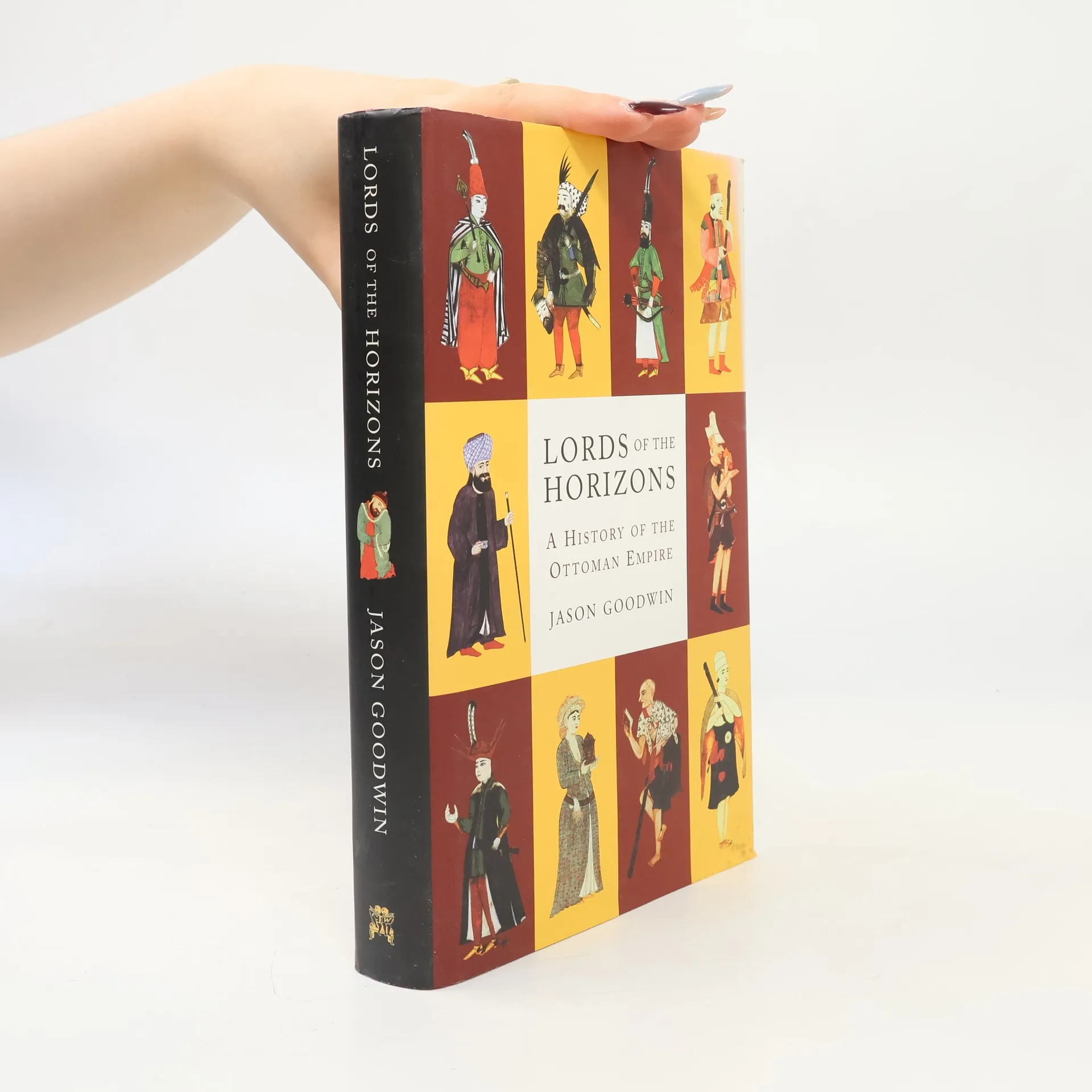
At its height, the Ottoman Empire spanned from Iran to Turkey, showcasing a rich tapestry of ethnicities and nations. While Islamic, many subjects were not Muslim, and although Turkish, much of the military was composed of Balkan Slavs. The empire was characterized by Byzantine ceremonies, Persian dignity, Egyptian wealth, and Arabic literature. Jason Goodwin attributes the empire's longevity to its tolerance, flexibility, and meritocracy, rather than enforced cultural assimilation. However, it was fundamentally a military state, with every road leading to a military purpose. Horses held a revered status, sometimes more than men, and peace often led to disunity, while war was where the Ottomans excelled. Their military camps were orderly compared to the chaotic Western camps, described as "Babels of disorder." Goodwin vividly portrays 15th-century battles with cinematic flair, capturing the intensity and strategy involved. Yet, as industrialism rose in Western Europe, the martial strengths of the empire became obsolete. Nationalism emerged as a destructive force, leading to inflation and insecurity, which in turn fostered factionalism and disloyalty. The once-tolerant empire faced a decline marked by quarantine systems that mocked its foundational acceptance. Goodwin’s work is rich with imagery and concludes with a unique reflection on the history of Turkish dogs, symbolizing the empire's complex legacy.



Zakup książki
Lords of the Horizons, Jason Goodwin
- Język

- Rok wydania
- 1998
- Oprawa
- (twarda)
Metody płatności
Brakuje nam tutaj Twojej recenzji.
- Tytuł
- Lords of the Horizons
- Podtytuł
- A History of the Ottoman Empire
- Język
- angielski
- Autorzy
- Jason Goodwin
- Wydawca
- Chatto&Windus
- Rok wydania
- 1998
- Oprawa
- twarda
- Liczba stron
- 288
- ISBN10
- 0701136693
- ISBN13
- 9780701136697
- Seria
- Kategorie
- Ocena
- 3,65 z 5
- Opis
- At its height, the Ottoman Empire spanned from Iran to Turkey, showcasing a rich tapestry of ethnicities and nations. While Islamic, many subjects were not Muslim, and although Turkish, much of the military was composed of Balkan Slavs. The empire was characterized by Byzantine ceremonies, Persian dignity, Egyptian wealth, and Arabic literature. Jason Goodwin attributes the empire's longevity to its tolerance, flexibility, and meritocracy, rather than enforced cultural assimilation. However, it was fundamentally a military state, with every road leading to a military purpose. Horses held a revered status, sometimes more than men, and peace often led to disunity, while war was where the Ottomans excelled. Their military camps were orderly compared to the chaotic Western camps, described as "Babels of disorder." Goodwin vividly portrays 15th-century battles with cinematic flair, capturing the intensity and strategy involved. Yet, as industrialism rose in Western Europe, the martial strengths of the empire became obsolete. Nationalism emerged as a destructive force, leading to inflation and insecurity, which in turn fostered factionalism and disloyalty. The once-tolerant empire faced a decline marked by quarantine systems that mocked its foundational acceptance. Goodwin’s work is rich with imagery and concludes with a unique reflection on the history of Turkish dogs, symbolizing the empire's complex legacy.