

Parametry
- 672 strony
- 24 godziny czytania
Więcej o książce
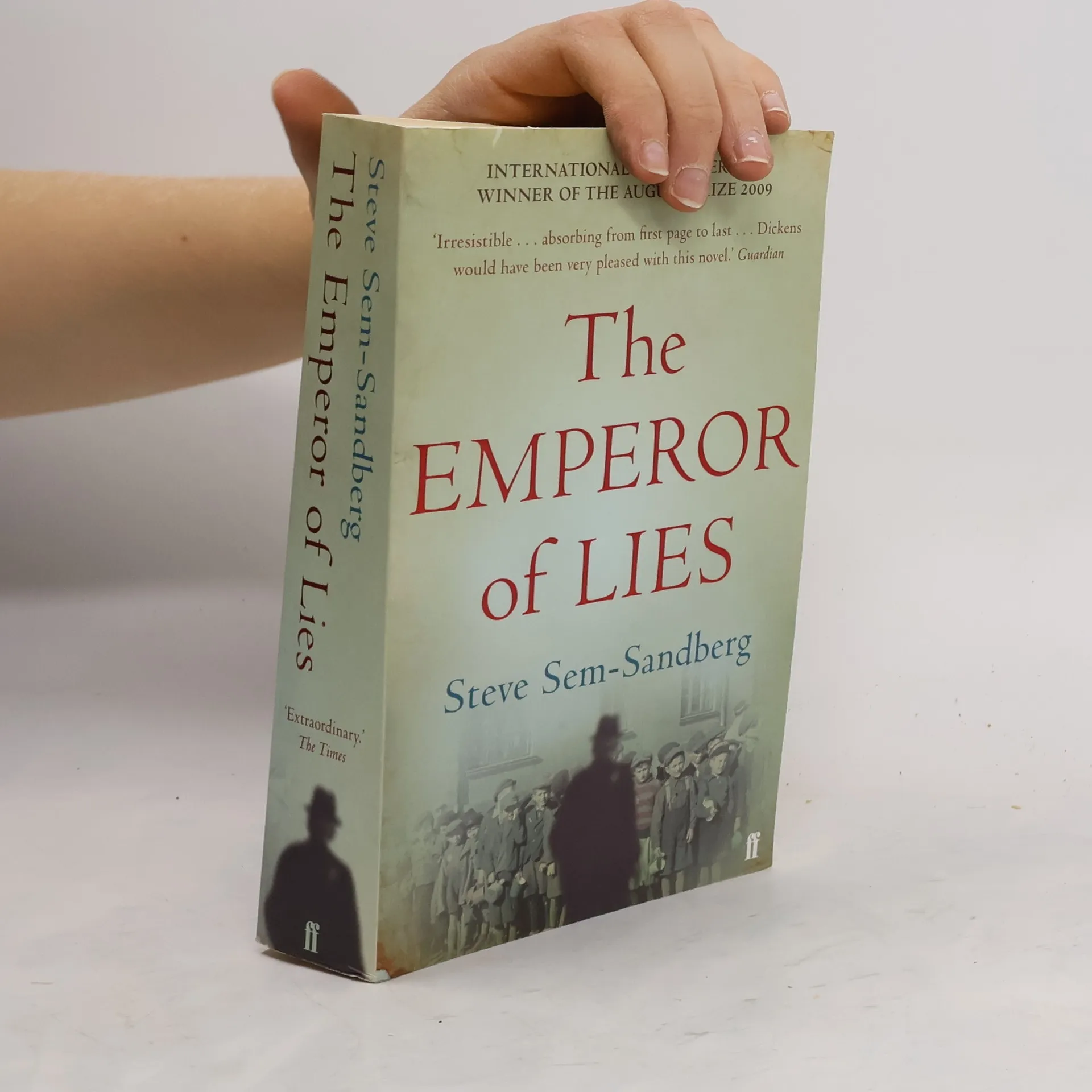
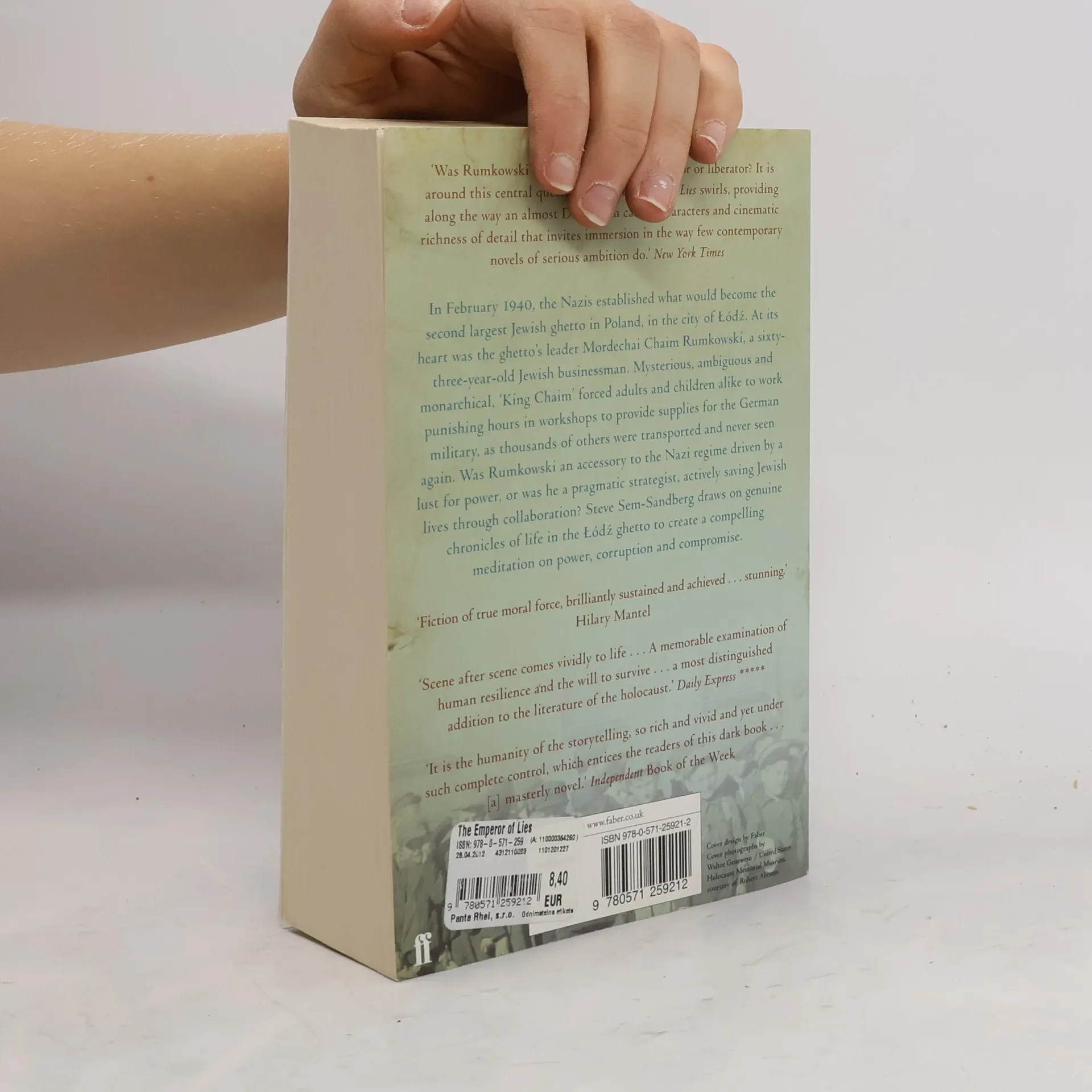
A compelling tale of power, corruption and compromise from one of Scandinavia's most revered authors.In February 1940, the Nazis established what would become the second largest Jewish ghetto in Poland, in the city of Lódz. Its chosen leader: Mordechai Chaim Rumkowski, a sixty-three-year-old Jewish businessman. Mysterious, ambiguous and monarchical, 'King Chaim' forced adults and children alike to work punishing hours providing supplies for the German military. Thousands of others were transported and never seen again.Was Rumkowski an accessory to the Nazi regime, driven by lust for power, or was he a pragmatic strategist, actively saving Jewish lives through apparent collaboration? Steve Sem-Sandberg draws on genuine chronicles of life in the Lódz ghetto to capture the full panorama of human resilience, and to question the nature of good and evil.




Zakup książki
The emperor of lies, Steve Sem-Sandberg
- Język

- Rok wydania
- 2012
- Oprawa
- (miękka)
Metody płatności
Brakuje nam tutaj Twojej recenzji.
- Tytuł
- The emperor of lies
- Język
- angielski
- Autorzy
- Steve Sem-Sandberg
- Wydawca
- Faber
- Rok wydania
- 2012
- Oprawa
- miękka
- Liczba stron
- 672
- ISBN10
- 0571259219
- ISBN13
- 9780571259212
- Seria
- Tagi
- Tematy historyczne, Fikcja wojenna, Wojny, II Wojna Światowa, Żydzi, Holokaust, Nazizm, Literatura skandynawska, Walka, Polska, Literatura szwedzka, Wina, Rozpacz, Smutne, Getto, Żydowskie getta, Łódź, Getto łódzkie
- Pierwsze wydanie
- 2009
- Oryginalna nazwa
- De fattiga i Łódź
- Ocena
- 3,85 z 5
- Opis
- A compelling tale of power, corruption and compromise from one of Scandinavia's most revered authors.In February 1940, the Nazis established what would become the second largest Jewish ghetto in Poland, in the city of Lódz. Its chosen leader: Mordechai Chaim Rumkowski, a sixty-three-year-old Jewish businessman. Mysterious, ambiguous and monarchical, 'King Chaim' forced adults and children alike to work punishing hours providing supplies for the German military. Thousands of others were transported and never seen again.Was Rumkowski an accessory to the Nazi regime, driven by lust for power, or was he a pragmatic strategist, actively saving Jewish lives through apparent collaboration? Steve Sem-Sandberg draws on genuine chronicles of life in the Lódz ghetto to capture the full panorama of human resilience, and to question the nature of good and evil.