

Więcej o książce
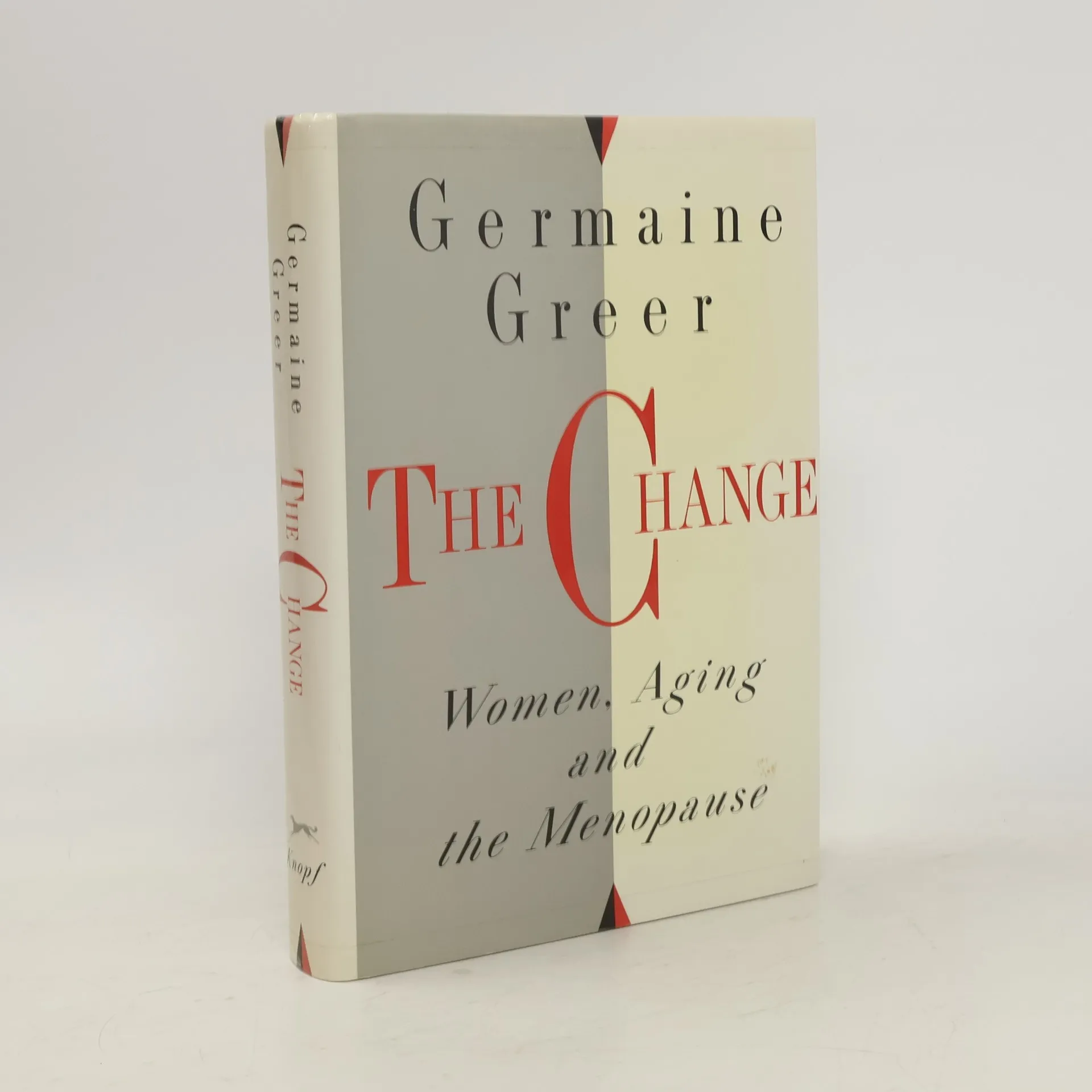
In this authoritative and audacious study, Germaine Greer challenges accepted notions about the physical and emotional effects of menopause and aging, laying the groundwork for a reassessment by women of these life stages that society has conditioned them to fear. Quoting extensively from diverse sources, Greer examines the evolving ideas about menopause and aging over the last two centuries, concluding that "the sum of our ignorance still far outweighs our knowledge." She argues that a woman's self-knowledge can be more enlightening than what "objective" observers provide. Greer urges women to take charge of their health and question established "truths." She scrutinizes current treatments for menopause, particularly estrogen replacement therapy, exposing the exaggerated claims made by the medical profession and drug manufacturers. Additionally, she explores lesser-known traditional and alternative non-medical treatments. Greer addresses the emotional and physical changes experienced by menopausal women and proposes a new "art" of aging based on acceptance of personal experiences and transformed needs. Her passionate ideas serve as a rallying cry against cultural and sexual stereotypes that have restricted menopausal and aging women, encouraging them to embrace the freedoms that come with change and to cultivate the serenity and power that can result.



Zakup książki
The Change: Women, Aging and the Menopause, Germaine Greer
- Język

- Rok wydania
- 1992
- Oprawa
- (twarda)
Metody płatności
Brakuje nam tutaj Twojej recenzji.
- Tytuł
- The Change: Women, Aging and the Menopause
- Język
- angielski
- Autorzy
- Germaine Greer
- Wydawca
- Alfred A. Knopf
- Rok wydania
- 1992
- Oprawa
- twarda
- Liczba stron
- 422
- ISBN10
- 0394582691
- ISBN13
- 9780394582696
- Seria
- Tagi
- Zdrowie & Medycyna, Kobiety, Zdrowie, Feminizm, Gender
- Ocena
- 3,85 z 5
- Opis
- In this authoritative and audacious study, Germaine Greer challenges accepted notions about the physical and emotional effects of menopause and aging, laying the groundwork for a reassessment by women of these life stages that society has conditioned them to fear. Quoting extensively from diverse sources, Greer examines the evolving ideas about menopause and aging over the last two centuries, concluding that "the sum of our ignorance still far outweighs our knowledge." She argues that a woman's self-knowledge can be more enlightening than what "objective" observers provide. Greer urges women to take charge of their health and question established "truths." She scrutinizes current treatments for menopause, particularly estrogen replacement therapy, exposing the exaggerated claims made by the medical profession and drug manufacturers. Additionally, she explores lesser-known traditional and alternative non-medical treatments. Greer addresses the emotional and physical changes experienced by menopausal women and proposes a new "art" of aging based on acceptance of personal experiences and transformed needs. Her passionate ideas serve as a rallying cry against cultural and sexual stereotypes that have restricted menopausal and aging women, encouraging them to embrace the freedoms that come with change and to cultivate the serenity and power that can result.