

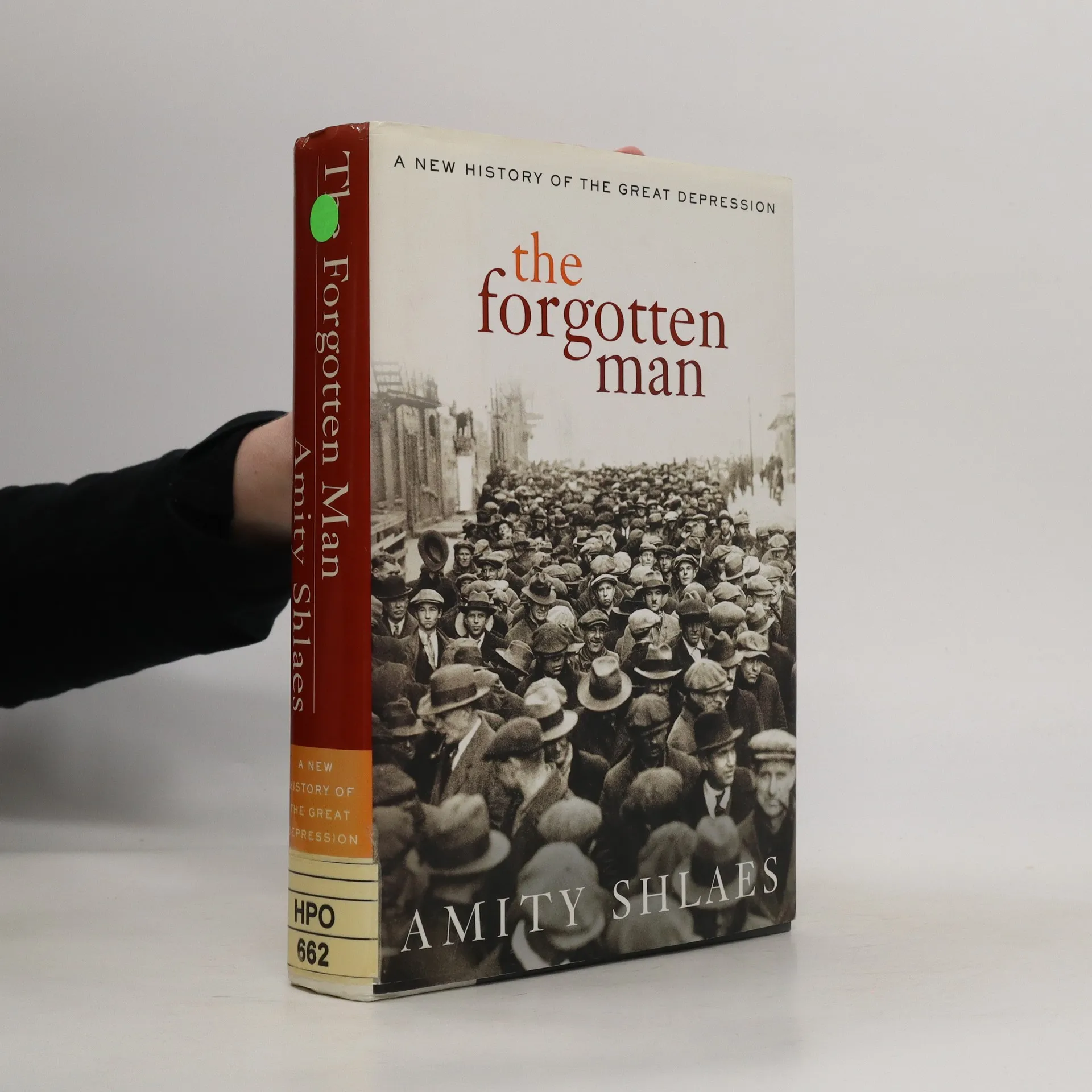
Więcej o książce
It's difficult today to imagine how America survived the Great Depression--only through the stories of the common people who struggled during that era can we really understand it. These people are at the heart of this reinterpretation of one of the most crucial events of the twentieth century. Author Shlaes presents the neglected and moving stories of individual Americans, and shows how through brave leadership they helped establish the steadfast character we developed as a nation. Shlaes also traces the mounting agony of the New Dealers themselves as they discovered their errors. She shows how both Hoover and Roosevelt failed to understand the prosperity of the 1920s and heaped massive burdens on the country that more than offset the benefit of New Deal programs. The real question about the Depression, she argues, is not whether Roosevelt ended it--it is why it lasted so long.--From publisher description.


Zakup książki
The Forgotten Man, Amity Shlaes
- Język

- Rok wydania
- 2007
- Oprawa
- (twarda)
Metody płatności
Brakuje nam tutaj Twojej recenzji.
- Tytuł
- The Forgotten Man
- Język
- angielski
- Autorzy
- Amity Shlaes
- Wydawca
- Harper Collins
- Rok wydania
- 2007
- Oprawa
- twarda
- Liczba stron
- 480
- ISBN10
- 0066211700
- ISBN13
- 9780066211701
- Seria
- Kategorie
- Ocena
- 3,95 z 5
- Opis
- It's difficult today to imagine how America survived the Great Depression--only through the stories of the common people who struggled during that era can we really understand it. These people are at the heart of this reinterpretation of one of the most crucial events of the twentieth century. Author Shlaes presents the neglected and moving stories of individual Americans, and shows how through brave leadership they helped establish the steadfast character we developed as a nation. Shlaes also traces the mounting agony of the New Dealers themselves as they discovered their errors. She shows how both Hoover and Roosevelt failed to understand the prosperity of the 1920s and heaped massive burdens on the country that more than offset the benefit of New Deal programs. The real question about the Depression, she argues, is not whether Roosevelt ended it--it is why it lasted so long.--From publisher description.