

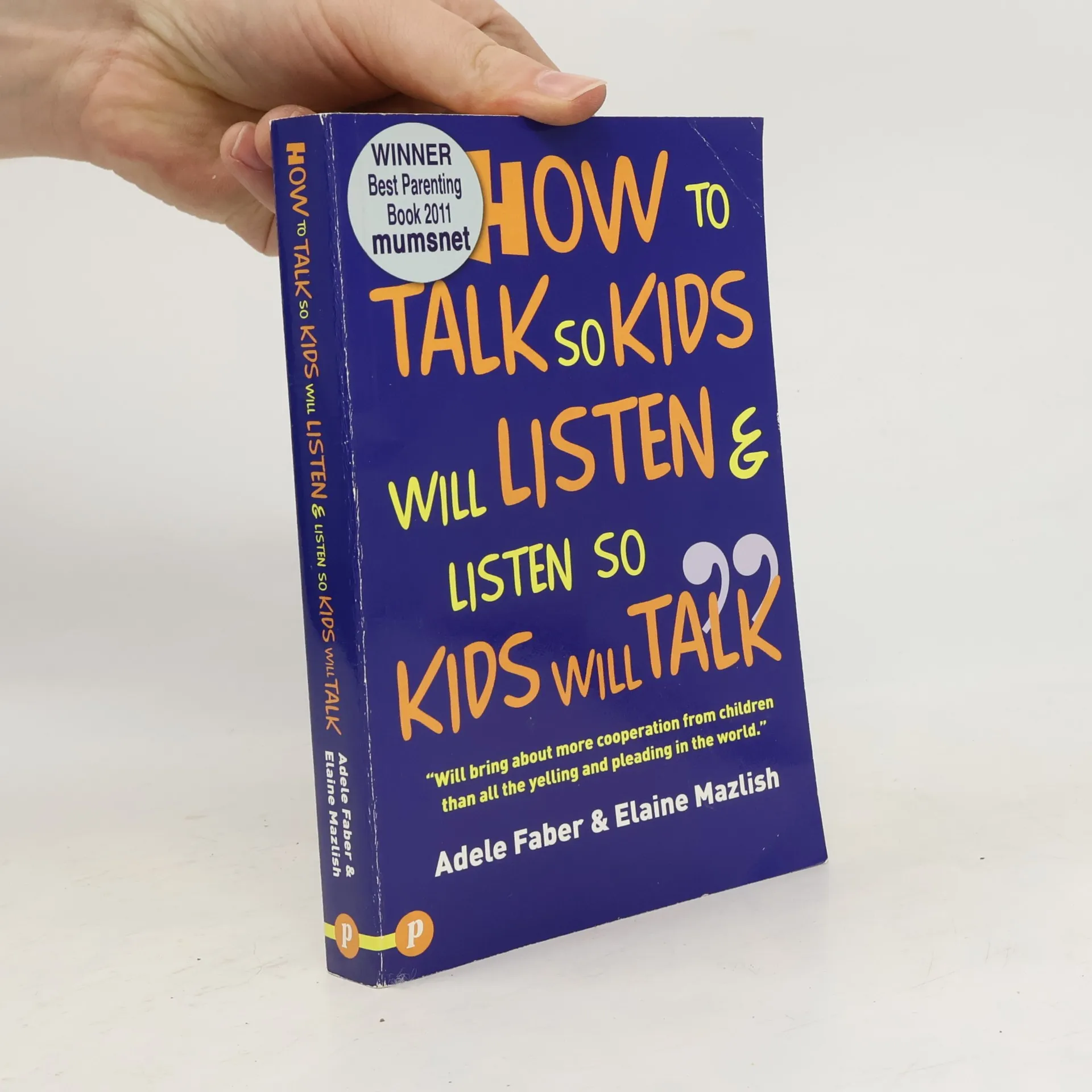

How to Talk So Kids Will Listen and Listen So Kids Will Talk
Autorzy
Ocena książki
Parametry
- 304 strony
- 11 godzin czytania
Więcej o książce
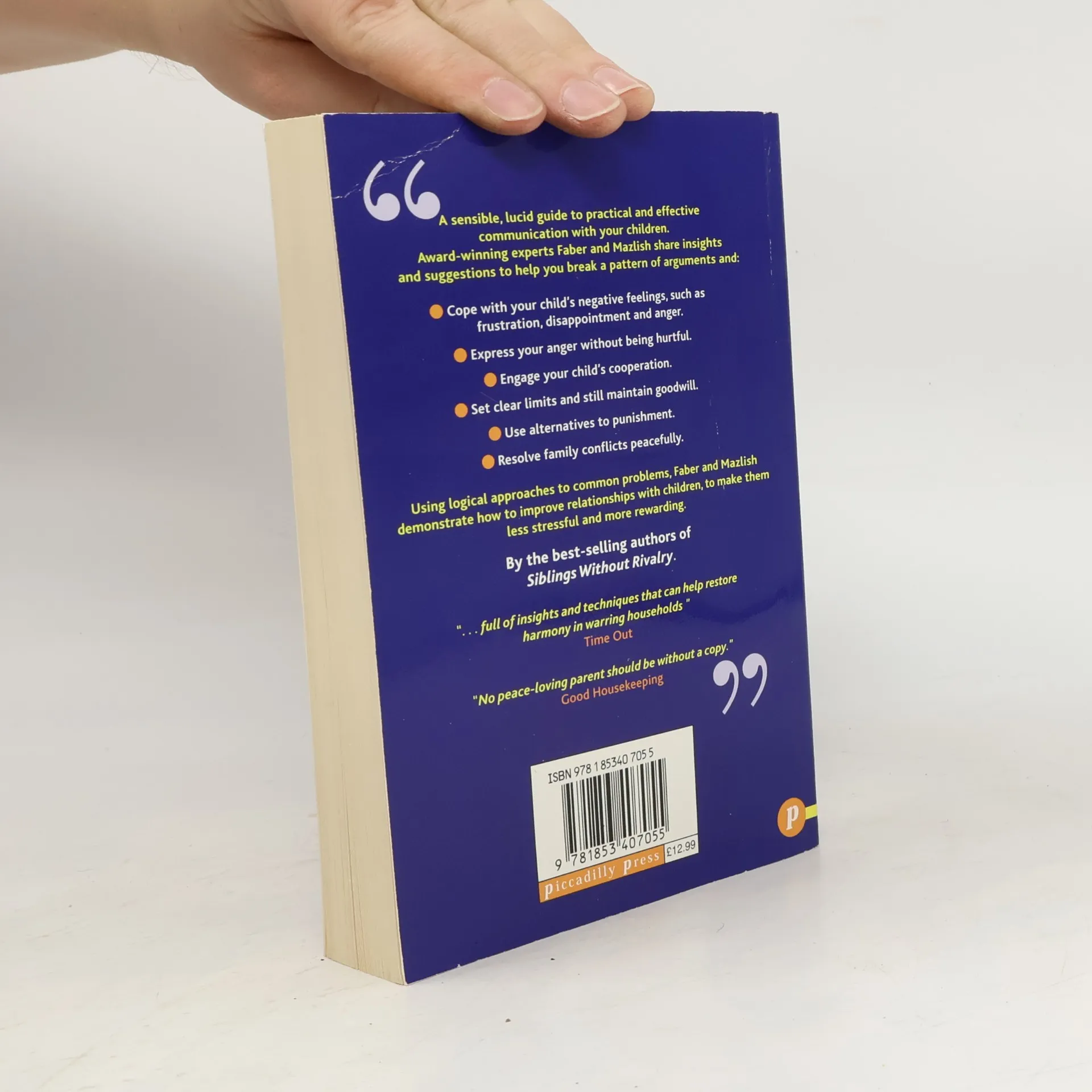
Get your kids' cooperation...without arguing. Morning hassles and bedtime battles disappear when you apply the communication techniques these experts have been teaching parents nationwide. Even if you've felt you had no other alternative than to lecture or criticize, you'll be able to reduce the wear and tear on yourself and your family with this practical program. Adele Faber and Elaine Mazlish -- once frustrated mothers themselves -- use real-life situations to show how you can respect and respond to your child's feelings and satisfy your own needs. You'll learn Avoid turning simple conversations into arguments Instruct rather than criticize when correcting your child Choose effective alternatives to punishment Show your child how to make amends Allow him to experience the direct consequences of his actions See immediate changes in your relationship with your children -- changes that will mean the difference between bad feelings and good ones; between fighting and loving.




Zakup książki
How to Talk So Kids Will Listen and Listen So Kids Will Talk, Adele Faber, Elaine Mazlish
- Język

- Rok wydania
- 2001
- Oprawa
- (miękka),
- Stan książki
- Dobry
- Cena
- 39,49 zł
Metody płatności
Brakuje nam tutaj Twojej recenzji.
- Tytuł
- How to Talk So Kids Will Listen and Listen So Kids Will Talk
- Język
- angielski
- Autorzy
- Adele Faber, Elaine Mazlish
- Wydawca
- Piccadilly Press
- Rok wydania
- 2001
- Oprawa
- miękka
- Liczba stron
- 304
- ISBN10
- 1853407054
- ISBN13
- 9781853407055
- Seria
- Tagi
- Tematyka psychologiczna, Rodzina, Dzieci, Edukacja & Szkolnictwo, Rodzicielstwo, Literatura rosyjska, Literatura ukraińska, Ukraiński
- Pierwsze wydanie
- 2006
- Oryginalna nazwa
- How to Talk So Kids Can Learn - At Home and in School
- Ocena
- 4,25 z 5
- Opis
- Get your kids' cooperation...without arguing. Morning hassles and bedtime battles disappear when you apply the communication techniques these experts have been teaching parents nationwide. Even if you've felt you had no other alternative than to lecture or criticize, you'll be able to reduce the wear and tear on yourself and your family with this practical program. Adele Faber and Elaine Mazlish -- once frustrated mothers themselves -- use real-life situations to show how you can respect and respond to your child's feelings and satisfy your own needs. You'll learn Avoid turning simple conversations into arguments Instruct rather than criticize when correcting your child Choose effective alternatives to punishment Show your child how to make amends Allow him to experience the direct consequences of his actions See immediate changes in your relationship with your children -- changes that will mean the difference between bad feelings and good ones; between fighting and loving.