

Więcej o książce
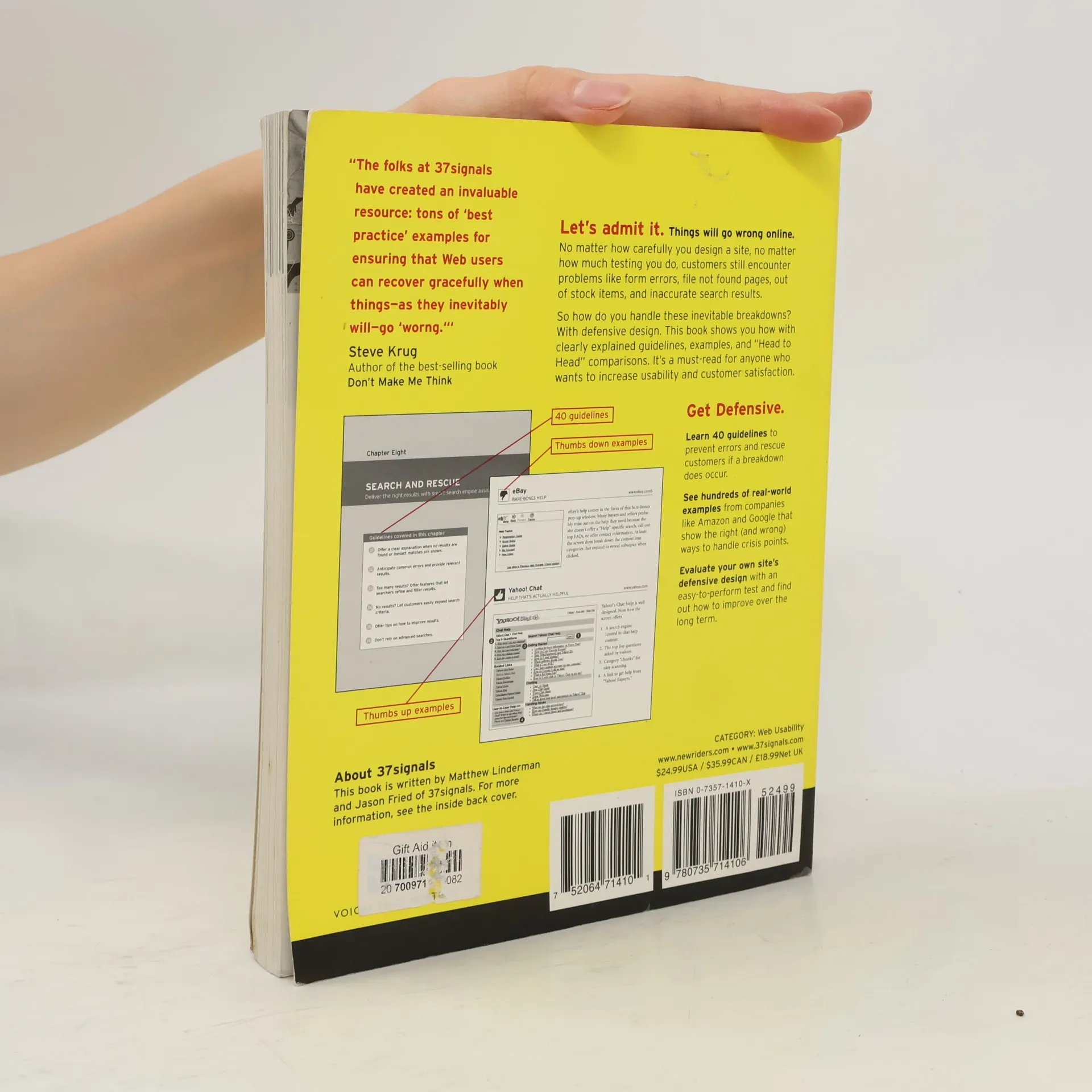
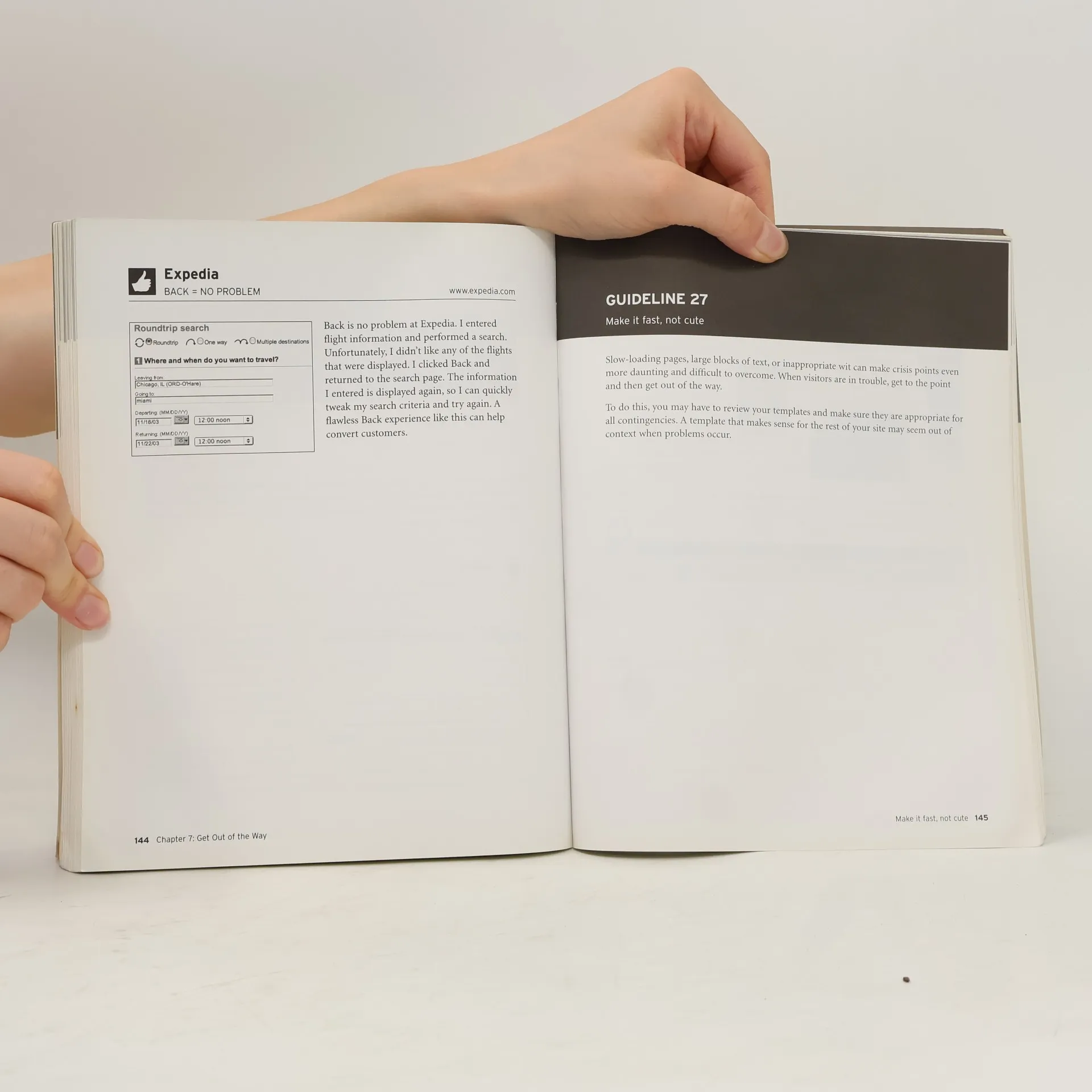
Let's admit Things will go wrong online. No matter how carefully you design a site, no matter how much testing you do, customers still encounter problems. So how do you handle these inevitable breakdowns? With defensive design. In this book, the experts at 37signals (whose clients include Microsoft, Qwest, Monster.com, and Clear Channel) will show you how. Defensive design is like defensive driving brought to the Web. The same way drivers must always be on the lookout for slick roads, reckless drivers, and other dangerous scenarios, site builders must constantly search for trouble spots that cause visitors confusion and frustration. Good site defense can make or break the customer experience. In these pages, you'll see hundreds of real-world examples from companies like Amazon, Google, and Yahoo that show the right (and wrong) ways to get defensive. You'll learn 40 guidelines to prevent errors and rescue customers if a breakdown occurs. You'll also explore how to evaluate your own site's defensive design and improve it over the long term. This book is a must read for designers, programmers, copywriters, and any other site decision-makers who want to increase usability and customer satisfaction.
Zakup książki
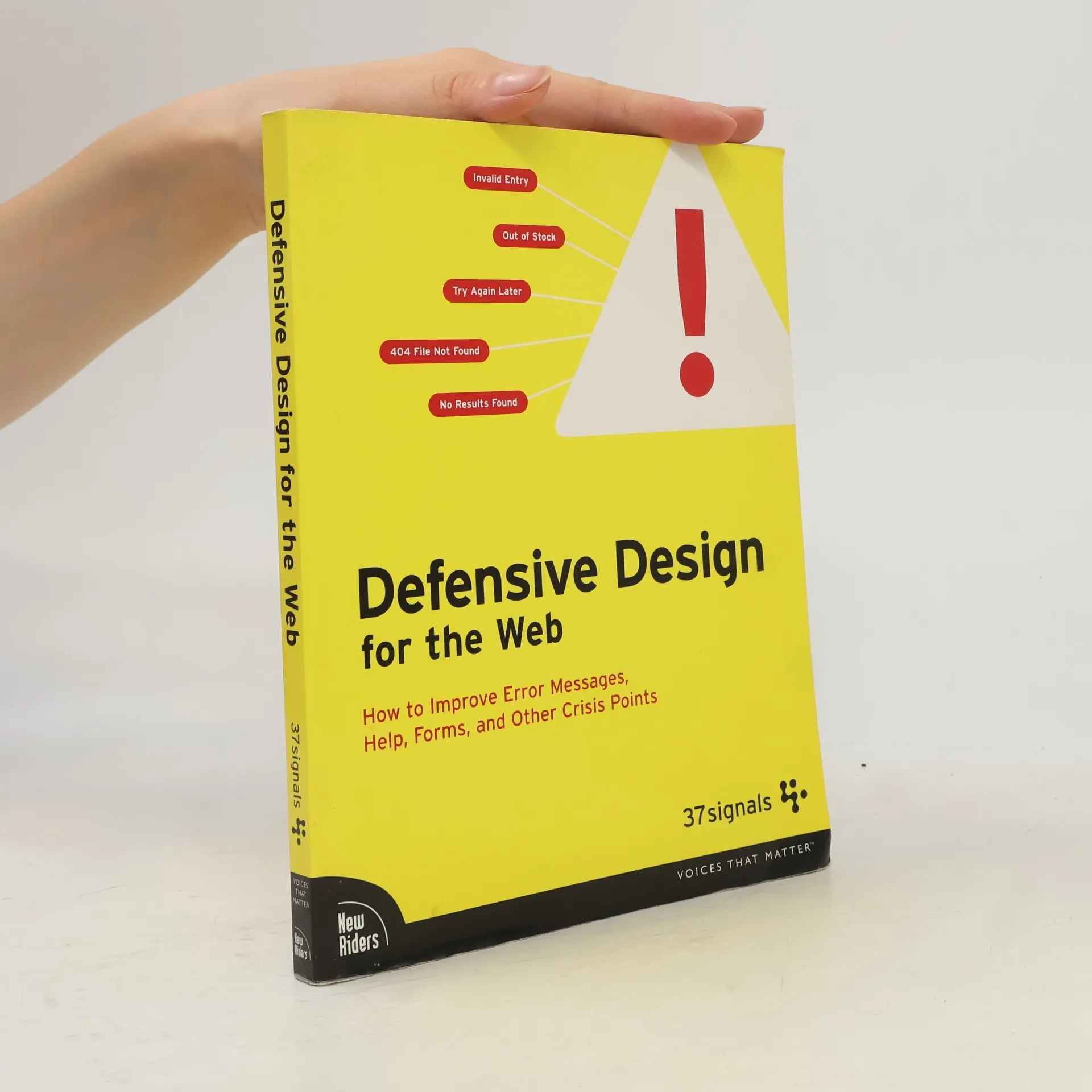
Defensive design for the web, Matthew Linderman, Jason Fried
- Język

- Rok wydania
- 2009
- Oprawa
- (miękka),
- Stan książki
- Dobry
- Cena
- 10,51 zł
Metody płatności
Brakuje nam tutaj Twojej recenzji.
- Tytuł
- Defensive design for the web
- Język
- angielski
- Autorzy
- Matthew Linderman, Jason Fried
- Wydawca
- New Riders
- Rok wydania
- 2009
- Oprawa
- miękka
- Liczba stron
- 264
- ISBN10
- 073571410x
- ISBN13
- 9780735714106
- Seria
- Kolekcja
- Voices that matter
- Kategorie
- Tagi
- Technologia
- Ocena
- 3,85 z 5
- Opis
- Let's admit Things will go wrong online. No matter how carefully you design a site, no matter how much testing you do, customers still encounter problems. So how do you handle these inevitable breakdowns? With defensive design. In this book, the experts at 37signals (whose clients include Microsoft, Qwest, Monster.com, and Clear Channel) will show you how. Defensive design is like defensive driving brought to the Web. The same way drivers must always be on the lookout for slick roads, reckless drivers, and other dangerous scenarios, site builders must constantly search for trouble spots that cause visitors confusion and frustration. Good site defense can make or break the customer experience. In these pages, you'll see hundreds of real-world examples from companies like Amazon, Google, and Yahoo that show the right (and wrong) ways to get defensive. You'll learn 40 guidelines to prevent errors and rescue customers if a breakdown occurs. You'll also explore how to evaluate your own site's defensive design and improve it over the long term. This book is a must read for designers, programmers, copywriters, and any other site decision-makers who want to increase usability and customer satisfaction.