

Więcej o książce
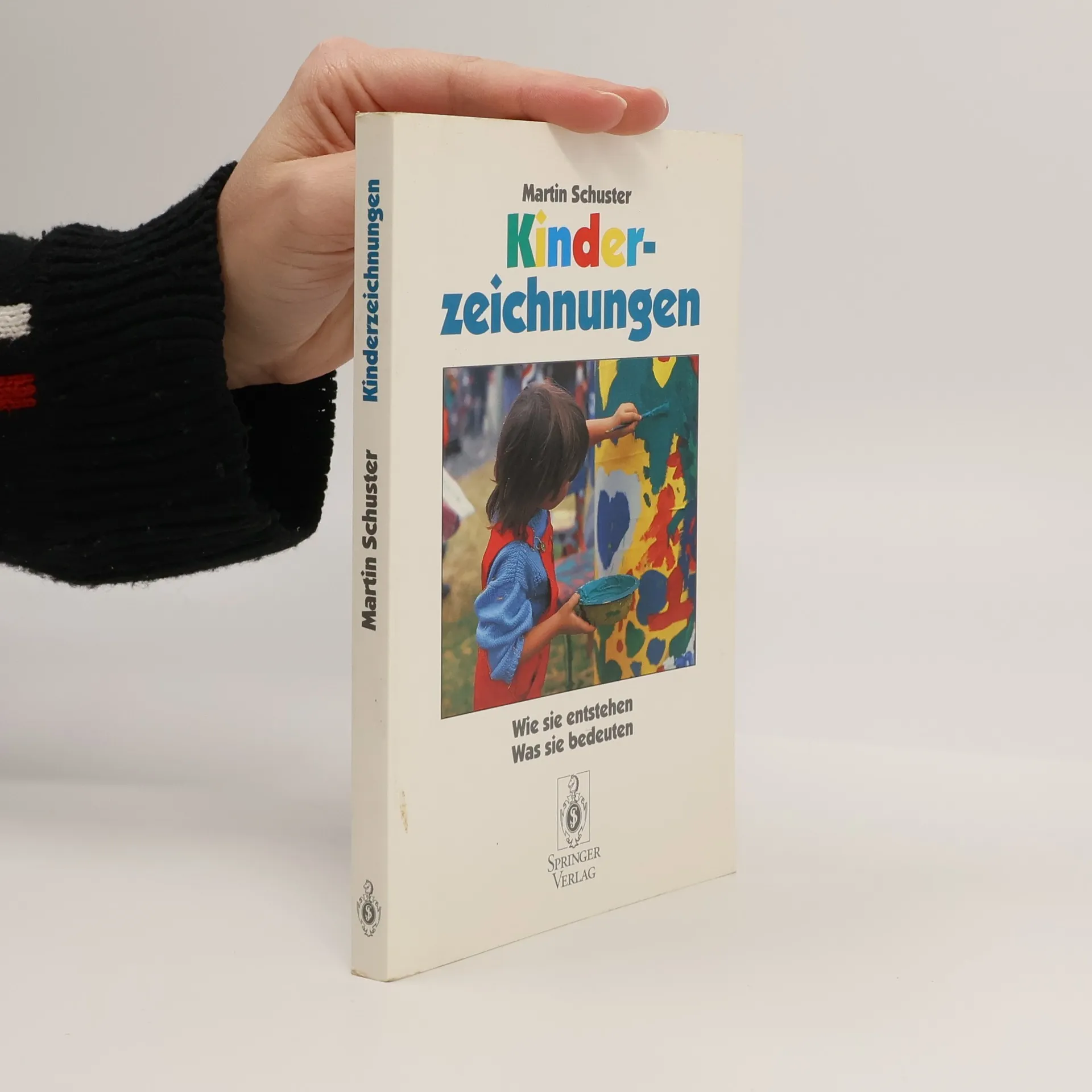
The book explores various aspects of children's drawings, addressing questions about their abilities and creativity. It discusses developmental stages and characteristics of children's artwork, including phases like the scribble phase, schematic phase, and differences between genders. The text delves into how children perceive and represent space, emphasizing the evolution of spatial representation across cultures. Individual styles and unique drawing talents are highlighted, along with ways to nurture these skills. Additionally, the book examines the relationship between knowledge and drawing, particularly in children with autism and the impact of societal conventions. It presents drawings as encrypted messages, reflecting children's fantasies, emotions, and experiences, especially in challenging situations such as illness or trauma. Diagnostic values of specific drawing features are also considered. The text includes drawing tests, such as the man-drawing test, to identify emotional issues and explores therapeutic approaches through artistic expression. It discusses the significance of children's drawings within various cultures, revealing cultural values and historical changes in artistic expression. Lastly, it reflects on childhood themes evident in drawings, including love, power dynamics, and gender roles, while suggesting engaging drawing games for children.


Zakup książki
Kinderzeichnungen, Martin Schuster
- Język

- Rok wydania
- 1994
- Oprawa
- (miękka)
Metody płatności
Brakuje nam tutaj Twojej recenzji.
- Tytuł
- Kinderzeichnungen
- Podtytuł
- Wie sie entstehen, was sie bedeuten
- Język
- niemiecki
- Autorzy
- Martin Schuster
- Wydawca
- Springer
- Rok wydania
- 1994
- Oprawa
- miękka
- Liczba stron
- 187
- ISBN10
- 354057042X
- ISBN13
- 9783540570424
- Seria
- Ocena
- 4 z 5
- Opis
- The book explores various aspects of children's drawings, addressing questions about their abilities and creativity. It discusses developmental stages and characteristics of children's artwork, including phases like the scribble phase, schematic phase, and differences between genders. The text delves into how children perceive and represent space, emphasizing the evolution of spatial representation across cultures. Individual styles and unique drawing talents are highlighted, along with ways to nurture these skills. Additionally, the book examines the relationship between knowledge and drawing, particularly in children with autism and the impact of societal conventions. It presents drawings as encrypted messages, reflecting children's fantasies, emotions, and experiences, especially in challenging situations such as illness or trauma. Diagnostic values of specific drawing features are also considered. The text includes drawing tests, such as the man-drawing test, to identify emotional issues and explores therapeutic approaches through artistic expression. It discusses the significance of children's drawings within various cultures, revealing cultural values and historical changes in artistic expression. Lastly, it reflects on childhood themes evident in drawings, including love, power dynamics, and gender roles, while suggesting engaging drawing games for children.