

Więcej o książce
Here, Heidegger first takes up the role of the definition of philosophy and then elaborates a unique analysis of "factical life," or human life as it is lived concretely in relation to the world, a relation he calls "caring." Heidegger's descriptions of the movement of life are original, striking, and unique to this lecture course. As he works out a phenomenology of factical life, Heidegger lays the groundwork for a phenomenological interpretation of Aristotle, whose influence on Heidegger's philosophy was pivotal. Important and detailed discussions of phenomenological research, philosophical definition, formal indication, the relationship between philosophy and the sciences, facticity, the surrounding world, questionability, and temporality emerge from this provocative text.




Zakup książki
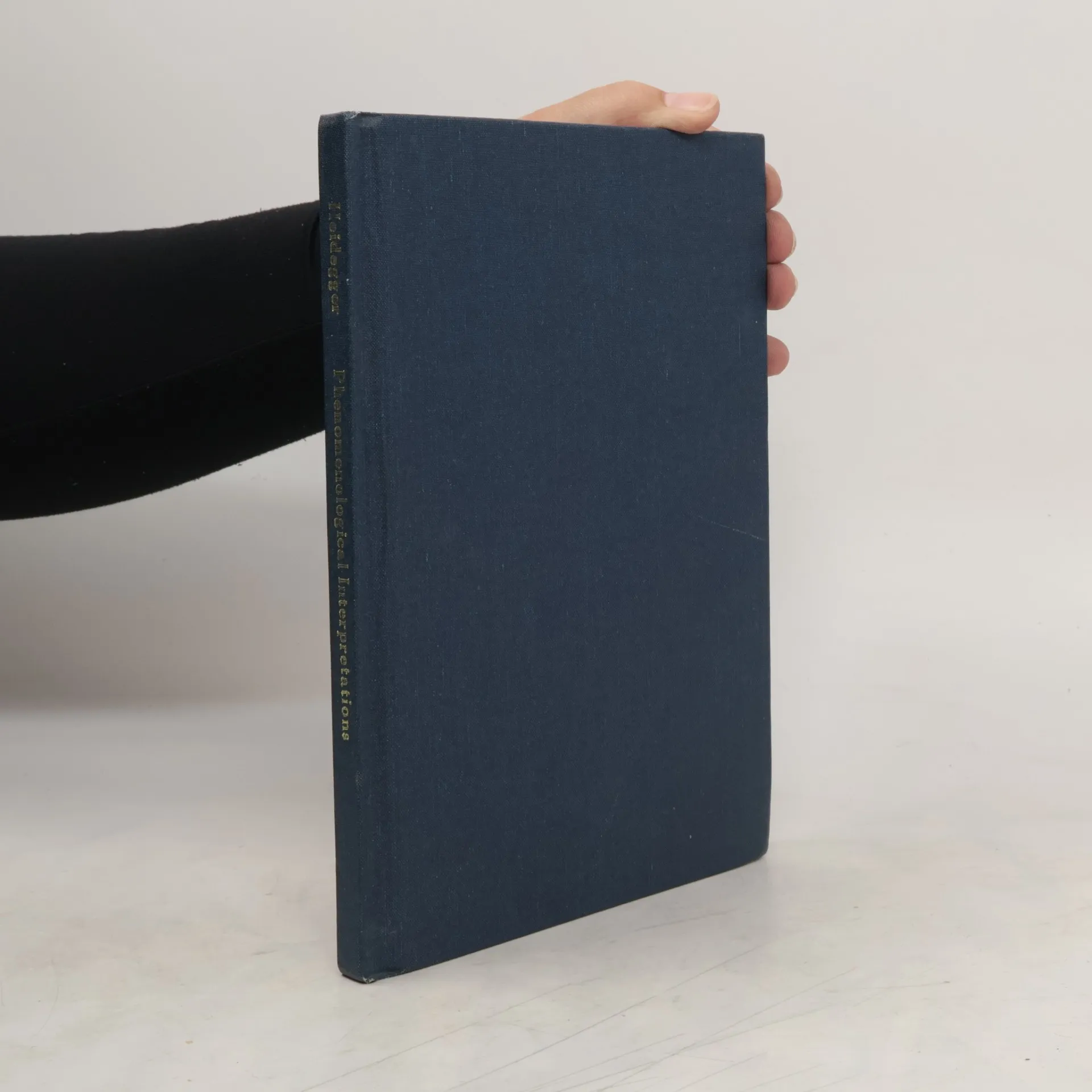
Phenomenological interpretations of Aristotle, Martin Heidegger
- Język

- Rok wydania
- 2001
- Oprawa
- (twarda)
Metody płatności
Brakuje nam tutaj Twojej recenzji.
- Tytuł
- Phenomenological interpretations of Aristotle
- Język
- angielski
- Autorzy
- Martin Heidegger
- Wydawca
- Indiana Univ. Press
- Rok wydania
- 2001
- Oprawa
- twarda
- Liczba stron
- 240
- ISBN10
- 0253339936
- ISBN13
- 9780253339935
- Kategorie
- Oryginalna nazwa
- Phänomenologische Interpretationen zu Aristoteles
- Ocena
- 4 z 5
- Opis
- Here, Heidegger first takes up the role of the definition of philosophy and then elaborates a unique analysis of "factical life," or human life as it is lived concretely in relation to the world, a relation he calls "caring." Heidegger's descriptions of the movement of life are original, striking, and unique to this lecture course. As he works out a phenomenology of factical life, Heidegger lays the groundwork for a phenomenological interpretation of Aristotle, whose influence on Heidegger's philosophy was pivotal. Important and detailed discussions of phenomenological research, philosophical definition, formal indication, the relationship between philosophy and the sciences, facticity, the surrounding world, questionability, and temporality emerge from this provocative text.