




Więcej o książce
The inspirational story of World War Two-era Soviet fighter pilot Alexey Petrovich Maresyev (May 20, 1916–May 19, 2001). On April 4, 1942, Maresyev's Polikarpov I-16 was shot down near Staraya Russa, then occupied by Nazi Germany. Maresyev survives the crash but is badly wounded. Despite his injuries, and after a grueling 18-day struggle to return to Soviet-controlled territory, he is rescued and cared for by villagers from a collective farm before being transferred to a hospital. Eventually both his legs are amputated below the knee. Desperate to return to his career as a fighter pilot, Maresyev undergoes nearly a year of therapy and exercise to master the control of his prosthetic devices, and returns to flying in June 1943. During his recovery, he is inspired by the thought of his girlfriend and the support of his fellow patients. By the war's end, Maresyev had completed 86 combat flights and shot down 11 German warplanes. In 1943 he was awarded the Golden Star of the Hero of the Soviet Union, the highest military decoration of the USSR. In 1944, Maresyev joined the Communist Party and two years later retired from the army. Eventually he became a member of Supreme Soviet. On a side note, the book was made into an opera by the Russian composer Sergei Prokofiev and premiered in Leningrad (now Saint Petersburg) on December 3, 1948.




Zakup książki
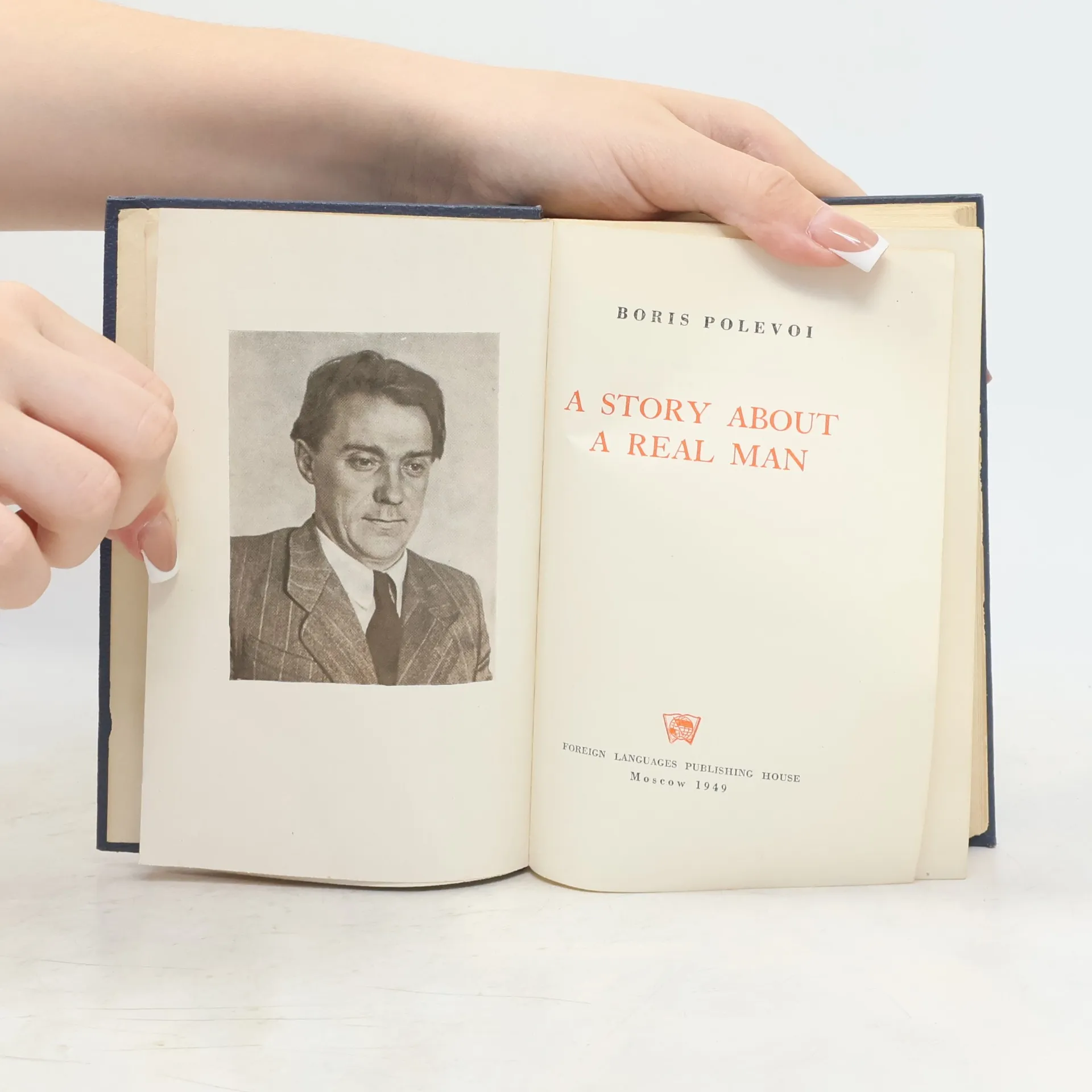
A Story About Real Man, Boris Polevoj
- Język

- Rok wydania
- 1949
- Oprawa
- (twarda),
- Stan książki
- Dobry
- Cena
- 64,19 zł
Metody płatności
Brakuje nam tutaj Twojej recenzji.
- Tytuł
- A Story About Real Man
- Język
- angielski
- Autorzy
- Boris Polevoj
- Rok wydania
- 1949
- Oprawa
- twarda
- Seria
- Kategorie
- Tagi
- Tematy historyczne, Fikcja wojenna, II Wojna Światowa, Filmowa adaptacja, Oparte na faktach, Nowy początek, Niepełnosprawność, Niepełnosprawność
- Ocena
- 3,8 z 5
- Opis
- The inspirational story of World War Two-era Soviet fighter pilot Alexey Petrovich Maresyev (May 20, 1916–May 19, 2001). On April 4, 1942, Maresyev's Polikarpov I-16 was shot down near Staraya Russa, then occupied by Nazi Germany. Maresyev survives the crash but is badly wounded. Despite his injuries, and after a grueling 18-day struggle to return to Soviet-controlled territory, he is rescued and cared for by villagers from a collective farm before being transferred to a hospital. Eventually both his legs are amputated below the knee. Desperate to return to his career as a fighter pilot, Maresyev undergoes nearly a year of therapy and exercise to master the control of his prosthetic devices, and returns to flying in June 1943. During his recovery, he is inspired by the thought of his girlfriend and the support of his fellow patients. By the war's end, Maresyev had completed 86 combat flights and shot down 11 German warplanes. In 1943 he was awarded the Golden Star of the Hero of the Soviet Union, the highest military decoration of the USSR. In 1944, Maresyev joined the Communist Party and two years later retired from the army. Eventually he became a member of Supreme Soviet. On a side note, the book was made into an opera by the Russian composer Sergei Prokofiev and premiered in Leningrad (now Saint Petersburg) on December 3, 1948.