


Więcej o książce
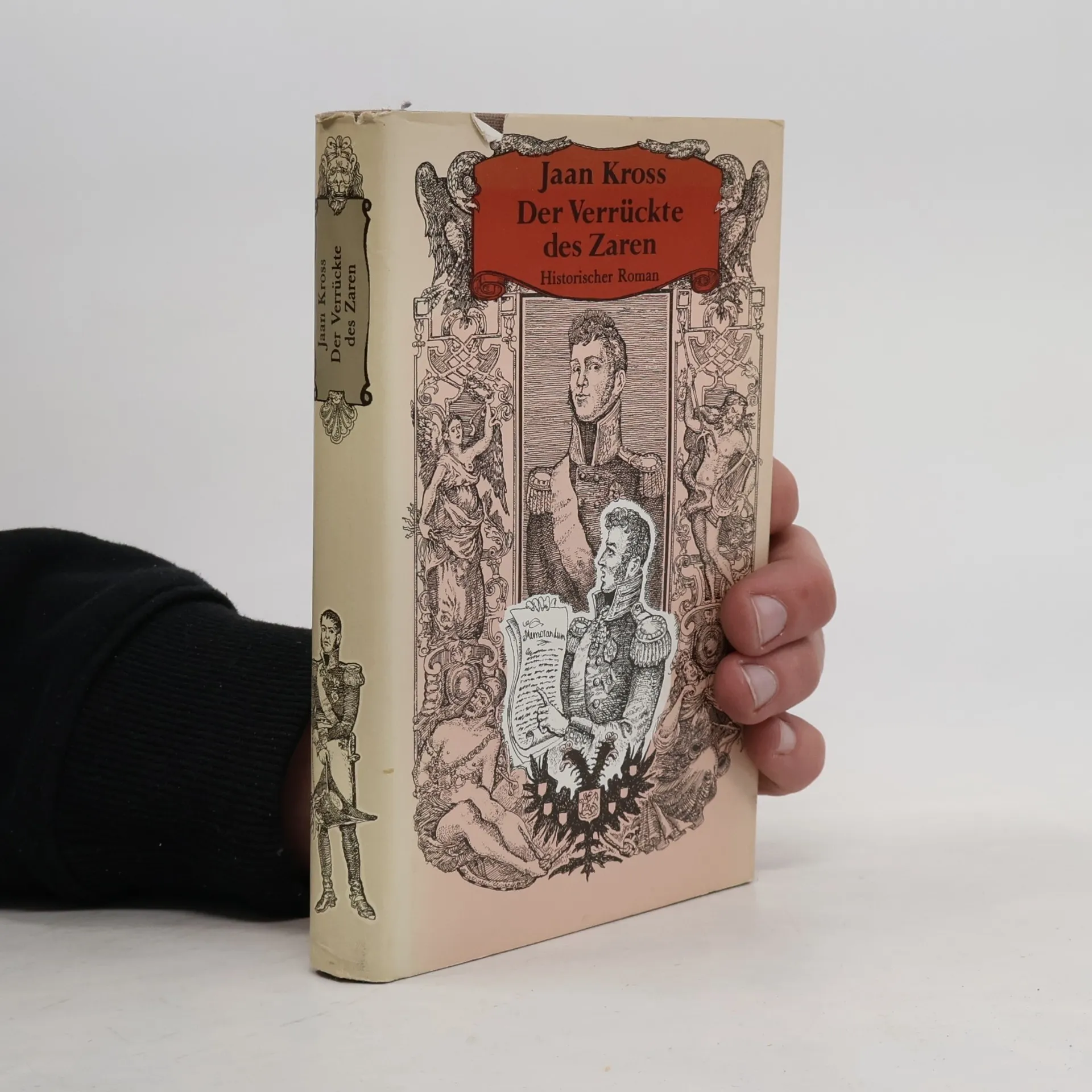
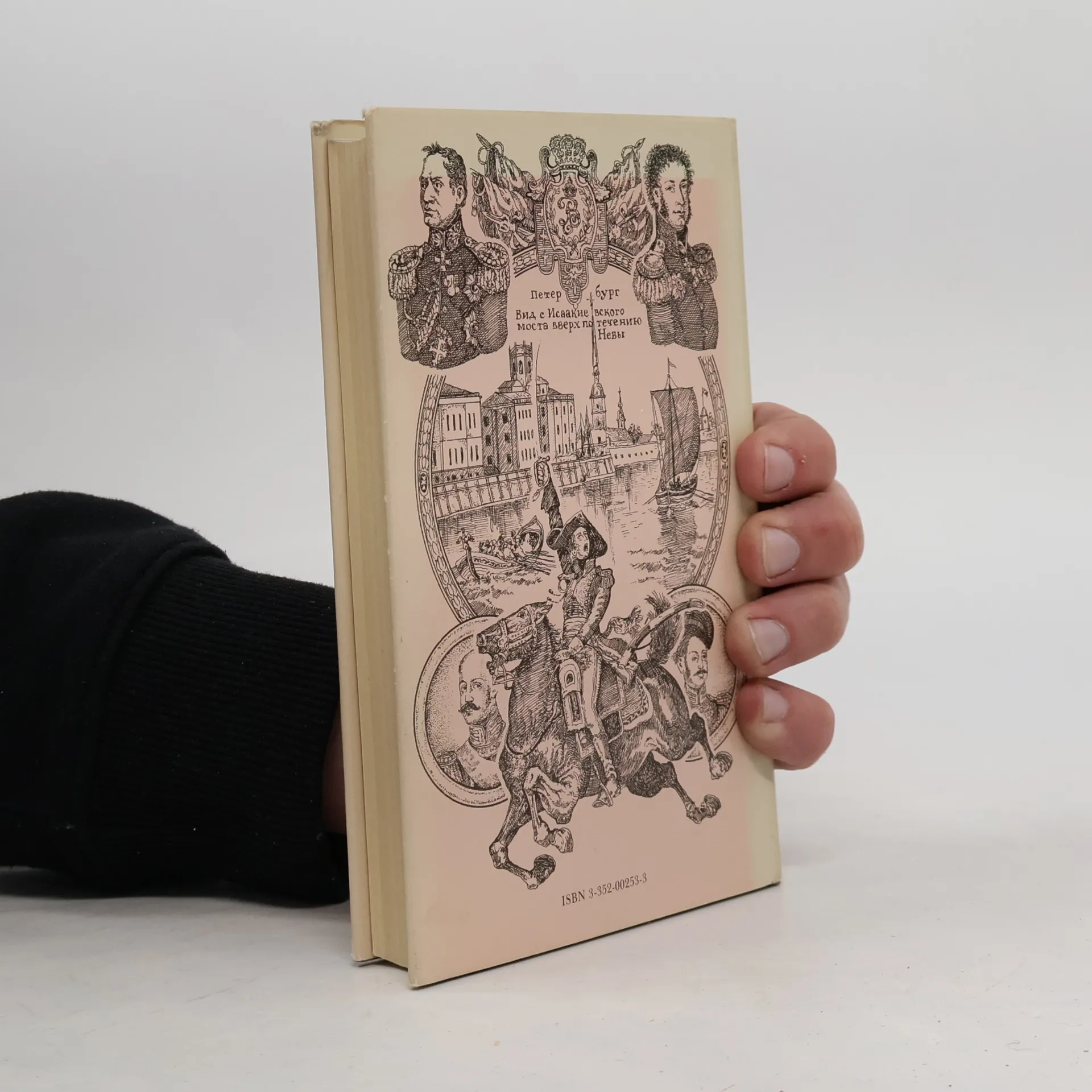
In the Baltic province of Estonia, under the oppressive rule of Czar Alexander I, the ideals of liberty and freedom continued to resonate following Napoleon's defeat. In the fall of 1813, Colonel Timotheus von Bock, a Baltic nobleman and czar's favorite, returned from battle a hero, inspired to embrace change. He shocked the aristocracy by choosing to marry a peasant's daughter instead of a more suitable match. His boldest act was sending a memorandum to the czar denouncing his tyrannical governance, violating his oath to always speak the truth. The consequence was severe: von Bock was banished from his estate and imprisoned for nine years in Schlusselburg fortress. Following the ascension of Czar Nicholas I, he was finally released, returning to a destitute estate and a shattered wife. His imprisonment left both his physical health and mental stability in ruins. Was he truly the madman the czar claimed, or a principled revolutionary? Timo von Bock's narrative weaves through the tumultuous landscape of nineteenth-century Russia and its Baltic provinces, reflecting a burgeoning national consciousness among those oppressed by the Russian crown. Jaan Kross vividly captures the era's passions, exploring themes of honor, greed, sacrifice, and love, while foreshadowing the tragedies of the modern age.





Zakup książki
Der Verrückte des Zaren, Jaan Kross
- Język

- Rok wydania
- 1987
- Oprawa
- (twarda),
- Stan książki
- Dobry
- Cena
- 43,19 zł
Metody płatności
Brakuje nam tutaj Twojej recenzji.
- Tytuł
- Der Verrückte des Zaren
- Podtytuł
- Historischer Roman
- Język
- niemiecki
- Autorzy
- Jaan Kross
- Wydawca
- Rütten & Loening
- Rok wydania
- 1987
- Oprawa
- twarda
- Liczba stron
- 409
- ISBN10
- 3352002533
- ISBN13
- 9783352002533
- Seria
- Oryginalna nazwa
- Keisri hull
- Ocena
- 3,9 z 5
- Opis
- In the Baltic province of Estonia, under the oppressive rule of Czar Alexander I, the ideals of liberty and freedom continued to resonate following Napoleon's defeat. In the fall of 1813, Colonel Timotheus von Bock, a Baltic nobleman and czar's favorite, returned from battle a hero, inspired to embrace change. He shocked the aristocracy by choosing to marry a peasant's daughter instead of a more suitable match. His boldest act was sending a memorandum to the czar denouncing his tyrannical governance, violating his oath to always speak the truth. The consequence was severe: von Bock was banished from his estate and imprisoned for nine years in Schlusselburg fortress. Following the ascension of Czar Nicholas I, he was finally released, returning to a destitute estate and a shattered wife. His imprisonment left both his physical health and mental stability in ruins. Was he truly the madman the czar claimed, or a principled revolutionary? Timo von Bock's narrative weaves through the tumultuous landscape of nineteenth-century Russia and its Baltic provinces, reflecting a burgeoning national consciousness among those oppressed by the Russian crown. Jaan Kross vividly captures the era's passions, exploring themes of honor, greed, sacrifice, and love, while foreshadowing the tragedies of the modern age.