

Więcej o książce
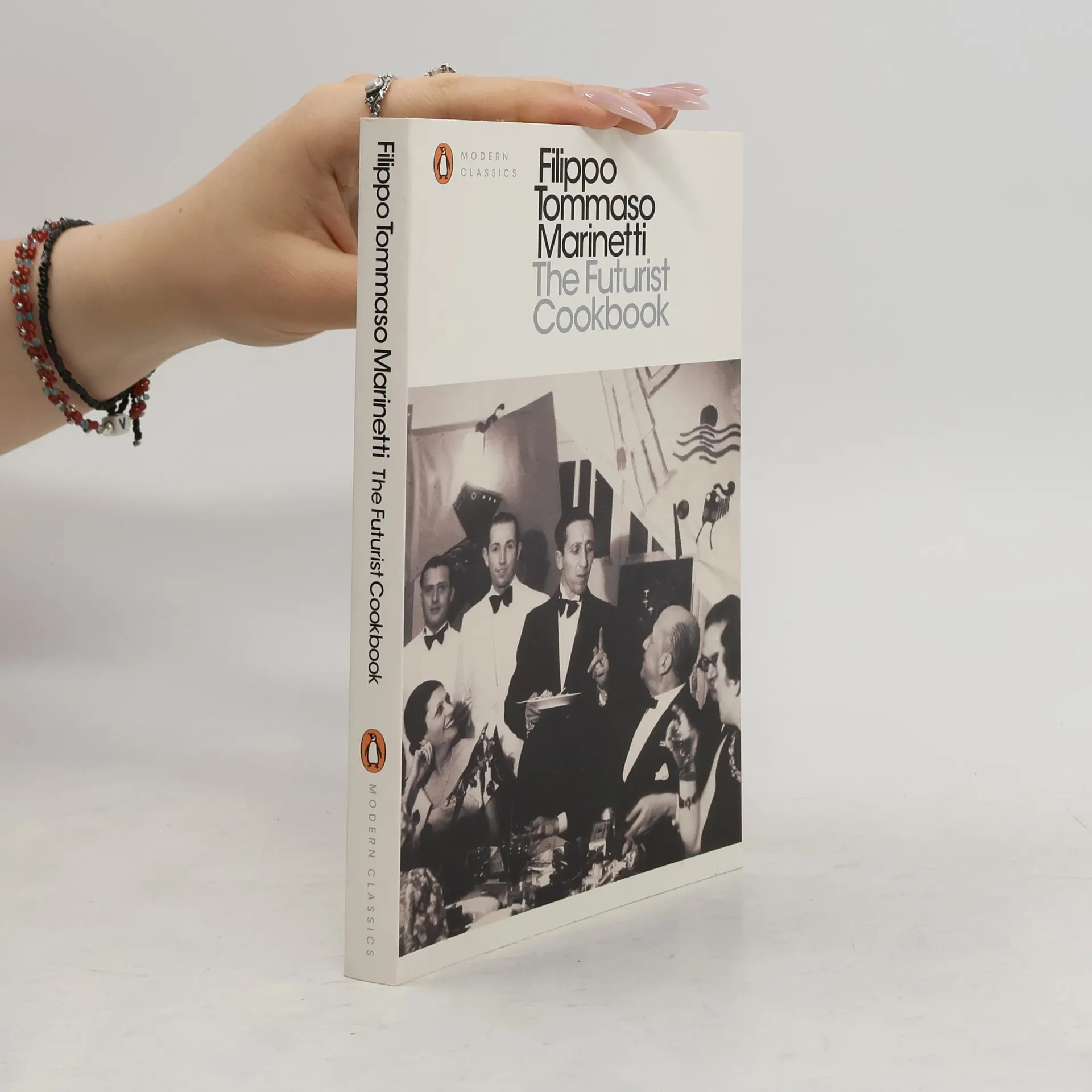
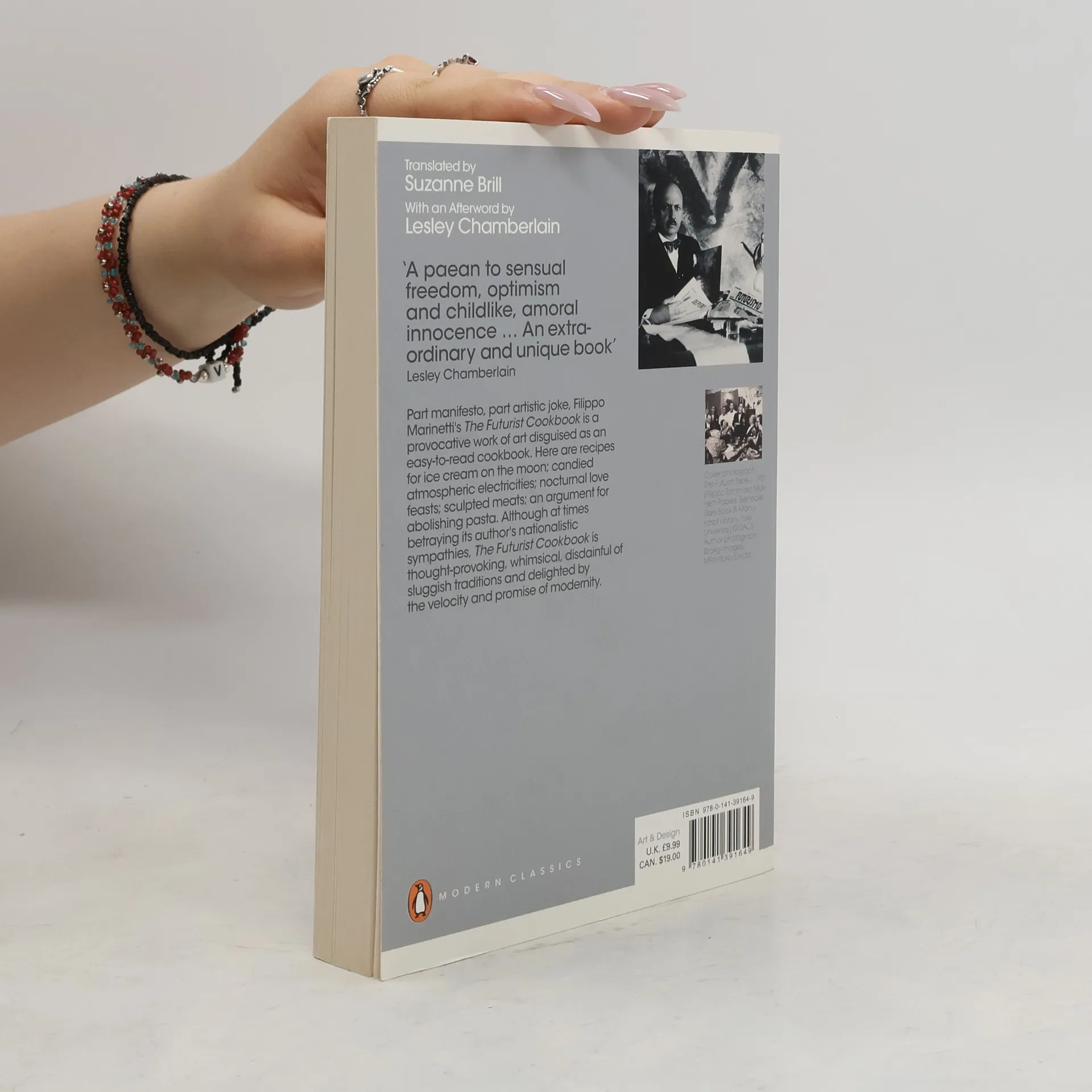
Part manifesto and part artistic joke, this provocative work presents art as an easy-to-read cookbook, featuring imaginative recipes like ice cream on the moon and candied atmospheric electricities. The author argues for the abolition of pasta, deeming it incompatible with modernity, while promoting a cuisine that fosters creativity. The text is whimsical, disdainful of outdated traditions, and revels in the speed and potential of modern life. Filippo Tommaso Marinetti, born in 1876 to Italian parents and raised in Alexandria, Egypt, studied in Paris and earned a law degree in Italy before focusing on literature. He wrote the influential Futurist Manifesto in 1909, advocating for violence, speed, and the fusion of art and life. His life was marked by controversy, including a duel with a critic, an obscenity trial, and fervent support for Italian Fascism. Marinetti served as a war correspondent during the Italo-Turkish War and fought on the Eastern Front in World War II, continuing his involvement in conflict well into his sixties. He passed away in 1944. Lesley Chamberlain, a novelist and historian, and Suzanne Brill, an art historian and translator, contribute to the understanding of Marinetti's complex legacy.


Zakup książki
The Futurist Cookbook, Filippo Tommaso Marinetti
- Język

- Rok wydania
- 2014
- Oprawa
- (miękka)
Metody płatności
Brakuje nam tutaj Twojej recenzji.
- Tytuł
- The Futurist Cookbook
- Język
- angielski
- Autorzy
- Filippo Tommaso Marinetti
- Wydawca
- Penguin Classics
- Rok wydania
- 2014
- Oprawa
- miękka
- Liczba stron
- 256
- ISBN10
- 0141391642
- ISBN13
- 9780141391649
- Seria
- Kategorie
- Ocena
- 3,5 z 5
- Opis
- Part manifesto and part artistic joke, this provocative work presents art as an easy-to-read cookbook, featuring imaginative recipes like ice cream on the moon and candied atmospheric electricities. The author argues for the abolition of pasta, deeming it incompatible with modernity, while promoting a cuisine that fosters creativity. The text is whimsical, disdainful of outdated traditions, and revels in the speed and potential of modern life. Filippo Tommaso Marinetti, born in 1876 to Italian parents and raised in Alexandria, Egypt, studied in Paris and earned a law degree in Italy before focusing on literature. He wrote the influential Futurist Manifesto in 1909, advocating for violence, speed, and the fusion of art and life. His life was marked by controversy, including a duel with a critic, an obscenity trial, and fervent support for Italian Fascism. Marinetti served as a war correspondent during the Italo-Turkish War and fought on the Eastern Front in World War II, continuing his involvement in conflict well into his sixties. He passed away in 1944. Lesley Chamberlain, a novelist and historian, and Suzanne Brill, an art historian and translator, contribute to the understanding of Marinetti's complex legacy.