



Więcej o książce
Like his contemporary and rival Sigmund Freud, Robert Musil boldly explored the dark, irrational undercurrents of humanity. The Confusions of Young Törless , published in 1906 while he was a student, uncovers the bullying, snobbery, and vicious homoerotic violence at an elite boys academy. Unsparingly honest in its depiction of the author's tangled feelings about his mother, other women, and male bonding, it also vividly illustrates the crisis of a whole society, where the breakdown of traditional values and the cult of pitiless masculine strength were soon to lead to the cataclysm of the First World War and the rise of fascism. A century later, Musil's first novel still retains its shocking, prophetic power.


Zakup książki
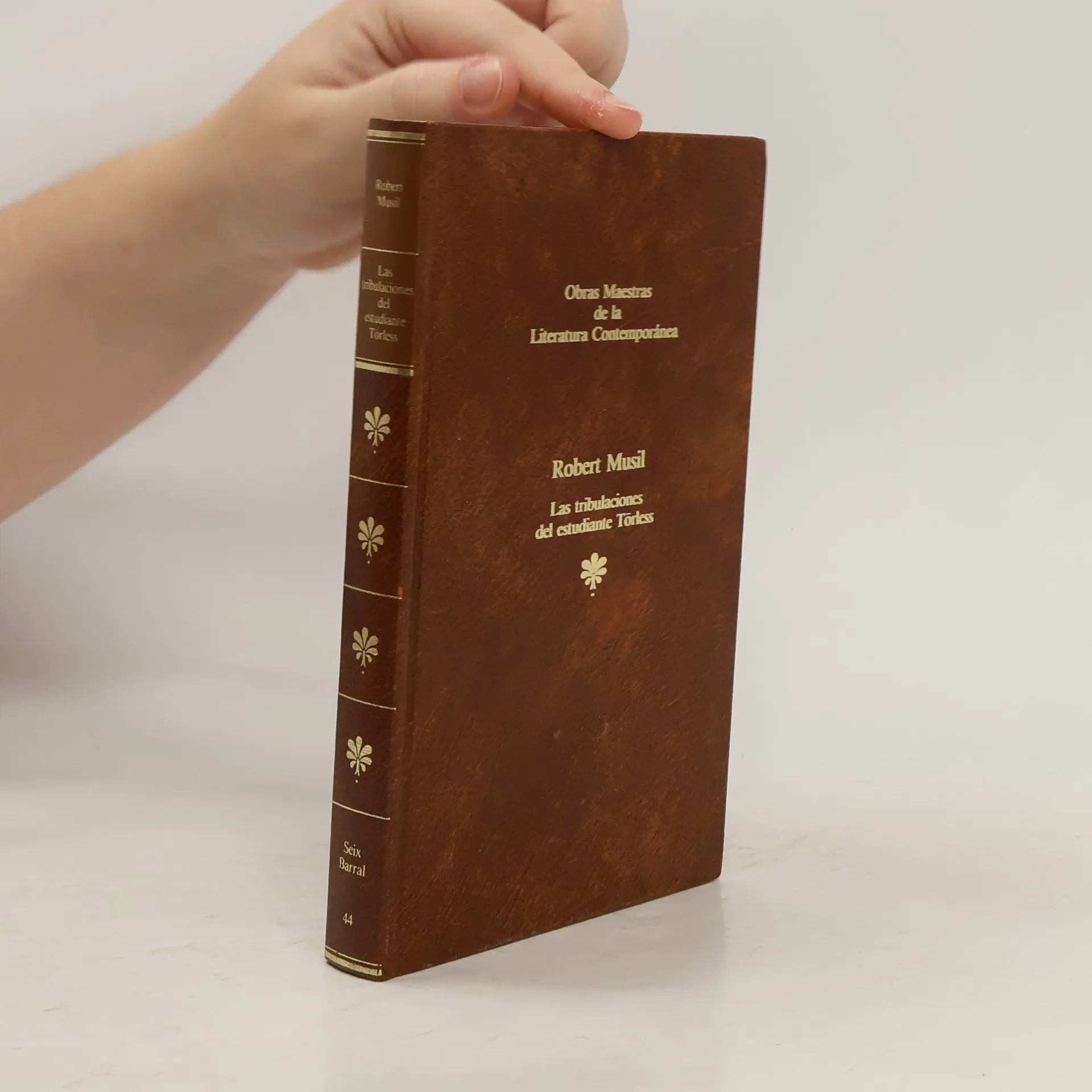
Las tribulaciones del estudiante Törless, Robert Musil, Roberto Bixio, Feliu Formosa
- Język

- Rok wydania
- 1984
- Oprawa
- (inna)
Metody płatności
Brakuje nam tutaj Twojej recenzji.
- Tytuł
- Las tribulaciones del estudiante Törless
- Język
- hiszpański
- Autorzy
- Robert Musil, Roberto Bixio, Feliu Formosa
- Wydawca
- Seix Barral
- Rok wydania
- 1984
- Oprawa
- inna
- Liczba stron
- 213
- ISBN10
- 8432222054
- ISBN13
- 9788432222054
- Seria
- Tagi
- Tematy historyczne, Tematyka psychologiczna, Literatura czeska, Literatura niemiecka, Niemcy, XX wiek, LGBTQ+, Szkoła, Dorastanie, Filmowa adaptacja, Austria, Młodzież, Przemoc, Lektury obowiązkowe, Homoseksualność, Literatura austriacka, Bullying & Szykana, Poszukiwanie samego siebie, Internat, Okres dojrzewania, Austro-Węgry, Literatura Europy Środkowej, Szkoły wojskowe
- Pierwsze wydanie
- 1906
- Oryginalna nazwa
- Die Verwirrungen des Zöglings Törleß
- Ocena
- 3,8 z 5
- Opis
- Like his contemporary and rival Sigmund Freud, Robert Musil boldly explored the dark, irrational undercurrents of humanity. The Confusions of Young Törless , published in 1906 while he was a student, uncovers the bullying, snobbery, and vicious homoerotic violence at an elite boys academy. Unsparingly honest in its depiction of the author's tangled feelings about his mother, other women, and male bonding, it also vividly illustrates the crisis of a whole society, where the breakdown of traditional values and the cult of pitiless masculine strength were soon to lead to the cataclysm of the First World War and the rise of fascism. A century later, Musil's first novel still retains its shocking, prophetic power.